Industrial Automation Breakthrough: Cellular Origins Wins 2025 Innovation Award
- 〡
- 〡 by WUPAMBO

Transforming Cell Therapy Manufacturing with Factory Automation
Cellular Origins, a UK-based automation pioneer, has won the Innovation Award for Manufacturing Automation at the 2025 Pharmaceutical Technology Excellence Awards. The company’s Constellation ecosystem integrates mobile robotics, PLC-driven control systems, and advanced bioprocess equipment to scale cell and gene therapy production. This recognition highlights how industrial automation can reshape biopharmaceutical manufacturing by reducing costs and improving reliability.
Constellation: A Flexible Factory Automation Platform
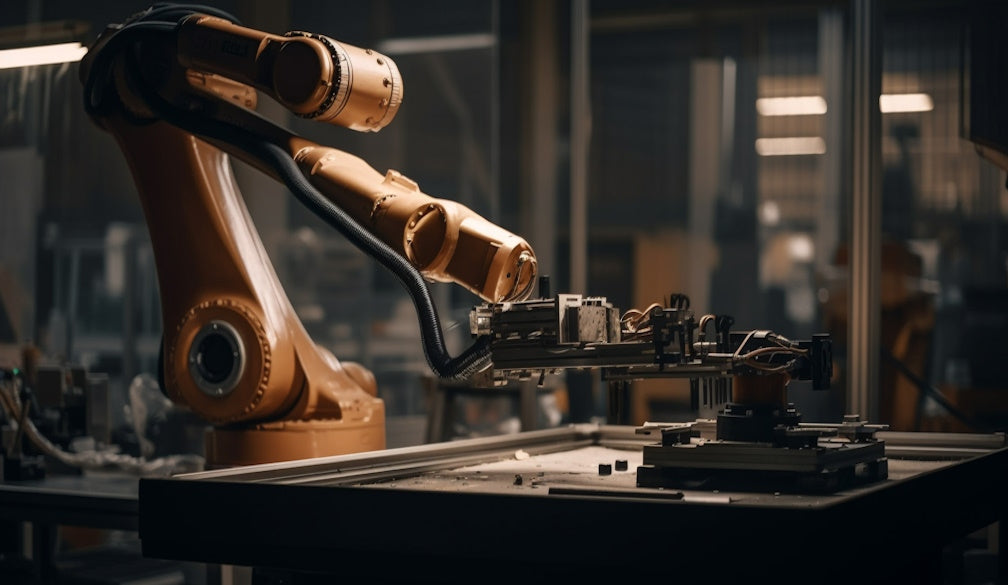
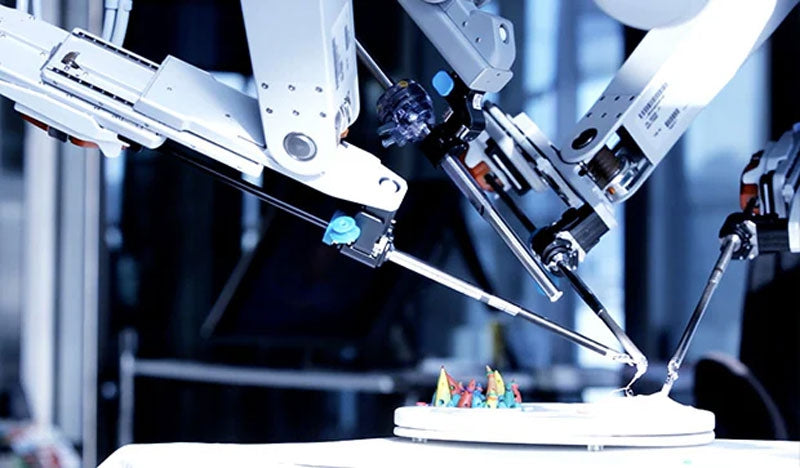
Constellation connects existing bioprocess instruments into a unified, robotically managed environment. Unlike fixed automation pods, it uses autonomous mobile robots designed for GMP facilities. These robots perform sterile welding, consumable transfers, and device loading with precision. Moreover, a digital control layer records every movement, ensuring traceability and compliance. This approach transforms semi-automated workflows into fully integrated factory automation systems.
Scaling from Clinical to Commercial Production
Cell therapy manufacturing often struggles to move from small clinical batches to commercial scale. Constellation addresses this challenge by enabling industrial-scale operations without altering validated processes. As a result, therapy developers avoid costly regulatory risks. Current deployments at the Cell and Gene Therapy Catapult’s Digital and Automation Testbeds demonstrate how production can expand from thousands to hundreds of thousands of doses annually.
Preserving Validated Biology with Wraparound Automation
A key advantage of Constellation is its ability to integrate with trusted bioprocess technologies from Cytiva, Fresenius Kabi, Thermo Fisher Scientific, and Wilson Wolf/ScaleReady. Instead of forcing developers to redesign workflows, the platform automates around existing validated tools. Therefore, manufacturers can scale production while maintaining biological integrity and regulatory compliance. This “wraparound” automation reduces comparability studies and accelerates time-to-market.
Digital Backbone for Control Systems and Traceability
Constellation’s digital backbone consolidates operational control, data capture, and scheduling into one software layer. This unified system supports PLC and DCS integration, ensuring second-by-second electronic records. Consequently, manufacturers maintain chain of identity and custody while gaining visibility into every weld, transfer, and process step. In addition, this digital infrastructure enables advanced analytics and optimization without altering the underlying biology.
Cutting Costs with Mobile Robotics and Factory Automation
Labor and cleanroom infrastructure remain major cost drivers in cell therapy manufacturing. Constellation reduces these costs by enabling 24/7 robotic operation in lower-grade environments. Skilled staff focus on oversight rather than repetitive manual tasks. Moreover, mobile robots allow flexible facility layouts, parallel workflows, and incremental capacity expansion. This modular approach contrasts with rigid pod-based systems, offering robustness and redundancy.
Economic Impact and Industry Collaboration
Cellular Origins positions Constellation as a pathway to reduce cost of goods by more than half. Collaborations with Cytiva, Fresenius Kabi, and Thermo Fisher aim to maximize dose output per square meter of manufacturing space. In addition, the Innovate UK-funded consortium with Resolution Therapeutics and the CGT Catapult demonstrates real-world GMP automation. These partnerships validate Constellation’s role in advancing industrial automation for biopharma.
Author’s Commentary: Industrial Automation Trends in Biopharma
Constellation exemplifies how factory automation, PLC systems, and mobile robotics can revolutionize biopharmaceutical manufacturing. The industry faces pressure to scale therapies quickly while maintaining compliance. In my view, platforms like Constellation represent a pragmatic solution: they respect validated biology while introducing automation-driven efficiency. However, adoption will depend on regulatory acceptance and long-term reliability in clinical and commercial facilities.
Application Scenarios and Solutions
-
Clinical to Commercial Scale-Up: Automating validated workflows to expand production capacity.
-
Cost Reduction: Lowering labor and cleanroom expenses through robotic execution.
-
Digital Traceability: Ensuring chain of identity and custody with unified control systems.
-
Flexible Facility Design: Using mobile robots to optimize layouts and parallel workflows.
-
Collaborative Ecosystems: Integrating third-party bioprocess instruments into a single automation framework.