Architectural Foundations of SCADA Systems in Modern Industrial Automation
- 〡
- 〡 by WUPAMBO

Evolving Definitions: From Hardware Infrastructure to Integrated Software Solutions
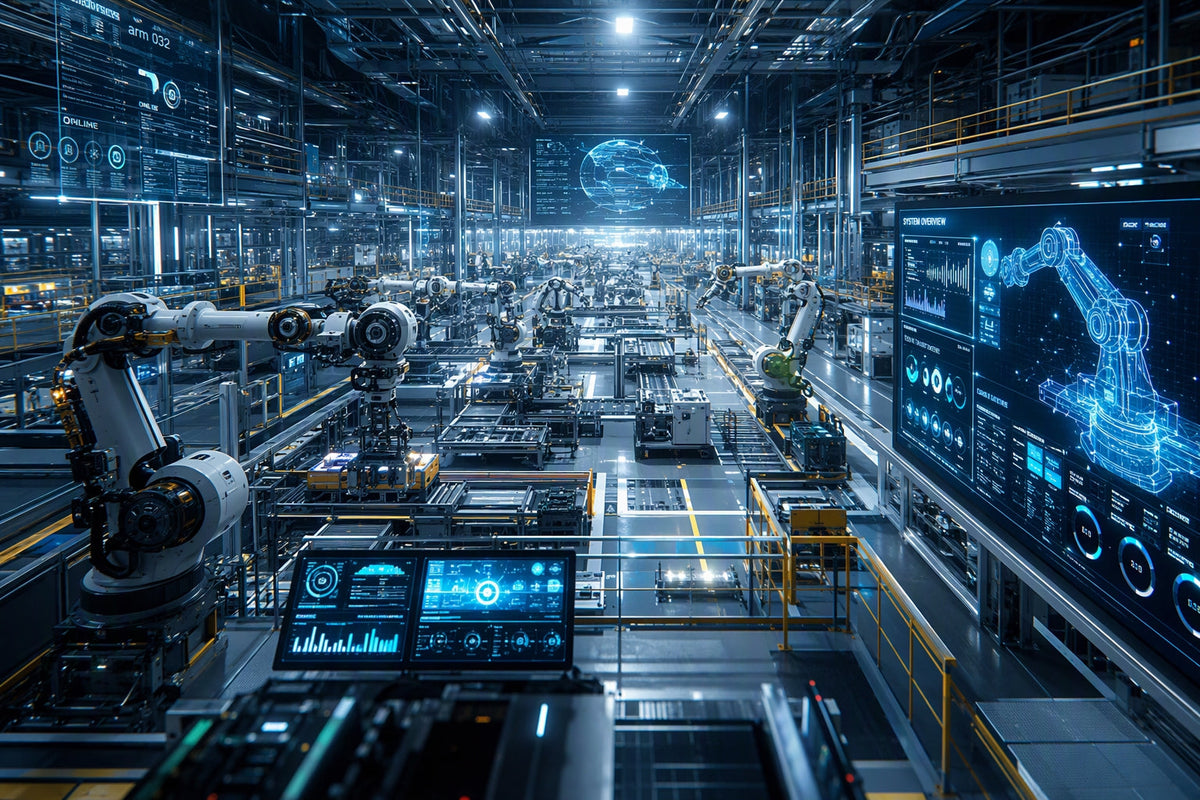
Historically, engineers defined SCADA as a complete hardware and software installation spanning vast geographic distances. However, modern factory automation and process control paradigms have altered this definition. Today, professionals often view SCADA as the central software suite running on high-performance operator workstations. Nevertheless, the complete SCADA ecosystem still encompasses field instruments, communication networks, and supervisory controllers.
Core Components: The Centralized Control Server, RTUs, and Field Instrumentation
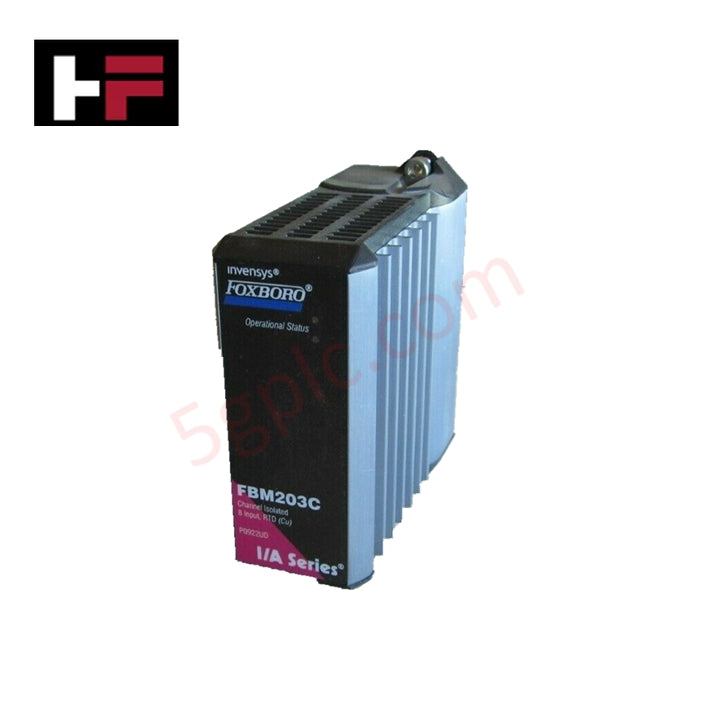
A robust SCADA framework integrates centralized data acquisition with remote process execution. The central control server processes incoming telemetry, updates human-machine interface (HMI) screens, and logs events into data historians. In the field, Remote Terminal Units (RTUs) and Programmable Logic Controllers (PLCs) continuously monitor local sensors and drive actuators. Furthermore, Intelligent Electronic Devices (IEDs), such as numerical protective relays, execute local control logic while transmitting diagnostics directly to supervisory servers.
Communication Topologies and Data Transmission Media in Dispersed Systems
SCADA systems rely on diverse communication topologies to transport data over long distances. Engineers select point-to-point, series, series-star, or multi-drop architectures based on geography and redundancy requirements. Point-to-point topologies deliver maximum speed but increase hardware costs. Conversely, shared multi-drop networks optimize cable routing at the expense of polling bandwidth. Transmission media typically combine radio telemetry, fiber optics, satellite links, and industrial cellular routers.
System Fault Tolerance, High Availability, and Operational Cyber Security
Critical infrastructure applications demand continuous operation around the clock. Consequently, system integrators implement redundant control servers, dual-path communication rings, and automated failover protocols. However, physical hardware redundancy alone cannot protect facilities against cyber threats. Modern SCADA deployments must incorporate defense-in-depth security strategies, network segmentation, encrypted industrial protocols, and strict access controls to safeguard critical control systems.
Integration Strategies: SCADA, DCS, and Discrete PLC Topologies
Understanding where SCADA fits alongside Distributed Control Systems (DCS) and standalone PLCs remains essential for automation architects. While a DCS handles tight, high-speed closed-loop process control within a localized plant footprint, SCADA excels at managing geographically dispersed assets with variable telemetry latency. Meanwhile, standalone PLCs execute localized discrete logic over fieldbus networks without requiring continuous supervisory intervention.
Expert Insight: Bridging Legacy SCADA Infrastructures with Industry 4.0
Experienced automation engineers recognize that managing latency across legacy serial telemetry links remains a persistent challenge. While upgrading legacy RTUs to modern edge gateways improves polling frequency, it also exposes legacy protocols like Modbus RTU to modern cyber vectors. Always implement secure industrial routers with built-in VPN tunnels and packet inspection when connecting remote field assets to enterprise networks.
Application Scenario: Regional Water Distribution and Wastewater Management
Consider a regional water utility operating across hundreds of square miles. The utility deploys PLCs at remote pumping stations and tank sites to control local pressure loops independently. RTUs aggregate field telemetry and communicate with the primary control center over encrypted cellular telemetry. The central SCADA server polls field nodes every 10 seconds, displays dynamic tank levels on operator consoles, and automatically adjusts booster pump setpoints to balance network pressure during peak demand hours.
About the Author:
Zhao Ming is a Senior Industrial Automation Expert with over 15 years of global field experience specializing in SCADA architecture, DCS engineering, TSI systems, and power grid protection. He currently consults for utility operators and industrial enterprises, helping them design resilient control systems and transition legacy SCADA infrastructure toward secure, cloud-enabled automation platforms.
- Posted in:
- control systems
- DCS
- factory automation
- HMI
- industrial networking
- PLC
- RTU
- SCADA