










Product Details
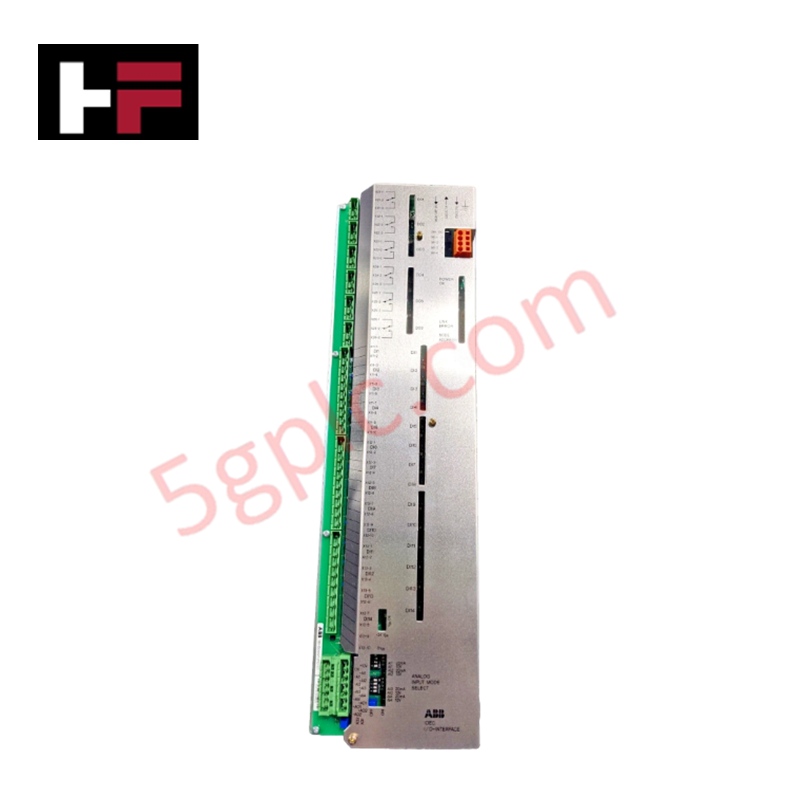
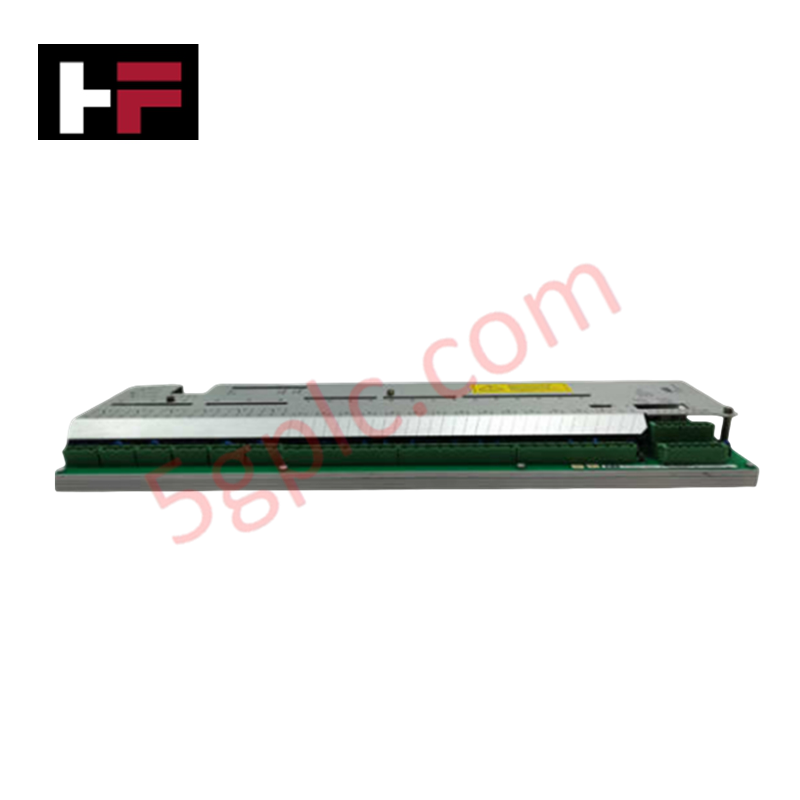
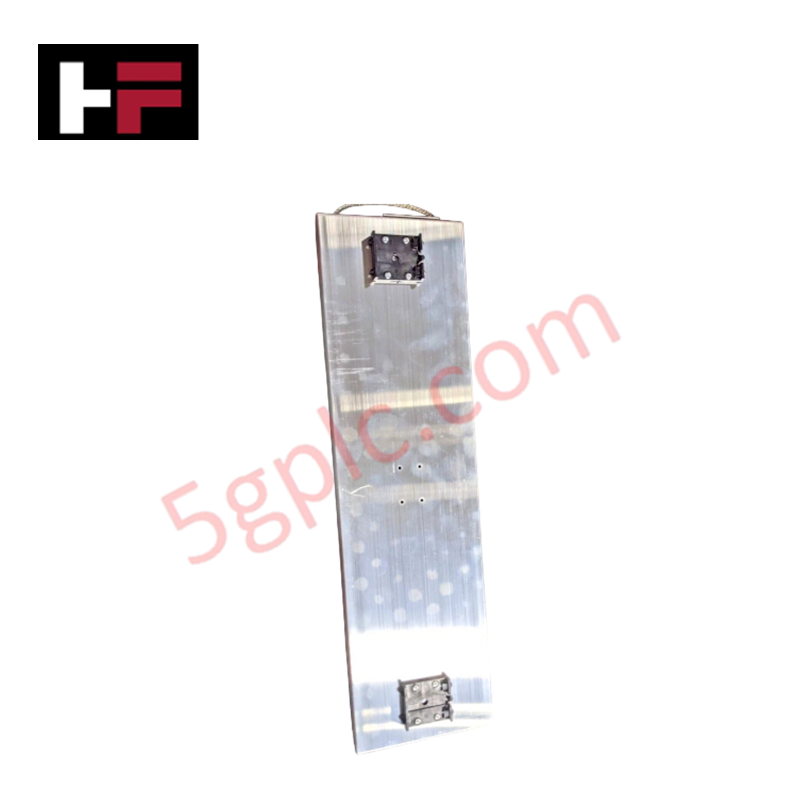
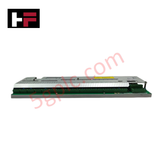
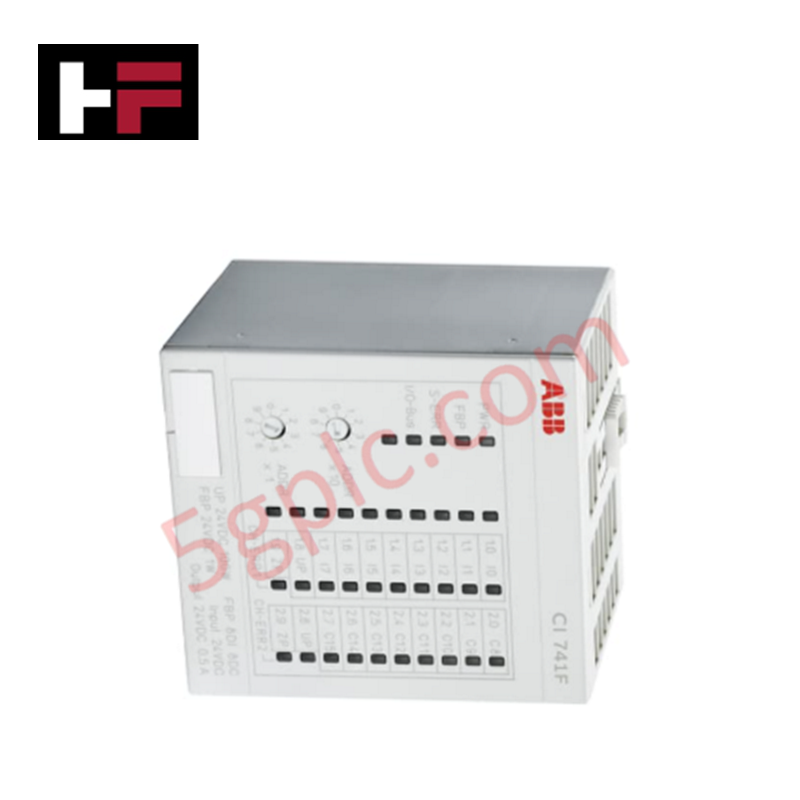
Configured for signal conversion and interface management in distributed control networks, the ABB 3BHB003041R0101 (UF C719 AE01 I/O Interface) provides direct electrical execution of data acquisition tasks.
Hardware Specifications
| Parameter | Specification |
|---|---|
| Model | UF C719 AE01 |
| Brand | ABB |
| Origin | Switzerland |
| Weight | 1.18 kg |
| Dimensions | 45.3 cm x 12.8 cm x 4.8 cm |
| Operating Temp | 0 deg C to 50 deg C (standard industrial range) |
| Power Consumption | < 15 W typical |
| Interface Type | IOEC I/O Interface |
Backplane Bus Communication Velocity
The UF C719 AE01 module facilitates high-speed data exchange across the local backplane bus, supporting deterministic cycle times required for process synchronization. The interface architecture is optimized to minimize bus latency during high-density I/O polling, ensuring that process signals are updated within the defined scan window of the master controller. Communication velocity is managed by onboard logic that filters bus traffic to maintain integrity during peak load scenarios, preventing buffer overflows in complex control configurations.
Frequently Asked Questions (FAQ)
Q: Does this module support hot-swapping while the system backplane is energized?
A: No. Power to the rack must be disconnected before attempting to seat or remove the module to prevent electrical damage to the backplane pins and the I/O interface circuitry.
Q: How is the communication address defined for this module?
A: The module address is typically assigned via the hardware configuration software or via physical backplane slot indexing, depending on the specific backplane controller firmware revision.
Field Installation Guidelines
- Mounting: Secure the module within the designated rack slot using the provided mechanical retention screws to ensure a positive connection to the backplane.
- Grounding: Verify that the system rack chassis is connected to a low-impedance earth ground to provide proper shielding for the internal interface electronics.
- Wiring: Use shielded cabling for all I/O terminations. Ensure the cable shield is grounded at the entry point of the cabinet to prevent high-frequency noise from entering the module through the signal lines.
- Environmental: Ensure the cabinet maintains adequate airflow. Do not obstruct the module ventilation vents, as this can degrade internal components over long-term operation.
Additional Information
- 100% Genuine Parts: All products are original and authentic, ensuring reliable industrial performance.
- 30-Day Refund Guarantee: Return any in-stock item within 30 days in original, unopened packaging for a full refund (excluding shipping and fees).
- 12-Month Warranty: Covers defects in materials or workmanship; excludes misuse, normal wear, or unauthorized modifications.
- Worldwide Shipping: We ship via USPS, UPS, FedEx, and DHL. Delivery times vary by country and may be subject to customs or import fees.
- Support & Contact: Technical and warranty assistance is available anytime. Contact us here: Contact.
- Purchase Guidance: Check product specifications and compatibility carefully before ordering to ensure proper application.






Tech & Buying Guide
Modern Industrial Automation: Transforming Safety and Efficiency in Mining Operations
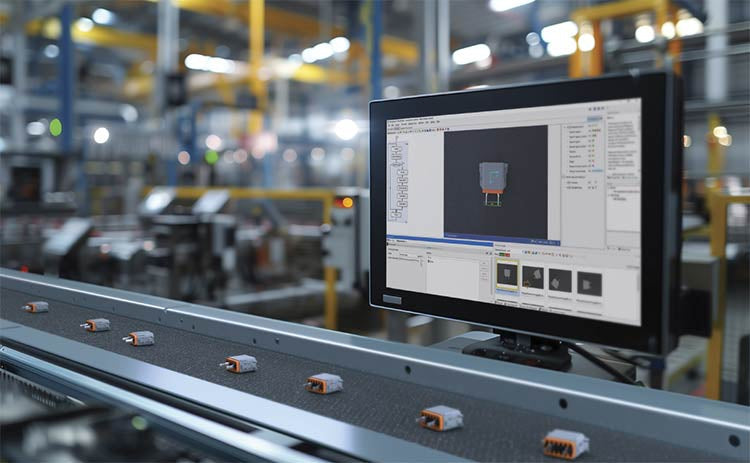
Industrial automation has evolved from a simple manufacturing tool into the operational backbone of high-risk sectors. Modern mining operations increasingly rely on advanced control systems, programmable logic controllers (PLCs), distributed control systems (DCS), and artificial intelligence to address deep-underground hazards. By replacing manual labor in high-risk zones, factory automation technologies protect personnel while significantly boosting operational throughput.

Step-by-Step System Cabinet Health Check Guide for PLC and DCS Infrastructure
