










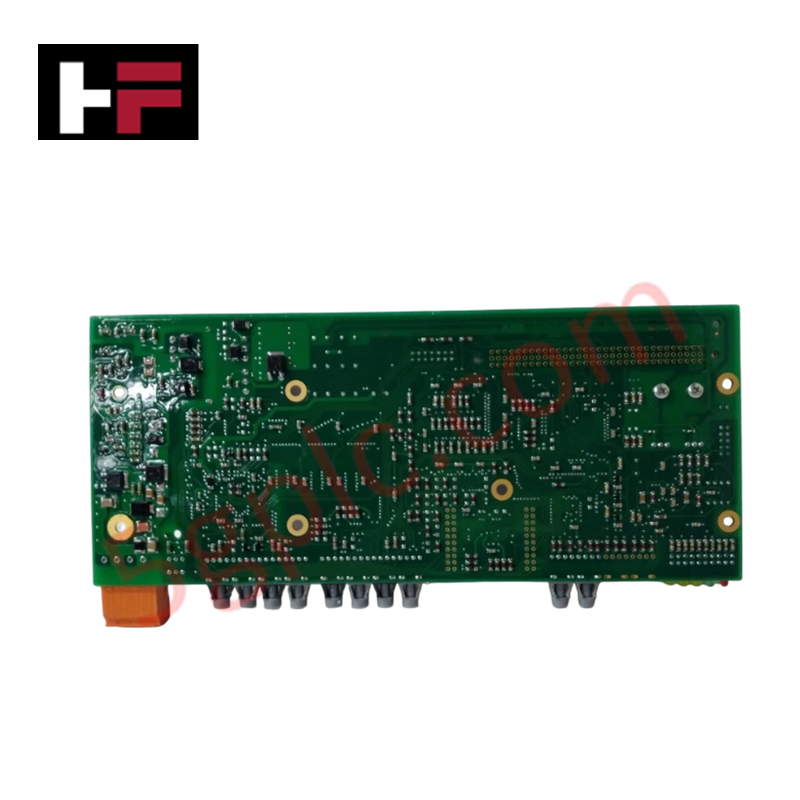
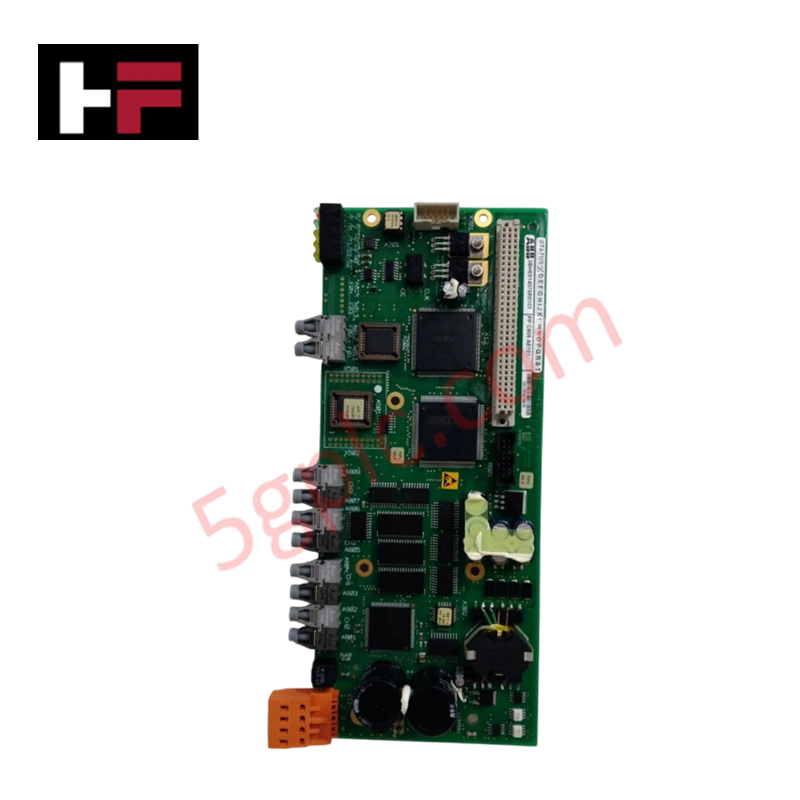
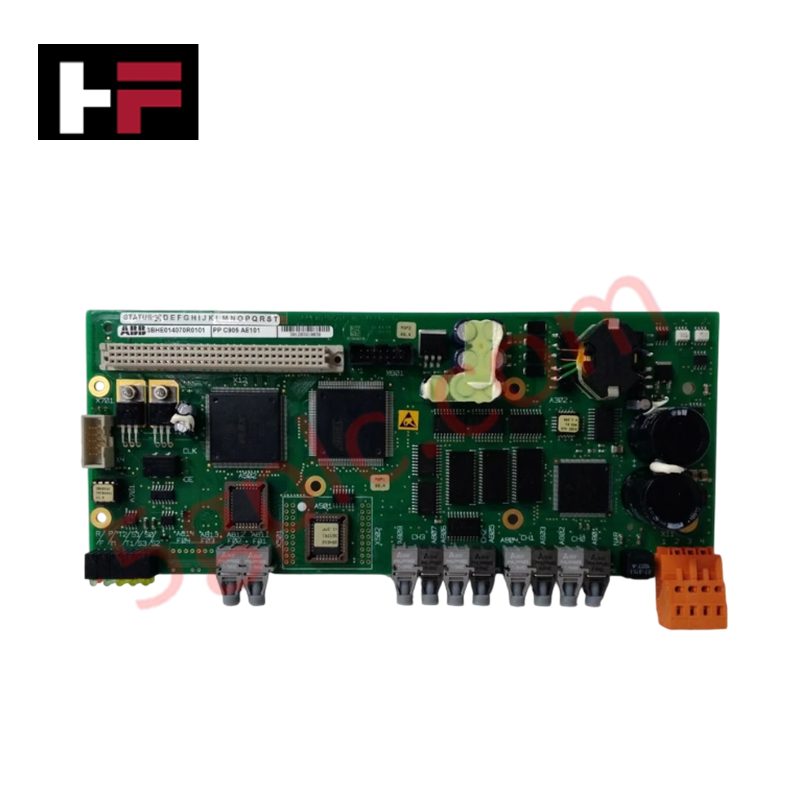
Product Details
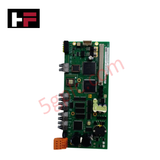
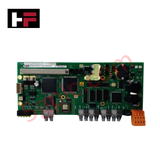
Configured for high-capacity energy conversion in industrial automation networks, the ABB PP C905 AE101 (3BHE014070R0101 Power Supply) provides direct physical electrical regulation for 48 VDC load distribution.
Hardware Specifications
| Parameter | Specification |
|---|---|
| Model | PP C905 AE101 |
| Brand | ABB |
| Part Number | 3BHE014070R0101 |
| Dimensions | 144 mm x 45 mm x 100 mm |
| Operating Temp | -40 deg C to +60 deg C |
| Power Consumption | 1920 W |
| Input Voltage | 230 V AC to 480 V AC (3-phase) |
| Output Voltage | 48 V DC |
| Output Current | 40 A |
DIN-rail mounting stability and surge voltage protection limits
The PPC905AE101 is designed for industrial cabinet integration, utilizing a robust DIN-rail mounting interface that ensures mechanical stability under vibration. The unit manages power conversion from 3-phase AC input to a regulated 48 VDC output, incorporating internal circuitry to suppress transient voltage spikes and protect downstream components. The design maintains an efficiency rating exceeding 90 %, minimizing thermal load within the cabinet. Proper surge voltage protection limits are observed to maintain functional safety during AC line fluctuations. Users must ensure that the DIN-rail is securely bonded to the cabinet protective earth to prevent common-mode noise propagation and to ensure the mechanical integrity of the rail-to-chassis connection.
Frequently Asked Questions
Q: Does the unit require forced-air cooling for the 40 A output current?
A: The unit is designed for standard convection cooling; however, ambient temperatures and mounting density can affect performance. Ensure minimum clearance distances are maintained around the housing to comply with thermal dissipation requirements.
Q: Is this power supply compatible with single-phase AC inputs?
A: No. The PPC905AE101 is strictly designed for 3-phase AC input (230 V AC to 480 V AC). Connection to a single-phase source will result in failure to meet output current specifications and potential internal protection tripping.
Field Installation Guidelines
- Mounting: Ensure the unit is snapped fully onto the DIN-rail. Check for horizontal or vertical movement; if detected, utilize rail end-clamps to secure the unit against lateral displacement.
- Wiring Requirements: Utilize copper conductors rated for 75 deg C. Ensure the AC input terminals are torqued to the manufacturer’s specification to prevent localized heating at the connection point.
- Earthing: Connect the PE (Protective Earth) terminal to the cabinet grounding bus using a wire cross-section equal to or greater than the AC input conductors.
- Separation: Maintain a minimum distance of 50 mm from other heat-generating equipment to ensure the stated operating temperature range of -40 deg C to +60 deg C is not exceeded.
- Inspection: Verify that the input phase sequencing is correct and that the output voltage is stable at 48 V DC before connecting the secondary load circuitry.
Additional Information
- 100% Genuine Parts: All products are original and authentic, ensuring reliable industrial performance.
- 30-Day Refund Guarantee: Return any in-stock item within 30 days in original, unopened packaging for a full refund (excluding shipping and fees).
- 12-Month Warranty: Covers defects in materials or workmanship; excludes misuse, normal wear, or unauthorized modifications.
- Worldwide Shipping: We ship via USPS, UPS, FedEx, and DHL. Delivery times vary by country and may be subject to customs or import fees.
- Support & Contact: Technical and warranty assistance is available anytime. Contact us here: Contact.
- Purchase Guidance: Check product specifications and compatibility carefully before ordering to ensure proper application.






Tech & Buying Guide

Essential Best Practices for PLC Wiring and Installation in Industrial Automation
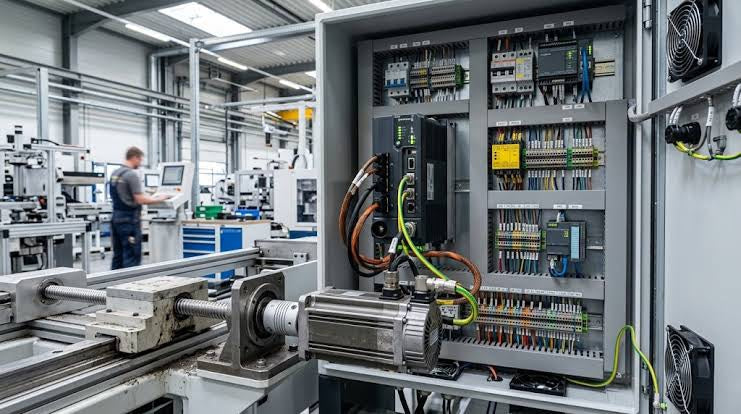
Successful control system deployment begins with thoroughly reviewing manufacturer technical documentation. Controllers from major brands like Allen-Bradley, Siemens, and Schneider Electric feature unique terminal layouts. Engineers must verify voltage requirements before connecting power cables to prevent catastrophic equipment damage. Standard line connections require strict adherence to regional electrical codes and proper wire color coding. Furthermore, panel builders should always establish a robust low-impedance ground connection using at least 16-AWG copper conductor tied directly to the main plant grounding grid.
Demystifying Programmable Logic Controllers: Comprehensive Guide to PLC Classification and Selection in Industrial Automation
Modern industrial automation heavily relies on Programmable Logic Controllers (PLCs) to drive factory floor efficiency. Over my 15 years as an industrial automation expert working with DCS, TSI, and control systems, I have seen PLCs evolve into the central nervous system of modern manufacturing. Selecting the right controller requires a deep understanding of PLC types based on physical size, hardware architecture, and power supply configurations.

Comprehensive Guide to PLC Types in Modern Industrial Automation
Modern industrial automation relies on programmable logic controllers to govern critical factory operations. System integrators classify PLCs based on scale, hardware architecture, and power supply design. Understanding these core categories enables automation engineers to select the right control system architecture. Consequently, proper hardware selection optimizes performance while minimizing long-term operational costs.