










Product Details
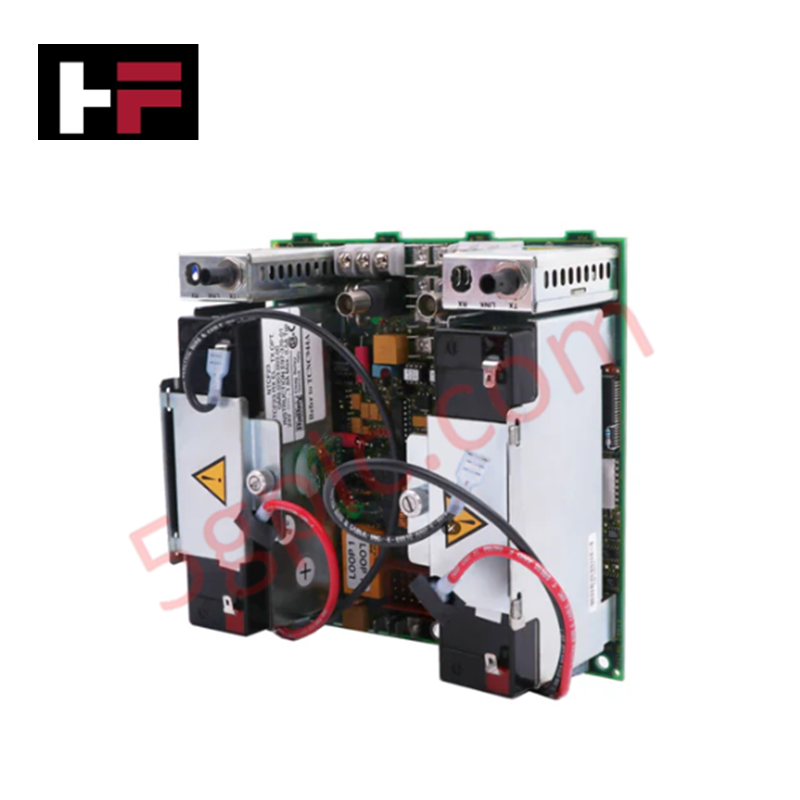
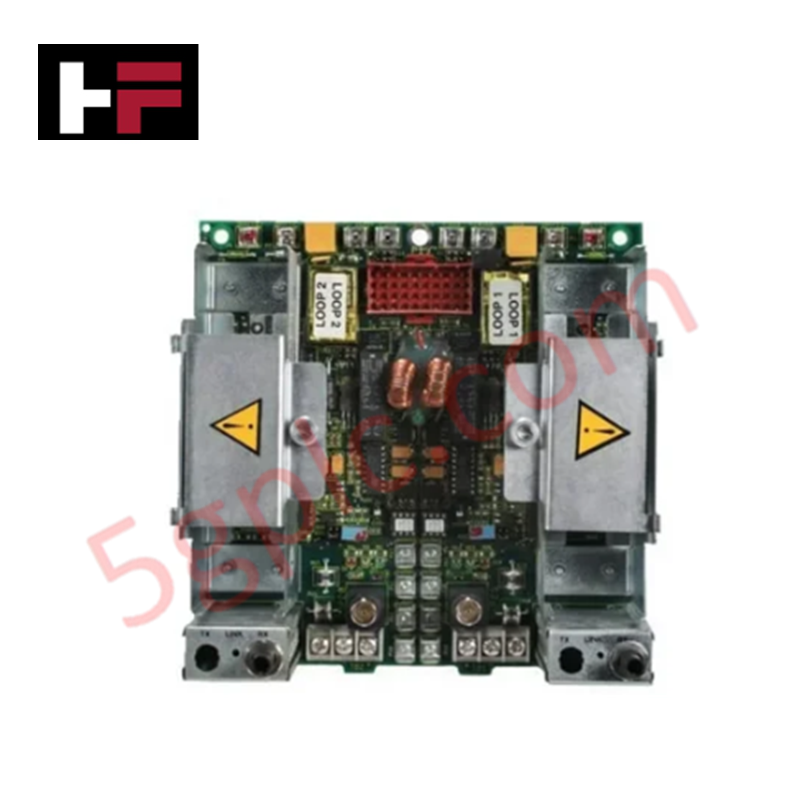
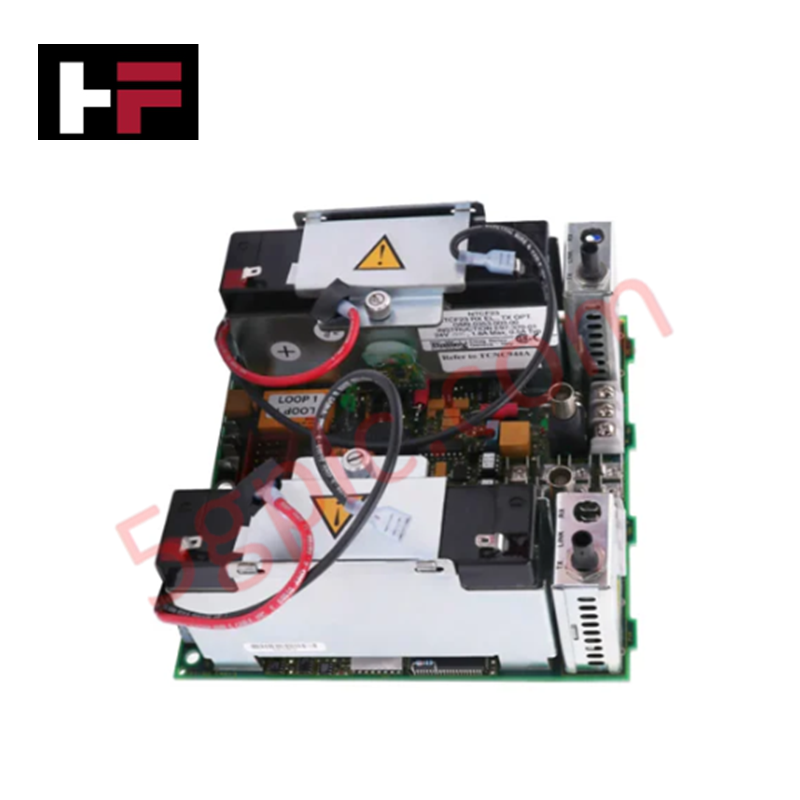
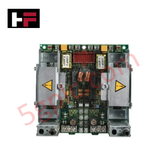
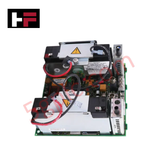
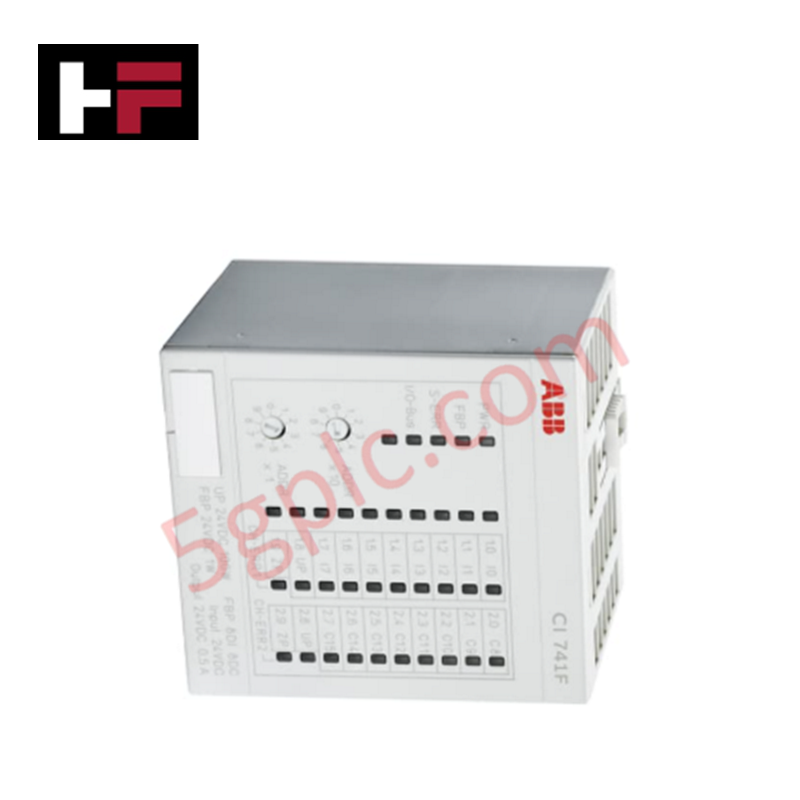
The ABB NTCF22, also cataloged as the NTCF22 Module Termination Unit, operates as a dedicated hardware component for fiber optic communication routing and electrical signal termination within Infi 90 control networks. The physical unit acts as an interface that marshals data signals from optical fibers and transitions them onto the system backplane layers. Outfitted with dual integrated portable lead-acid batteries weighing 650 g each to preserve state profiles during power failures, this hardware assembly ensures point-to-point data transmission continuity across high-speed optical lines.
Hardware Specifications
| Parameter | Specification |
|---|---|
| Model | NTCF22 |
| Brand | ABB |
| Origin | United States |
| Weight | 2.721 kg |
| Dimensions | 210.82 mm x 160.02 mm x 226.06 mm |
| Operating Temp | 0 to +60 deg C (Standard industrial parameters apply) |
| Power Consumption | Subsystem loop dependent |
| Product Type | Module Termination Unit |
| Integrated Batteries | 2x Portable Lead-Acid Batteries (650 g each) |
| Environmental Compliance | Not RoHS Compliant / WEEE Category 5 |
Backplane Bus Communication Velocity Licences
The NTCF22 termination unit coordinates frame delivery parameters with internal backplane bus communication velocity licences to maintain high-throughput data processing rates without cyclic drift. The integrated termination arrays align standard optical transmission signals directly with the electronic registers of the core processor. This structure isolates processing timing intervals, preventing communication network dropouts during peak bus traffic and enabling localized I/O density scaling across expanded automation nodes.
Frequently Asked Questions
Q: How must the dual integrated 650 g lead-acid batteries be serviced during normal continuous operations?
A: The batteries supply localized buffer power during total line dropouts. They must be checked periodically for voltage depletion and leakage metrics, and replacements must be performed under de-energized rack conditions unless specified by redundant power architecture procedures.
Q: Is hot-swapping this termination module permitted while active fiber optic communication loops are running?
A: No. Unseating or inserting the NTCF22 assembly while system bus power is active can induce signal jitter, interrupt serialized data frames, or trigger permanent electrical damage to the optoelectronic transceiver components.
Q: Does a change in firmware version on adjacent controller modules affect the physical termination execution of this board?
A: This component executes physical-layer optical-to-electrical signal transitions. Firmware flash compatibility checks apply to the primary processing blocks rather than this passive termination layer, provided the physical connection configurations remain within factory spec.
Field Installation Guidelines
The NTCF22 module must be secured vertically into its matching slot track within an approved industrial control enclosure. All fiber optic lines must be guided using minimum bend radius limitations to prevent internal light attenuation and fiber micro-fractures. Electrical field connections must utilize shielded twisted-pair cables, and the bare drain wires must terminate into the master panel ground bar. Maintain a horizontal and vertical clearance envelope of 50 mm around the chassis to allow convective air currents to prevent heat pockets within the enclosure.
Additional Information
- 100% Genuine Parts: All products are original and authentic, ensuring reliable industrial performance.
- 30-Day Refund Guarantee: Return any in-stock item within 30 days in original, unopened packaging for a full refund (excluding shipping and fees).
- 12-Month Warranty: Covers defects in materials or workmanship; excludes misuse, normal wear, or unauthorized modifications.
- Worldwide Shipping: We ship via USPS, UPS, FedEx, and DHL. Delivery times vary by country and may be subject to customs or import fees.
- Support & Contact: Technical and warranty assistance is available anytime. Contact us here: Contact.
- Purchase Guidance: Check product specifications and compatibility carefully before ordering to ensure proper application.






Tech & Buying Guide

Redefining Control Systems: The Rise of Flexible I/O Modules in Industrial Automation
Conventional input-output architectures often limit engineering agility and inflate long-term inventory costs. Today, Flexible Input/Output Modules (FIOM) are transforming how control system engineers design, commission, and maintain automation infrastructure. By allowing individual channel software configuration, FIOM technology bridges the gap between rigid hardware design and dynamic plant requirements.

Understanding Modern SCADA Systems: Architecture, Communication Topologies, and Industrial Applications
Supervisory Control and Data Acquisition (SCADA) systems form the digital backbone of modern industrial automation. They collect critical field data, transmit signals across vast distances, and empower plant operators with real-time process visibility. Across modern infrastructures, SCADA solutions streamline centralized control and maintain continuous operational uptime.

Understanding OPC Servers in Modern Industrial Automation: Principles, Architecture, and Applications
In industrial automation, connecting physical hardware with high-level software remains a primary operational challenge. Factories utilize programmable logic controllers (PLCs), distributed control systems (DCS), human-machine interfaces (HMIs), and smart sensors from diverse vendors. These devices often speak different proprietary protocols. Open Platform Communications (OPC) servers solve this interoperability challenge by standardizing how data flows across factory networks.