Tech & Buying Guide
Mastering PLC Programming: Best Practices for Robust Industrial Automation
- 〡 by WUPAMBO
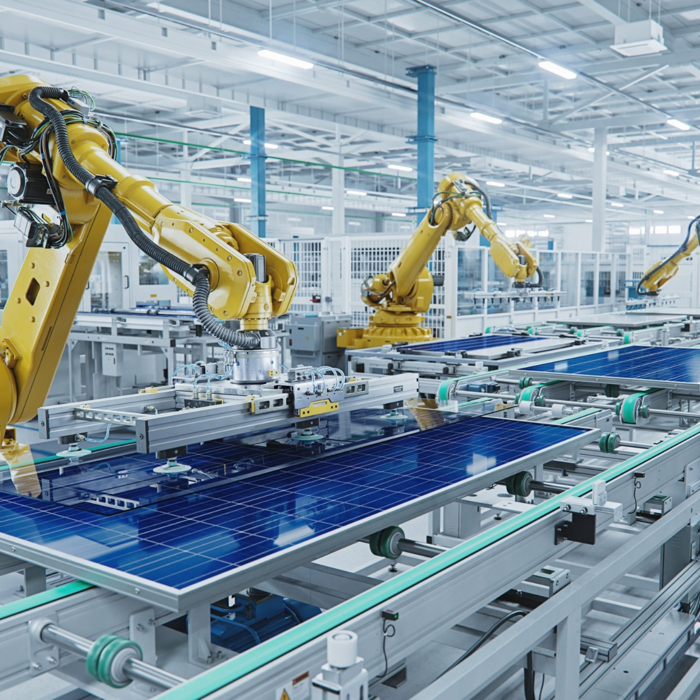
Writing clean PLC code requires discipline, especially regarding memory management. Avoid overusing SET and RESET instructions, as they often complicate debugging. If multiple rungs control the same bit, troubleshooting becomes a nightmare. Instead, focus on energizing a bit in only one location. If your logic requires complex conditions, use branches within a single rung. This approach keeps your code readable, maintainable, and significantly easier to audit during downtime.

Exploring the DDE Protocol in Modern Industrial Automation
- 〡 by WUPAMBO
In the specialized world of industrial automation, moving data between software applications is a fundamental requirement. One of the earliest methods to achieve this was the Dynamic Data Exchange (DDE) protocol. While newer standards exist today, DDE remains a cornerstone of legacy systems and specific integration tasks.
Comparative Guide: SCADA and PLC Configuration Architectures
- 〡 by WUPAMBO
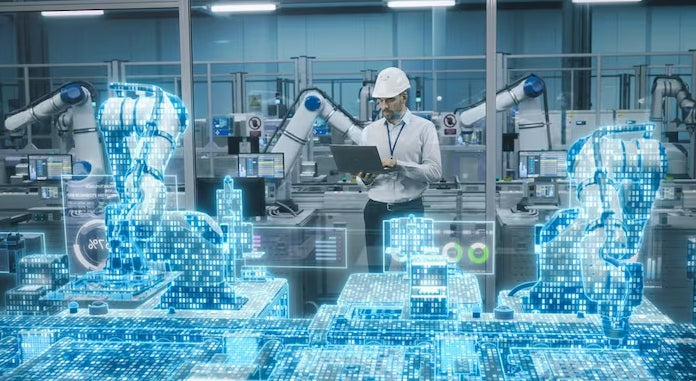
Efficient industrial automation relies on tiered SCADA architectures—small, medium, or large—tailored to facility size and criticality. This structured approach balances cost with reliability, ensuring optimal factory automation performance and equipment redundancy through precise control system configuration.
Understanding the Main Types of Industrial Control Systems in Modern Automation
- 〡 by WUPAMBO
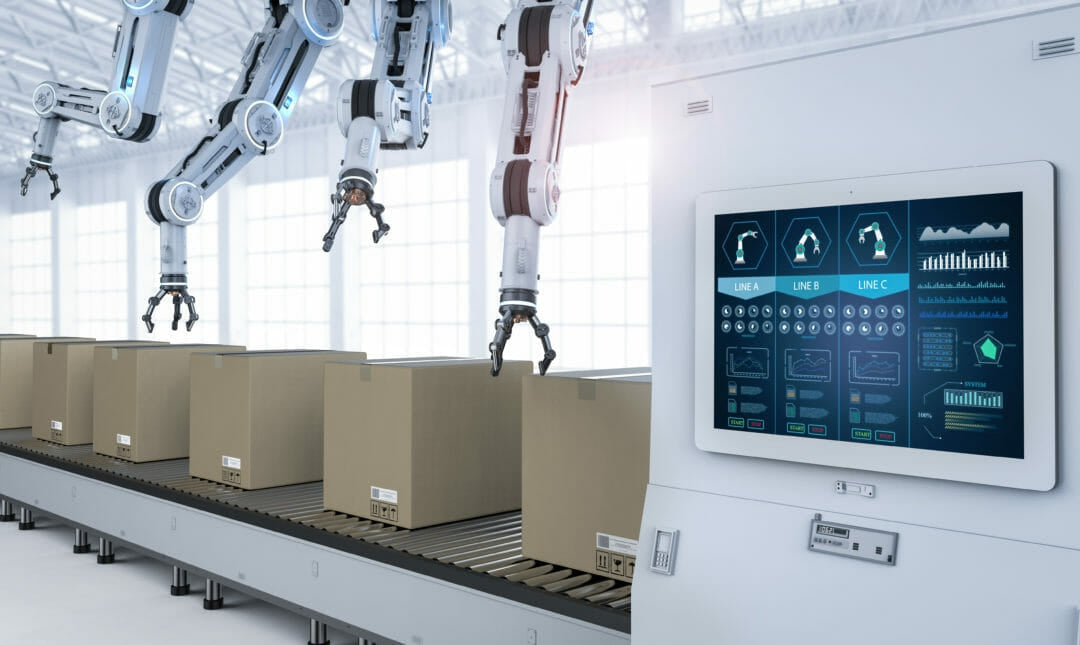
Industrial control systems (ICS) form the foundation of modern automation, ensuring safe and efficient operations. The main types—DCS, RTU, and PLC—manage processes, equipment, and communication across industries, each optimized for specific scales, response times, and operational environments.
Difference Between DCS, PLC, and RTU in Industrial Automation
- 〡 by WUPAMBO
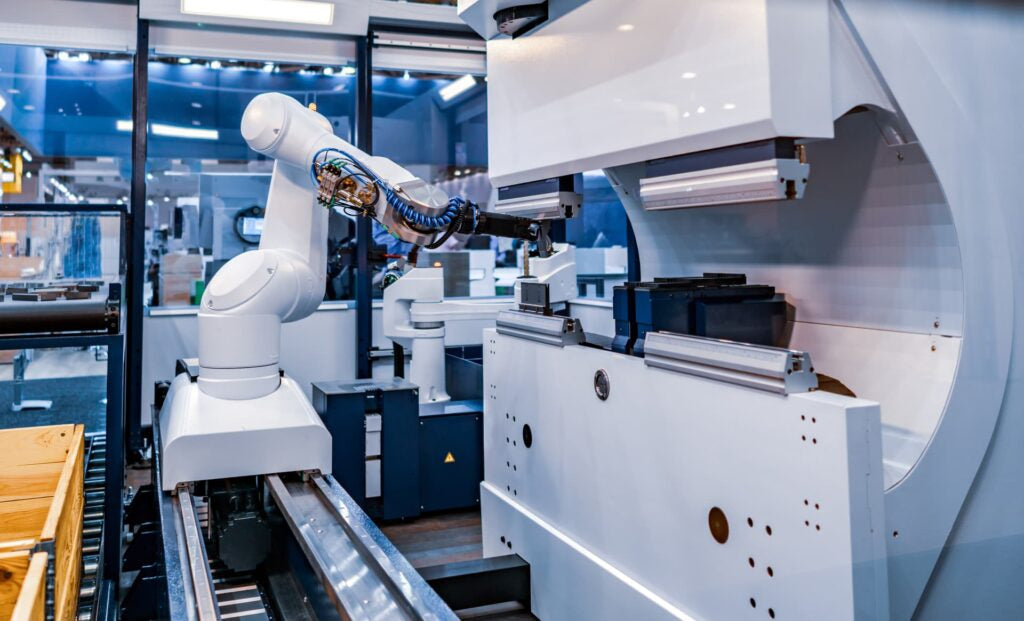
In modern industrial automation, three control systems dominate: Distributed Control Systems (DCS), Programmable Logic Controllers (PLC), and Remote Terminal Units (RTU). Each serves the same goal—monitoring and controlling processes—but is optimized for different applications and environments.
Understanding SCADA Systems in Industrial Automation: A Comprehensive Overview
- 〡 by WUPAMBO
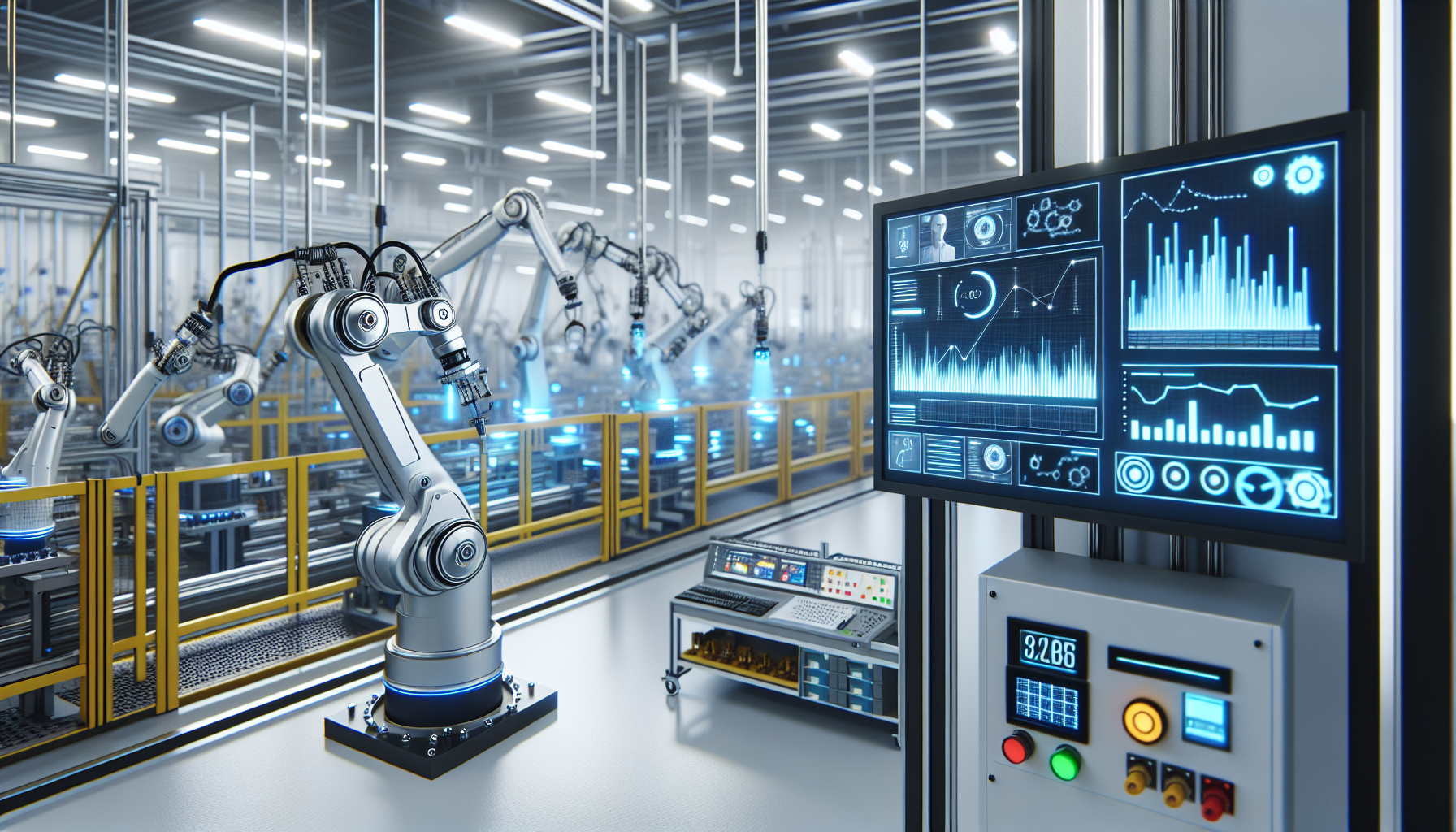
Supervisory Control and Data Acquisition (SCADA) systems play a vital role in modern industrial automation, enabling real-time monitoring and control of a wide range of processes. In this article, we will explore how SCADA systems work, their components, applications, and the key factors that drive their efficiency in various industries.