Comprehensive Guide to Industrial Control Panels and Their Architectural Types
- 〡
- 〡 by WUPAMBO
Introduction to Industrial Control Panels and System Architecture
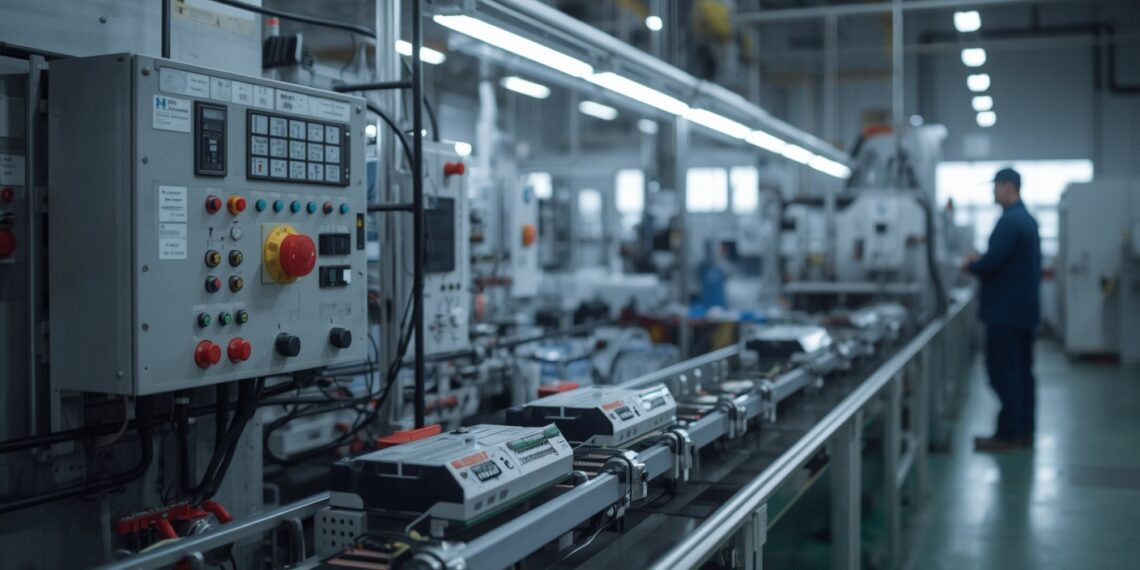
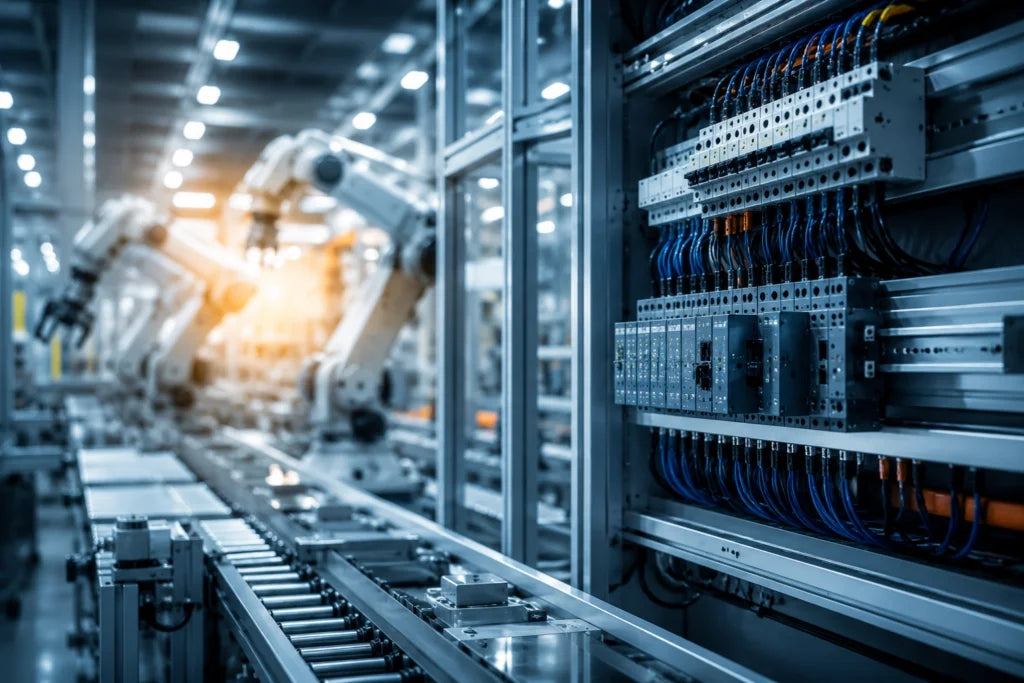
Industrial control panels house vital measurement, monitoring, protection, and management instruments. Engineers install these enclosures either inside central control rooms or directly in harsh plant environments as local control panels (LCP). Furthermore, manufacturers design these enclosures based on specific energy sources and process dynamics. Therefore, classification depends on functional media such as electrical, electronic, pneumatic, or hydraulic systems.
In modern factory automation facilities, instruments regulate parameters like electrical voltage, process temperature, pressure, and fluid flow. Moreover, sensitive electronic instrument panels require careful physical placement away from high-noise equipment such as variable frequency drives and large motors to prevent measurement signal distortion.
Architectural Classification of Industrial Control Panels
Industrial facilities utilize three primary panel designs to accommodate various operational requirements:
- Flat Control Panels: These vertical structures offer cost-effective construction and straightforward layout designs. Technicians easily organize internal electrical ductwork and pneumatic tubing along the straight plane. Consequently, flat panels serve as the ideal housing for complex programmable logic controller and distributed control system hardware.
- Breakfront Panels: These specialized enclosures feature an angled top section. Furthermore, the tilted upper face normalizes to the operator line of sight, improving visibility for critical monitoring devices.
- Console-Type Control Panels: Consoles provide an ergonomic, visually appealing operator workstation. Typically spanning four to twelve feet, a single console manages a specific operator responsibility zone. However, limited internal working space often complicates maintenance and troubleshooting tasks for technicians.
As an automation expert with 15 years of field experience, I always recommend pairing compact consoles with dedicated rear auxiliary marshalling cabinets to ease maintenance access.
Practical Application Scenario: Wastewater Treatment Plant Control Room
Consider a municipal wastewater treatment plant upgrading its central SCADA architecture. The engineering team deploys a modular console setup for plant operators to monitor real-time flow rates and basin levels.
Directly behind the operator consoles, technicians install flat control panels housing programmable logic controllers and intrinsic safety barriers. Furthermore, pneumatic control panels operate nearby valves using regulated compressed air.
During pre-commissioning, engineers route all high-voltage wiring away from sensitive electronic communication lines. Consequently, the facility achieves a clean, ergonomic layout while eliminating electromagnetic interference and ensuring reliable long-term plant operations.
Author Biography
The author, Liu Jun, is a senior industrial automation and control systems specialist with 15 years of professional experience. He has served as a lead instrumentation engineer and control system consultant for numerous large-scale manufacturing and energy projects. Liu specializes in control room design, PLC/DCS architecture, and hazardous area instrumentation integration. He actively shares practical engineering insights to help industry professionals optimize industrial control system reliability.
- Posted in:
- control panels
- control systems
- DCS
- electrical enclosures
- factory automation
- instrumentation engineering
- local control panel
- PLC
- SCADA