










Tech & Buying Guide

Site Acceptance Testing (SAT) for PLC Control Systems: An Engineering Execution Guide
- 〡 by WUPAMBO
The Site Acceptance Test (SAT) represents the definitive handover stage in industrial automation projects. While the Factory Acceptance Test confirms cabinet hardware assembly off-site, the SAT validates real-world performance under live site conditions. Consequently, a structured execution strategy prevents equipment damage and guarantees seamless integration into plant operations.

Mastering the Factory Acceptance Test (FAT) for PLC Control Panels: An Expert Guide
- 〡 by WUPAMBO
The Factory Acceptance Test (FAT) is a vital milestone in industrial automation that ensures custom PLC panels meet exact design specifications before dispatch. This guide outlines the step-by-step FAT procedure and key industry best practices to prevent costly site delays and ensure long-term operational success.

Advanced Integration: Master Protocol for VFD Commissioning and Testing
- 〡 by WUPAMBO
Deploying variable frequency drives (VFDs) requires precise execution during the initial commissioning phase. Junior automation engineers often find the first power-up sequence intimidating. However, following a rigorous engineering framework ensures equipment safety and system reliability. Proper startup procedures protect both the drive electronics and the connected motor.

Optimizing Factory Automation: The Definitive Guide to VFD Preventive Maintenance
- 〡 by WUPAMBO
Variable Frequency Drives (VFDs) serve as critical assets in modern industrial automation. These power electronic devices regulate electric motors by adjusting the supplied frequency and voltage. Consequently, industries utilize VFDs to reduce energy consumption and optimize process control. Major manufacturers like Siemens, ABB, and Yaskawa design highly efficient drives. However, sustained efficiency requires a rigorous preventive maintenance program.

Navigating Industrial Intelligence: PLC vs. RTU in Modern Automation
- 〡 by WUPAMBO
Industrial automation relies heavily on robust control systems to manage complex processes efficiently. Engineers often face a critical decision when designing control architectures: should they deploy a Programmable Logic Controller (PLC) or a Remote Terminal Unit (RTU)? While both devices process inputs and manage outputs, their design philosophies serve distinct operational environments.
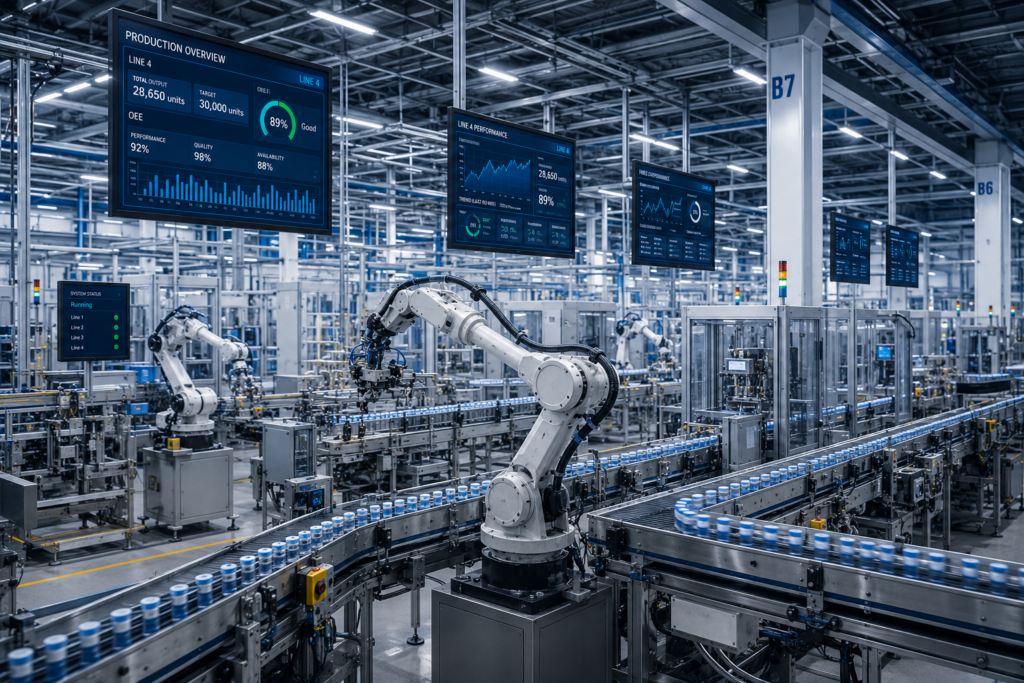
Ultimate Guide to Schneider Electric PLCs: Selecting Control Systems for Small to Medium Automation
- 〡 by WUPAMBO
Schneider Electric remains a dominant force in global industrial automation, delivering robust control systems across diverse sectors. For control engineers, selecting the right programmable logic controller (PLC) requires balancing budget, communication ports, and processing power. This technical breakdown explores Schneider’s small and medium portfolio, offering field-tested insights to help you optimize your next factory automation project.


