Siemens PLC Memory Structure: Understanding Load, Working, System, and Retentive Memory in Industrial Automation
- 〡
- 〡 by WUPAMBO
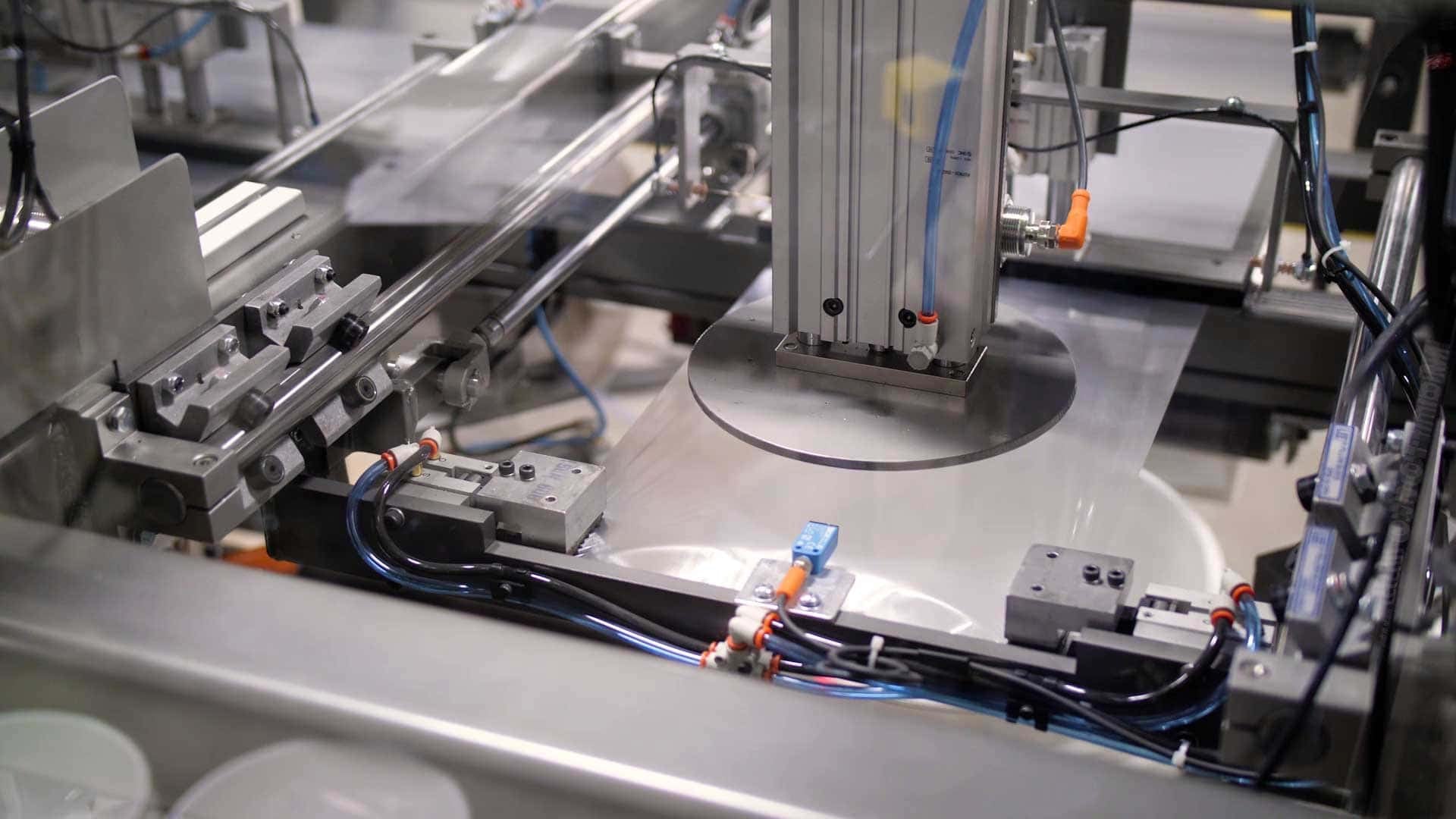
Memory Architecture in PLC-Based Control Systems
In modern industrial automation, programmable logic controllers rely on structured memory to execute control tasks. A PLC memory architecture determines how programs, process data, and system variables are stored and accessed.
Manufacturers such as Siemens design PLC platforms with optimized memory layers for reliable performance in factory automation and distributed control systems (DCS).
Understanding this structure helps engineers design efficient control systems, troubleshoot faults, and maintain stable industrial operations.
Basic Types of Electronic Memory Used in Automation Systems
Before analyzing Siemens PLC memory, it helps to review common memory technologies used in electronic control devices.
RAM: High-Speed Volatile Memory
Random Access Memory (RAM) stores data that processors access quickly during operation. The system can read or write data in any location without sequential access.
This capability improves execution speed in PLC programs and automation logic. However, RAM loses all stored data when power fails.
Therefore, automation devices often combine RAM with non-volatile storage.
ROM: Permanent Storage for System Data
Read-Only Memory (ROM) stores fixed information that cannot change during normal operation. Manufacturers typically place firmware or boot instructions in ROM.
This memory remains intact even when power shuts down. As a result, the system can restart reliably after interruptions.
EPROM: Reprogrammable Non-Volatile Memory
Erasable Programmable Read-Only Memory (EPROM) allows engineers to modify stored data. However, the process requires ultraviolet light exposure.
Because this method is complex and time-consuming, EPROM is rarely used in modern industrial PLC systems.
EEPROM: Electrically Reprogrammable Memory
Electrically Erasable Programmable Read-Only Memory (EEPROM) improves EPROM technology. Engineers can erase or update stored data using electrical signals.
However, EEPROM supports a limited number of write cycles. Therefore, engineers typically use it for configuration data rather than continuous updates.
Flash Memory: Modern PLC Storage Technology
Flash memory evolved from EEPROM technology. It allows fast electrical erasing and rewriting with many cycles.
Most modern PLC platforms use flash storage for firmware and program files. This technology provides reliability and high endurance for industrial environments.
Memory Organization in Siemens S7 PLC Systems
The Siemens S7 PLC platform organizes memory into several functional sections. Each section performs a specific role in program execution and data storage.
This structured architecture improves performance in complex industrial control systems.
Load Memory: Storage for PLC Programs
Load memory stores programs downloaded from engineering software to the PLC. This area contains user logic, configuration files, and system data.
Engineers typically transfer programs from engineering tools such as Siemens TIA Portal.
There are two main types of load memory.
Internal Load Memory
Older PLC models used internal RAM as load memory. This design required a backup battery to preserve program data during power failures.
Without battery protection, the PLC could lose its entire program.
External Load Memory
Modern Siemens SIMATIC controllers use external storage called the Micro Memory Card (MMC).
The MMC stores the PLC program and configuration files. In many systems, the CPU cannot start without this card installed.
This design improves data security and simplifies program backup.
Working Memory: Runtime Execution Area
Working memory stores the active part of the PLC program during operation. It functions similarly to RAM in a computer.
When the PLC runs a control cycle, it copies relevant program sections from load memory into working memory.
The CPU then executes instructions directly from this area. Therefore, working memory speed directly affects PLC performance.
In large factory automation systems, insufficient working memory can limit program complexity.
System Memory: Process Data Management
System memory manages internal variables used by the PLC during operation.
This area contains essential process elements such as:
Inputs
Outputs
Timers
Counters
Bit memory (flags)
These elements allow PLC programs to interact with sensors, actuators, and industrial machines.
As a result, system memory plays a critical role in real-time control systems.
Retentive Memory: Protecting Critical Process Data
Retentive memory preserves selected data during power loss. Engineers use this memory to store values that must survive system shutdown.
Examples include production counters, configuration parameters, and machine status information.
Without retentive memory, systems would reset these values after every restart.
Therefore, this feature is essential in industrial automation and continuous manufacturing processes.
Author Insight: Why PLC Memory Design Matters in Modern Automation
From practical experience in automation maintenance, memory management often affects system reliability.
Engineers sometimes overlook memory limits when developing PLC programs. However, complex PLC and DCS applications require careful planning.
For example, large batch processing systems often store thousands of parameters. Without sufficient retentive memory, critical data may disappear after power interruptions.
Modern PLC platforms continue improving memory performance to support Industry 4.0 applications, remote diagnostics, and data logging.
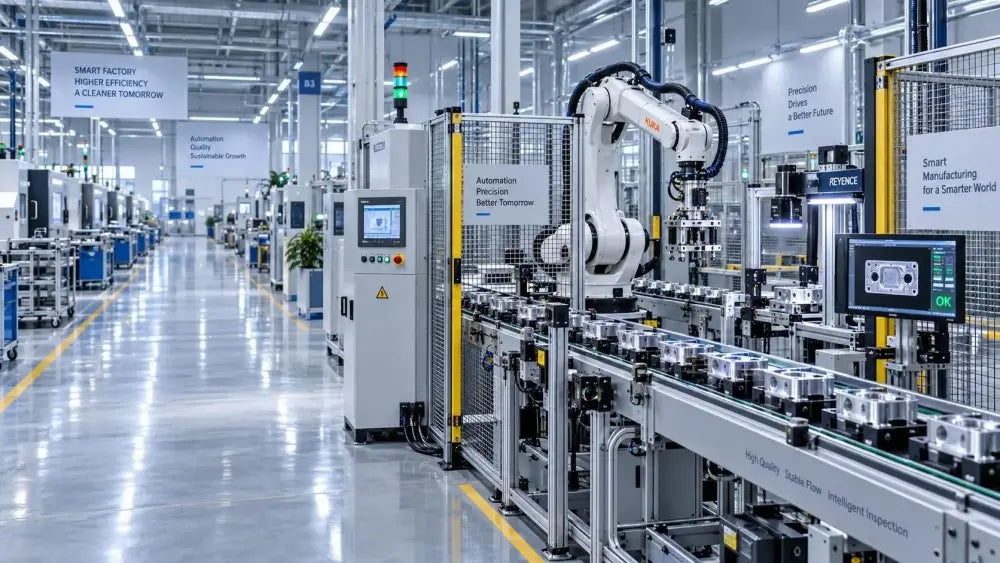
Application Scenario: PLC Memory in a Factory Automation Line
Consider a packaging production line controlled by a Siemens S7 PLC.
Load memory stores the full automation program. Working memory executes real-time logic for conveyors and robotic arms.
System memory tracks sensor inputs and motor outputs. Meanwhile, retentive memory stores production counts and machine calibration values.
If power fails, the PLC restarts without losing critical production data.
This architecture ensures stable operation in high-speed industrial manufacturing environments.
Conclusion
The memory structure of Siemens PLC systems forms the foundation of reliable industrial control.
By dividing memory into load, working, system, and retentive sections, PLCs manage programs and process data efficiently.
Understanding these memory layers helps engineers design better industrial automation systems, improve reliability, and reduce downtime.
As industrial systems become more connected and data-driven, efficient PLC memory architecture will remain essential for modern factory automation and control systems.