How to Ensure SCADA System Security in Industrial Automation
- 〡
- 〡 by WUPAMBO

Importance of SCADA Security
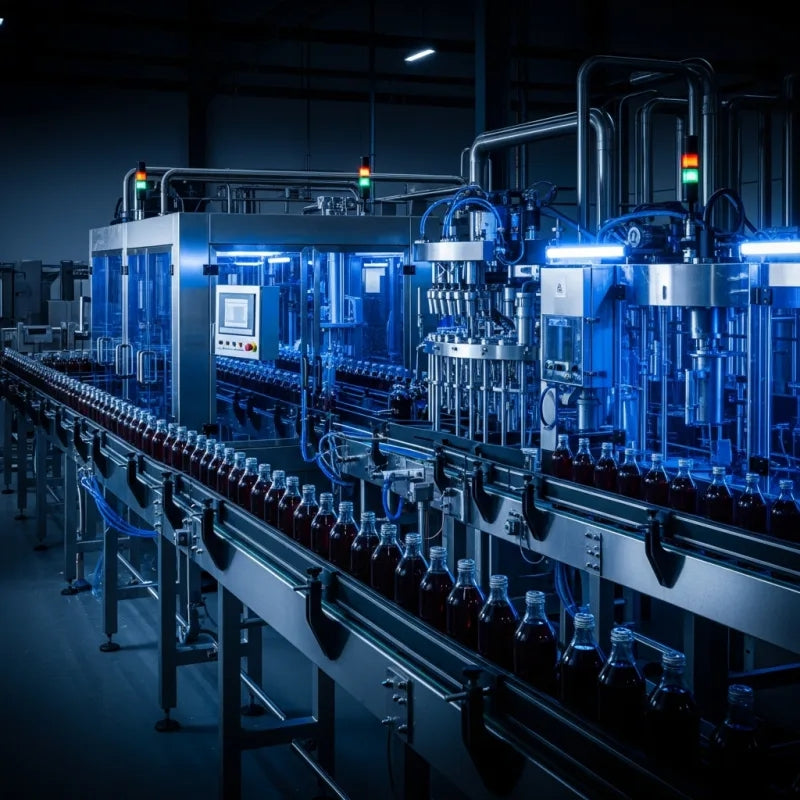
In modern industrial automation, SCADA systems control critical processes across utilities, manufacturing, and infrastructure. Ensuring their security protects operations, equipment, and personnel. Proper design and protection mitigate physical, environmental, and electronic threats.
Environmental and Physical Protection
SCADA hardware must be installed in secure enclosures to resist dust, moisture, chemicals, and extreme temperatures. Fire protection, including dry-agent or pre-action sprinkler systems, safeguards central control rooms. IP66 (EN 60529) or NEMA Type 4 enclosures are recommended for field devices.
Mitigating Electrical Threats
Voltage transients, lightning, switching surges, and ground potential differences can damage SCADA components. Implement Transient Voltage Surge Suppression (TVSS) on power and control circuits. Fiber optic links and optical isolation further reduce the risk of electrical interference.
Protection Against Radio-Frequency Interference (RFI)
Industrial environments often have strong electromagnetic sources. Use shielded cables, RFI-gasketed enclosures, and grounded conduit systems. Ensure unified grounding and bonding to prevent interference from affecting controllers, HMIs, and networked devices.
Electromagnetic Pulse (EMP) Defense
SCADA components are vulnerable to EMP events. Protect equipment with HEMP-shielded enclosures, waveguide filters, or optical/pneumatic signal transmission for devices outside shields. Proper penetration design ensures signal integrity while maintaining protection.
Physical Security Measures
Restrict access to SCADA rooms with locks, tamper switches, and surveillance. Use password-protected HMIs with multi-level access control. Raceways and conduits must resist unauthorized entry and prevent accidental or intentional damage.
Network Security and Data Protection
SCADA networks connected beyond the facility face hacking, eavesdropping, and DoS attacks. Minimize external connections. Apply encryption, one-way communication, and fiber optics. Regular software updates and access control strengthen cybersecurity.
Software Management and Documentation
Implement a Software Management and Documentation System (SMDS) to track configuration changes, software versions, and user actions. SMDS ensures consistency, supports restoration after failures, and prevents conflicts in PLC programs, HMI screens, and SCADA configurations.
Conclusion
SCADA security is essential for reliable industrial automation. Protecting hardware, networks, and software from environmental, electronic, and human threats ensures operational continuity and safety. A comprehensive strategy combines physical, electrical, and cybersecurity measures.
Application Scenarios
-
Power generation and distribution plants
-
Water and wastewater facilities
-
Oil and gas pipelines and refineries
-
Critical manufacturing lines with high safety requirements
- Posted in:
- control systems
- DCS
- EMP protection
- factory automation
- network protection
- PLC
- SCADA security