News
The Next Frontier of Industrial Automation: How Integrated Ecosystems Redefine Supply Chain Resilience
- 〡 by WUPAMBO
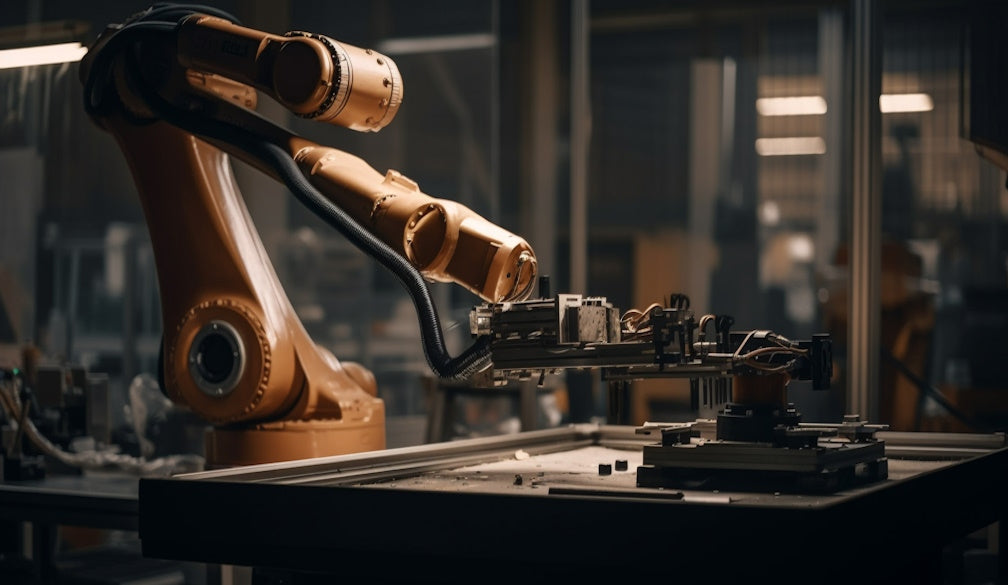
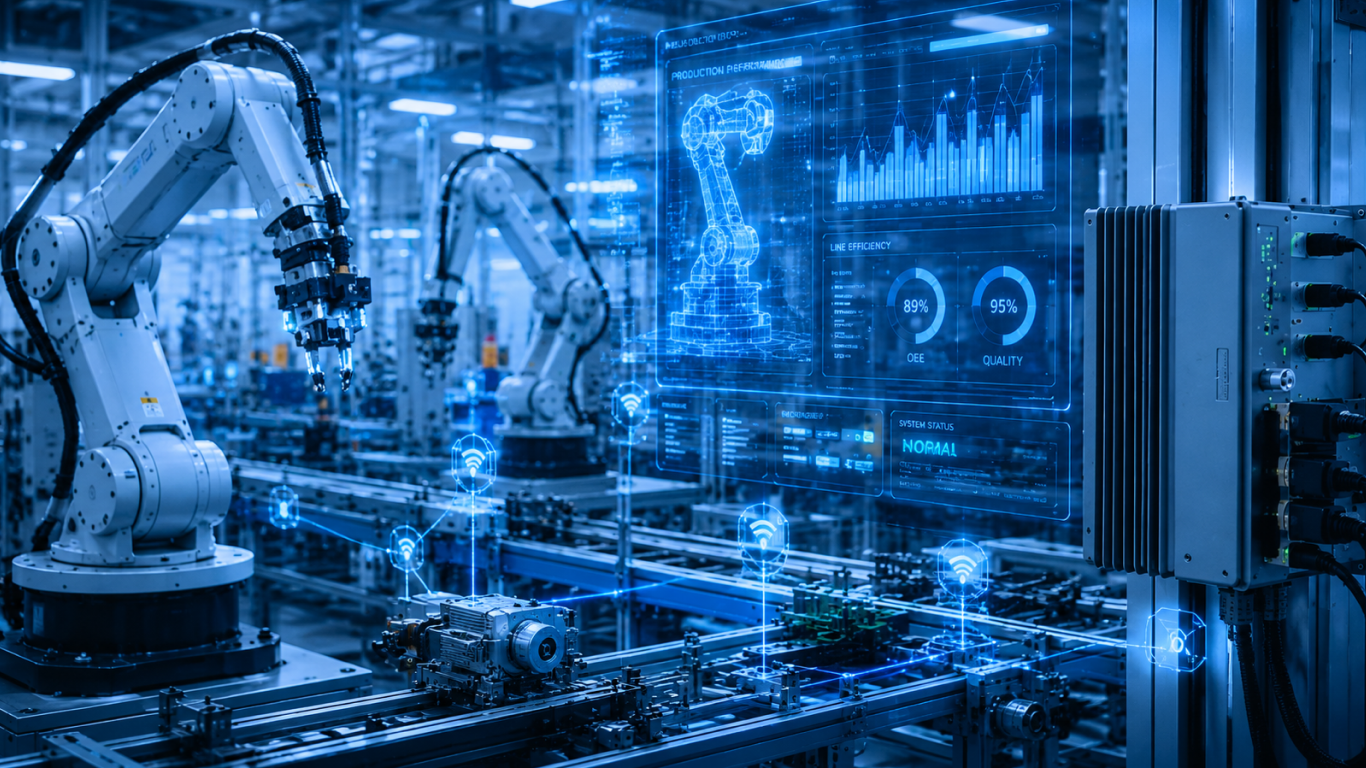
Global manufacturers face a major shift as traditional cost-chasing playbooks hit structural limits. Rising rents, infrastructure bottlenecks, and worker shortages plague emerging hubs. Today, competitive victory belongs to companies leveraging advanced factory automation, integrated control systems, and smart supply chain clusters.
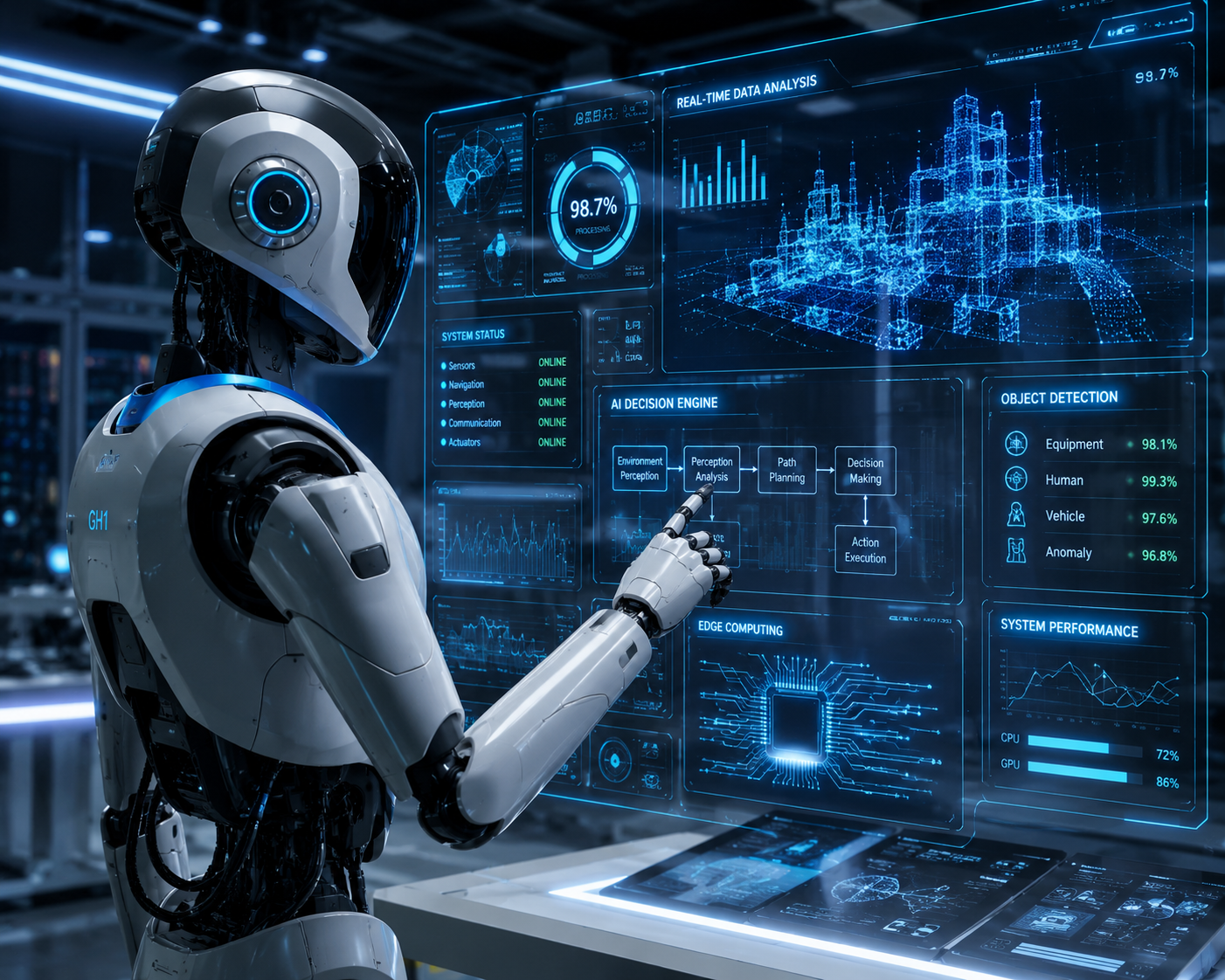
Why 24V DC is the Global Standard in Industrial Automation
- 〡 by WUPAMBO
In modern factory automation, you will find 24V DC power supplies powering the vast majority of instrumentation, control systems, and PLC I/O modules. While high-voltage AC remains necessary for heavy-duty motors and heaters, the low-voltage DC domain dominates the signaling and control landscape. Understanding why this standard exists is crucial for any automation professional.
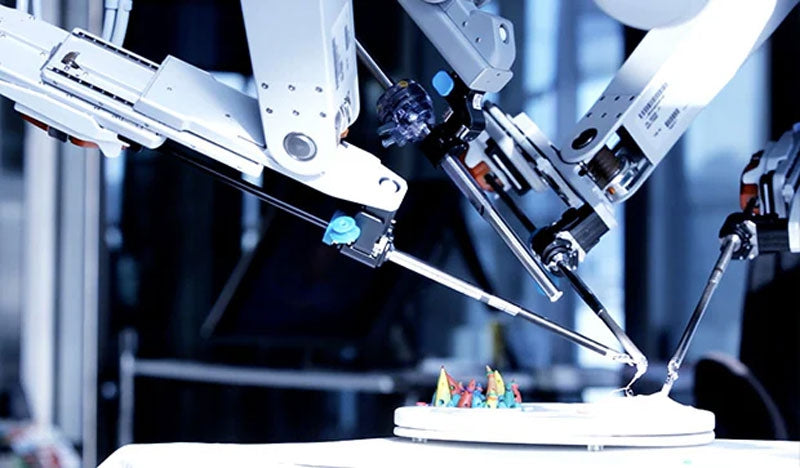
Wi-Fi vs. Industrial Wireless: Navigating Connectivity in Factory Automation
- 〡 by WUPAMBO
In the rapidly evolving landscape of industrial automation, wireless communication has become a pivotal technology. However, engineers must distinguish between standard Wi-Fi and industrial-grade wireless protocols. While both use radio frequencies, they serve fundamentally different purposes within control systems. Choosing the incorrect technology can jeopardize operational stability, safety, and data integrity.
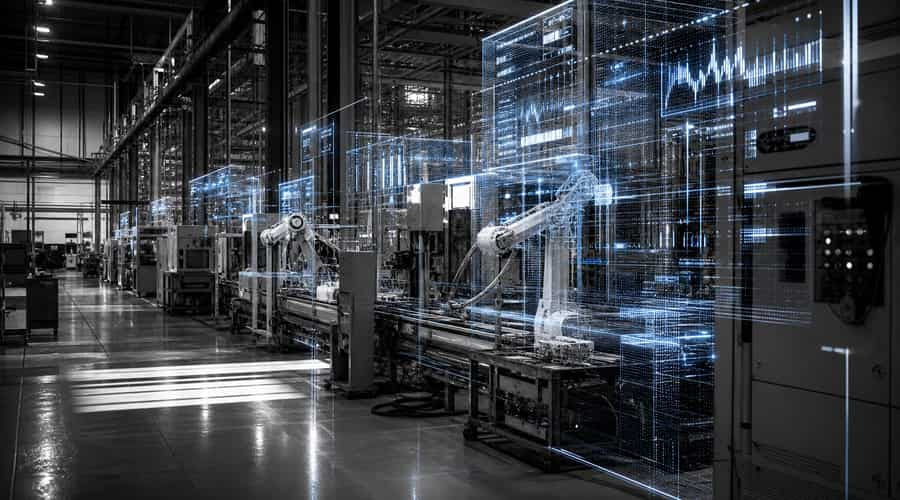
Fortifying Industrial Automation: Essential Cybersecurity Strategies for PLCs
- 〡 by WUPAMBO
In the modern landscape of factory automation, the convergence of Information Technology (IT) and Operational Technology (OT) has created unprecedented connectivity. While this evolution drives efficiency, it simultaneously exposes Programmable Logic Controllers (PLCs) to sophisticated cyber threats. Protecting these critical control systems is no longer optional; it is a fundamental requirement for operational continuity.

Troubleshooting PLC Systems: Decoding CPU Indicators for Faster Diagnostics
- 〡 by WUPAMBO
In large-scale industrial automation, downtime is costly. When a process stops, maintenance teams often struggle to distinguish between software logic errors and physical hardware failures. Fortunately, your PLC’s diagnostic LEDs provide an immediate, reliable window into the system's health. By learning to interpret these indicators, you can drastically reduce troubleshooting time and restore production efficiency.

Understanding Signal Integrity: Types of Noise in Industrial Electronics
- 〡 by WUPAMBO
In industrial automation, signal integrity determines the reliability of your control systems. A "pure" signal is the goal, yet electronic components are inherently prone to disturbances. This unwanted interference, known as noise, can corrupt data packets, trigger false trips in safety systems, or degrade the accuracy of instrumentation loops. Mastering the sources of this noise is essential for any engineer working with PLC, DCS, or sensitive field instrumentation.