Single-Board Computers Market Outlook 2026–2035: Edge AI and Industrial Automation Redefine the Future
- 〡
- 〡 by WUPAMBO

Introduction: A Decade of Transformation for the SBC Market
The global Single-Board Computers (SBC) market is entering a pivotal growth phase between 2026 and 2035. Once driven by hobbyists and education, it is now becoming a cornerstone of industrial automation, edge AI, and embedded computing. According to the latest insights from IndexBox, this evolution reflects a structural shift from experimentation to large-scale industrial deployment.
This change is fueled by three converging forces: the proliferation of AI at the edge, the expansion of the Industrial Internet of Things (IIoT), and the ongoing digitalization of manufacturing and logistics.
Edge AI Drives a New Wave of Industrial Computing
AI workloads are increasingly moving closer to the network edge, where latency and bandwidth are critical. As a result, compact SBCs equipped with dedicated AI accelerators and system-on-chip (SoC) architectures are becoming essential.
Manufacturers such as NVIDIA, Intel, and Texas Instruments now design SBCs capable of running machine learning inference locally, supporting vision, robotics, and real-time control tasks.
From an engineering standpoint, edge AI adoption is transforming how industrial control systems handle decision-making. Instead of relying solely on cloud processing, localized compute nodes can analyze sensor data instantly—improving efficiency and safety.
Industrial Automation Leads the Demand Curve
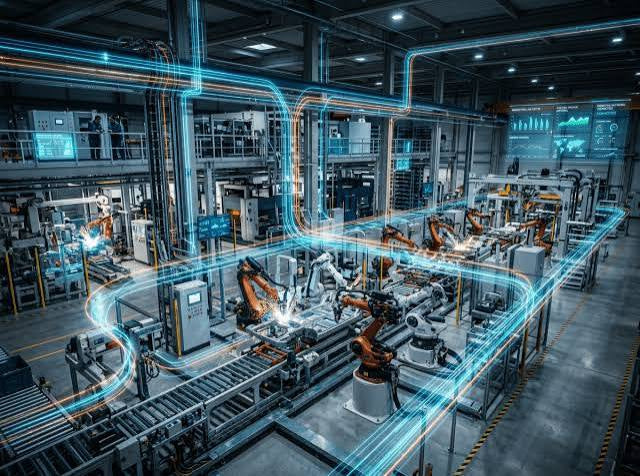
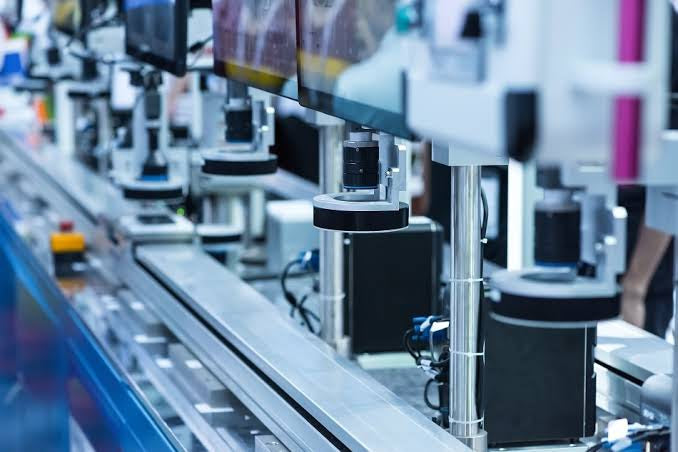
Industrial automation remains the dominant growth engine, projected to account for over one-third of total SBC demand by 2035. Modern factory automation increasingly depends on distributed intelligence—SBCs embedded in PLC, HMI, and gateway roles.
This transition aligns with Industry 4.0 and Industry 5.0 frameworks, which emphasize flexibility, human-machine collaboration, and data-driven optimization.
In practical deployment, engineers prefer SBCs with extended temperature ranges, vibration resistance, and certifications such as UL, CE, and IEC. As manufacturing plants modernize, the need for pre-certified, long-lifecycle boards becomes critical for minimizing downtime.
Embedded IoT and Consumer Integration
Beyond the factory floor, SBCs play a vital role in embedded IoT and connected devices. From smart agriculture to digital retail, SBCs serve as compact, energy-efficient control cores.
Moreover, advances in wireless connectivity—such as Wi-Fi 7, Bluetooth 5.4, and 5G RedCap—enable these devices to operate seamlessly across distributed environments.
As the IoT ecosystem expands, design efficiency is key. Integrating security modules, modems, and power management into a single board reduces cost and simplifies OEM production. However, the author notes that for ultra-high-volume products, custom modules may still replace off-the-shelf SBCs to optimize cost structures.
Robotics and Autonomous Systems Accelerate Growth
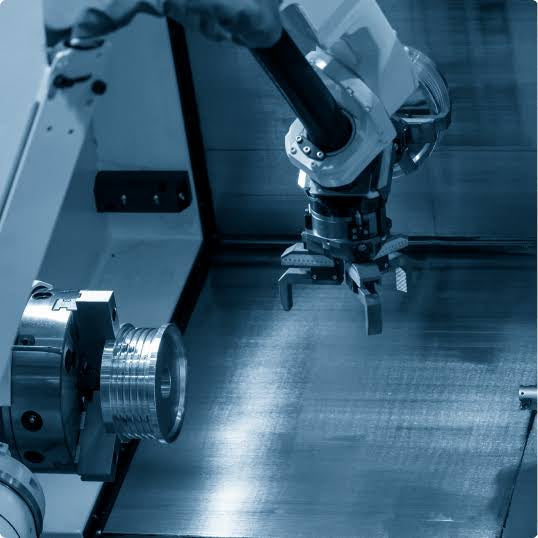
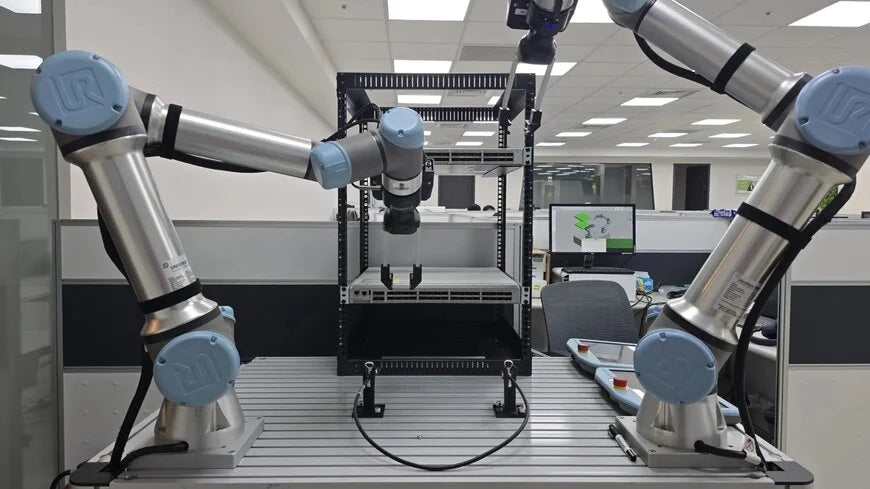
In robotics, SBCs act as the “nervous system” for drones, AGVs, and collaborative robots. Their real-time processing capabilities support sensor fusion, motion planning, and environment mapping.
The market shows a shift toward boards combining CPU, GPU, and NPU architectures, allowing robots to perceive and act autonomously.
Manufacturers like NVIDIA, Qualcomm, and AMD have introduced robotics-focused SBCs optimized for low latency and extended runtime.
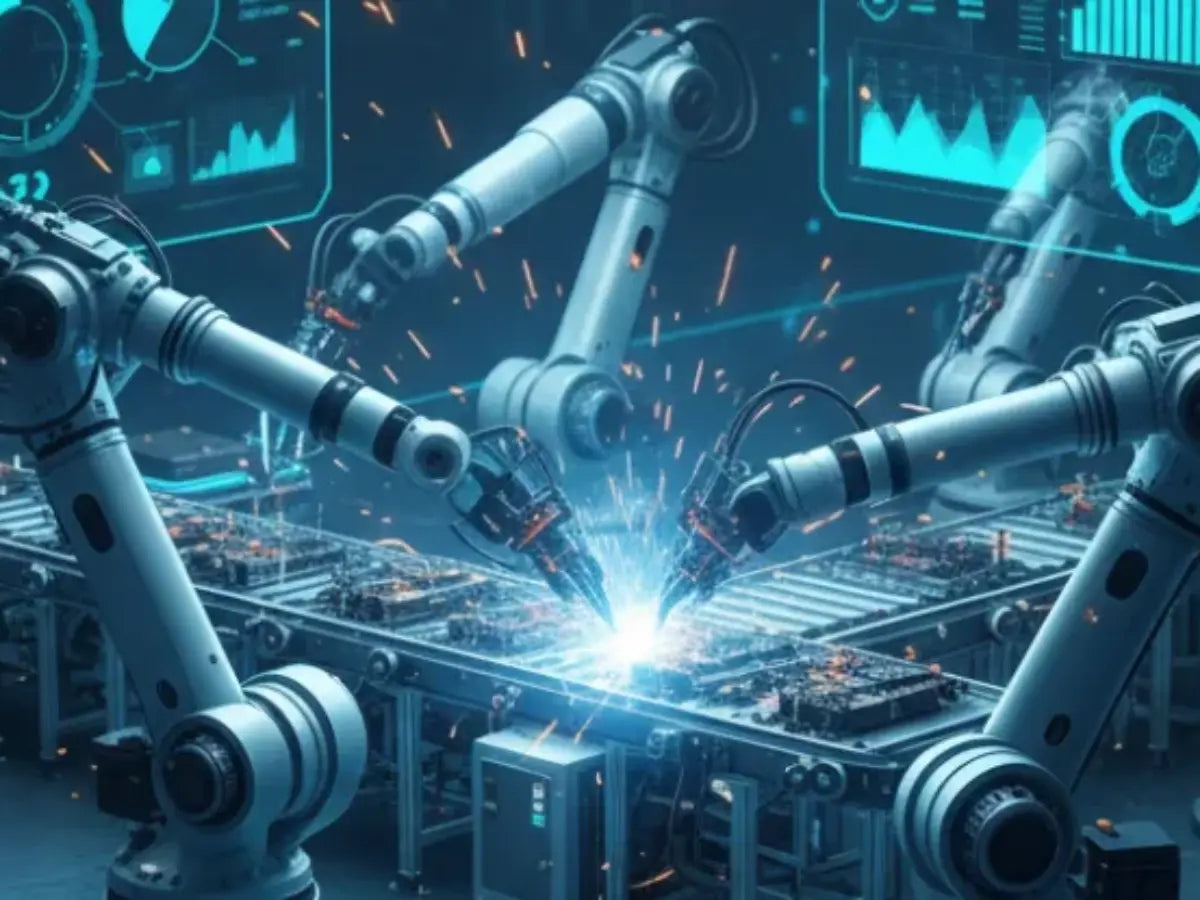
In the author’s view, this convergence between AI and robotics will define the next decade of industrial control systems, where machines learn and adapt locally rather than relying on remote data centers.
Digital Signage and Media Applications Remain Stable
The digital signage segment continues to adopt SBCs for interactive kiosks and dynamic advertising platforms. As content moves toward 8K resolution and real-time analytics, boards must handle video decoding, audience tracking, and secure cloud connectivity simultaneously.
Furthermore, SBCs with hardware-based security and remote management features are now preferred for continuous 24/7 operation. These capabilities align with the growing demand for smart retail and connected hospitality solutions.
Market Challenges and Strategic Outlook
Despite strong fundamentals, the SBC market faces notable challenges. Semiconductor supply volatility, increased design complexity, and cybersecurity risks could constrain growth.
Nevertheless, the underlying drivers—automation, connectivity, and intelligent edge processing—remain robust.
To succeed, vendors must:
-
Secure reliable semiconductor partnerships and long-term supply agreements.
-
Maintain open-source collaboration while offering industrial-grade customization.
-
Align product roadmaps with evolving industrial automation standards.
From an industry perspective, these strategies distinguish vendors who thrive from those who lag in an increasingly competitive market.
Application Scenarios and Real-World Use Cases
1. Smart Factories: SBCs deployed in distributed control networks for predictive maintenance and machine vision.
2. Energy and Utilities: Embedded control for substation automation and condition monitoring.
3. Transportation and Logistics: Real-time edge AI for fleet tracking and warehouse robotics.
4. Retail and Hospitality: Intelligent kiosks, payment terminals, and digital signage endpoints.
These applications highlight how SBCs serve as the connective tissue of digital transformation across industries.
Conclusion: Intelligent Edge Computing Redefines Industrial Control
The coming decade marks a paradigm shift in computing—from centralized architectures to intelligent, decentralized nodes powered by SBCs.
Their combination of compact design, low power consumption, and AI-ready performance positions them as a cornerstone of future industrial automation and factory control systems.
As industrial engineers, we must recognize that the SBC revolution is not just about smaller computers—it’s about smarter infrastructure enabling resilient, efficient, and data-driven operations.
- Posted in:
- control systems
- edge AI
- embedded computing
- factory automation
- IIoT
- industrial IoT
- robotics
- SBC market
- single-board computer