












Product Details
Overview
The Allen-Bradley 1797-BIC is a bus isolator module designed for FLEX I/O and FLEX Ex configurations, enabling intermixed systems that combine intrinsically safe (IS) and non-intrinsically safe modules. It allows modules to be mounted on DIN rails while maintaining galvanic isolation, ensuring safe and cost-effective integration across hazardous and safe areas.
This module is ideal for applications where FLEX Ex I/O and communication adapters require separation or when physical space constraints exist in industrial control systems.
Technical Specifications
I/O Module Capacity
-
Supports up to 8 FLEX Ex modules
Indicators
-
Power LED: Green when the module is powered
Isolation
-
Flexbus to Flexbus: Galvanic isolation per DIN EN 60079-11
-
Flexbus Slave Side to Power Supply: Galvanic isolation per DIN EN 60079-11
Power Requirements
-
Supply Voltage: 18–32 V DC @ 0.15 A
-
Maximum Input Voltage (Um): 253 V AC
-
Power Dissipation: 2.1 W
-
Thermal Dissipation: 7.2 BTU/hr
Intrinsic Safety Certification
-
Module Type: [Ex ib] IIC certified
Electrical Connections
-
Maximum Conductor Size: 4 mm² (12 AWG) stranded
-
Maximum Insulation Thickness: 1.2 mm (3/64 in)
Environmental Ratings
-
Operating Temperature: −20 to 70 °C (−4 to 158 °F)
-
Storage Temperature: −40 to 85 °C (−40 to 185 °F)
-
Relative Humidity: 5–95%, non-condensing
-
Shock: 30 g, 11 ms pulse width (operating & non-operating)
-
Vibration: 5 g, 10–500 Hz per IEC 68-2-6
Mechanical Dimensions
-
Size: 94 × 75 × 87 mm
-
Weight: ~200 g
Key Features
-
Supports intermixed IS and non-IS FLEX I/O modules
-
Galvanic isolation ensures system safety in hazardous environments
-
DIN rail mounting for flexible installation
-
Certified intrinsically safe for use in explosive atmospheres
-
Compact design minimizes panel space requirements
-
LED indicators provide immediate operational status
Applications
-
Hazardous area process control
-
Distributed control systems combining IS and non-IS modules
-
FLEX Ex I/O communication networks
-
Safety-critical industrial automation systems
Additional Information
- 100% Genuine Parts: All products are original and authentic, ensuring reliable industrial performance.
- 30-Day Refund Guarantee: Return any in-stock item within 30 days in original, unopened packaging for a full refund (excluding shipping and fees).
- 12-Month Warranty: Covers defects in materials or workmanship; excludes misuse, normal wear, or unauthorized modifications.
- Worldwide Shipping: We ship via USPS, UPS, FedEx, and DHL. Delivery times vary by country and may be subject to customs or import fees.
- Support & Contact: Technical and warranty assistance is available anytime. Contact us here: Contact.
- Purchase Guidance: Check product specifications and compatibility carefully before ordering to ensure proper application.
Tech & Buying Guide
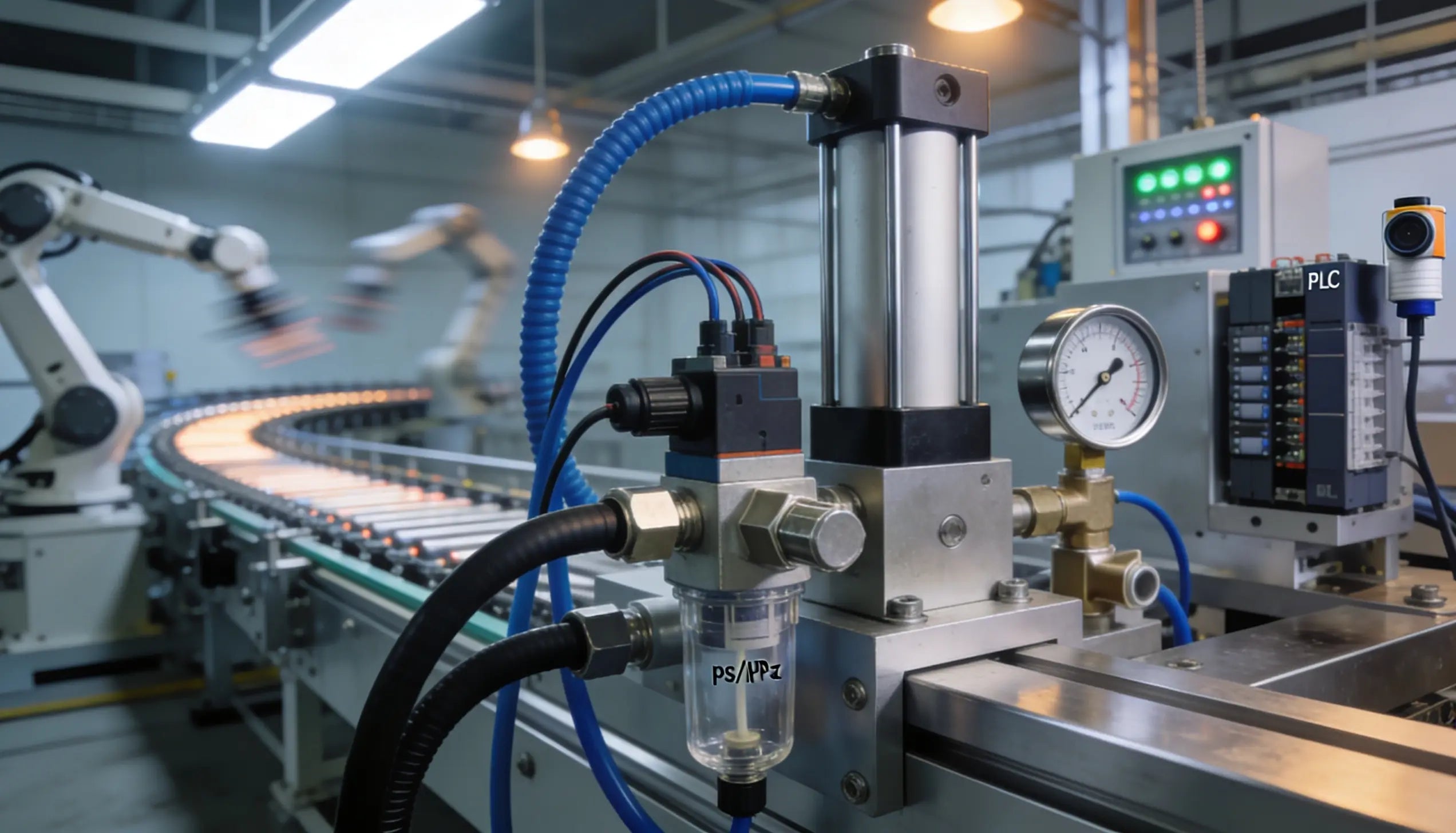
PLC vs. PAC: Navigating Selection in Modern Industrial Automation
Selecting the right controller is a fundamental decision in industrial automation. While the lines between Programmable Logic Controllers (PLC) and Programmable Automation Controllers (PAC) often blur, understanding their core architectural differences is essential for system reliability. Both controllers serve as the brain of control systems, yet their specific capabilities dictate their suitability for various factory automation tasks.
Transforming Textile Manufacturing: The Strategic Integration of Industrial Automation and AI
The textile industry stands at a critical technological crossroads. Legacy operations must now embrace digital transformation to remain competitive in a global market. By integrating advanced industrial automation—ranging from PLC-controlled machinery to sophisticated AI-driven analytics—manufacturers can significantly boost productivity, minimize material waste, and elevate overall product quality.
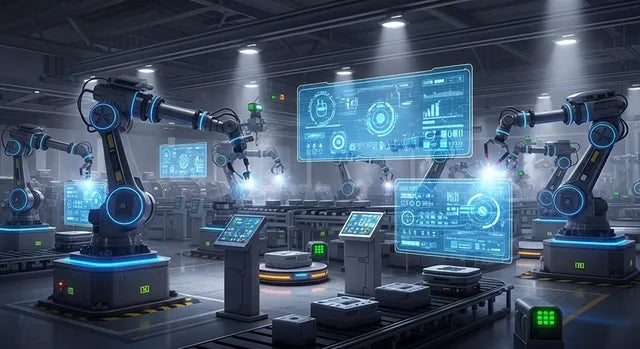
Navigating Industrial Communication Protocols: A Technical Guide for Modern PLCs
In the realm of industrial automation, the Programmable Logic Controller (PLC) serves as the brain of the factory floor. However, its true power is unlocked through robust communication protocols. These digital pathways ensure seamless data exchange between controllers, sensors, and enterprise-level management systems.