










Product Details
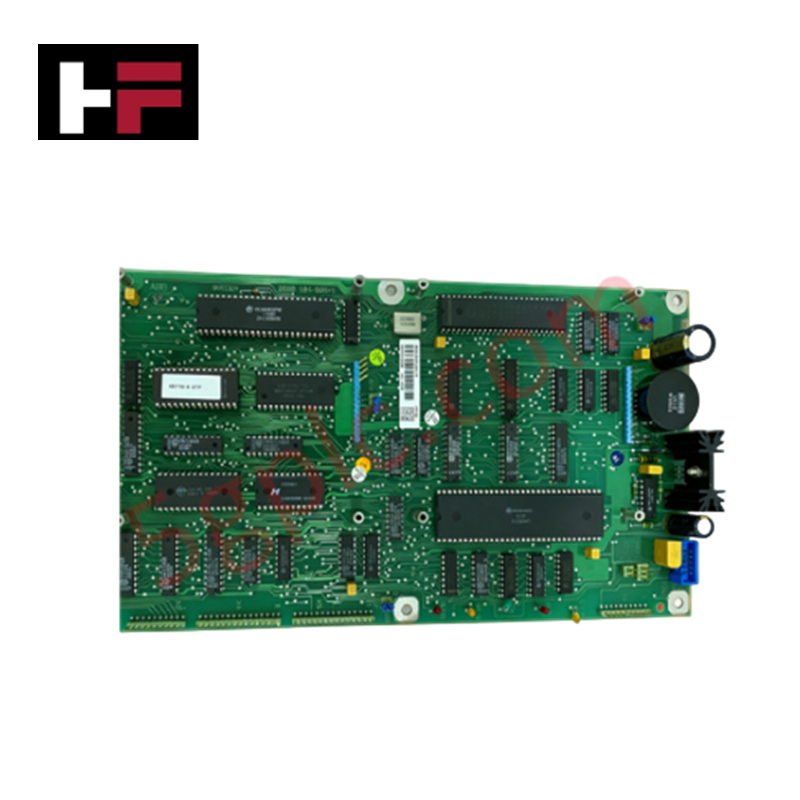
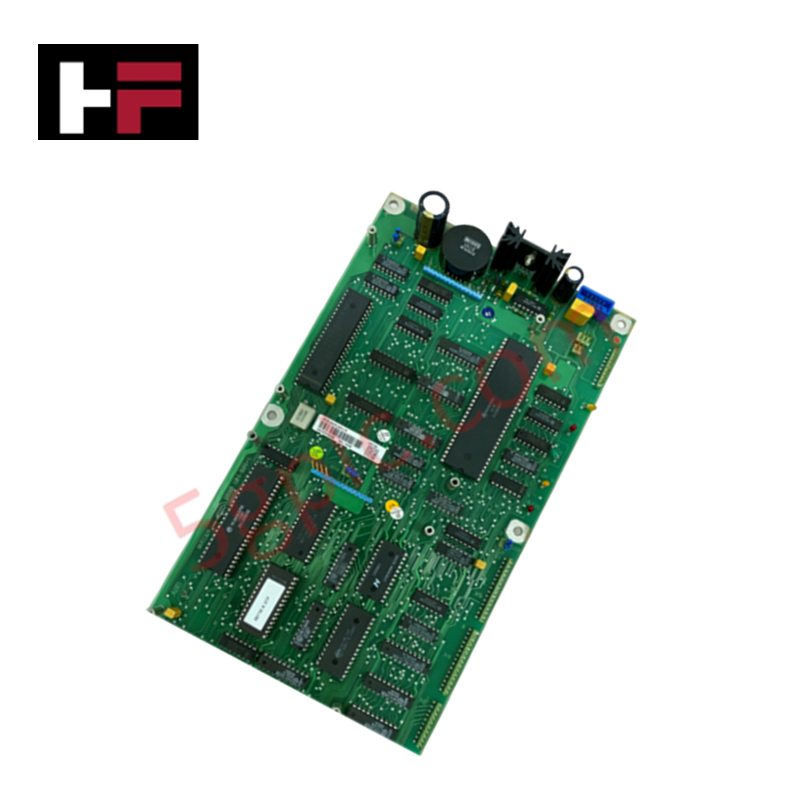
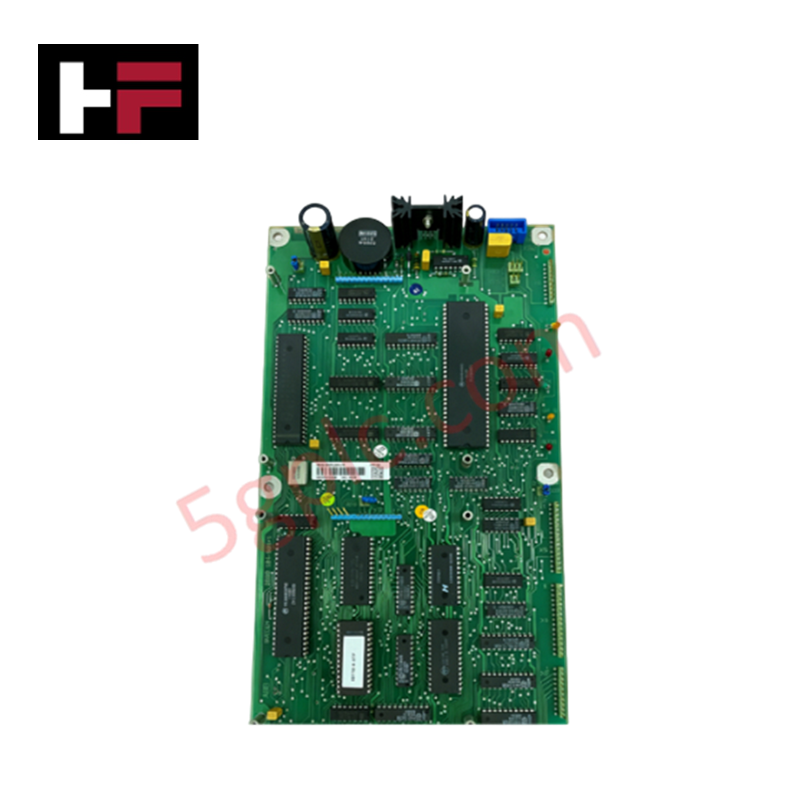
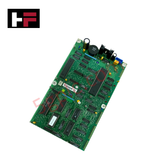
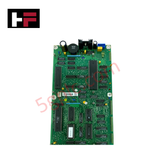
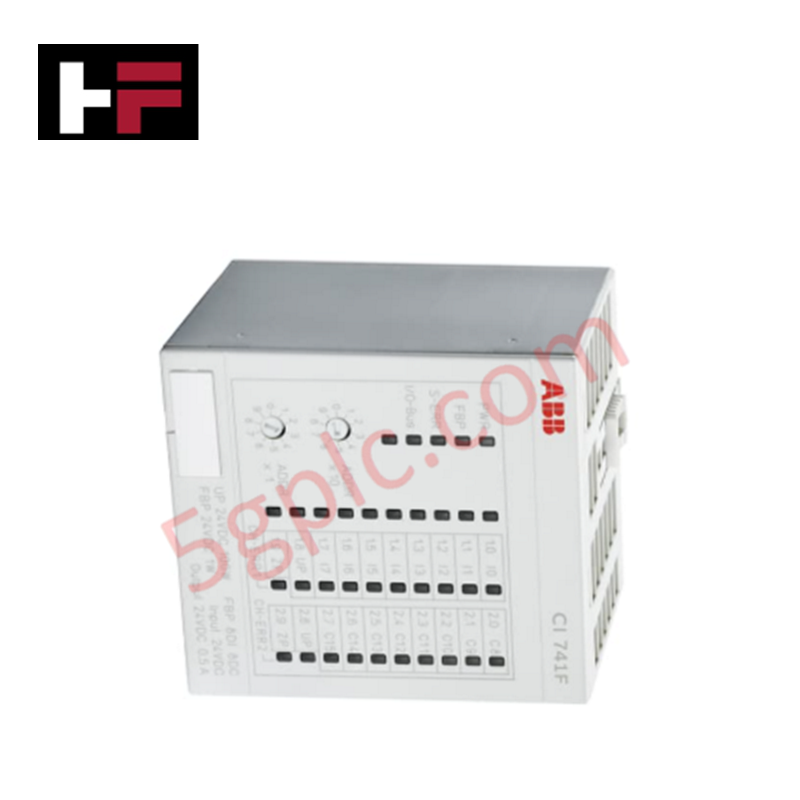
The ABB YPK110E, also cataloged as the YPK110E Parallel Bus Communication Slave Module, serves as the primary YPK110E Parallel Bus Communication Slave Module utilized to execute distributed data acquisition and industrial signal routing across ABB automation platforms.
Hardware Specifications
| Parameter | Specification |
| Model | YPK110E (Part Number: YT204001-FH) |
| Brand | ABB |
| Origin | Sweden / Switzerland |
| Weight | 0.85 kg (Standard module baseline) |
| Dimensions | Standard rail / rack footprint |
| Operating Temp | -20 to +60 deg C (Standard industrial parameters) |
| Power Consumption | Standard internal logic draw via bus |
| Memory Capacity | 256 KB |
| Digital Inputs | 16 channels |
| Digital Outputs | 16 channels |
| Communication Interfaces | Ethernet, RS485 |
| Supported Protocols | Multiple industrial fieldbus protocols |
Deterministic Networks and I/O Density Scaling
The device physical layer architecture is optimized for high-speed deterministic networks, maintaining real-time propagation across the parallel bus topology. The 16 integrated digital input and 16 digital output channels deliver fixed I/O density scaling, ensuring simultaneous processing of discrete field data without inducing cycle time degradation. Hardware framing over the Ethernet and RS485 communication lines ensures predictable message delivery intervals, executing remote terminal operations without compromising backplane arbitration priorities or causing bus synchronization drops.
Frequently Asked Questions
Q: What are the network isolation capabilities across the Ethernet and RS485 communication channels?
A: The onboard physical interfaces are designed with standard galvanic isolation boundaries to protect internal processing units against common-mode voltage fluctuations and ground loop currents.
Q: How is the 256 KB memory allocation managed during power cycle operations?
A: The 256 KB memory non-volatile segment retains configuration parameters and protocol mapping tables. Field state structures undergo automatic initialization upon backplane bus recovery.
Q: Does the unit support online hot-swap capabilities within a live parallel bus network?
A: Removal or insertion under power is constrained by the primary backplane rack rules. The slave module must be isolated from active field power distribution rails prior to physical extraction to prevent signal line glitches.
Field Installation Guidelines
-
Enclosure and DIN-Rail Mounting: Install the hardware unit onto a standard grounded rail structure. Ensure all latching mechanisms engage fully to guarantee mechanical stability under continuous industrial vibration.
-
Signal Line Separation: Separate high-voltage AC execution wiring from low-voltage DC input/output and communication lines within the wire ducts to prevent electromagnetic cross-talk.
-
Shield Termination: All RS485 and Ethernet serial links must utilize shielded twisted-pair cables. Ground the cable shields at a single point near the entry terminal block to eliminate high-frequency noise injection.
-
Thermal Dissipation Clearances: Maintain standard vertical and horizontal physical clearance gaps inside the cabinet housing to permit natural airflow across the chassis ventilation slots.
Additional Information
- 100% Genuine Parts: All products are original and authentic, ensuring reliable industrial performance.
- 30-Day Refund Guarantee: Return any in-stock item within 30 days in original, unopened packaging for a full refund (excluding shipping and fees).
- 12-Month Warranty: Covers defects in materials or workmanship; excludes misuse, normal wear, or unauthorized modifications.
- Worldwide Shipping: We ship via USPS, UPS, FedEx, and DHL. Delivery times vary by country and may be subject to customs or import fees.
- Support & Contact: Technical and warranty assistance is available anytime. Contact us here: Contact.
- Purchase Guidance: Check product specifications and compatibility carefully before ordering to ensure proper application.






Tech & Buying Guide

Mastering the Siemens PLC Scan Cycle: How the CPU Executes Automation Programs
Industrial automation relies heavily on programmable logic controllers (PLCs) to manage complex manufacturing processes. Many engineers dive straight into programming without mastering the underlying architecture. However, understanding how a PLC CPU executes a program ensures reliable system design. Therefore, mastering the scan cycle optimizes both performance and troubleshooting in modern control systems.

How to Connect to Siemens S7 PLCs: 5 Essential Communication Methods
Establishing a reliable hardware link between a programming terminal and a Siemens SIMATIC controller is essential for engineering workflows. Field engineers rely on distinct physical layers, ranging from legacy serial connections to high-speed Industrial Ethernet protocols. Modern factory automation environments prioritize fast data transfer and seamless driver integration. Selecting the correct connection method simplifies program downloads, online monitoring, and system troubleshooting in complex control systems.

Will PLCs Become Obsolete? The Future of Control Systems in Industry 4.0
Modern manufacturing is undergoing a rapid technological transformation driven by Industry 4.0 innovations. Technologies like Artificial Intelligence (AI), Machine Learning (ML), and the Industrial Internet of Things (IIoT) are dominating discussions across the factory automation sector. Consequently, many engineers wonder if these advanced digital tools will eventually replace traditional Programmable Logic Controllers (PLCs). However, evaluating the core physics of industrial operations reveals a very different reality for control systems.