Will PLCs Become Obsolete? The Future of Control Systems in Industry 4.0
- 〡
- 〡 by WUPAMBO
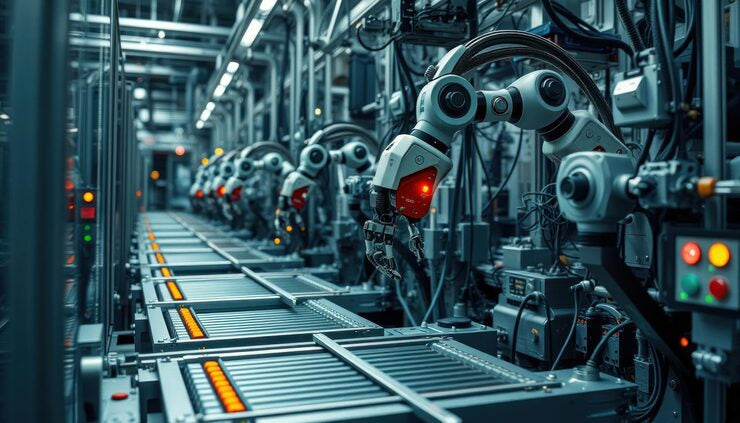
Industrial Automation Facing Digital Transformation
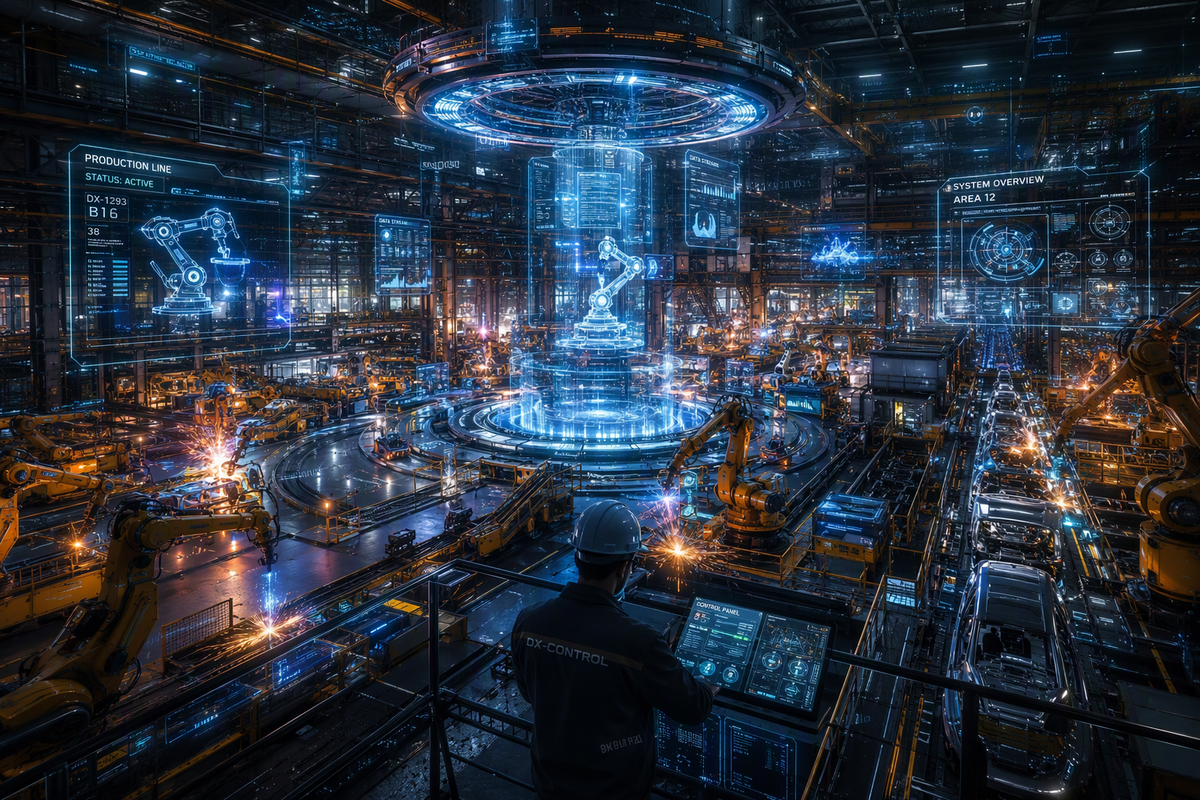
Modern manufacturing is undergoing a rapid technological transformation driven by Industry 4.0 innovations. Technologies like Artificial Intelligence (AI), Machine Learning (ML), and the Industrial Internet of Things (IIoT) are dominating discussions across the factory automation sector. Consequently, many engineers wonder if these advanced digital tools will eventually replace traditional Programmable Logic Controllers (PLCs). However, evaluating the core physics of industrial operations reveals a very different reality for control systems.
The Fundamental Function of Control Systems
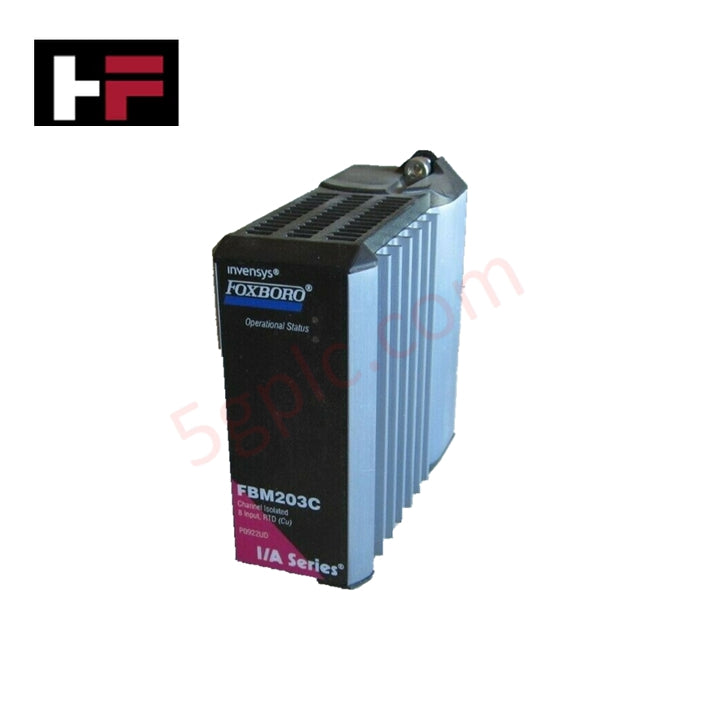
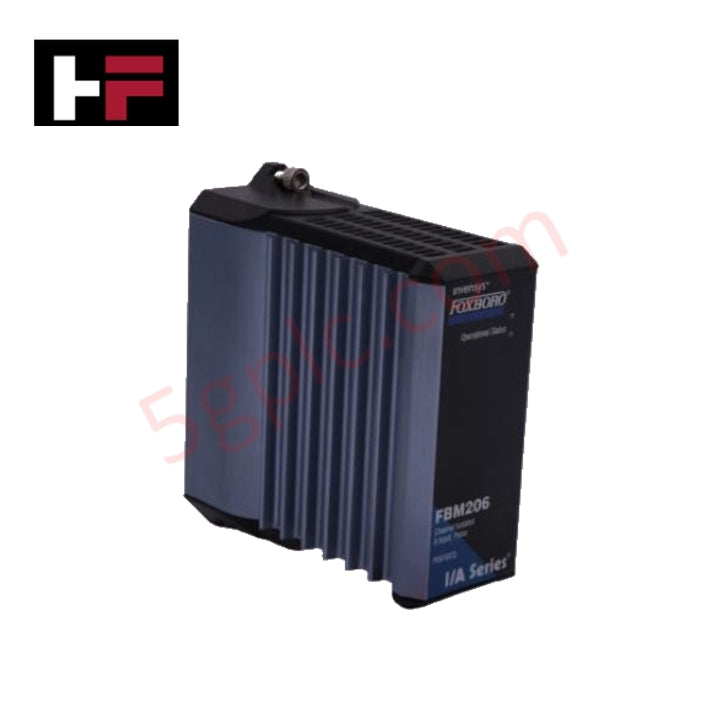
To understand why PLCs remain indispensable, consider a standard physical operation in factory automation. Starting an industrial electric motor requires closing a physical circuit to energize a contactor coil. Software algorithms can decide when to run the motor, but physical control hardware must issue the actual voltage signal. PLCs serve as robust, industrial-grade switching networks equipped with advanced computing and input/output (I/O) signal processing capabilities.
Industrial Hardening Versus Standard Computing
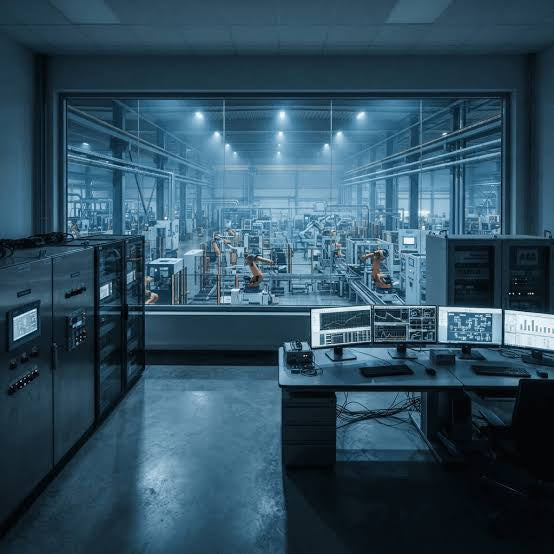
A standard personal computer or cloud server cannot survive harsh plant environments. Industrial automation hardware must withstand extreme temperatures, electromagnetic interference, physical shock, and continuous vibration. Standard IT platforms lack deterministic real-time execution guarantees, which are vital for plant safety and process control. PLCs utilize purpose-built architectures designed specifically to meet international standards such as IEC 61131 for dependable control logic.
Why AI and IIoT Need PLCs
Advanced AI models and IIoT platforms excel at high-level data computation and predictive maintenance analytics. Moreover, machine learning algorithms can optimize production schedules and detect equipment anomalies before failures occur. However, these software solutions rely entirely on underlying PLC hardware to collect field data and execute physical control commands safely. Industry 4.0 technologies enhance legacy control hardware rather than eliminate it.
Author Insight: The Evolution Toward Hybrid Architectures
In my 15 years of field experience across power plants and manufacturing sites, controllers are not disappearing; they are evolving. Modern control platforms are morphing into Programmable Automation Controllers (PACs) and Edge Controllers that blend traditional IEC 61131-3 logic with native MQTT communications, Linux environments, and edge computing. Rather than replacing the PLC, digital transformation is embedding smarter capabilities directly into ruggedized control hardware.
Practical Application: Smart Conveyor Sorting System
Consider a high-speed distribution center utilizing an AI-driven vision system to sort parcels. The AI algorithm analyzes camera feeds in real time to identify parcel destinations. Once identified, the cloud software sends high-level routing decisions down to an on-site PLC. The PLC then manages the precise microsecond timing, pneumatics, and motor drives required to actuate the physical diverter arm safely without jamming the line.
About the Author
Zhang Wei is a Senior Industrial Automation Specialist with over 15 years of hands-on engineering experience in PLC, DCS, TSI, and power protection systems. Throughout his career across Asia and global industrial markets, he has designed, commissioned, and optimized control architectures for large-scale power generation and manufacturing facilities. He frequently publishes technical whitepapers and industry insights on smart manufacturing and control system convergence.
- Posted in:
- control systems
- DCS
- factory automation
- Industrial Automation
- PLC