










Product Details
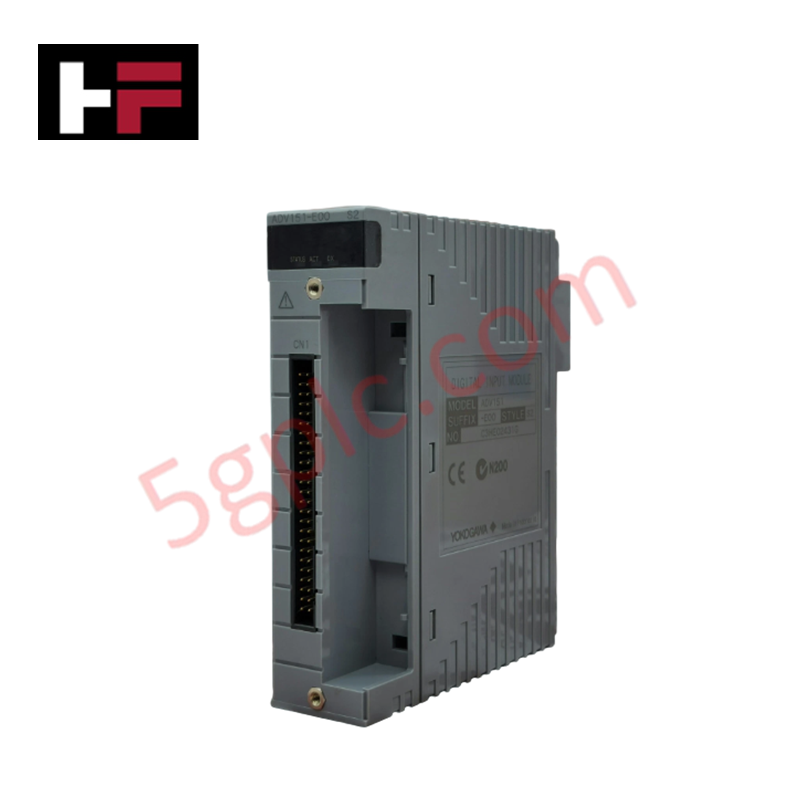
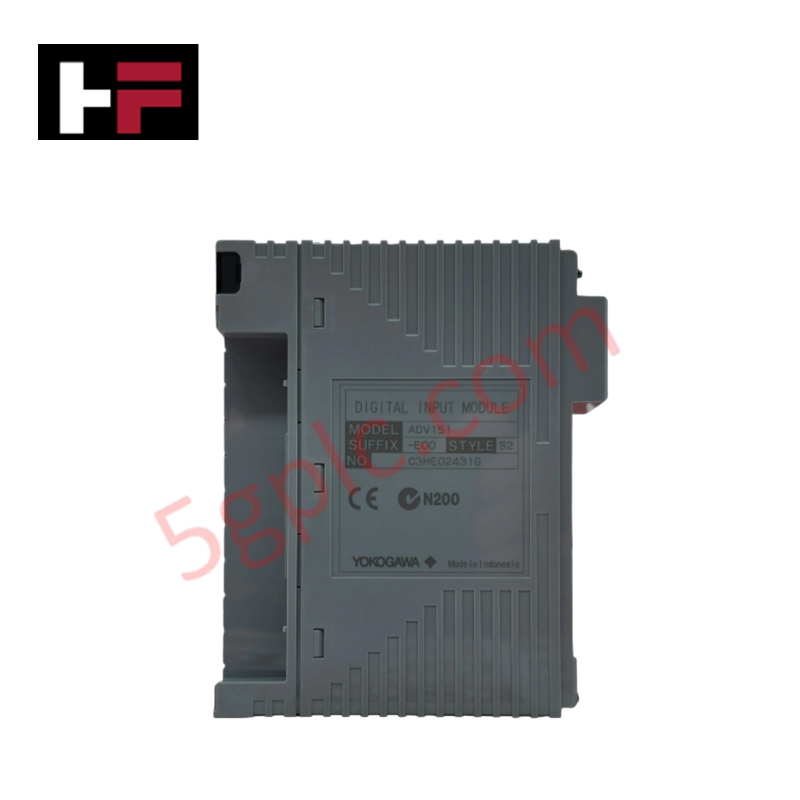
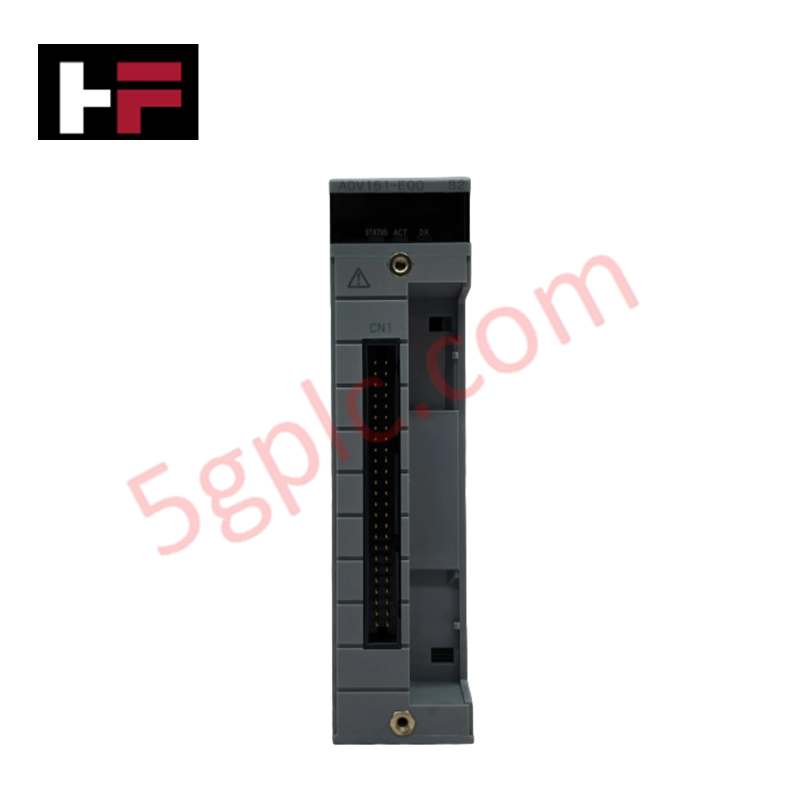
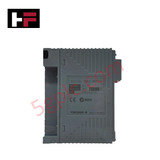
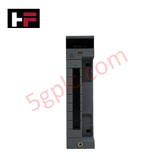
Configured for 32-channel binary signal acquisition in Yokogawa Centum CS and Centum VP control systems, the YOKOGAWA ADV151-E00 S2 (ADV151 Digital Input Module) provides direct physical/electrical execution.
Hardware Specifications
| Parameter | Specification |
|---|---|
| Model | ADV151-E00 S2 |
| Brand | YOKOGAWA |
| Origin | Japan |
| Weight | Approx. 0.3 kg |
| Dimensions | 12.7 cm x 2.5 cm x 12.7 cm |
| Operating Temp | -20 to +60 deg C |
| Power Consumption | 2.4 W max |
| Number of Channels | 32 (isolated) |
| Input Type | Digital / Binary switch input |
| System Compatibility | Yokogawa Centum CS, Centum VP |
Channel-to-Channel Electrical Isolation & Field Noise Immunity
The ADV151-E00 S2 incorporates galvanically isolated signal channels to prevent ground loop currents and field-side electrical transients from propagating into the internal DCS backplane bus. The module utilizes optical isolation barriers across all 32 discrete inputs to guarantee channel-to-channel isolation and backplane protection. This isolation architecture filters out common-mode voltage spikes, electromagnetic interference, and potential field wiring ground potential differences, maintaining deterministic signal processing performance within process control environments.
Frequently Asked Questions
Q: Can the ADV151-E00 S2 digital input module be hot-swapped during active system operation?
A: Yes, the module supports online hot-swapping within compatible Yokogawa Centum CS and Centum VP I/O nodes, provided the field terminal block is safely decoupled or field power precautions are observed in accordance with system safety standards.
Q: What is the primary function of channel isolation on this module?
A: Electrical isolation isolates field switch signals from sensitive backplane control logic, preventing transient voltage spikes, noise coupling, and potential differences between field field wiring grounds from interfering with system logic processing.
Field Installation Guidelines
- Power down the I/O rack section or verify intrinsic safety and hot-swap authorization protocols prior to inserting the module into the backplane slot.
- Align the module circuit board strictly with the plastic guide rails on the Centum I/O card cage to avoid pin damage on the rear backplane connector.
- Push the module firmly into position until the top and bottom mounting latch mechanisms click securely into place.
- Ensure field wiring cable shields are grounded at a single designated system earth point to prevent ground loop formation across field switch contacts.
- Verify that field supply voltage ranges match the module input terminal configuration prior to energizing the field circuits.
Additional Information
- 100% Genuine Parts: All products are original and authentic, ensuring reliable industrial performance.
- 30-Day Refund Guarantee: Return any in-stock item within 30 days in original, unopened packaging for a full refund (excluding shipping and fees).
- 12-Month Warranty: Covers defects in materials or workmanship; excludes misuse, normal wear, or unauthorized modifications.
- Worldwide Shipping: We ship via USPS, UPS, FedEx, and DHL. Delivery times vary by country and may be subject to customs or import fees.
- Support & Contact: Technical and warranty assistance is available anytime. Contact us here: Contact.
- Purchase Guidance: Check product specifications and compatibility carefully before ordering to ensure proper application.




Tech & Buying Guide

Redefining Control Systems: The Rise of Flexible I/O Modules in Industrial Automation
Conventional input-output architectures often limit engineering agility and inflate long-term inventory costs. Today, Flexible Input/Output Modules (FIOM) are transforming how control system engineers design, commission, and maintain automation infrastructure. By allowing individual channel software configuration, FIOM technology bridges the gap between rigid hardware design and dynamic plant requirements.
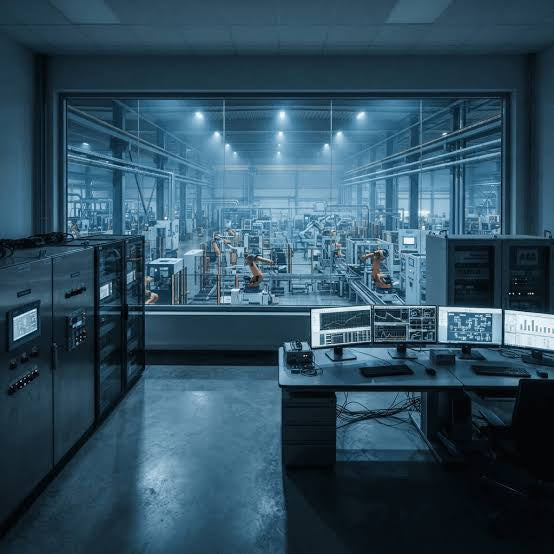
Understanding Modern SCADA Systems: Architecture, Communication Topologies, and Industrial Applications
Supervisory Control and Data Acquisition (SCADA) systems form the digital backbone of modern industrial automation. They collect critical field data, transmit signals across vast distances, and empower plant operators with real-time process visibility. Across modern infrastructures, SCADA solutions streamline centralized control and maintain continuous operational uptime.
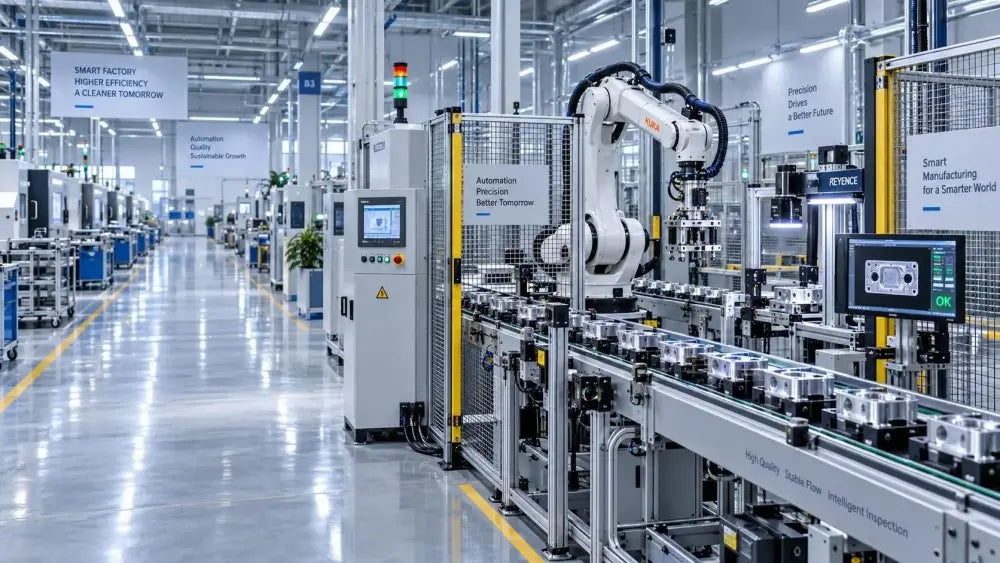
Understanding OPC Servers in Modern Industrial Automation: Principles, Architecture, and Applications
In industrial automation, connecting physical hardware with high-level software remains a primary operational challenge. Factories utilize programmable logic controllers (PLCs), distributed control systems (DCS), human-machine interfaces (HMIs), and smart sensors from diverse vendors. These devices often speak different proprietary protocols. Open Platform Communications (OPC) servers solve this interoperability challenge by standardizing how data flows across factory networks.