










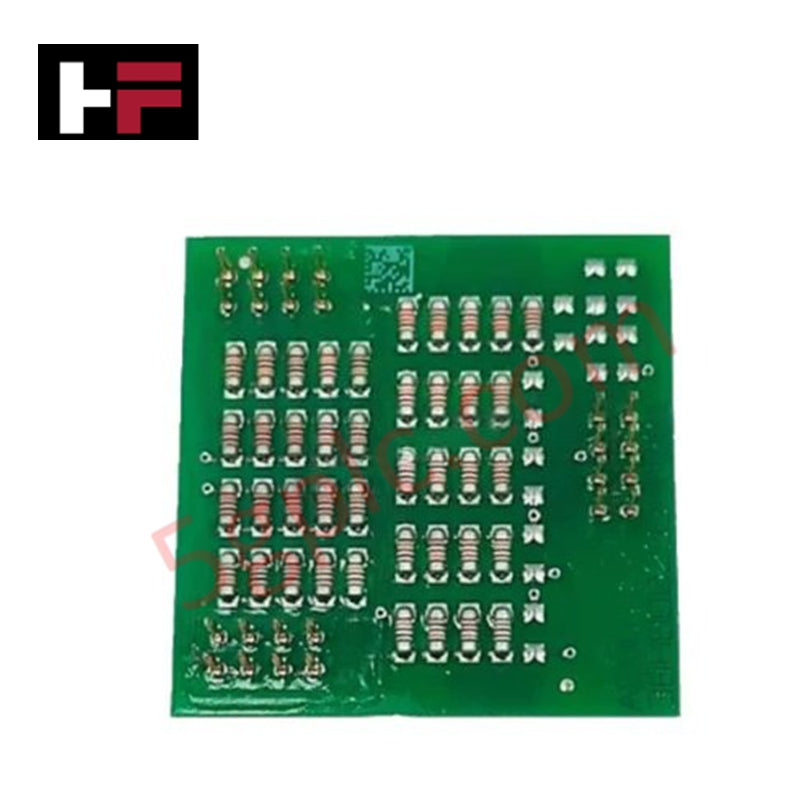
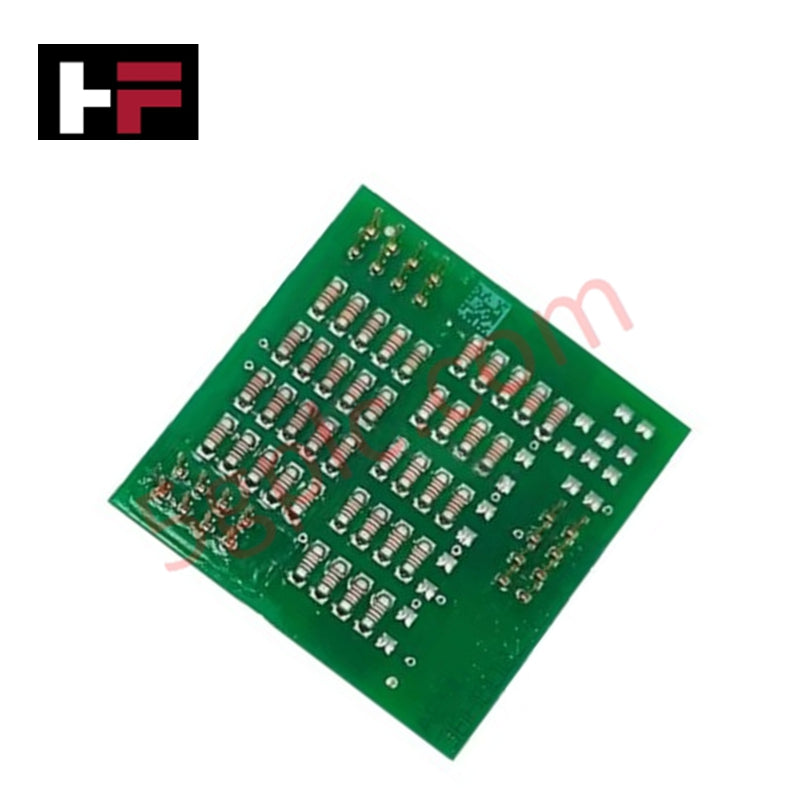
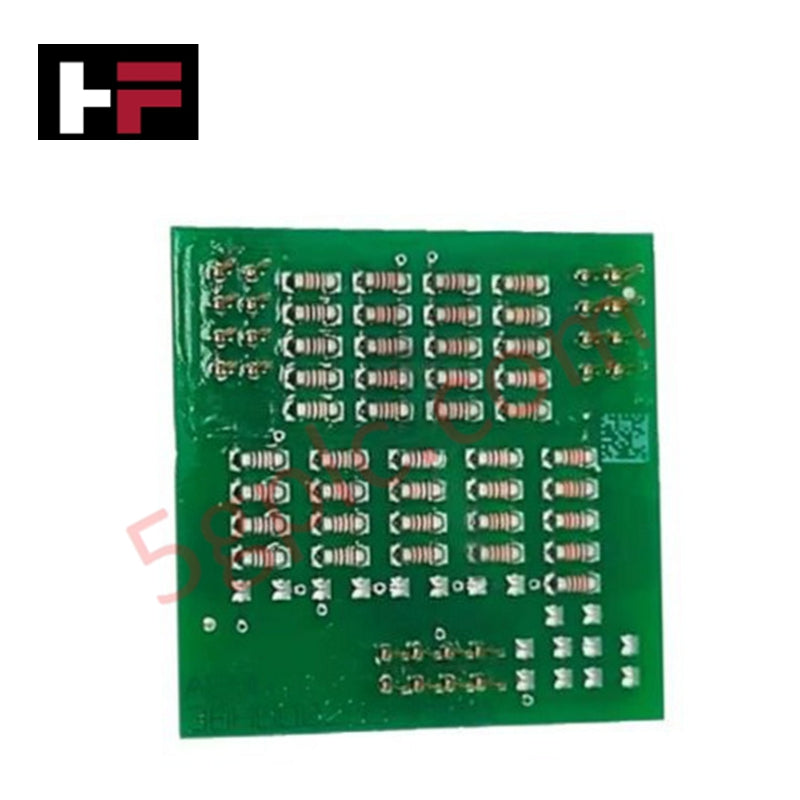
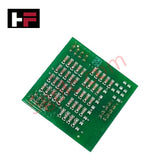
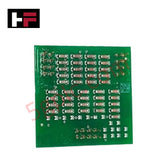
Product Details
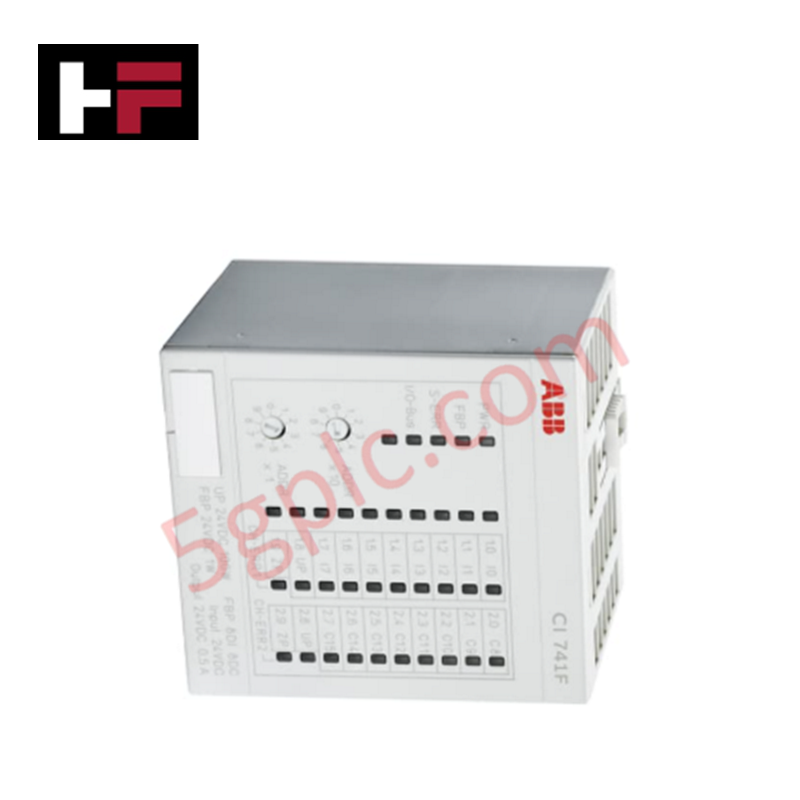
The ABB XVC768116, also cataloged as the XVC768116 Programmable Controller Module, operates as a dedicated hardware component for localized logic processing and high-current digital output execution within Advant OCS and AC800M control systems. The hardware directly drives electronic and inductive loads via solid-state transistor switching channels, processing system commands through integrated communication interfaces. It evaluates internal logic algorithms to execute automated real-time output states based on network variables without upstream controller intervention.
Hardware Specifications
| Parameter | Specification |
|---|---|
| Model | XVC768116 |
| Brand | ABB |
| Origin | Sweden |
| Weight | 0.5 kg |
| Dimensions | 250 mm x 160 mm x 120 mm |
| Operating Temp | 0 to +55 deg C |
| Power Consumption | 15 W |
| Part Number | 3BHE007211R116 |
| Output Type | Solid-state transistor (PNP sourcing / NPN sinking) |
| Output Current Rating | 2.0 A per channel continuous |
| Communication Interfaces | Ethernet, RS485 |
| System Compatibility | Advant OCS, AC800M, S800 I/O |
I/O Density Scaling and Firmware Flash Compatibility
The hardware architecture interfaces with the backplane bus to execute high-density digital operations. During module replacement or system scaling, firmware flash compatibility must be verified between the module base and the active controller cluster to ensure proper memory allocation. Proper configuration alignment prevents backplane bus latency errors, allowing the system to maintain optimal I/O density scaling across extended S800 industrial platforms without risking signal degradation or cycle-time execution jitter.
Frequently Asked Questions
Q: What are the backplane electrical current constraints when deploying multiple modules?
A: Total current consumption through the internal backplane bus scales with the active channel count. Exceeding the maximum power rail limitations of the terminal base requires the installation of additional power distribution extensions to prevent hardware safety trips.
Q: Can the solid-state transistor outputs execute hot-swap maneuvers during live operation?
A: Hot-swap actions are governed by the specific terminal base assembly rules. The module logic supports insertion under power, but external field power paths connected to the 2.0 A channels must be isolated to avoid inductive voltage spikes across the backplane connectors.
Q: How is channel-to-channel isolation maintained when mixing inductive and resistive loads?
A: The module relies on optical decoupling barriers to separate internal control logic from the output driving stages. To prevent thermal overloads from inductive kickback, external freewheeling diodes are required when switching high-current solenoid coils continuously.
Field Installation Guidelines
Mount the unit vertically within an enclosure that satisfies local environmental shielding demands. Secure all connections to the integrated terminal blocks, adhering to standard industrial wire-gauge and stripping specifications to minimize electrical terminal resistance. Ensure all signal wiring for the RS485 and Ethernet communication loops is routed through dedicated, isolated trays away from high-voltage alternating current supply conductors to eliminate electromagnetic cross-talk. Maintain standard air gap boundaries around the perimeter of the 250 mm x 160 mm x 120 mm chassis to permit convective thermal stabilization.
Additional Information
- 100% Genuine Parts: All products are original and authentic, ensuring reliable industrial performance.
- 30-Day Refund Guarantee: Return any in-stock item within 30 days in original, unopened packaging for a full refund (excluding shipping and fees).
- 12-Month Warranty: Covers defects in materials or workmanship; excludes misuse, normal wear, or unauthorized modifications.
- Worldwide Shipping: We ship via USPS, UPS, FedEx, and DHL. Delivery times vary by country and may be subject to customs or import fees.
- Support & Contact: Technical and warranty assistance is available anytime. Contact us here: Contact.
- Purchase Guidance: Check product specifications and compatibility carefully before ordering to ensure proper application.






Tech & Buying Guide

Mastering the Siemens PLC Scan Cycle: How the CPU Executes Automation Programs
Industrial automation relies heavily on programmable logic controllers (PLCs) to manage complex manufacturing processes. Many engineers dive straight into programming without mastering the underlying architecture. However, understanding how a PLC CPU executes a program ensures reliable system design. Therefore, mastering the scan cycle optimizes both performance and troubleshooting in modern control systems.

How to Connect to Siemens S7 PLCs: 5 Essential Communication Methods
Establishing a reliable hardware link between a programming terminal and a Siemens SIMATIC controller is essential for engineering workflows. Field engineers rely on distinct physical layers, ranging from legacy serial connections to high-speed Industrial Ethernet protocols. Modern factory automation environments prioritize fast data transfer and seamless driver integration. Selecting the correct connection method simplifies program downloads, online monitoring, and system troubleshooting in complex control systems.

Will PLCs Become Obsolete? The Future of Control Systems in Industry 4.0
Modern manufacturing is undergoing a rapid technological transformation driven by Industry 4.0 innovations. Technologies like Artificial Intelligence (AI), Machine Learning (ML), and the Industrial Internet of Things (IIoT) are dominating discussions across the factory automation sector. Consequently, many engineers wonder if these advanced digital tools will eventually replace traditional Programmable Logic Controllers (PLCs). However, evaluating the core physics of industrial operations reveals a very different reality for control systems.