










Product Details
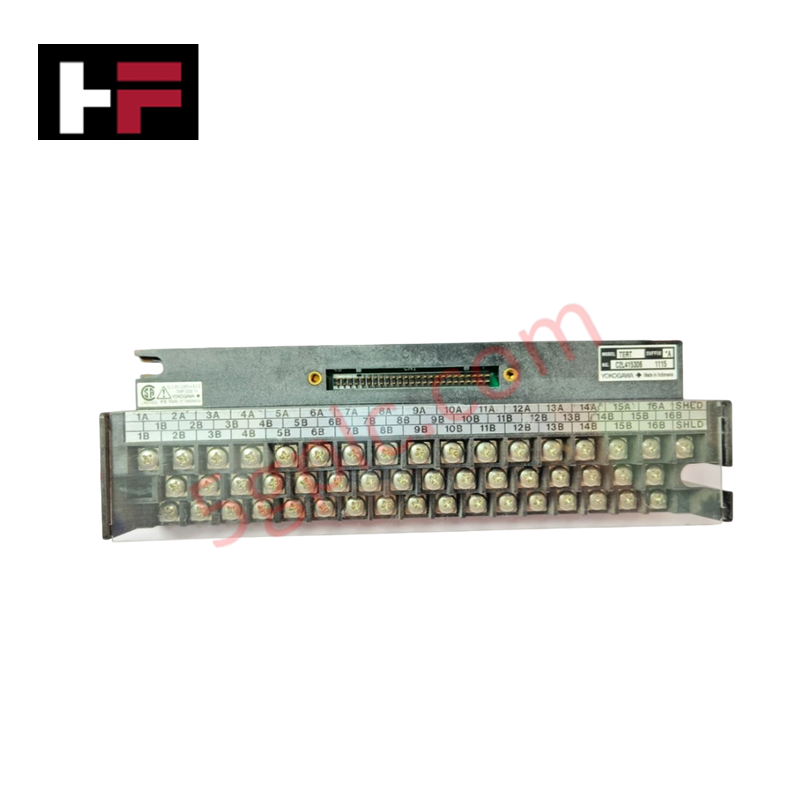
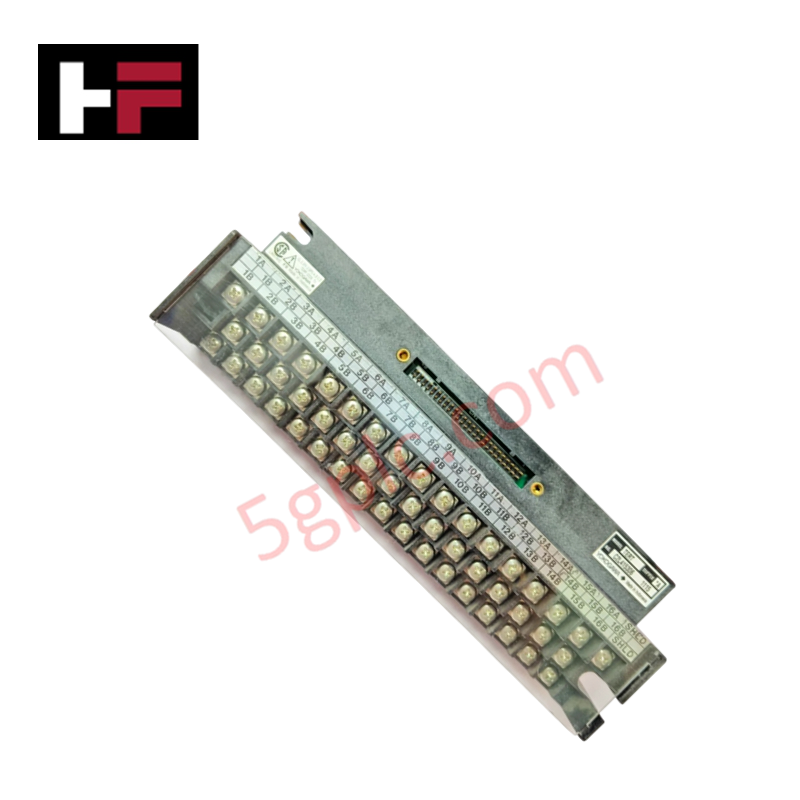
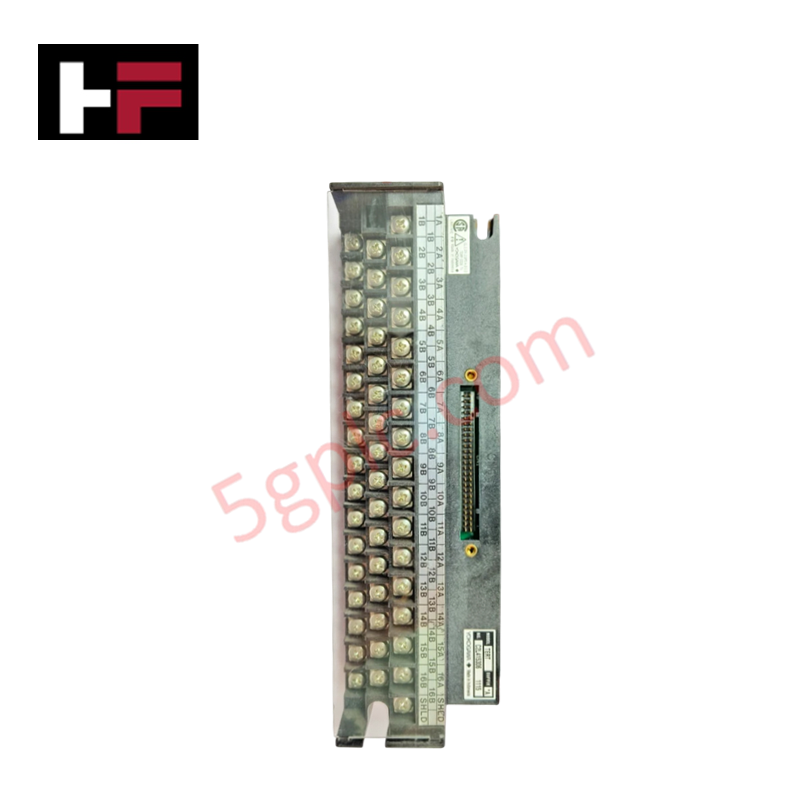
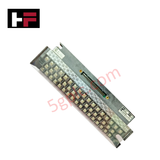
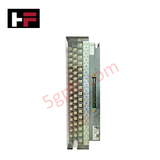
The Yokogawa TERT*A, also cataloged as the TERT Terminal Block, operates as a dedicated hardware component for 16-point RTD signal termination within CENTUM DCS platform assemblies.
Hardware Specifications
| Parameter | Specification |
|---|---|
| Model | TERT*A |
| Brand | Yokogawa |
| Origin | Japan |
| Style Code | *A (Style A) |
| Contact Point | 16 Points |
| Terminal Type | M4 Screws |
| Insulation Resistance | At least 100 Mohm (500 V DC) |
| Withstanding Voltage | 500 V AC |
| Weight | 4.00 kg (Shipping Weight) |
| Dimensions | Standard Rack-Mount Terminal Assembly |
| Operating Temp | 0 to 50 deg C (5 to 90 %RH Non-Condensing) |
| Power Consumption | Passive Component |
Yokogawa Cold Junction Compensation & Signal Integrity
Yokogawa temperature acquisition assemblies rely on stable terminal block connections to preserve signal accuracy. The internal conductor layout maintains isolated field wire paths to suppress noise during resistance temperature detector (RTD) processing. Operating in tandem with cold junction compensation (CJC) references and 4-20 mA HART loop protocol wiring, the module maintains robust insulation resistance and high dielectric withstand ratings to eliminate crosstalk and signal drift across all 16 channels.
Frequently Asked Questions
Q: What torque rating and terminal connection style are required for wiring the TERT*A?
A: The terminal block utilizes M4 screw terminals. Wiring lugs should be torqued securely to standard industrial specification (typically 1.2 N m) to prevent resistance changes across RTD measuring loops.
Q: What insulation isolation testing limits apply to the TERT*A terminal assembly?
A: The assembly provides an insulation resistance of at least 100 Mohm measured at 500 V DC and sustains a dielectric withstanding voltage rating of 500 V AC across contacts and ground rails.
Field Installation Guidelines
Mount the TERT*A terminal block securely onto the enclosure mounting frame or DIN rail. Ensure all RTD extension wires are properly color-coded and terminated using insulated spade or ring lugs mated to the M4 screws. Maintain continuous cable shield grounding at the cabinet earth busbar, and separate RTD signal wiring conduits from high-voltage AC lines to prevent magnetic noise coupling.
Additional Information
- 100% Genuine Parts: All products are original and authentic, ensuring reliable industrial performance.
- 30-Day Refund Guarantee: Return any in-stock item within 30 days in original, unopened packaging for a full refund (excluding shipping and fees).
- 12-Month Warranty: Covers defects in materials or workmanship; excludes misuse, normal wear, or unauthorized modifications.
- Worldwide Shipping: We ship via USPS, UPS, FedEx, and DHL. Delivery times vary by country and may be subject to customs or import fees.
- Support & Contact: Technical and warranty assistance is available anytime. Contact us here: Contact.
- Purchase Guidance: Check product specifications and compatibility carefully before ordering to ensure proper application.




Tech & Buying Guide

Demystifying Open Platform Communication (OPC): The Backbone of Industrial Interoperability
Interoperability remains a cornerstone requirement for modern smart factories and process automation. Open Platform Communication (OPC) bridges the gap between disparate hardware platforms, control systems, and visualization software. By establishing a universal communication standard, OPC allows field controllers, SCADA platforms, and enterprise software from different vendors to exchange real-time data seamlessly.

Understanding Siemens PLC Memory Cards: MMC, SMC, and SD Solutions in Industrial Automation
Memory management plays a pivotal role in maintaining control system reliability across modern manufacturing plants. Industrial control systems rely on specialized memory cards to store project logic, firmware updates, and retentive system data. Siemens uses several memory architectures, including Micro Memory Cards (MMC) and SIMATIC Memory Cards (SMC). Engineers must understand these hardware variations to ensure zero data loss and minimize downtime during maintenance routines.

Redefining Control Systems: The Rise of Flexible I/O Modules in Industrial Automation
Conventional input-output architectures often limit engineering agility and inflate long-term inventory costs. Today, Flexible Input/Output Modules (FIOM) are transforming how control system engineers design, commission, and maintain automation infrastructure. By allowing individual channel software configuration, FIOM technology bridges the gap between rigid hardware design and dynamic plant requirements.