










Product Details
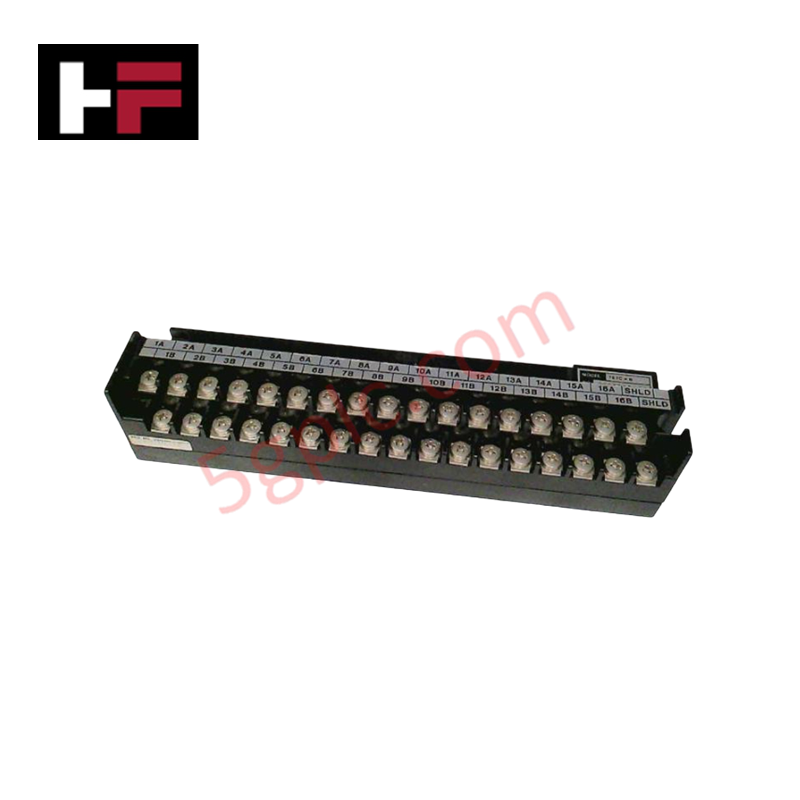
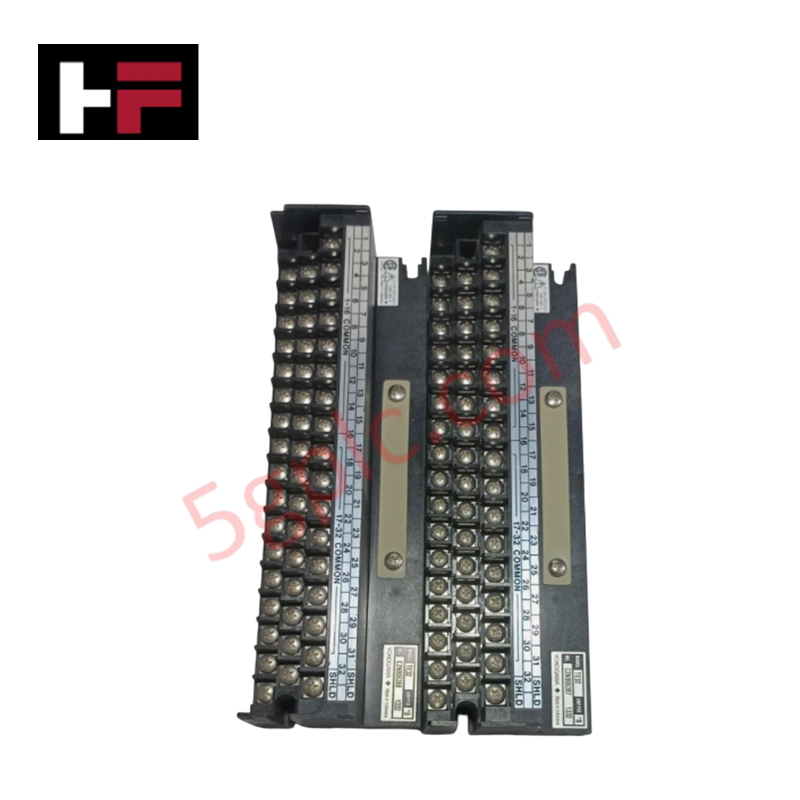
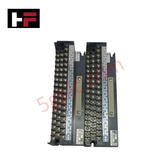
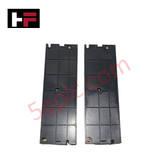
Configured for multi-channel wiring termination and physical wire routing in Yokogawa control system racks, the Yokogawa TE32 (TE32 Terminal Blocks Module) provides direct physical/electrical execution.
Suffix Breakdown & Model Matrix
- TE32: Base model designating 32-point terminal block assembly equipped with M4 screw connection interface.
Hardware Specifications
| Parameter | Specification |
|---|---|
| Model | TE32 |
| Brand | Yokogawa |
| Origin | Japan |
| Contact Points | 32 channels |
| Terminal Screw Type | M4 screws |
| Module Compatibility | Yokogawa ADM2C and ADV69 modules |
| Insulation Resistance | Minimum 100 Mohm (at 500 V DC) |
| Withstanding Voltage | 500 V AC |
| Weight | 0.36 kg (0.80 lbs) |
| Dimensions | Standard Yokogawa Terminal Block Assembly |
| Operating Temp | 0 to 50 deg C |
| Power Consumption | Passive Component (Zero Power Dissipation) |
Yokogawa Signal Integrity & Channel-to-Channel Isolation
The TE32 interface routes discrete and analog field conductors directly to compatible ADM2C and ADV69 I/O modules via backplane connectivity. The mechanical spacing and dielectric physical design maintain minimum 100 Mohm insulation resistance, preventing cross-channel leakage and preserving channel-to-channel isolation. This structural barrier mitigates common-mode interference on sensitive 4-20 mA HART loop protocol lines and discrete control circuits.
Frequently Asked Questions
Q: Does the TE32 terminal block require active power from the backplane rack?
A: No, the TE32 is a passive wiring terminal assembly that functions solely to terminate field conductors without drawing backplane power.
Q: What screw torque specification is recommended for the field wiring terminals on the TE32?
A: The TE32 utilizes standard M4 screw terminals; field conductors should be tightened to nominal M4 industrial torque values (typically 1.2 N m) to ensure constant electrical contact without stripping threads.
Field Installation Guidelines
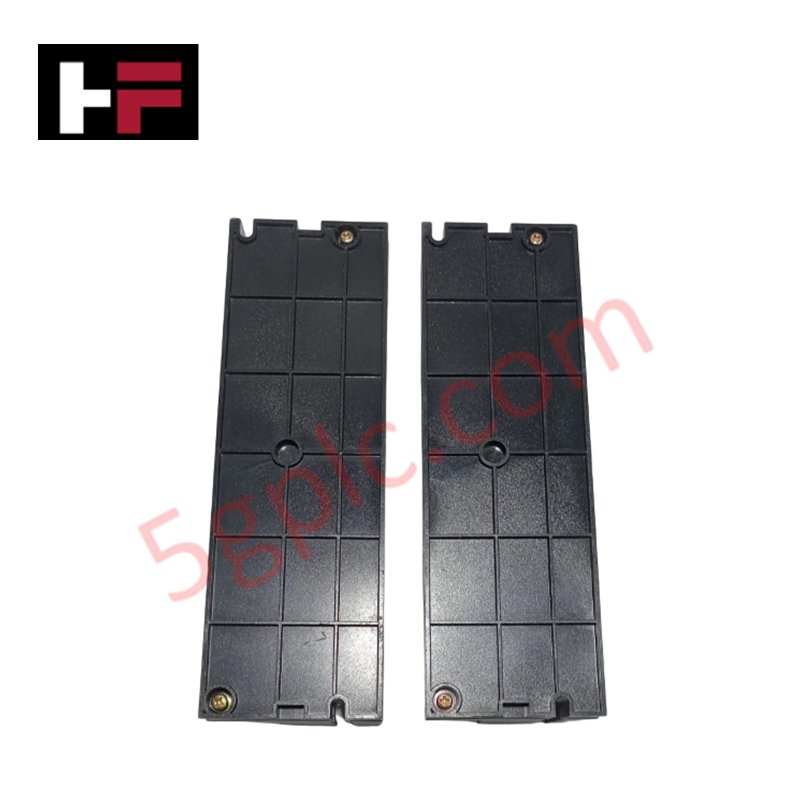
Mount the TE32 terminal block firmly onto its designated module baseplate slot, ensuring full engagement of structural retaining screws. Strip field conductor ends to standard length and insert them beneath the M4 terminal clamps, tightening all terminal screws to prevent loose contacts under mechanical vibration. Connect cable shield drain wires directly to the designated enclosure earth ground bar, maintaining separation between signal conductors and high-voltage AC lines inside panel wire ducts.
Additional Information
- 100% Genuine Parts: All products are original and authentic, ensuring reliable industrial performance.
- 30-Day Refund Guarantee: Return any in-stock item within 30 days in original, unopened packaging for a full refund (excluding shipping and fees).
- 12-Month Warranty: Covers defects in materials or workmanship; excludes misuse, normal wear, or unauthorized modifications.
- Worldwide Shipping: We ship via USPS, UPS, FedEx, and DHL. Delivery times vary by country and may be subject to customs or import fees.
- Support & Contact: Technical and warranty assistance is available anytime. Contact us here: Contact.
- Purchase Guidance: Check product specifications and compatibility carefully before ordering to ensure proper application.






Tech & Buying Guide

Redefining Control Systems: The Rise of Flexible I/O Modules in Industrial Automation
Conventional input-output architectures often limit engineering agility and inflate long-term inventory costs. Today, Flexible Input/Output Modules (FIOM) are transforming how control system engineers design, commission, and maintain automation infrastructure. By allowing individual channel software configuration, FIOM technology bridges the gap between rigid hardware design and dynamic plant requirements.

Understanding Modern SCADA Systems: Architecture, Communication Topologies, and Industrial Applications
Supervisory Control and Data Acquisition (SCADA) systems form the digital backbone of modern industrial automation. They collect critical field data, transmit signals across vast distances, and empower plant operators with real-time process visibility. Across modern infrastructures, SCADA solutions streamline centralized control and maintain continuous operational uptime.
Understanding OPC Servers in Modern Industrial Automation: Principles, Architecture, and Applications
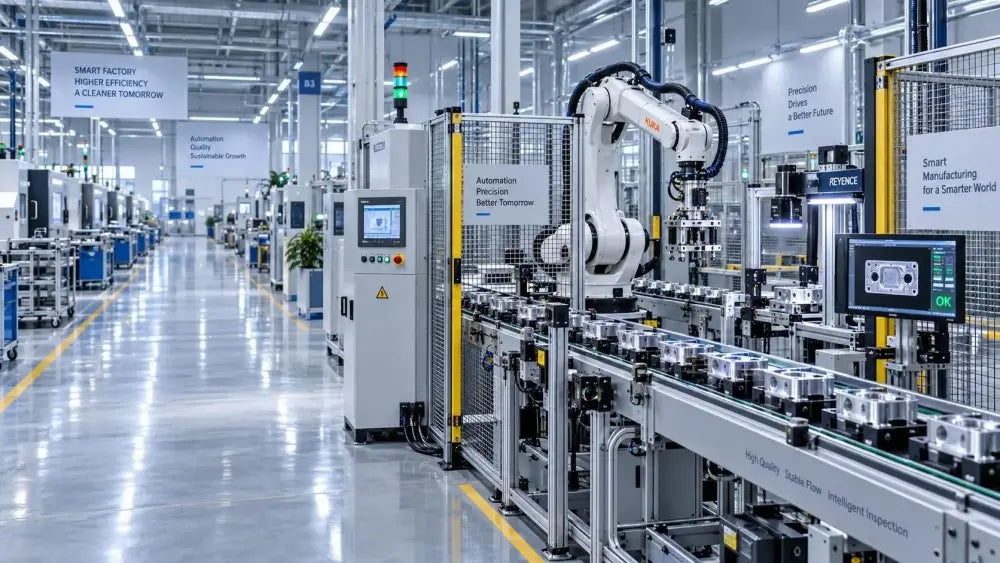
In industrial automation, connecting physical hardware with high-level software remains a primary operational challenge. Factories utilize programmable logic controllers (PLCs), distributed control systems (DCS), human-machine interfaces (HMIs), and smart sensors from diverse vendors. These devices often speak different proprietary protocols. Open Platform Communications (OPC) servers solve this interoperability challenge by standardizing how data flows across factory networks.