










Product Details
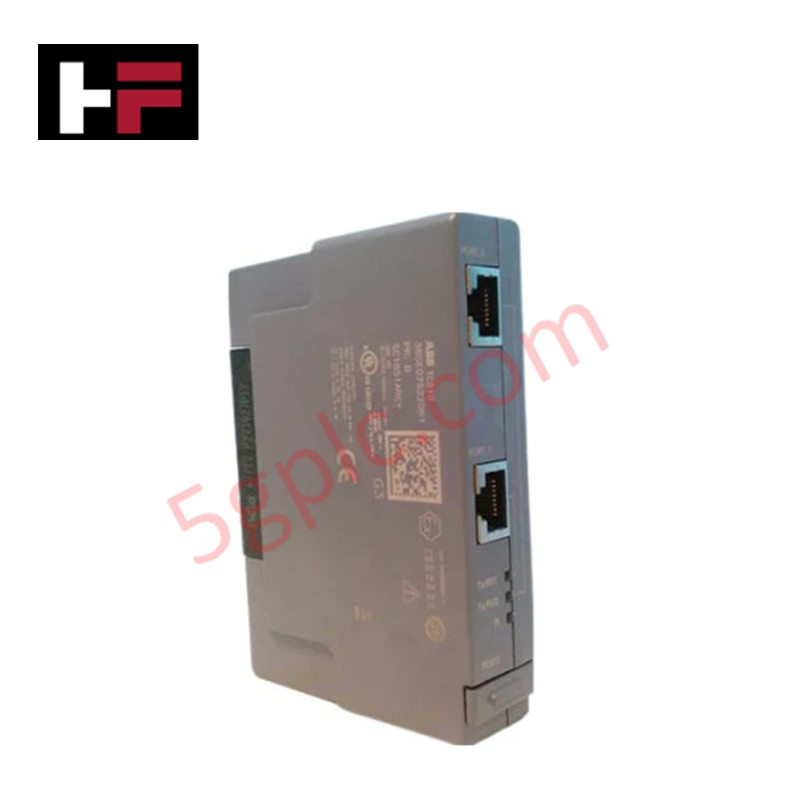
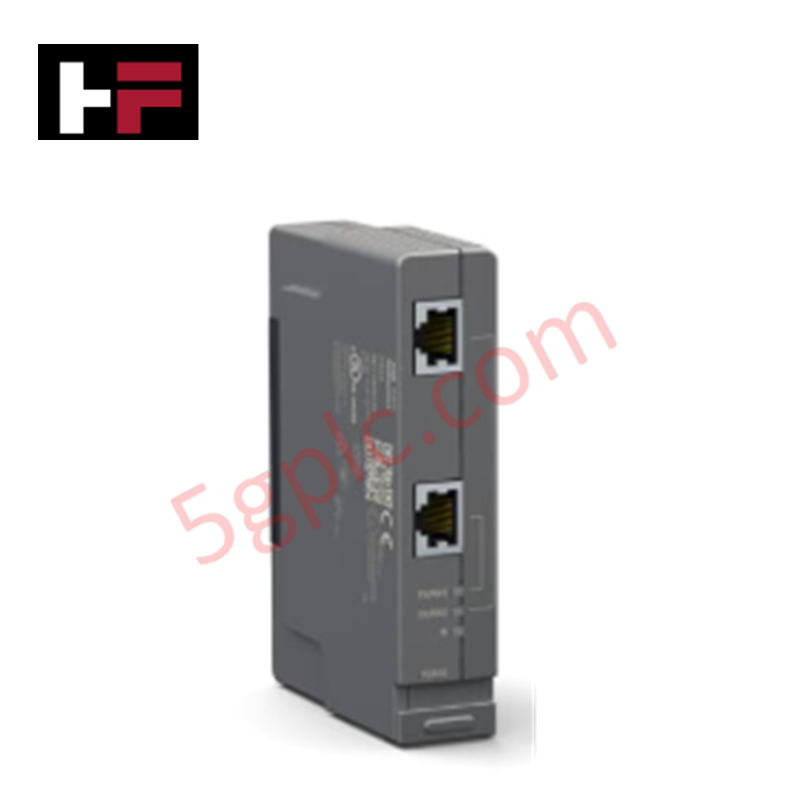
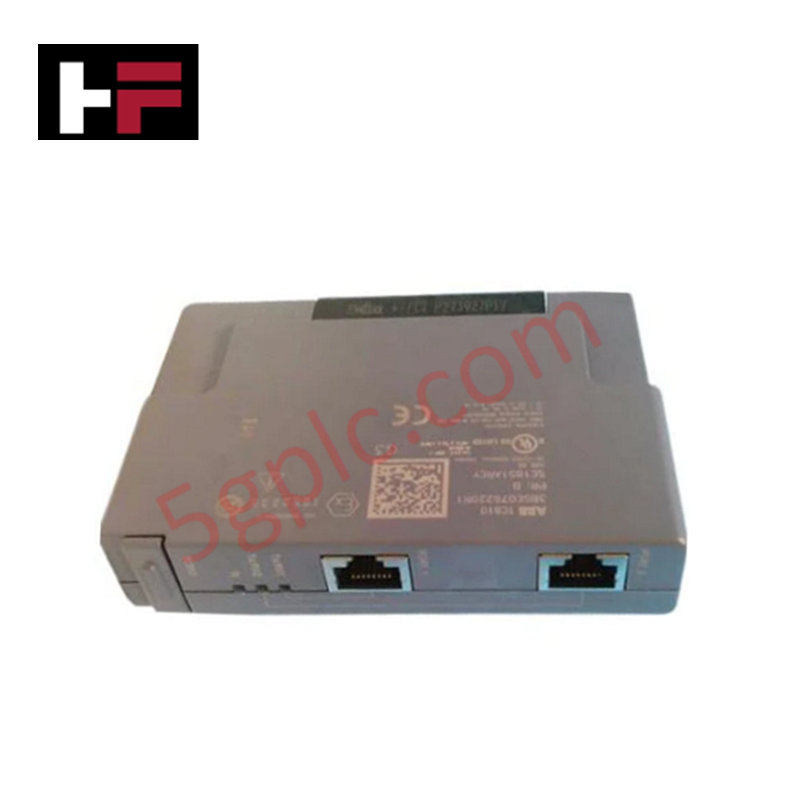
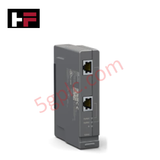
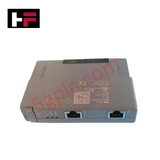
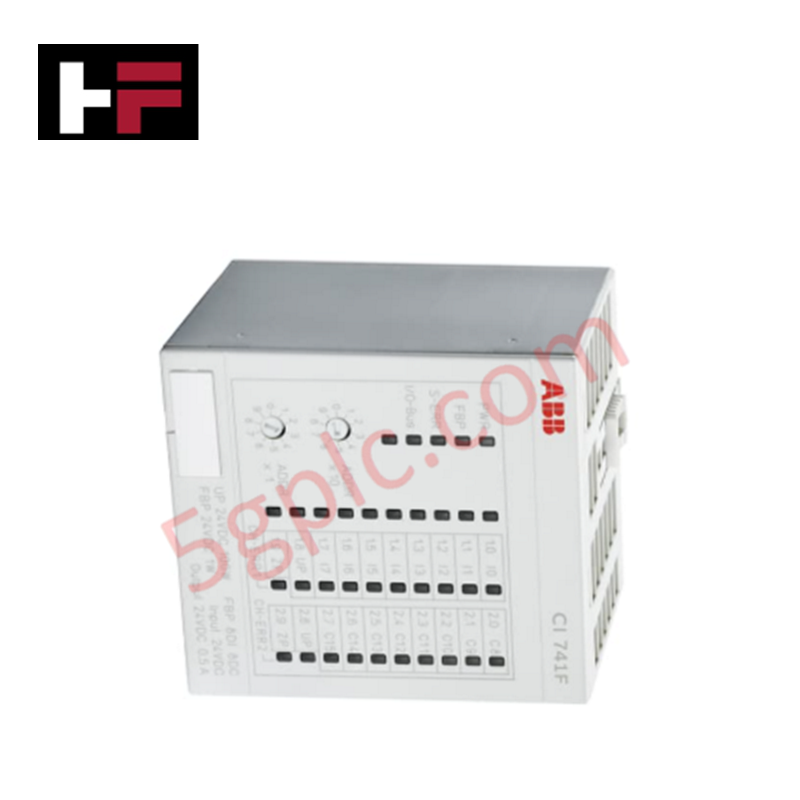
The ABB 3BSE076220R1, also cataloged as the TC810 Communication Module, operates as a dedicated hardware component for isolated variable loop command control within ABB automation systems.
Hardware Specifications
| Parameter | Specification |
|---|---|
| Model | TC810 (Product ID: 3BSE076220R1) |
| Brand | ABB |
| Origin | Sweden |
| Weight | 0.102 kg |
| Dimensions | 24.5 mm x 110 mm x 77 mm |
| Operating Temp | 0 to +55 deg C (Standard industrial parameters) |
| Power Consumption | Internally derived via backplane interface assembly |
| Product Type | Communication Modules |
| Interface Media | Copper media |
| Port Configuration | 2 x RJ45 ports (Built-in 2-port switch) |
| Redundancy Architecture | Supports single or redundant configuration topologies |
| RoHS Status | Following EU Directive 2011/65/EU |
| WEEE Category | 5. Small Equipment (No External Dimension More Than 50 cm) |
Profinet / EtherNet/IP Deterministic Networks and Switching Logic
The internal switching architecture of the TC810 coordinates dual-channel packet routing over copper media interfaces directly from the Field Communication Interface (FCI) platform. This hardware configuration maintains continuous data throughput matching synchronous control loop vectors, directly protecting host backplane bus communication velocity metrics during active register polling cycles. By handling local switching logic through integrated hardware, the module coordinates runtime operations seamlessly across adjacent Profinet / EtherNet/IP deterministic networks. The module preserves full firmware flash compatibility with upstream automation controllers, ensuring that multi-drop topological extensions do not compromise I/O density scaling options across the physical bus layout.
Frequently Asked Questions
Q: Does the TC810 communication adapter support hot-swap extraction under active data processing conditions?
A: Online removal is supported exclusively when the unit is configured in a redundant architecture layout. If deployed as a single, non-redundant interface, extraction will break the network loop, immediately dropping active register polling and generating communications fault diagnostics on the controller.
Q: How is the physical network redundancy handled within the integrated 2-port switch logic?
A: The dual RJ45 ports link directly to redundant media streams, shifting internal register assignments dynamically upon port-link failure detection. This switching loop operates at the hardware layer, ensuring transition delays conform to standard industrial deterministic interface profiles.
Q: Are specialized software keys needed to synchronize firmware flash compatibility during unit replacement?
A: No. The adapter synchronizes its operational profiles based on hardware identification markers and the software parameters defined by the master FCI node. Verification of the physical address selection switches must occur before inserting the card into the chassis slot.
Field Installation Guidelines
- Chassis Insertion and Retention: Secure the 24.5 mm housing onto the designated backplane terminal base slot. Push orthogonally until the locking clips click into position to neutralize mechanical strain from structural industrial vibrations.
- Shielded Network Cable Specification: Utilize Category 5e or better shielded twisted-pair (STP) lines for the copper media links. Terminate the metal connector shrouds to common chassis earth ground to prevent field noise from altering packet propagation.
- Port Bending Constraints: Route the RJ45 copper communication cables out of the 77 mm depth plane via dedicated plastic wiring paths. Maintain a baseline minimum bend radius of 25 mm to protect the wire jackets from crimping.
- Thermal Boundary Spacing: Confirm that neighboring components do not impede convective airflow paths surrounding the module case. Ambient temperatures inside the termination cabinet must not surpass the standard +55 deg C operating limit.
Additional Information
- 100% Genuine Parts: All products are original and authentic, ensuring reliable industrial performance.
- 30-Day Refund Guarantee: Return any in-stock item within 30 days in original, unopened packaging for a full refund (excluding shipping and fees).
- 12-Month Warranty: Covers defects in materials or workmanship; excludes misuse, normal wear, or unauthorized modifications.
- Worldwide Shipping: We ship via USPS, UPS, FedEx, and DHL. Delivery times vary by country and may be subject to customs or import fees.
- Support & Contact: Technical and warranty assistance is available anytime. Contact us here: Contact.
- Purchase Guidance: Check product specifications and compatibility carefully before ordering to ensure proper application.






Tech & Buying Guide

Mastering the Siemens PLC Scan Cycle: How the CPU Executes Automation Programs
Industrial automation relies heavily on programmable logic controllers (PLCs) to manage complex manufacturing processes. Many engineers dive straight into programming without mastering the underlying architecture. However, understanding how a PLC CPU executes a program ensures reliable system design. Therefore, mastering the scan cycle optimizes both performance and troubleshooting in modern control systems.

How to Connect to Siemens S7 PLCs: 5 Essential Communication Methods
Establishing a reliable hardware link between a programming terminal and a Siemens SIMATIC controller is essential for engineering workflows. Field engineers rely on distinct physical layers, ranging from legacy serial connections to high-speed Industrial Ethernet protocols. Modern factory automation environments prioritize fast data transfer and seamless driver integration. Selecting the correct connection method simplifies program downloads, online monitoring, and system troubleshooting in complex control systems.

Will PLCs Become Obsolete? The Future of Control Systems in Industry 4.0
Modern manufacturing is undergoing a rapid technological transformation driven by Industry 4.0 innovations. Technologies like Artificial Intelligence (AI), Machine Learning (ML), and the Industrial Internet of Things (IIoT) are dominating discussions across the factory automation sector. Consequently, many engineers wonder if these advanced digital tools will eventually replace traditional Programmable Logic Controllers (PLCs). However, evaluating the core physics of industrial operations reveals a very different reality for control systems.