
Product Details
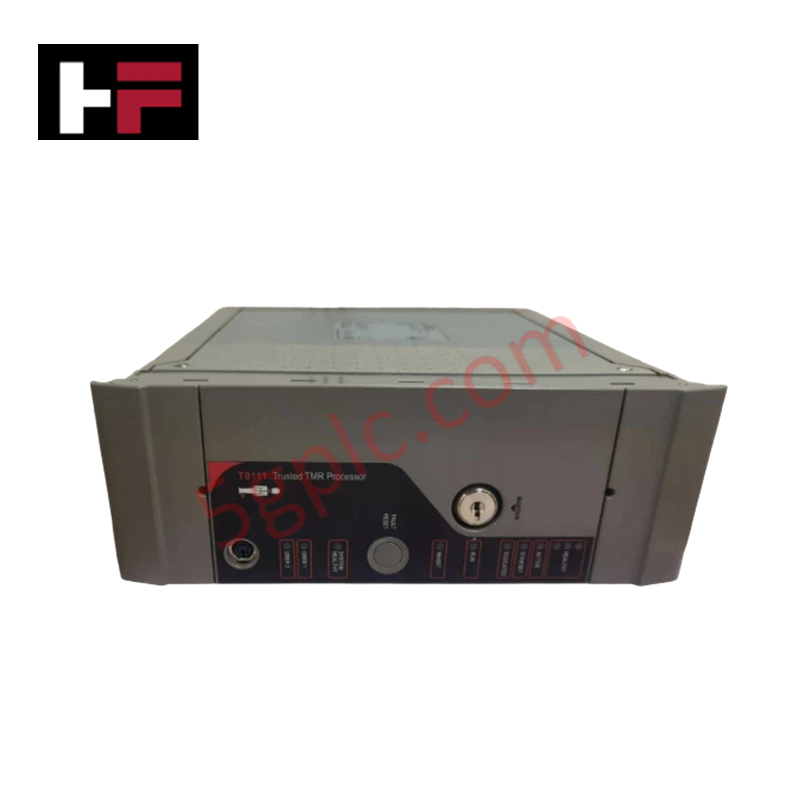
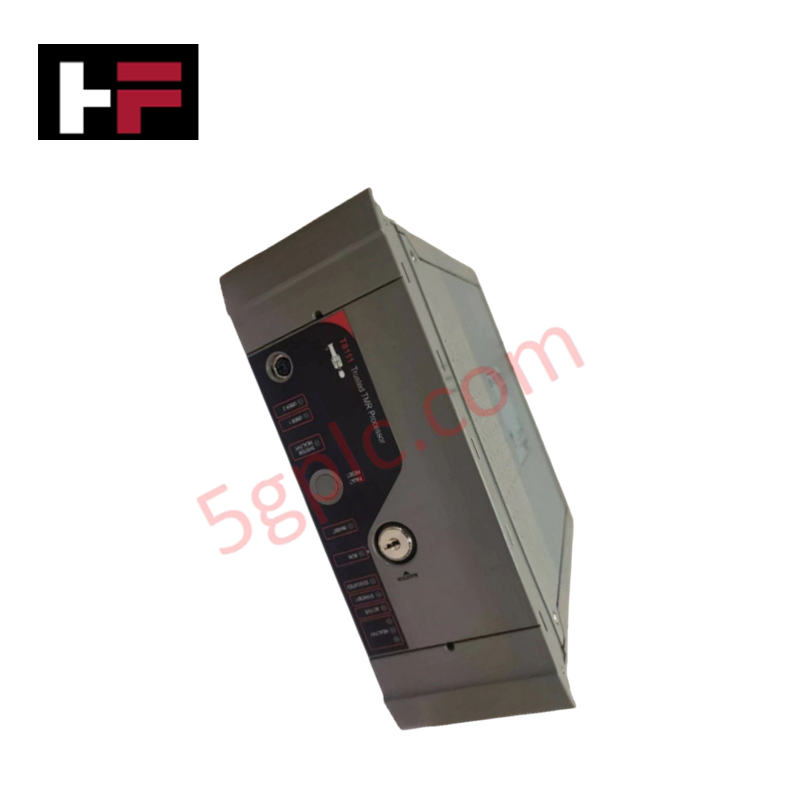
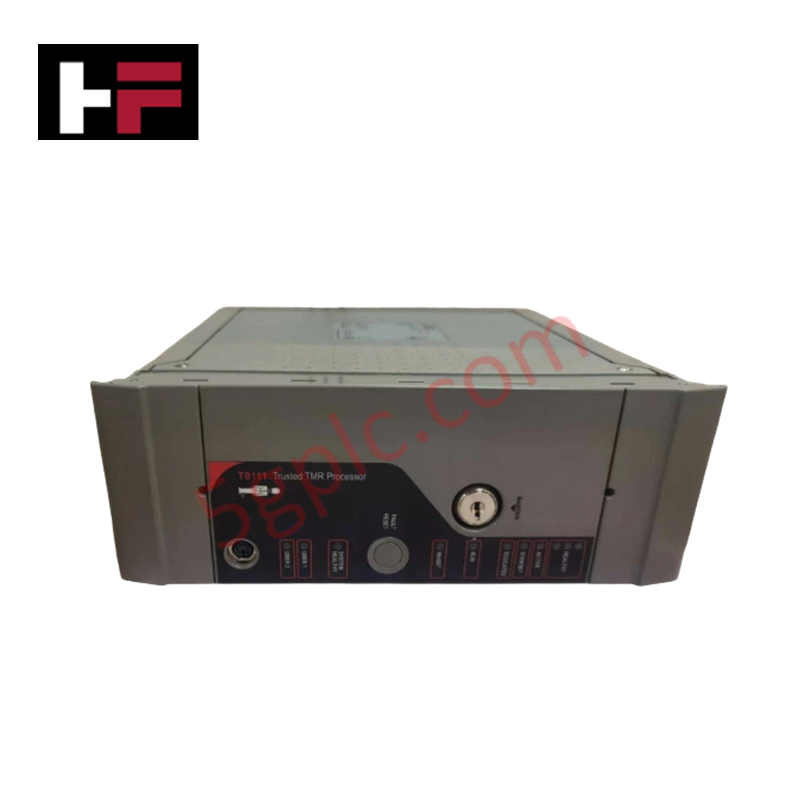
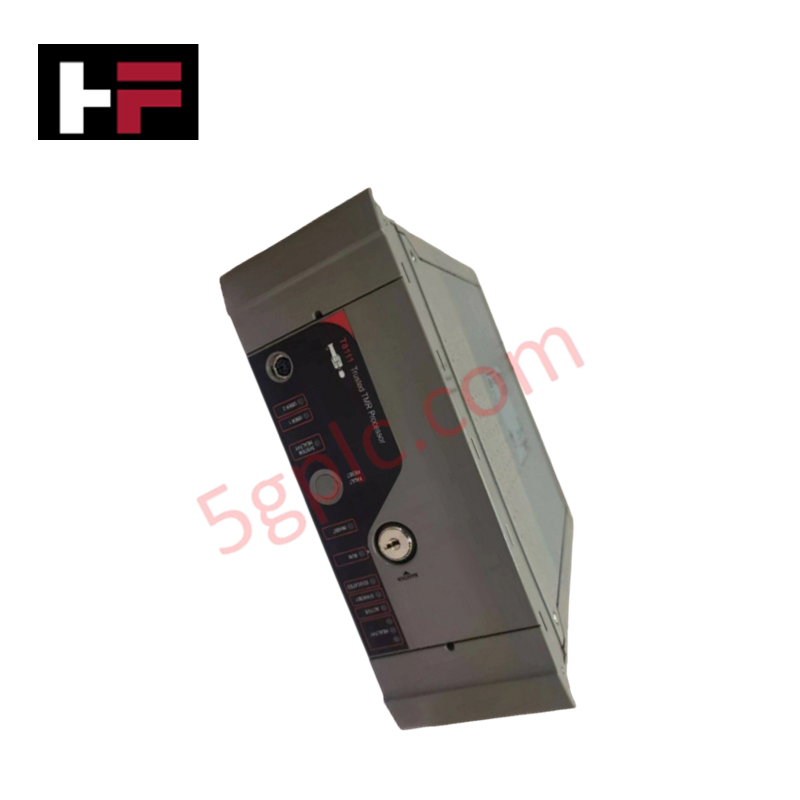
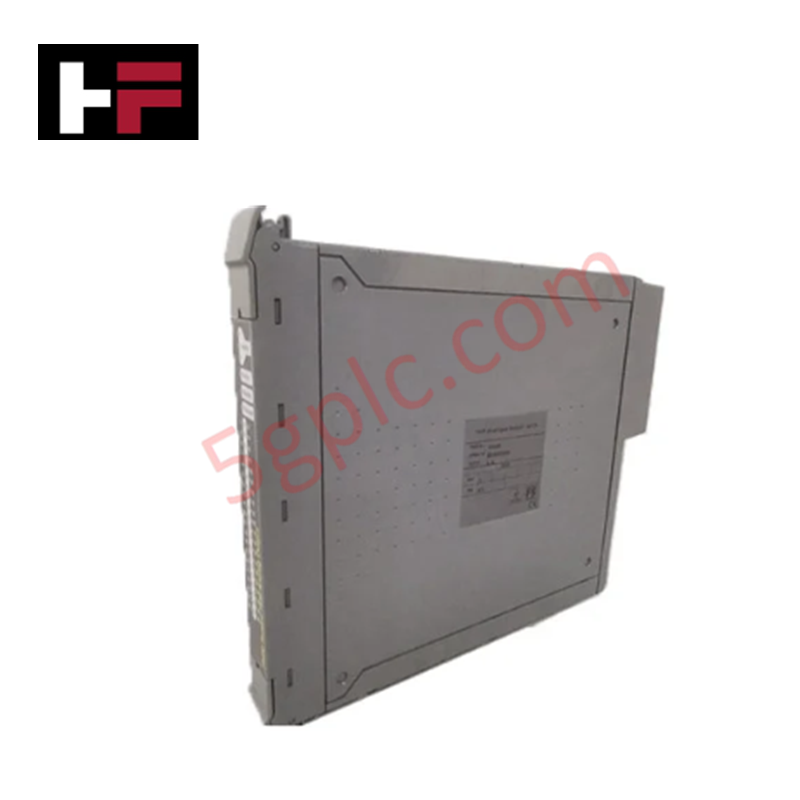
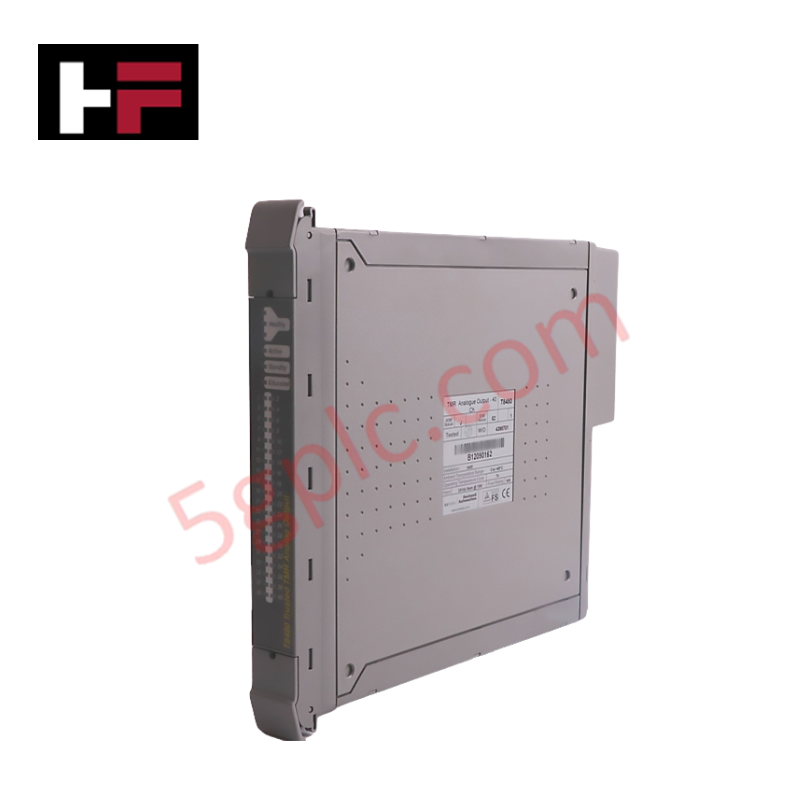
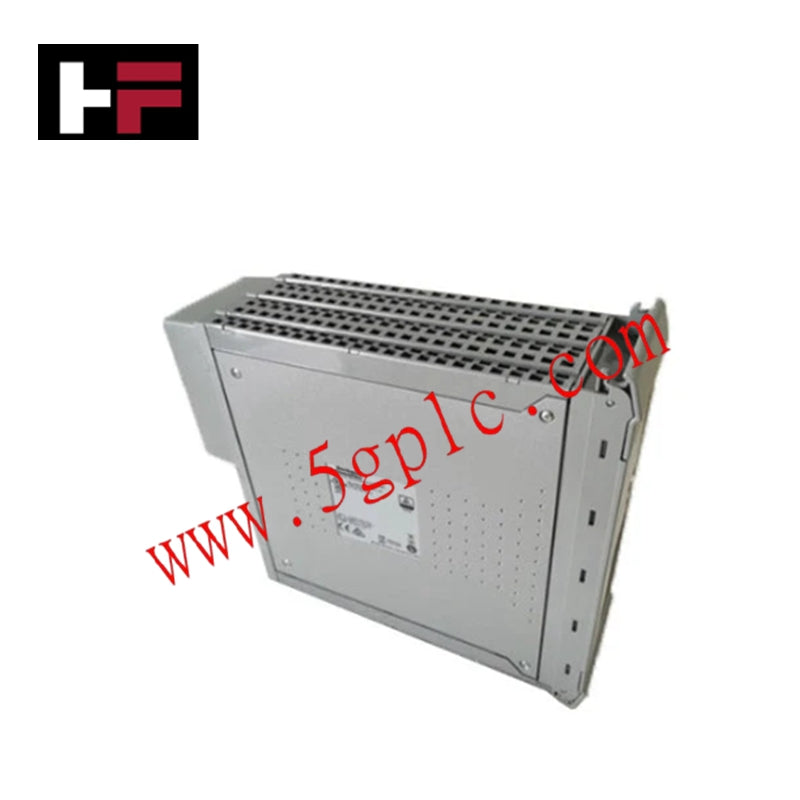
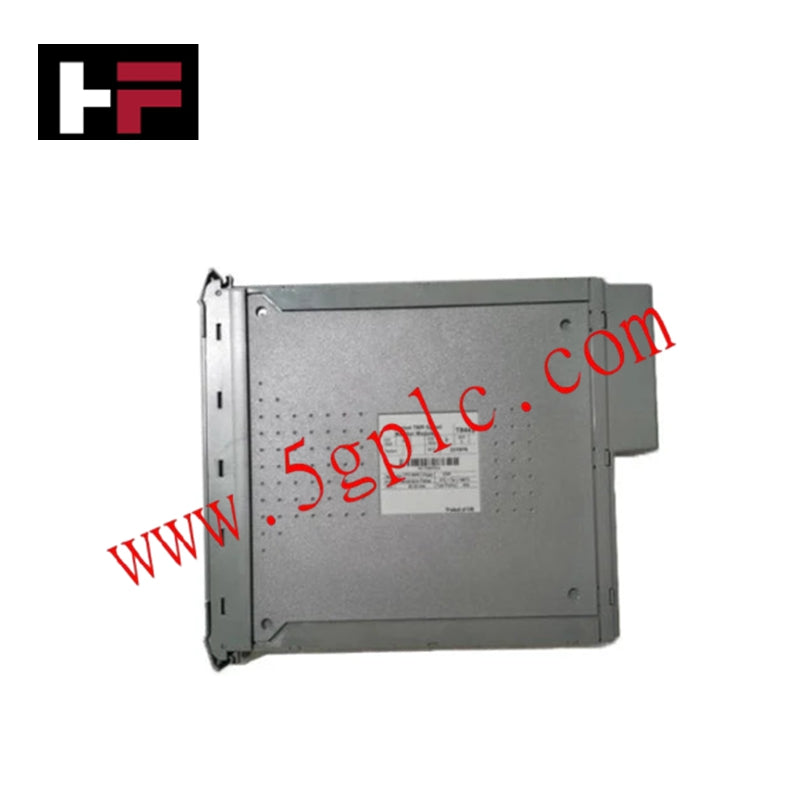
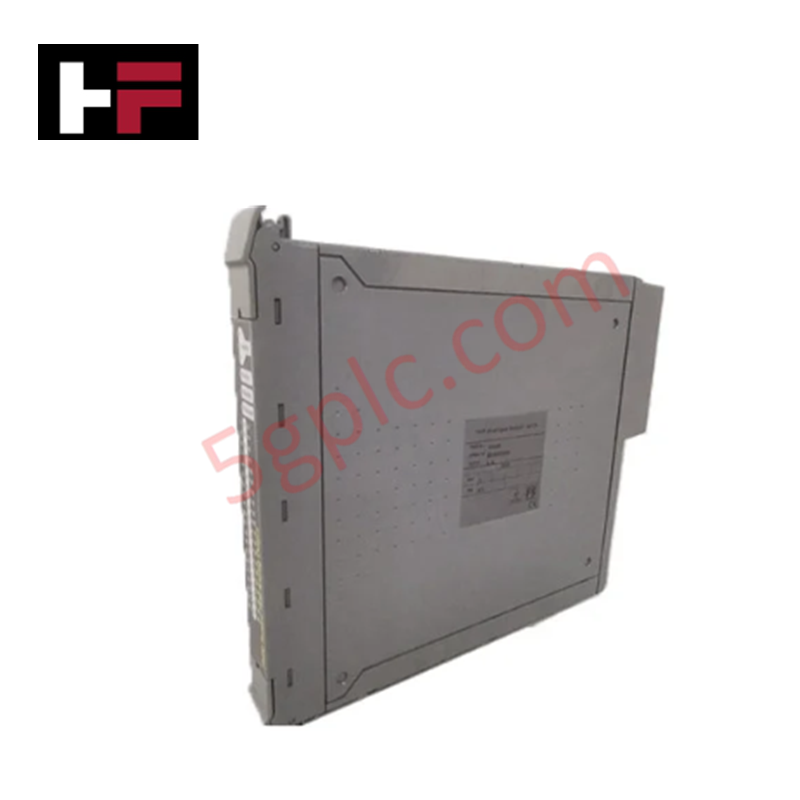
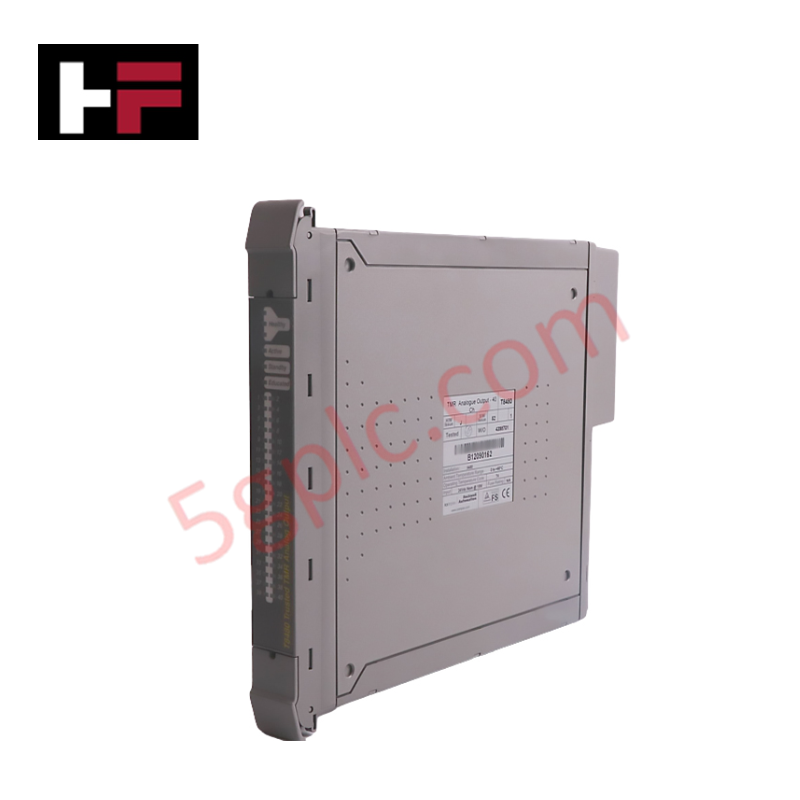
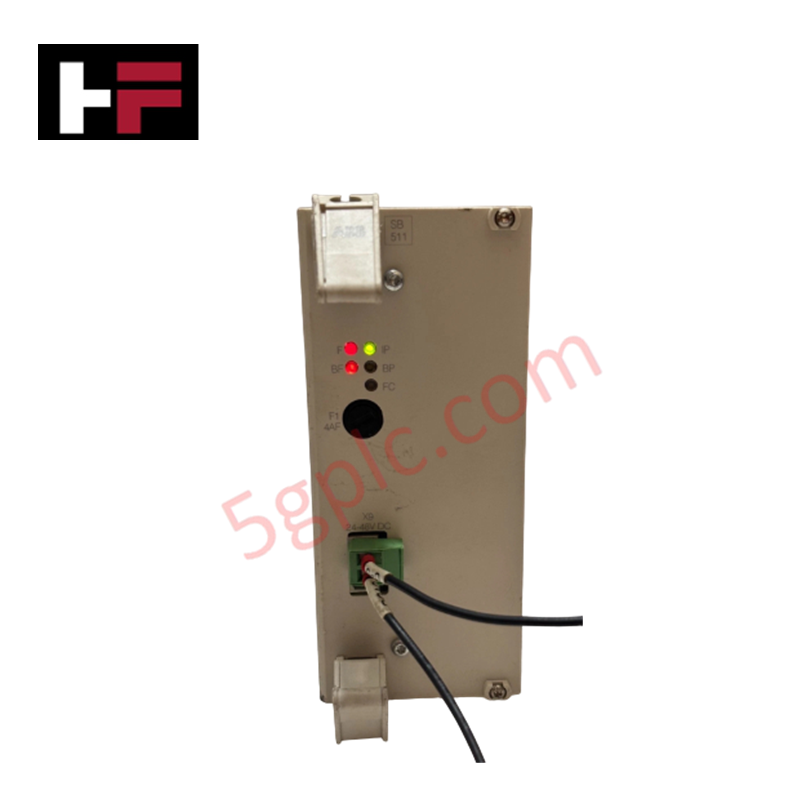
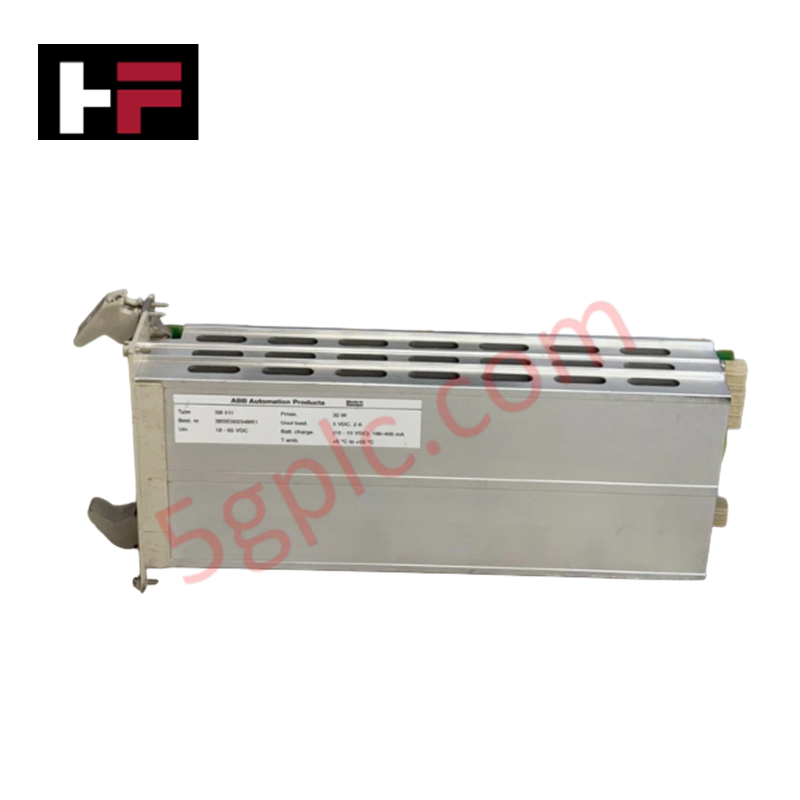
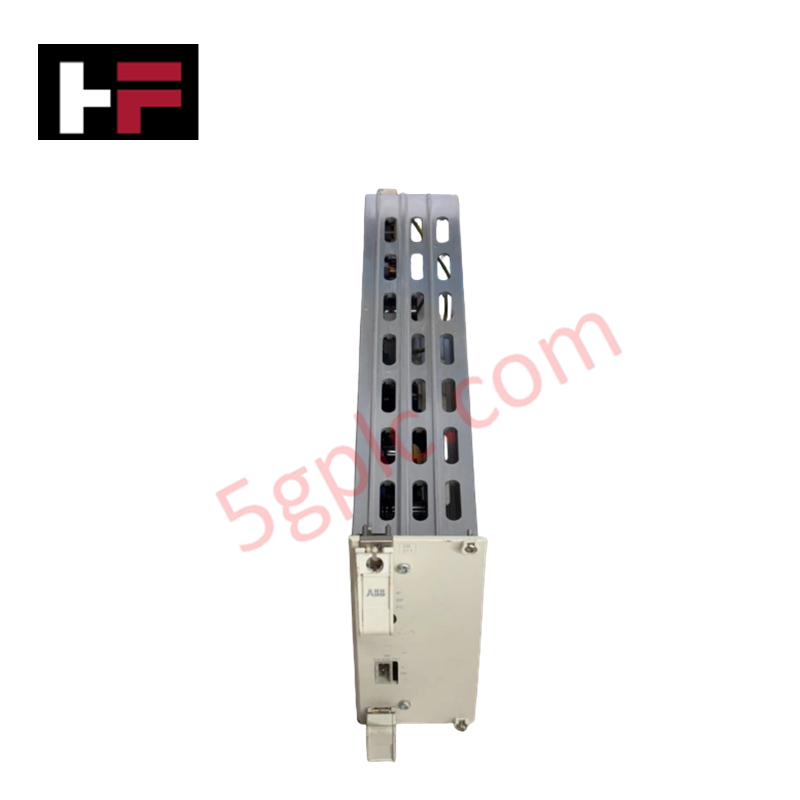
The ABB SB511 3BSE002348R1, also cataloged as the SB511 Power Supply Module, operates as a dedicated hardware component for auxiliary battery charging and DC power regulation within ABB Advant Master Process Control System platforms.
Hardware Specifications
| Parameter | Specification |
|---|---|
| Model | SB511 3BSE002348R1 |
| Brand | ABB |
| Origin | Sweden |
| Weight | 0.96 kg |
| Dimensions | 60 mm x 291 mm x 150 mm |
| Operating Temp | Standard Cabinet Ambient (0 to 55 deg C) |
| Power Consumption | 24-48 VDC Input Range |
| Output Function | 12 V, 4 Ah NiCd Battery Charger |
| Protection Fuse | Spare Fuse Part Number 3BSC770001R50 |
| System Architecture | ABB Advant Master DCS |
Deterministic Network Integration and I/O Density Scaling
The SB511 module interfaces with the system rack backplane to deliver auxiliary DC power stability without introducing noise transients on high-velocity data channels. Maintaining voltage regulation across the backplane bus ensures predictable execution times for Profinet and EtherNet/IP deterministic networks connected across the rack. Firmware flash compatibility across adjacent control modules remains uninhibited, supporting scalable I/O density configurations while maintaining continuous backup charging circuits.
Frequently Asked Questions
Q: What battery type and rating is supported by the SB511 charging circuit?
A: The module is configured to charge 12 V, 4 Ah Nickel-Cadmium (NiCd) battery assemblies.
Q: What fuse replacement part is specified for circuit protection on the unit?
A: Internal current protection utilizes spare fuse designation 3BSC770001R50.
Q: How does the SB511 maintain backplane stability during primary power dips?
A: The module seamlessly switches to the auxiliary battery backup loop to prevent voltage drops on the rack backplane, preserving deterministic bus communication velocity without triggering CPU reset cycles.
Field Installation Guidelines
- Verify input DC supply lines are de-energized prior to inserting the power supply module into the rack slot.
- Ensure correct terminal polarity when connecting external 12 V NiCd battery wiring to prevent reverse-voltage protection fuse clear events.
- Fasten front panel retaining screws completely to establish low-impedance grounding with the cabinet rack chassis.
- Maintain minimum clearance above and below the module enclosure to allow adequate convection cooling across internal power dissipation components.
Additional Information
- 100% Genuine Parts: All products are original and authentic, ensuring reliable industrial performance.
- 30-Day Refund Guarantee: Return any in-stock item within 30 days in original, unopened packaging for a full refund (excluding shipping and fees).
- 12-Month Warranty: Covers defects in materials or workmanship; excludes misuse, normal wear, or unauthorized modifications.
- Worldwide Shipping: We ship via USPS, UPS, FedEx, and DHL. Delivery times vary by country and may be subject to customs or import fees.
- Support & Contact: Technical and warranty assistance is available anytime. Contact us here: Contact.
- Purchase Guidance: Check product specifications and compatibility carefully before ordering to ensure proper application.






Tech & Buying Guide
Understanding Instrumentation Control Systems in Modern Industrial Automation
An instrumentation control system (ICS) serves as the central nervous system of modern manufacturing plants and processing facilities. Engineers classify these setups as Electrical, Electronic, or Programmable Electronic Systems (E/E/PES). In practice, an ICS bridges the physical world of industrial machinery with digital decision-making tools. Therefore, understanding its architecture is essential for anyone working in factory automation, process control, or plant safety.

Mastering Electrical Grounding Fundamentals in Industrial Automation and Control Systems
Electrical grounding is a complex engineering discipline. It requires deep knowledge of soil composition and conductor materials. National Electrical Code (NEC) Article 250 outlines these requirements clearly. Many engineers confuse grounding, earthing, and bonding. Grounding connects circuits to a common reference point. Earthing specifically links equipment directly to the planet. Bonding permanently joins metallic parts to ensure electrical continuity.

Architectural Blueprint of Industrial Automation and Control Systems (IACS): Standards, Safety, and Remote Operations
According to IEC 62443, Industrial Automation and Control Systems (IACS) integrate personnel, hardware, and software. These components collectively influence the safety and reliability of any industrial process. Modern control systems allow extensive remote monitoring and operation. However, enabling remote capabilities introduces complex cybersecurity challenges. Therefore, facility operators must evaluate system functions carefully before expanding connectivity.