


Mastering Electrical Grounding Fundamentals in Industrial Automation and Control Systems
- 〡
- 〡 by WUPAMBO

Defining Grounding, Earthing, and Bonding
Electrical grounding is a complex engineering discipline. It requires deep knowledge of soil composition and conductor materials. National Electrical Code (NEC) Article 250 outlines these requirements clearly. Many engineers confuse grounding, earthing, and bonding. Grounding connects circuits to a common reference point. Earthing specifically links equipment directly to the planet. Bonding permanently joins metallic parts to ensure electrical continuity.
Ensuring Absolute Personnel Safety
Safety remains the primary objective of any industrial grounding network. Low-impedance paths prevent dangerous touch potentials on metallic equipment. Furthermore, effective grounding ensures rapid clearance of overcurrent protective devices. As a result, circuit breakers trip instantly during faults, protecting operators from severe electric shock.
Safeguarding Facilities and Control Hardware
Industrial automation plants face severe risks from lightning strikes and grid surges. Low-impedance bonding networks divert high-energy transients safely away from sensitive control rooms. Therefore, vital control hardware, PLCs, and DCS controllers survive severe electrical faults without catastrophic damage. Moreover, proper grounding stabilizes normal operating voltages across the entire facility.
Mitigating Electrical Noise in Signal Loops
Modern control systems operate with highly sensitive electronic circuits. Proper grounding minimizes impedance across signal reference points. In addition, it suppresses electromagnetic and radio frequency interference. Consequently, automation engineers prevent data corruption and erratic control behavior in high-speed factory networks.
Expert Insights on Industrial Grounding Practices
Throughout my fifteen years commissioning PLC and DCS architectures, I frequently encounter faulty grounding. Plant managers often cut corners to save installation costs. However, poor grounding inevitably leads to chronic analog signal drift and mysterious communication drops. Investing in a robust grounding infrastructure guarantees long-term plant reliability and operator safety.
Practical Application Scenarios in Industrial Plants
Industrial facilities apply rigorous grounding principles across various critical domains:
- Petrochemical Refineries: Ground grids protect distributed control systems from catastrophic lightning surges.
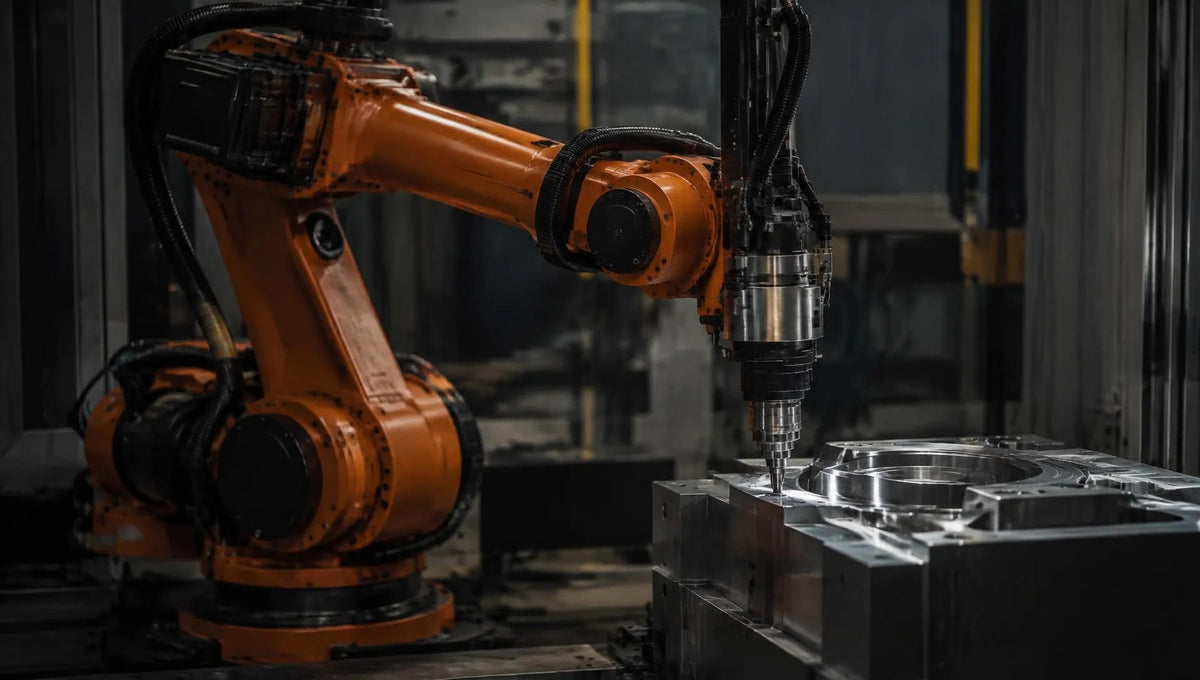
- Automotive Assembly Lines: Low-impedance bonding suppresses electrical noise in high-speed robot controllers.
- Water Treatment Plants: Proper earthing ensures reliable fault clearance for heavy pump motor drives.
About the Author
Zhao Qiang is a Senior Industrial Automation Specialist with over 15 years of global field experience in PLC programming, DCS commissioning, supervisory instrumentation, and heavy electrical protection systems. He frequently publishes expert engineering documentation and technical guides for leading industrial automation media outlets.
- Posted in:
- control systems
- DCS
- earthing vs grounding
- electrical grounding
- factory automation
- PLC
- signal reference grid