










Product Details
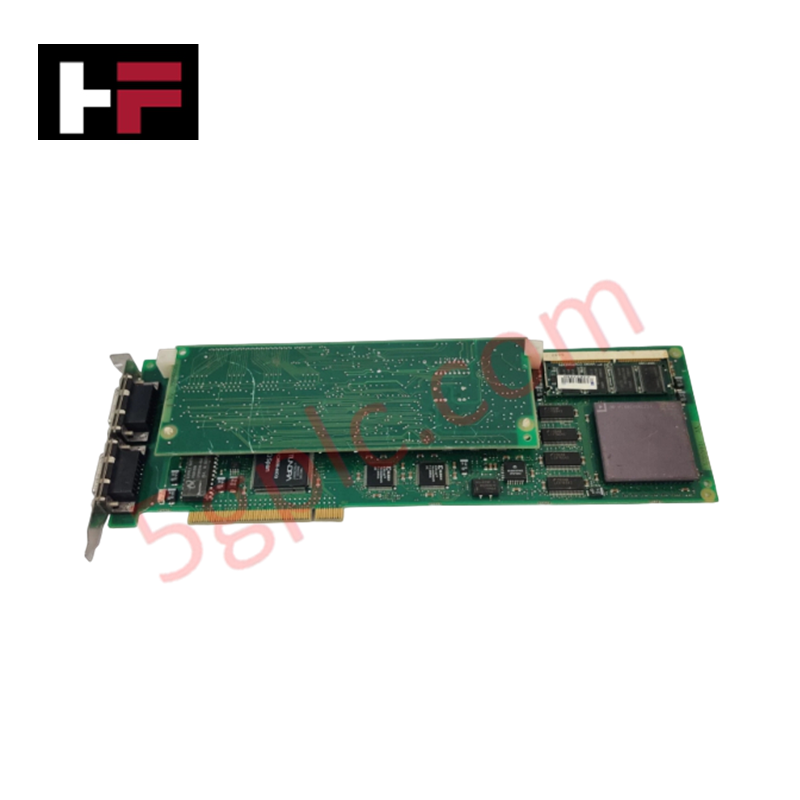
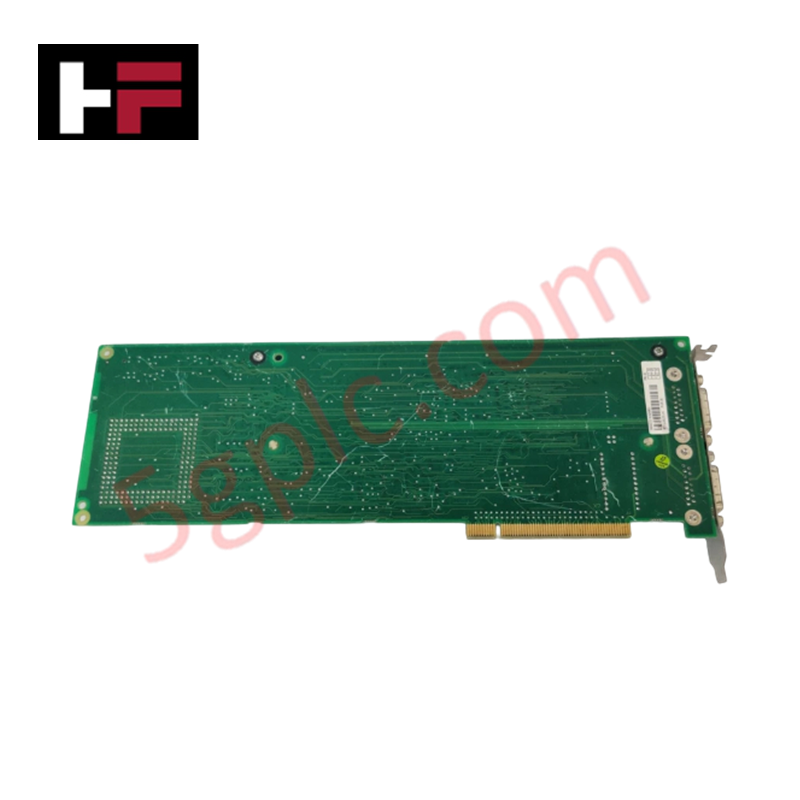
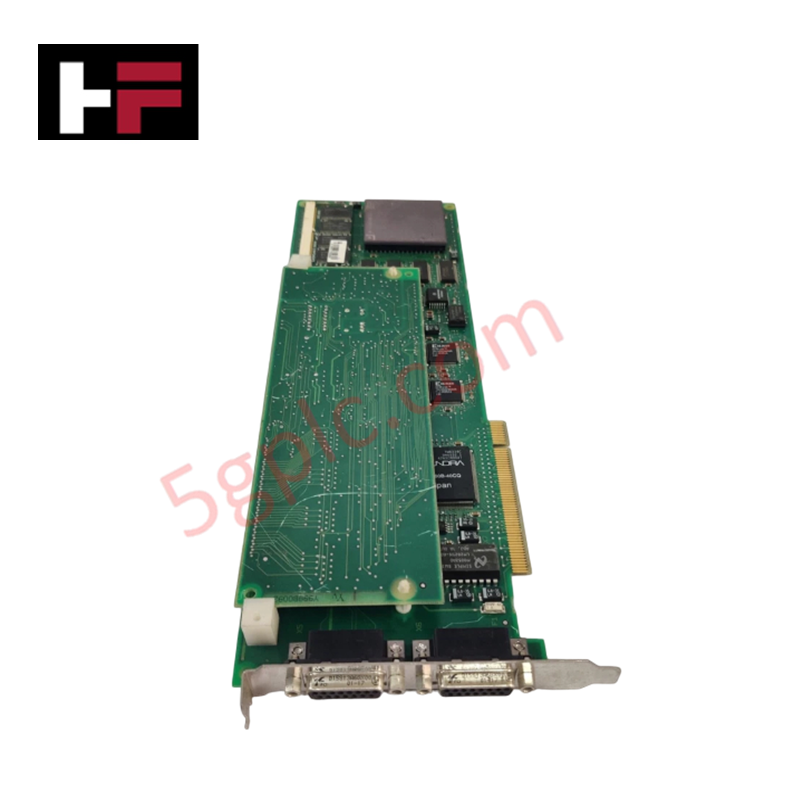
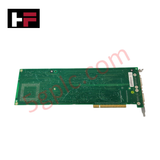
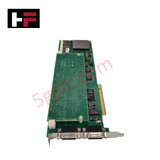
The ABB PU516 3BSE013064R1, also cataloged as the PU516 Communication Module, operates as a dedicated hardware component for protocol translation and bus bridging tasks within MasterBus 300 network environments.
Hardware Specifications
| Parameter | Specification |
|---|---|
| Model | PU516 3BSE013064R1 |
| Brand | ABB |
| Origin | Sweden / Switzerland |
| Weight | 0.38 kg |
| Dimensions | 324 mm (w) x 18 mm (h) x 126 mm (d) |
| Operating Temp | 0 to +55 deg C (Standard industrial parameters) |
| Power Consumption | Sourced via 5 V PCI bus architecture |
| Bus Interface | 5 V, 32-bit, 33 MHz PCI slot specification |
| Onboard Memory | 16 MB onboard RAM execution space |
| Integrated Ports | 1 x MasterBus 300 (MB300) interface, 1 x RS-232 serial port |
| Exchange Part Number | EXC3BSE013064R1 |
| WEEE Category | 5. Small Equipment (No External Dimension More Than 50 cm) |
Profinet / EtherNet/IP Deterministic Networks and I/O Density Scaling
The module handles structural communication frames across the host backplane layer, aligning native MB300 data registers into localized processing blocks. When executing industrial communication scripts, the onboard 16 MB memory maintains data stability during peak transfer bursts, preventing frame dropping. The module utilizes localized bus arbitration routines to balance I/O density scaling profiles alongside other network modules, verifying configuration values and firmware flash compatibility loops against the main control processor.
Frequently Asked Questions
Q: What are the specific power and hardware bus limitations for installing the PU516 card?
A: The PU516 card requires a standard 5 V, 32-bit, 33 MHz PCI expansion slot. It is not compatible with 3.3 V keyed PCI slots or PCI Express (PCIe) interfaces. Inserting this hardware into an unrated or incorrectly keyed bus interface will prevent initialization and may damage the bus traces.
Q: What functions are served by the dual integrated communication ports?
A: The main network port interfaces with the MasterBus 300 token-passing network loop for high-speed automated data distribution. The secondary RS-232 serial port is reserved for point-to-point diagnostics, engineering terminal connectivity, and physical line validation.
Field Installation Guidelines
- ESD Protection and Insertion: Fully de-energize the host workstation or rack chassis prior to opening the card housing. Wear an ESD wrist strap connected to a verified ground point before removing the module from its protective shielding.
- Chassis Retention: Slide the card firmly into the 32-bit PCI slot until the backplane contacts engage properly. Secure the mounting bracket to the chassis frame using the designated physical screw to ensure solid frame grounding.
- Field Wiring Paths: Route the MB300 and RS-232 serial cables away from heavy alternating current lines, electrical contractors, or variable frequency drive loops to avoid electromagnetic noise interference.
Additional Information
- 100% Genuine Parts: All products are original and authentic, ensuring reliable industrial performance.
- 30-Day Refund Guarantee: Return any in-stock item within 30 days in original, unopened packaging for a full refund (excluding shipping and fees).
- 12-Month Warranty: Covers defects in materials or workmanship; excludes misuse, normal wear, or unauthorized modifications.
- Worldwide Shipping: We ship via USPS, UPS, FedEx, and DHL. Delivery times vary by country and may be subject to customs or import fees.
- Support & Contact: Technical and warranty assistance is available anytime. Contact us here: Contact.
- Purchase Guidance: Check product specifications and compatibility carefully before ordering to ensure proper application.









Tech & Buying Guide

Mastering the Siemens PLC Scan Cycle: How the CPU Executes Automation Programs
Industrial automation relies heavily on programmable logic controllers (PLCs) to manage complex manufacturing processes. Many engineers dive straight into programming without mastering the underlying architecture. However, understanding how a PLC CPU executes a program ensures reliable system design. Therefore, mastering the scan cycle optimizes both performance and troubleshooting in modern control systems.

How to Connect to Siemens S7 PLCs: 5 Essential Communication Methods
Establishing a reliable hardware link between a programming terminal and a Siemens SIMATIC controller is essential for engineering workflows. Field engineers rely on distinct physical layers, ranging from legacy serial connections to high-speed Industrial Ethernet protocols. Modern factory automation environments prioritize fast data transfer and seamless driver integration. Selecting the correct connection method simplifies program downloads, online monitoring, and system troubleshooting in complex control systems.

Will PLCs Become Obsolete? The Future of Control Systems in Industry 4.0
Modern manufacturing is undergoing a rapid technological transformation driven by Industry 4.0 innovations. Technologies like Artificial Intelligence (AI), Machine Learning (ML), and the Industrial Internet of Things (IIoT) are dominating discussions across the factory automation sector. Consequently, many engineers wonder if these advanced digital tools will eventually replace traditional Programmable Logic Controllers (PLCs). However, evaluating the core physics of industrial operations reveals a very different reality for control systems.