











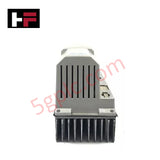
Product Details
Functional Performance and Drive Logic
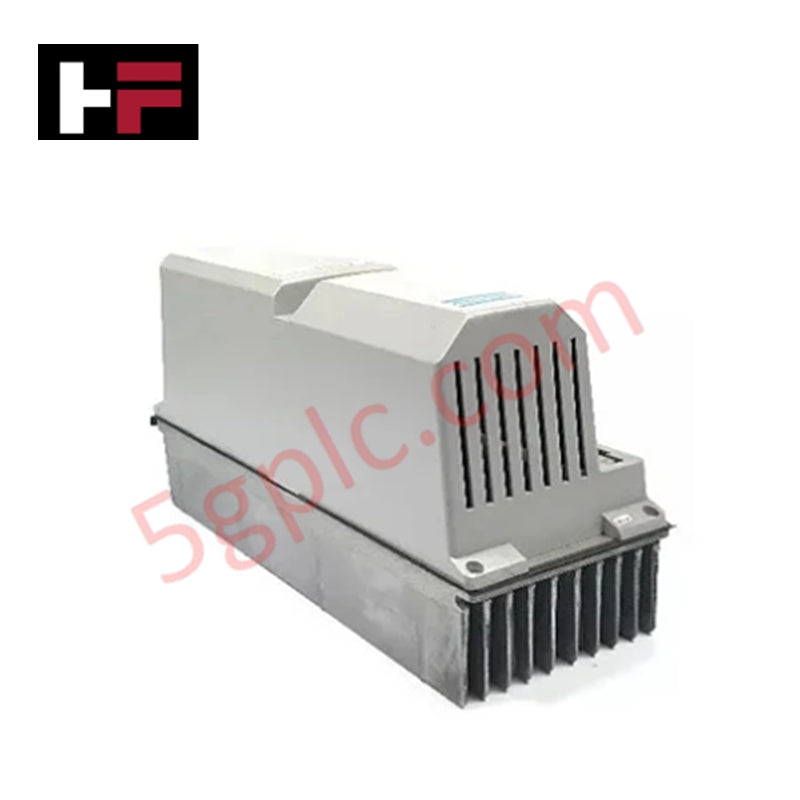
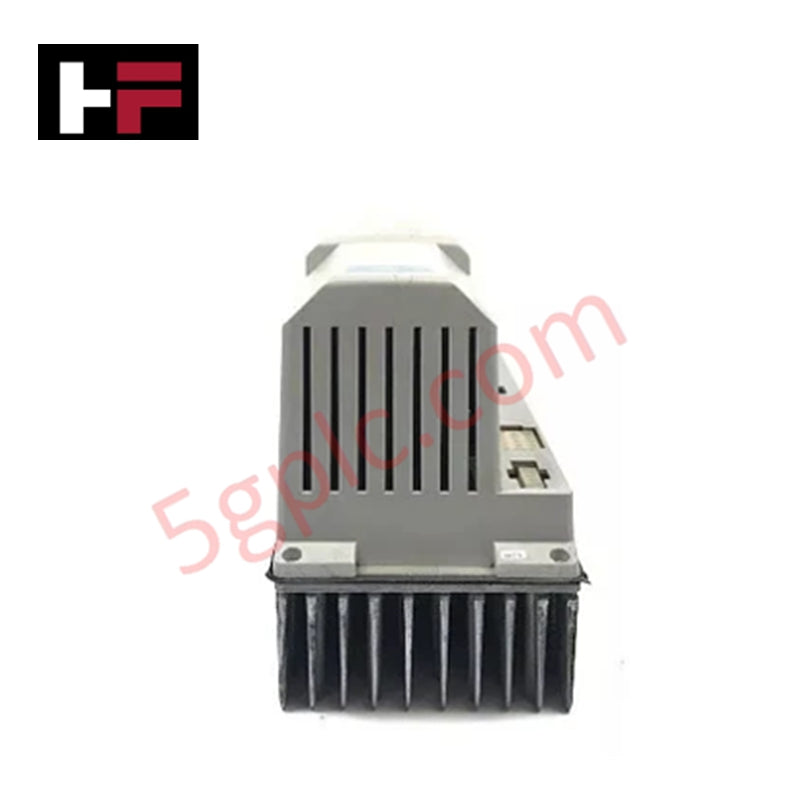
The DSQC 346C (3HAB8101-7/11C) is a high-performance power amplification module engineered for the ABB S4C+ robot controller ecosystem. This unit is tasked with the critical role of regulating current to the robot’s brushless AC motors, translating motion commands from the main computer into physical axis rotation. Optimized for mid-to-high power requirements, the DSQC 346C (3HAB8101-7/11C) features advanced switching frequency control to minimize heat dissipation while maintaining the torque ripple suppression necessary for smooth path interpolation and high-speed precision.
Detailed Technical Specifications
The mechanical and electrical data for the DSQC 346C (3HAB8101-7/11C) are as follows:
-
Drive Classification: AC Servo Amplifier / Drive Unit
-
System Environment: ABB S4C+ (M2000 / M2000A)
-
Motor Feedback: Supports high-resolution resolver synchronization
-
Chassis Interface: Standard plug-in module for the drive rack assembly
-
Cooling Method: Internal heatsink designed for forced-air cabinet cooling
-
Protection Circuitry: Integrated over-current, short-circuit, and thermal overload monitoring
-
Bus Communication: Serial drive link for real-time status diagnostics
Engineering Deployment and FAQ
Which robot axes typically utilize the DSQC 346C module?
The DSQC 346C (3HAB8101-7/11C) is often assigned to primary axes (Axis 1, 2, or 3) on medium-payload robots, or serves as the heavy-duty wrist drive on larger IRB series robots. It is capable of handling higher current peaks compared to the "B" variant.
How do I troubleshoot a "Joint Supervision" error related to this unit?
First, verify the DC bus voltage coming from the rectifier. If the bus is stable but the DSQC 346C (3HAB8101-7/11C) status LED indicates a fault, inspect the cable connections to the motor and the internal feedback loop. Persistent errors often indicate a failure of the internal IGBT power module.
Is it safe to swap this unit with a DSQC 346B?
Swapping is generally not recommended unless specified by the ABB technical manual for your specific robot model. The DSQC 346C (3HAB8101-7/11C) typically has a higher power rating, and installing a lower-rated "B" unit may lead to premature failure under high-load cycles.
Drive Module Capability Comparison
| Attribute | DSQC 346C (3HAB8101-7/11C) | DSQC 346B (3HAB8101-6) |
| Current Rating | High-Power Capacity | Standard-Power Capacity |
| Typical Application | Base Axes / High Torque | Wrist Axes / Low Torque |
| Controller | S4C+ (M2000/M2000A) | S4C / S4C+ |
| Logic Interface | Serial Link | Serial Link |
Additional Information
- 100% Genuine Parts: All products are original and authentic, ensuring reliable industrial performance.
- 30-Day Refund Guarantee: Return any in-stock item within 30 days in original, unopened packaging for a full refund (excluding shipping and fees).
- 12-Month Warranty: Covers defects in materials or workmanship; excludes misuse, normal wear, or unauthorized modifications.
- Worldwide Shipping: We ship via USPS, UPS, FedEx, and DHL. Delivery times vary by country and may be subject to customs or import fees.
- Support & Contact: Technical and warranty assistance is available anytime. Contact us here: Contact.
- Purchase Guidance: Check product specifications and compatibility carefully before ordering to ensure proper application.






Tech & Buying Guide

Marshalling Cabinet Preventive Maintenance: Essential Healthiness Checks for PLC, DCS, and ESD Systems
Marshalling cabinets serve as the vital interface between field instrumentation and control room electronics in modern process facilities. Regular preventive maintenance of these cabinets ensures signal integrity across programmable logic controllers (PLCs), distributed control systems (DCS), and emergency shutdown (ESD) networks. System technicians must execute structured inspection protocols to mitigate environmental risks, identify loose wiring, and maintain continuous operational readiness.

Spatial Computing in Industrial Automation: Elevating PLC and DCS Operations with AR and VR
Industry 4.0 integrates digital intelligence into field operations, transforming factory automation landscapes worldwide. Spatial technologies—specifically Augmented Reality (AR) and Virtual Reality (VR)—redefine how engineers interact with industrial control systems. By bridging computer-generated CAD models with real-time operational technology (OT) data, immersive displays enable intuitive monitoring, rapid diagnostics, and safer maintenance across complex processing facilities.

Master Acceptance Testing: Understanding FAT and SAT in Industrial Control Systems
Factory Acceptance Testing (FAT) and Site Acceptance Testing (SAT) serve as critical quality assurance gateways in complex industrial control systems. Both procedures verify that programmable logic controllers (PLCs), distributed control systems (DCS), and associated field devices meet strict functional specifications. However, executing these tests effectively requires clear delineation between off-site staging and final field commissioning.