Spatial Computing in Industrial Automation: Elevating PLC and DCS Operations with AR and VR
- 〡
- 〡 by WUPAMBO

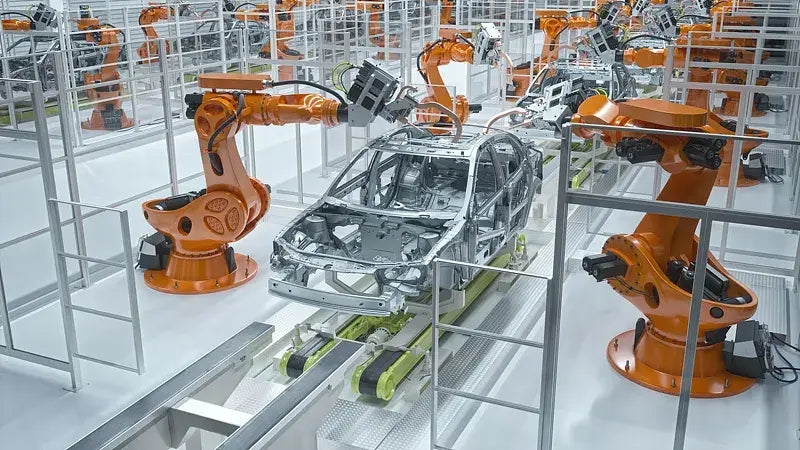
Industry 4.0 integrates digital intelligence into field operations, transforming factory automation landscapes worldwide. Spatial technologies—specifically Augmented Reality (AR) and Virtual Reality (VR)—redefine how engineers interact with industrial control systems. By bridging computer-generated CAD models with real-time operational technology (OT) data, immersive displays enable intuitive monitoring, rapid diagnostics, and safer maintenance across complex processing facilities.
Differentiating Immersive VR Environments from Overlay AR Interfaces
Virtual Reality (VR) immerses operators in fully simulated digital twins using high-resolution head-mounted displays. Engineers interact with computer-generated facility models to plan layouts, simulate emergency shutdowns, and test control routines safely. Conversely, Augmented Reality (AR) superimposes real-time process graphics onto live physical machinery. Technicians view contextual system diagnostics directly over physical equipment through smart glasses, industrial tablets, or mobile devices.
Streamlining Maintenance Workflows via Live Process Overlays
Integrating AR interfaces with programmable logic controllers (PLCs) accelerates field troubleshooting significantly. Technicians scan physical field devices to project live I/O status, internal temperatures, and wiring schematics in real time. Moreover, step-by-step repair overlays guide technicians through component replacements, minimizing human error during critical interventions. This contextual data delivery reduces mean time to repair (MTTR) while protecting workers in hazardous operating environments.
Revolutionizing Operator Training with Immersive VR Simulations
VR training environments replicate high-risk process facilities without exposing personnel to actual physical dangers. Trainees practice complex start-up sequences and emergency response scenarios on virtual distributed control systems (DCS). Furthermore, control engineering teams validate PLC logic and interlock functions virtually before physical commissioning begins. In my field experience managing plant retrofits, pre-commissioning in VR reduces physical startup delays by up to 30%.
Accelerating Diagnostics via High-Bandwidth 5G Infrastructure
Ultra-reliable low-latency communication (URLLC) powered by private 5G networks unlocks real-time spatial computing capabilities. High-bandwidth wireless infrastructure transmits massive CAD models and live telemetry from DCS servers to mobile AR devices seamlessly. Consequently, remote experts monitor off-site maintenance tasks live, pointing out fault locations on the field technician's display in real time. This remote assistance model eliminates travel delays and reduces costly production downtime.
Integrating Spatial Interfaces with Legacy Factory Automation
Modern spatial computing platforms must bridge spatial rendering engines with established industrial communication protocols. OPC UA servers aggregate telemetry from PLCs, power protection relays, and turbine supervisory instrumentation (TSI). The system then feeds this synchronized data directly into AR rendering software. Standardizing data structures ensures spatial overlays display precise electrical parameters, vibration metrics, and alarm states without noticeable latency.
Practical Application Scenario: Guided Power Substation Switchgear Maintenance
A chemical processing plant integrated AR smart glasses with its electrical power distribution system to modernize switchgear maintenance routines:
- Real-Time Arc-Flash Safety Overlays: Maintenance electricians equipped with industrial AR headsets viewed live busbar voltages, thermal imaging data, and active relay protection states projected directly over physical switchgear cabinets.
- Step-by-Step Interlock Guidance: The AR software overlaid animated lockout/tagout (LOTO) sequences onto the equipment interface, forcing technicians to verify breaker racking positions before opening high-voltage compartments.
- Remote DCS Verification: Field technicians communicated with central control operators through real-time video streaming, verifying contactor closing signals against DCS logic instantly without leaving the switchgear room.
About the Author
Liu Yang is a Senior Automation Architect with over 15 years of international experience engineering PLC, DCS, and SCADA solutions for process and manufacturing industries. He specializes in OT/IT convergence, Industrial Internet of Things (IIoT) architectures, and integrating spatial computing tools with legacy control networks to improve operational safety and productivity.
- Posted in:
- AR in manufacturing
- augmented reality
- control systems
- DCS
- factory automation
- Industry 4.0
- PLC
- spatial computing
- virtual reality