










Product Details
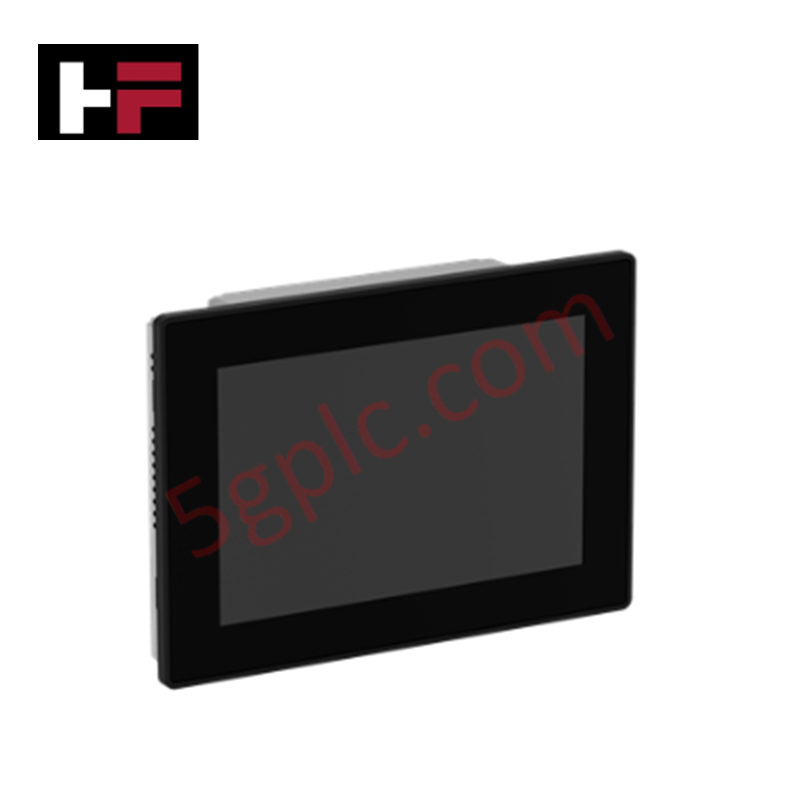
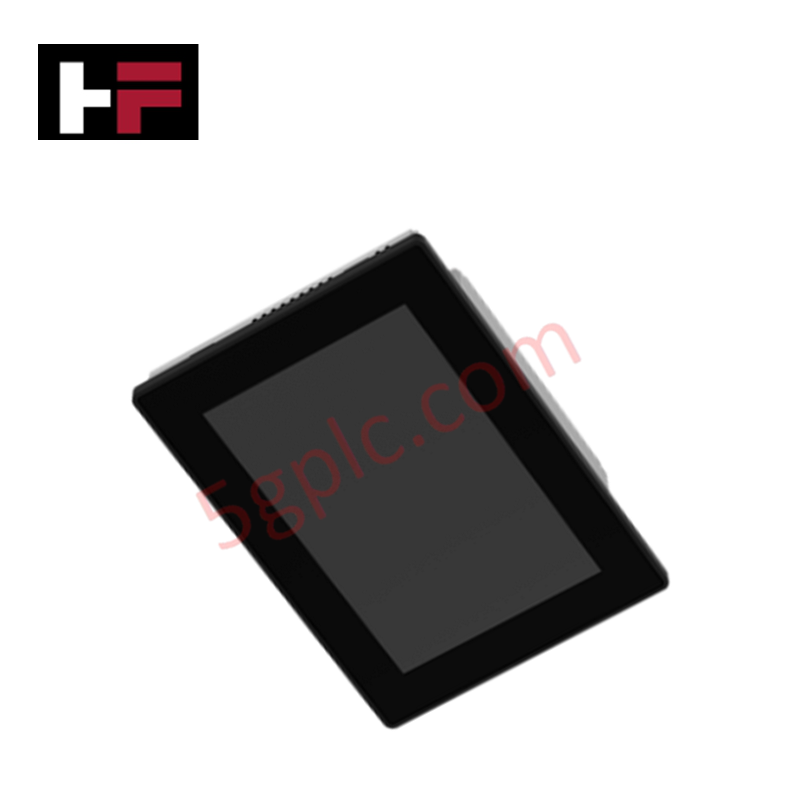
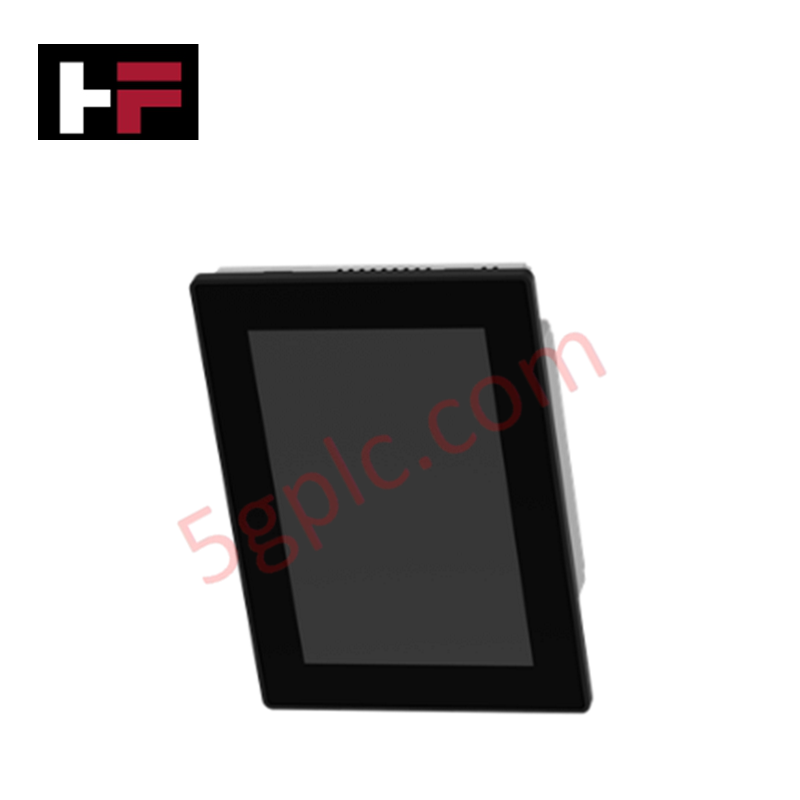
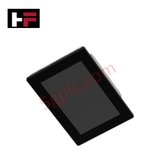
Configured for graphical process monitoring and fieldbus node manipulation in ABB automation networks, the ABB CP6610 1SAP561010R0001 (CP6610 Control Panel) provides direct physical/electrical execution. The unit features a 10.1 in TFT multi-touch screen running PB610 applications and an integrated Chromium browser to process real-time system data across industrial network interfaces.
Hardware Specifications
| Parameter | Specification |
|---|---|
| Model | CP6610 (1SAP561010R0001) |
| Brand | ABB |
| Origin | Germany / Italy |
| Weight | 1.7 kg |
| Dimensions | 282 mm (W) x 197 mm (H) x 64 mm (D) |
| Operating Temp | -20 deg C to +60 deg C |
| Power Consumption | Nominal load via 24 VDC input |
| Display Type | 10.1 in TFT multi-touch screen |
| Resolution | 1280 x 800 pixels (16 M colors) |
| Supply Voltage | 18 VDC to 32 VDC |
| Memory Capacity | 240000 kB |
| Ethernet Ports | 3x Industrial Ethernet |
| USB Ports | 2x USB |
| Protection Rating | IP66 (Front Panel) |
Deterministic Network Backplane and System Signal Integrity
The CP6610 panel incorporates three independent Industrial Ethernet interfaces to execute high-speed data transmission across Profinet and EtherNet/IP deterministic networks. By isolating control-level traffic from local operator inputs, the multi-port architecture prevents network jitter and optimizes I/O density scaling across connected PLC subracks.
With 240000 kB of onboard memory and broad firmware flash compatibility, the hardware executes real-time visualization cycles without interrupting main backplane bus communication velocity. Galvanic power conditioning circuits protect internal processing components against supply voltage fluctuations within the 18 VDC to 32 VDC operating range.
Frequently Asked Questions
Q: What power input range is required to operate the CP6610 panel?
A: The panel operates on a nominal 24 VDC power supply with an acceptable input voltage range of 18 VDC to 32 VDC.
Q: Can the CP6610 panel be installed in outdoor or exposed industrial environments?
A: The front panel meets IP66 ingress protection standards against dust and powerful water jets when properly sealed against the panel cutout.
Q: How many Ethernet interfaces are available for field network communication?
A: The unit includes three independent Industrial Ethernet interfaces to support segmented control network topologies.
Field Installation Guidelines
- Cut the enclosure mounting panel to accommodate the 282 mm x 197 mm frame with a cutout build-in depth of 52 mm.
- Wear a grounded anti-static wrist strap during handling to protect internal electronics from electrostatic discharge.
- Verify that the front gasket is aligned correctly before inserting the unit to maintain the IP66 seal rating.
- Secure all rear mounting clamps evenly to ensure continuous mechanical pressure against the enclosure surface.
- Route 24 VDC power lines and Ethernet cables through separate wire ducts to prevent high-frequency noise interference.
Additional Information
- 100% Genuine Parts: All products are original and authentic, ensuring reliable industrial performance.
- 30-Day Refund Guarantee: Return any in-stock item within 30 days in original, unopened packaging for a full refund (excluding shipping and fees).
- 12-Month Warranty: Covers defects in materials or workmanship; excludes misuse, normal wear, or unauthorized modifications.
- Worldwide Shipping: We ship via USPS, UPS, FedEx, and DHL. Delivery times vary by country and may be subject to customs or import fees.
- Support & Contact: Technical and warranty assistance is available anytime. Contact us here: Contact.
- Purchase Guidance: Check product specifications and compatibility carefully before ordering to ensure proper application.









Tech & Buying Guide

Mastering the Siemens PLC Scan Cycle: How the CPU Executes Automation Programs
Industrial automation relies heavily on programmable logic controllers (PLCs) to manage complex manufacturing processes. Many engineers dive straight into programming without mastering the underlying architecture. However, understanding how a PLC CPU executes a program ensures reliable system design. Therefore, mastering the scan cycle optimizes both performance and troubleshooting in modern control systems.

How to Connect to Siemens S7 PLCs: 5 Essential Communication Methods
Establishing a reliable hardware link between a programming terminal and a Siemens SIMATIC controller is essential for engineering workflows. Field engineers rely on distinct physical layers, ranging from legacy serial connections to high-speed Industrial Ethernet protocols. Modern factory automation environments prioritize fast data transfer and seamless driver integration. Selecting the correct connection method simplifies program downloads, online monitoring, and system troubleshooting in complex control systems.

Will PLCs Become Obsolete? The Future of Control Systems in Industry 4.0
Modern manufacturing is undergoing a rapid technological transformation driven by Industry 4.0 innovations. Technologies like Artificial Intelligence (AI), Machine Learning (ML), and the Industrial Internet of Things (IIoT) are dominating discussions across the factory automation sector. Consequently, many engineers wonder if these advanced digital tools will eventually replace traditional Programmable Logic Controllers (PLCs). However, evaluating the core physics of industrial operations reveals a very different reality for control systems.