










Product Details
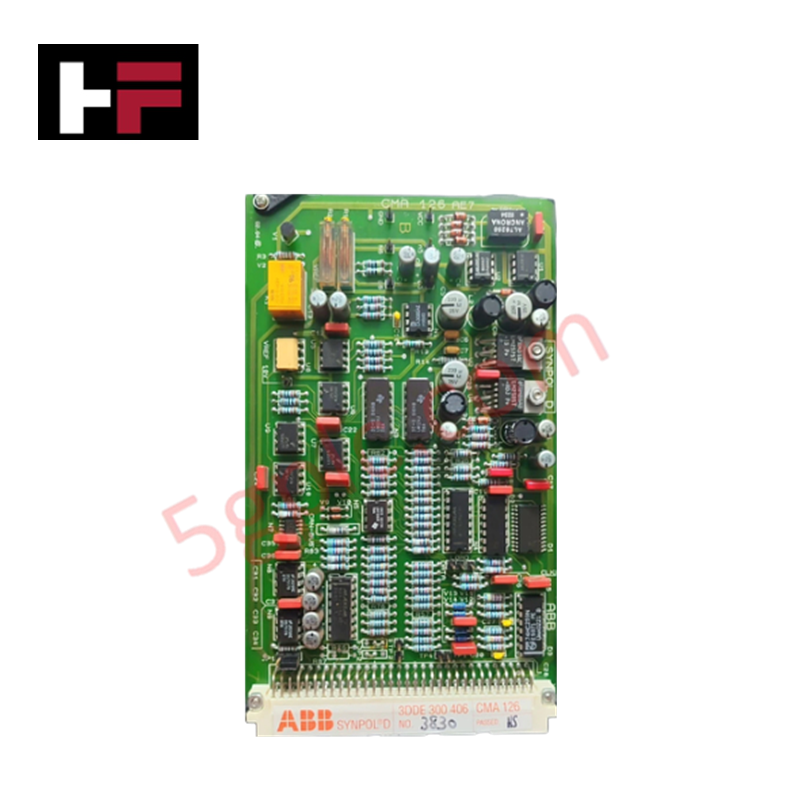
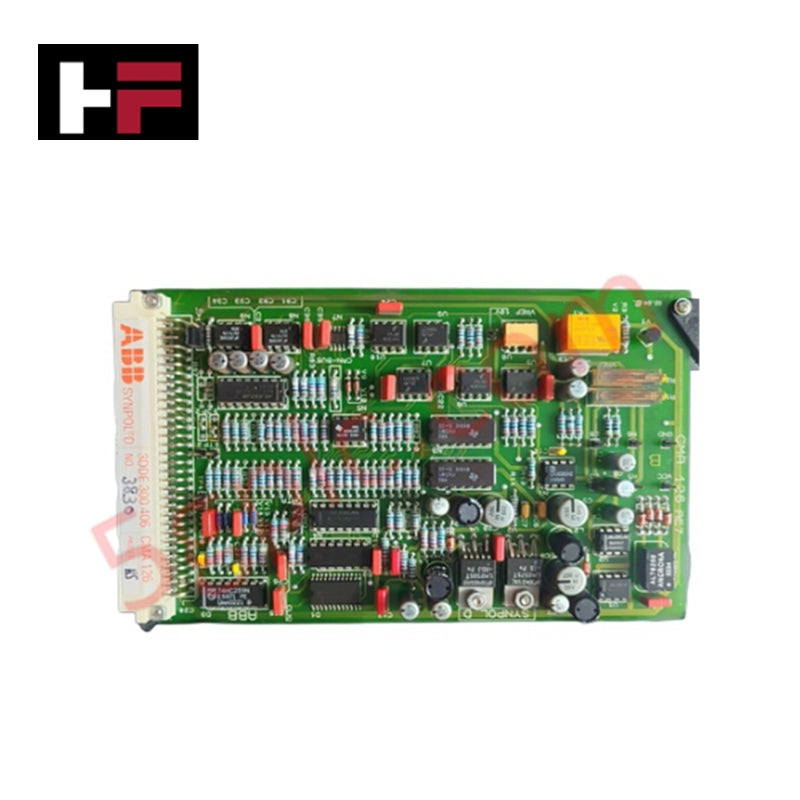
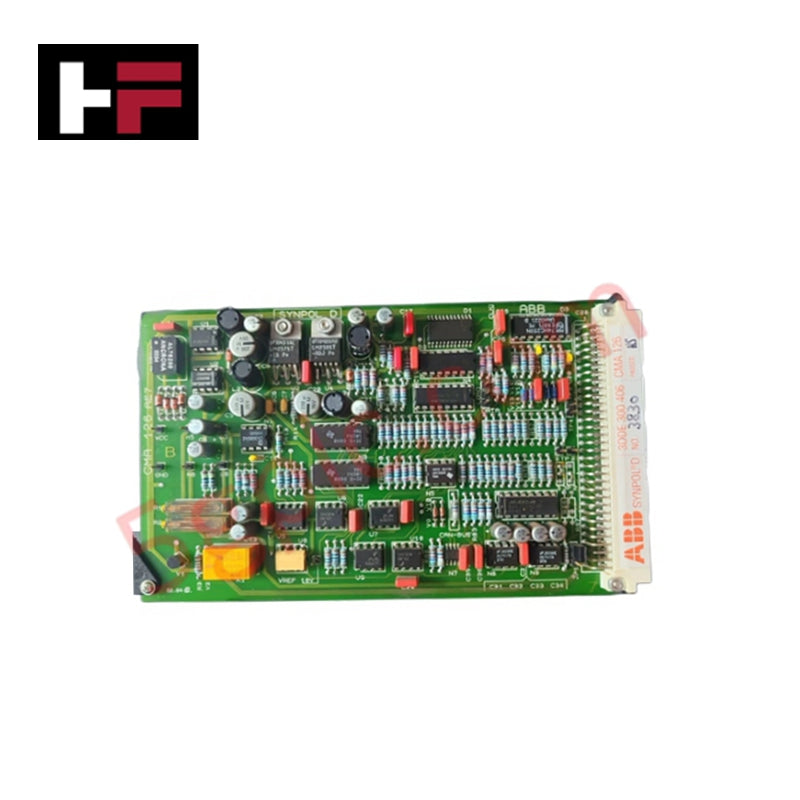
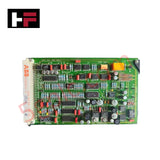
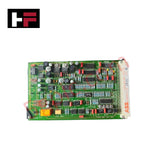
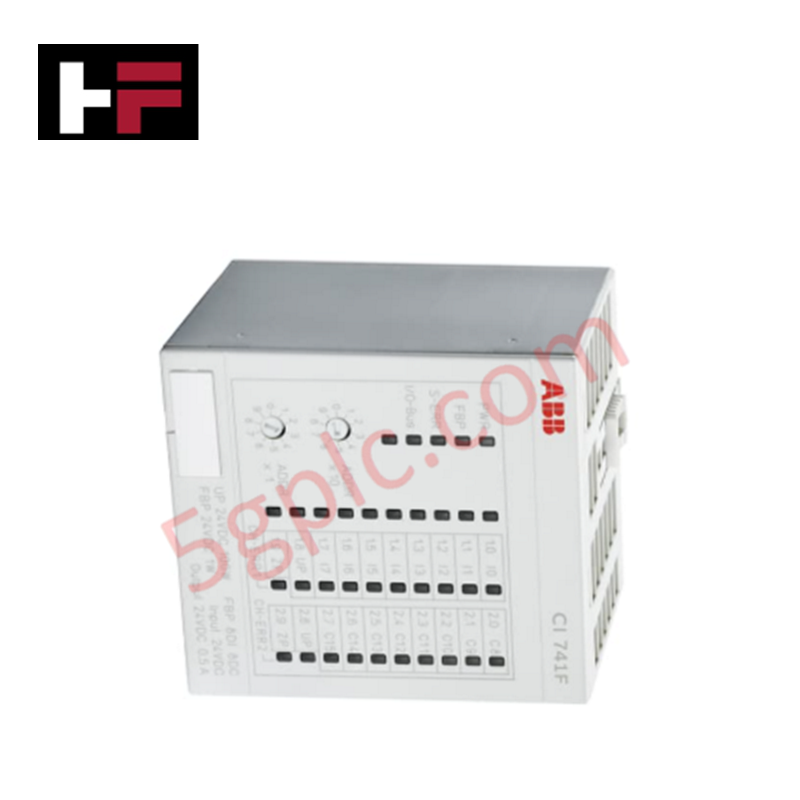
The ABB CMA 128 3DDE 300 408, also cataloged as the CMA 128 Digital I/O Control Module, operates as a dedicated hardware component for binary signal acquisition and solid-state switching execution within ABB control system networks. The module interfaces 8 digital input channels and 8 transistor-based sourcing digital output channels directly to the processor environment. Operating on a 24 VDC nominal field and system supply, the component isolates field-side transients from internal logic structures via optical isolation barriers while executing discrete state changes.
Hardware Specifications
| Parameter | Specification |
|---|---|
| Model | CMA 128 3DDE 300 408 |
| Brand | ABB |
| Origin | Sweden |
| Weight | 0.5 kg |
| Dimensions | 17.6 cm x 10.2 cm x 1.2 cm |
| Operating Temp | 0 to +55 deg C (Standard), -40 to +70 deg C (Extended) |
| Power Consumption | 24 VDC System Supply |
| Digital Inputs | 8 Channels (24 VDC rated) |
| Digital Outputs | 8 Channels (Transistor, sourcing, 0.5 A max per channel) |
| Electrical Isolation | Optical isolation between logic and field wiring |
| Enclosure Protection | IP20 |
| Mounting Method | DIN-rail |
Backplane Bus Communication and Deterministic Networks Alignment
The ABB CMA 128 features integrated backplane bus communication architectures designed to synchronize I/O discrete states with high-velocity host controllers. The physical layer logic optimizes data transfer cycles to match Profinet and EtherNet/IP deterministic networks performance envelopes when routed through the host CPU. By scheduling synchronous updates across the internal bus interface, the card prevents register lag and facilitates predictable I/O density scaling during multi-channel execution sequences.
Frequently Asked Questions
Q: What is the maximum current capacity of the transistor outputs when all 8 channels are energized simultaneously?
A: Each individual sourcing channel is rated for a maximum load of 0.5 A. When multiple channels are active, the cumulative current must not exceed the thermal dissipation limits of the module housing and the backplane power budget boundaries.
Q: Can this digital I/O card be swapped while the backplane bus is actively processing data?
A: No. Hot-swapping this module during active CPU scan cycles can cause localized voltage dips or communicate faults on the system bus. Power to both the field-side terminals and the system backplane must be isolated prior to removal.
Q: How do the digital inputs respond to voltage fluctuations outside the nominal 24 VDC rating?
A: The input circuitry uses strict threshold logic to identify discrete states. Voltages significantly below the nominal rating fail to actuate the optical couplers, preventing false high readings caused by induced wire noise.
Field Installation Guidelines
Mount the module vertically onto a standard grounding-compliant DIN-rail to ensure structural and thermal stability. Field wiring for the 24 VDC digital inputs and transistor outputs must be routed through separate conduits away from AC power lines or high-frequency motor leads to minimize capacitive coupling. All field return paths must connect directly to a single-point common ground terminal block. Maintain unblocked ventilation clearance above and below the module faceplate to enable proper convective airflow when operating within the extended temperature envelope.
Additional Information
- 100% Genuine Parts: All products are original and authentic, ensuring reliable industrial performance.
- 30-Day Refund Guarantee: Return any in-stock item within 30 days in original, unopened packaging for a full refund (excluding shipping and fees).
- 12-Month Warranty: Covers defects in materials or workmanship; excludes misuse, normal wear, or unauthorized modifications.
- Worldwide Shipping: We ship via USPS, UPS, FedEx, and DHL. Delivery times vary by country and may be subject to customs or import fees.
- Support & Contact: Technical and warranty assistance is available anytime. Contact us here: Contact.
- Purchase Guidance: Check product specifications and compatibility carefully before ordering to ensure proper application.






Tech & Buying Guide

Mastering the Siemens PLC Scan Cycle: How the CPU Executes Automation Programs
Industrial automation relies heavily on programmable logic controllers (PLCs) to manage complex manufacturing processes. Many engineers dive straight into programming without mastering the underlying architecture. However, understanding how a PLC CPU executes a program ensures reliable system design. Therefore, mastering the scan cycle optimizes both performance and troubleshooting in modern control systems.

How to Connect to Siemens S7 PLCs: 5 Essential Communication Methods
Establishing a reliable hardware link between a programming terminal and a Siemens SIMATIC controller is essential for engineering workflows. Field engineers rely on distinct physical layers, ranging from legacy serial connections to high-speed Industrial Ethernet protocols. Modern factory automation environments prioritize fast data transfer and seamless driver integration. Selecting the correct connection method simplifies program downloads, online monitoring, and system troubleshooting in complex control systems.

Will PLCs Become Obsolete? The Future of Control Systems in Industry 4.0
Modern manufacturing is undergoing a rapid technological transformation driven by Industry 4.0 innovations. Technologies like Artificial Intelligence (AI), Machine Learning (ML), and the Industrial Internet of Things (IIoT) are dominating discussions across the factory automation sector. Consequently, many engineers wonder if these advanced digital tools will eventually replace traditional Programmable Logic Controllers (PLCs). However, evaluating the core physics of industrial operations reveals a very different reality for control systems.