










Product Details
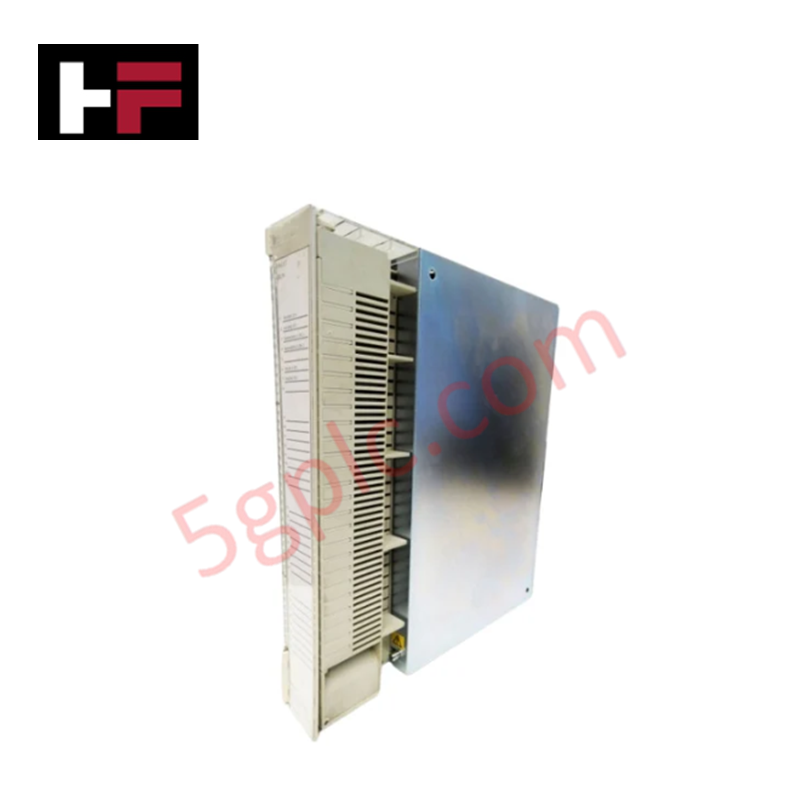
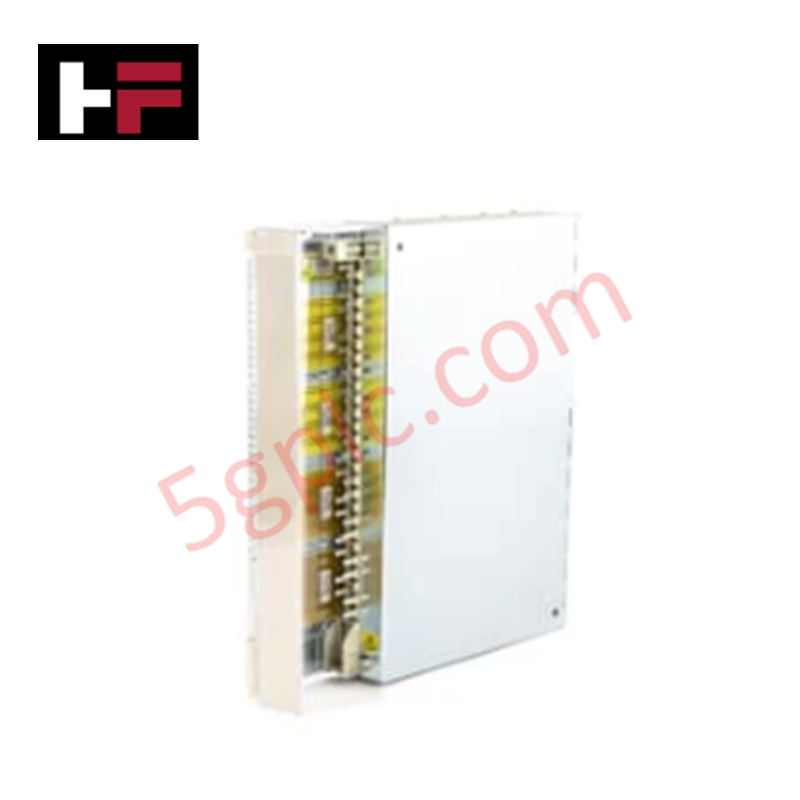
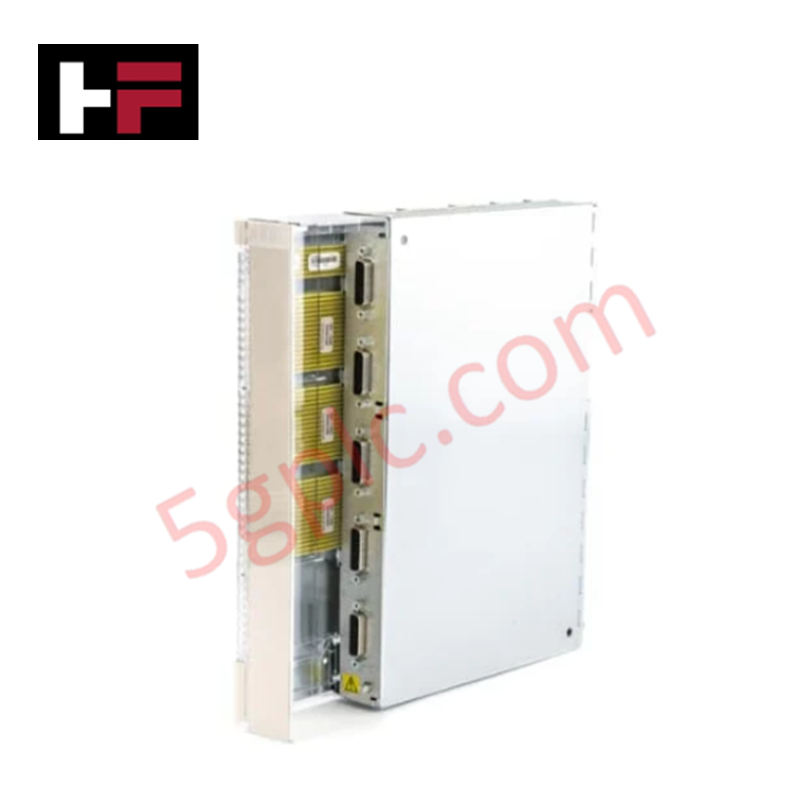
The ABB CI626V1 3BSE012868R1, also cataloged as the CI626V1 Communication Interface Module, operates as a dedicated hardware component for bridging ISA bus architectures and AF100 coaxial networks within Advant OCS and System 800xA platforms.
Hardware Specifications
| Parameter | Specification |
|---|---|
| Model | CI626V1 (3BSE012868R1) |
| Brand | ABB |
| Origin | Sweden |
| Weight | 1.4 kg |
| Dimensions | 25.4 cm x 5.1 cm x 27.9 cm |
| Operating Temp | +5 to +55 deg C (AF100) / -40 to +70 deg C (PROFIBUS) |
| Power Consumption | 2.5 W (24 VDC supplied via system backplane) |
| Communication Protocols | AF100, PROFIBUS DP V1 (Master/Slave) |
| Transmission Rate | 9.6 kbps to 12 Mbps (auto-negotiation) |
| Network Capacity | Supports up to 80 AF100 stations |
| Physical Interface | Integrated coaxial media modems (supports 75-ohm coaxial cabling up to 700 m) |
| Isolation | Galvanic isolation between field modems and internal interface logic |
| Mounting Type | DIN rail or panel mount |
| Protection Rating | IP20 |
Backplane Bus Communication Velocity and Firmware Flash Compatibility
The CI626V1 module manages deterministic message routing between local controller backplanes and AF100 coaxial segments without compromising backplane bus communication velocity. Integrated hardware modems and galvanically isolated transceiver stages maintain high-speed signal integrity across distances up to 700 meters. Built-in firmware flash compatibility across Advant Master and System 800xA nodes allows seamless network expansion, ensuring predictable data update rates and reliable I/O density scaling across redundant system topologies.
Frequently Asked Questions
Q: How is power provided to the CI626V1 communication module?
A: Power is drawn directly from the host system backplane at 24 VDC, with total module power dissipation rated at 2.5 W.
Q: What physical cabling and maximum segment length are supported for the AF100 interface?
A: The onboard integrated modems connect via standard 75-ohm coaxial cable, supporting point-to-point and bus segment distances up to 700 meters.
Q: Is galvanic isolation integrated into the modem interfaces?
A: Yes, the module features galvanic isolation positioned between the coaxial modems and internal logic circuitry to suppress ground loops and electrical transients.
Field Installation Guidelines
- Power down the rack chassis and verify complete system electrical isolation prior to mounting or unseating the CI626V1 module.
- Wear an ESD wrist strap connected to cabinet earth ground when handling the board assembly.
- Secure the chassis onto the DIN rail or panel mounting surface, ensuring the IP20 housing latches securely in place.
- Attach 75-ohm coaxial cables to the integrated media modem connectors, maintaining minimum cable bend radii and ensuring proper connector shield grounding.
- Apply backplane power to the rack and verify network boot status via diagnostic LED indicators during initialization.
Additional Information
- 100% Genuine Parts: All products are original and authentic, ensuring reliable industrial performance.
- 30-Day Refund Guarantee: Return any in-stock item within 30 days in original, unopened packaging for a full refund (excluding shipping and fees).
- 12-Month Warranty: Covers defects in materials or workmanship; excludes misuse, normal wear, or unauthorized modifications.
- Worldwide Shipping: We ship via USPS, UPS, FedEx, and DHL. Delivery times vary by country and may be subject to customs or import fees.
- Support & Contact: Technical and warranty assistance is available anytime. Contact us here: Contact.
- Purchase Guidance: Check product specifications and compatibility carefully before ordering to ensure proper application.






Tech & Buying Guide

The Shift to Flexible IO Modules in Modern Industrial Automation
Traditional control systems rely on dedicated Input Output (IO) cards for industrial automation. Each conventional module processes a single signal type, such as Digital Input (DI), Digital Output (DO), Analog Input (AI), or Analog Output (AO). A standard 16-channel card accepts only one specific channel type across all ports. This inflexible hardware design often creates severe engineering bottlenecks during project execution. Engineers frequently must install entirely new cards to accommodate a single extra sensor. Consequently, late design changes increase control cabinet space requirements and drive up project costs.

DCS Commissioning Steps in Industrial Automation Projects
Commissioning a Distributed Control System (DCS) represents a crucial milestone when deploying modern process automation infrastructure. Field engineers must execute systematic verification steps to transition complex control hardware from static installation to dynamic plant control. Proper commissioning ensures that controllers, I/O modules, network switches, and HMI software operate in strict compliance with engineering design specifications before introducing live process fluids.

PLC and DCS Control System Spares Strategy: Engineering Guidelines
Modern factory automation relies on high-speed fiber optic backbones to link distributed control systems across noise-intensive industrial environments. Unlike copper wiring, optical fibers transmit data via light pulses, making them completely immune to electromagnetic interference (EMI). Field engineers must master optical cable joining and fusion splicing techniques to guarantee low-loss data transmission across critical Programmable Logic Controller (PLC) and Distributed Control System (DCS) nodes.