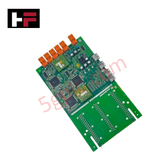
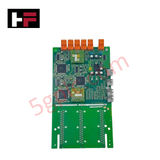
Product Details
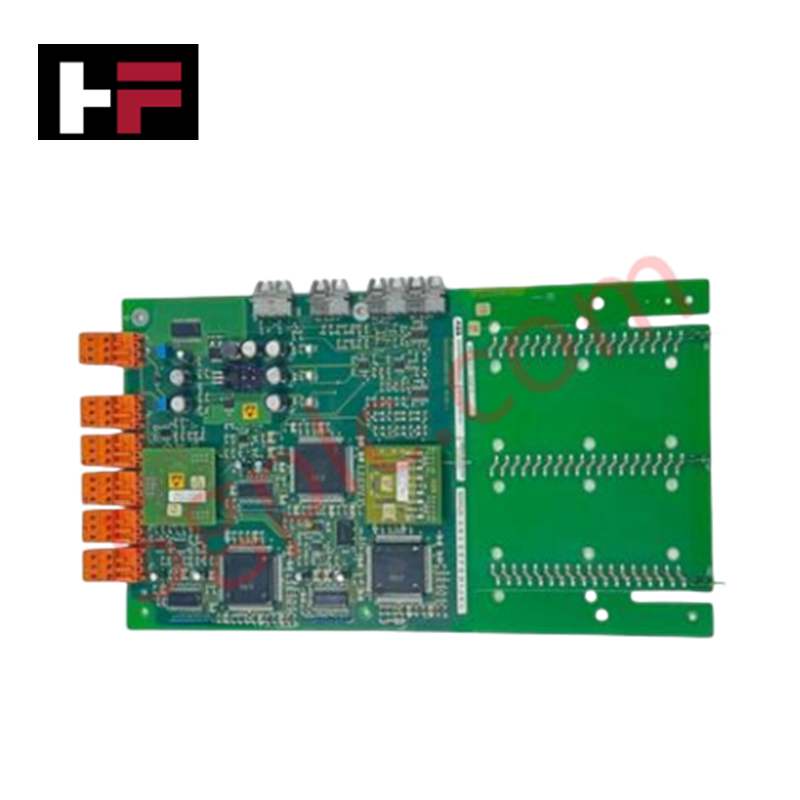
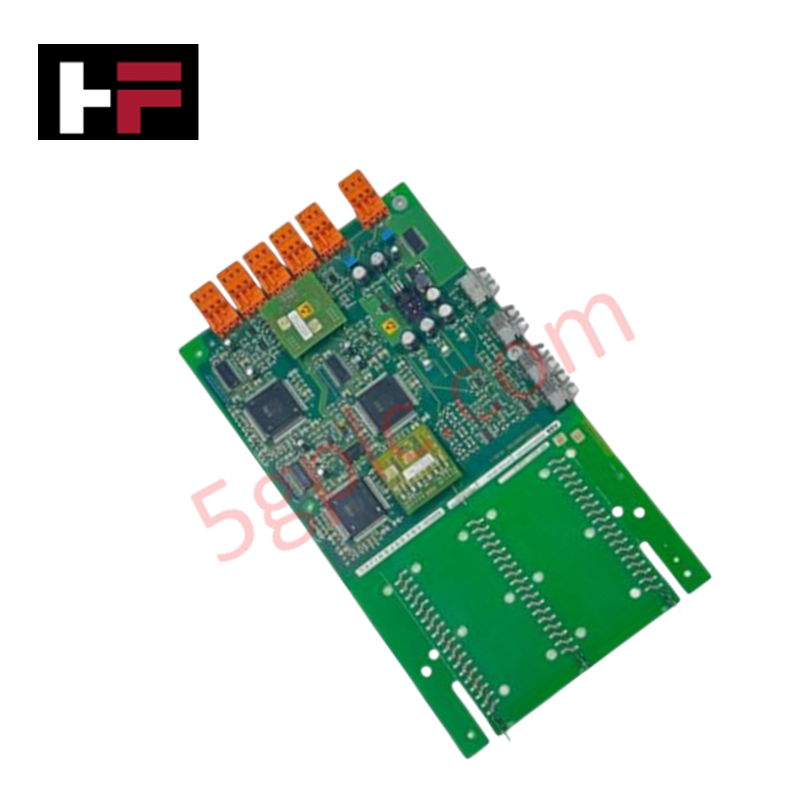
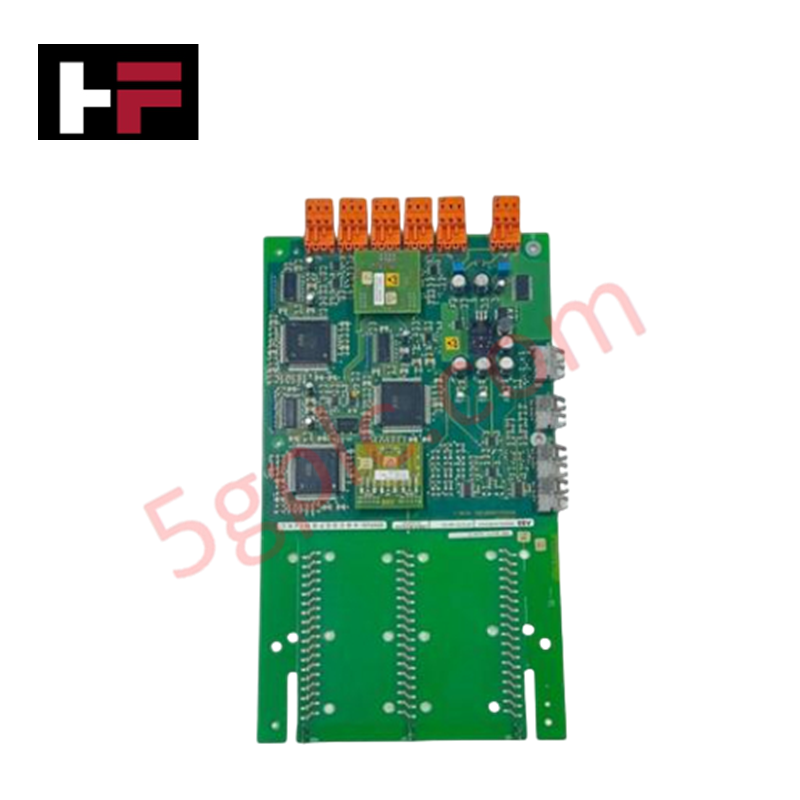
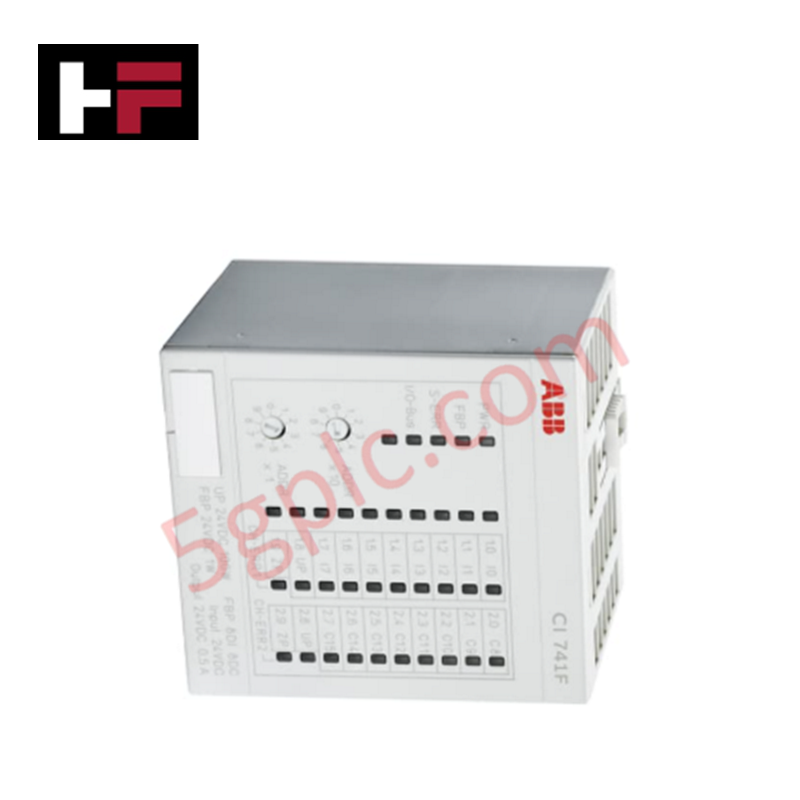
Configured for analog-to-digital signal conversion in control platforms, the ABB UFC721BE101 (3BHE021889R0101 ADCVI-BOARD) provides direct physical signal processing for feedback loop execution.
Hardware Specifications
| Parameter | Specification |
|---|---|
| Model | UFC721BE101 |
| Brand | ABB |
| Part Number | 3BHE021889R0101 |
| Origin | Sweden |
| Weight | 0.2 kg |
| Dimensions | 279 mm x 29 mm x 483 mm |
| Operating Temp | Standard industrial ambient |
| Power Consumption | System backplane dependent |
Profinet / EtherNet/IP deterministic networks
The UFC721BE101 operates as a high-speed data acquisition interface, managing backplane bus communication velocity to maintain deterministic synchronization with the controller CPU. The module executes I/O density scaling to handle high-resolution analog inputs, ensuring that signal conversion latencies remain within system-defined tolerances. Firmware flash compatibility is strictly dependent on the host control unit's revision; firmware updates must be performed via the engineering console to align with the specific hardware ID of the board. The module architecture facilitates transparent communication across the backplane, supporting real-time data streaming required for precise loop control.
Frequently Asked Questions
Q: Does the UFC721BE101 support hot-swapping within an active rack?
A: No. Hot-swapping is not permitted. Power must be removed from the backplane prior to module extraction or insertion to prevent electrical transients from damaging the communication bus pins or internal conversion logic.
Q: How is the module synchronized with the master control loop?
A: Synchronization is achieved through the backplane bus timing signals managed by the primary controller. Proper module slot assignment in the system configuration is required to establish the correct interrupt priority and data exchange cycle.
Field Installation Guidelines
- Mounting: Align the board with the rack's guide rails and insert until the connector is fully seated. Tighten the front panel fasteners to ensure mechanical stability.
- Grounding: Establish a low-impedance connection from the module chassis to the cabinet earth ground. This path is mandatory for EMI suppression and the protection of sensitive analog signal paths.
- Signal Shielding: Use shielded twisted-pair cabling for all analog inputs. Connect the shields to the designated cabinet ground terminals to minimize inductive noise coupling from high-voltage AC lines.
- Thermal Management: Ensure that airflow around the module is not obstructed. Adequate ventilation is necessary to maintain the board's operational accuracy and component lifespan.
- Inspection: Before integration, inspect the backplane connector pins for evidence of corrosion or mechanical deformation. Verify that the module enclosure is free of conductive dust or foreign objects.
Additional Information
- 100% Genuine Parts: All products are original and authentic, ensuring reliable industrial performance.
- 30-Day Refund Guarantee: Return any in-stock item within 30 days in original, unopened packaging for a full refund (excluding shipping and fees).
- 12-Month Warranty: Covers defects in materials or workmanship; excludes misuse, normal wear, or unauthorized modifications.
- Worldwide Shipping: We ship via USPS, UPS, FedEx, and DHL. Delivery times vary by country and may be subject to customs or import fees.
- Support & Contact: Technical and warranty assistance is available anytime. Contact us here: Contact.
- Purchase Guidance: Check product specifications and compatibility carefully before ordering to ensure proper application.






Tech & Buying Guide

Voice-Activated Industrial Automation: Integrating Speech Control into PLC and DCS Architectures
Industrial automation integrates speech recognition, IIoT protocols, and NLP with PLCs and DCS to streamline operations. By leveraging advanced edge computing, engineers enable real-time, hands-free control—allowing personnel to manage smart factory processes safely away from hazardous equipment.
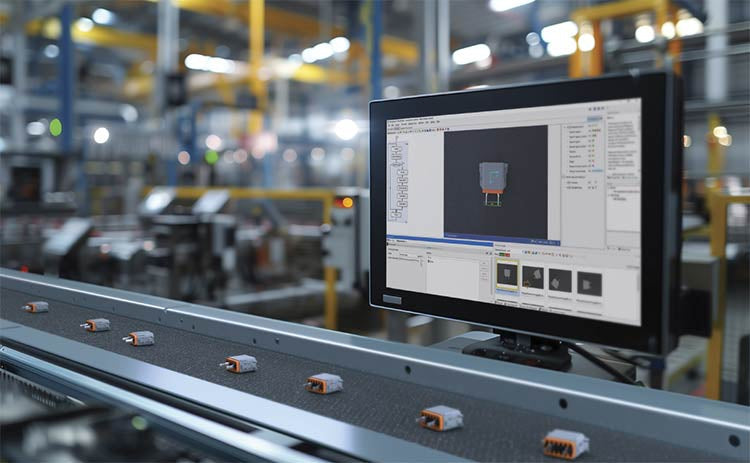
Modern Industrial Automation: Transforming Safety and Efficiency in Mining Operations
Industrial automation has evolved from a simple manufacturing tool into the operational backbone of high-risk sectors. Modern mining operations increasingly rely on advanced control systems, programmable logic controllers (PLCs), distributed control systems (DCS), and artificial intelligence to address deep-underground hazards. By replacing manual labor in high-risk zones, factory automation technologies protect personnel while significantly boosting operational throughput.