










Product Details
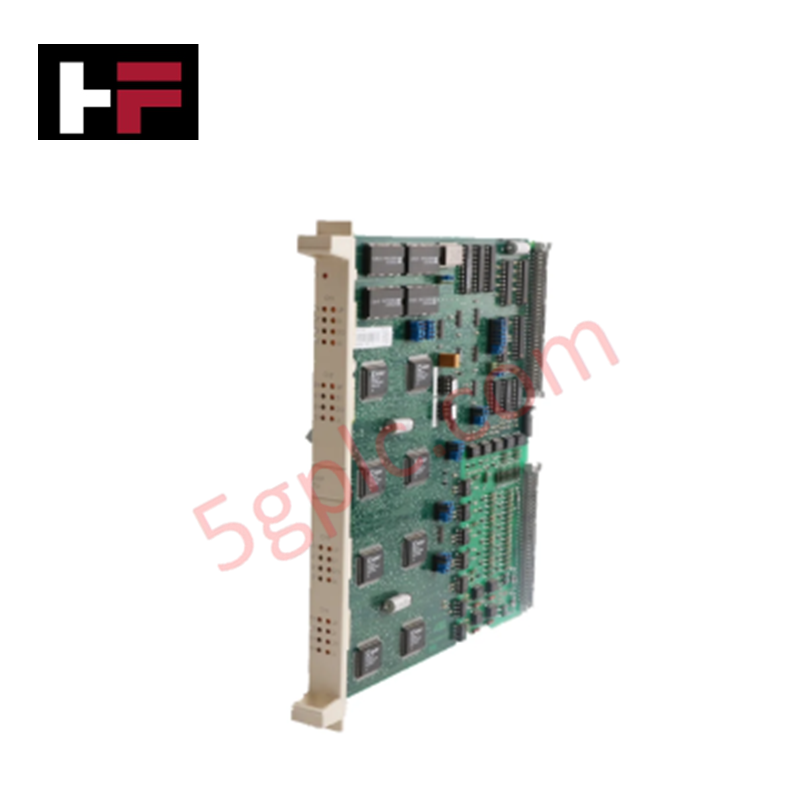
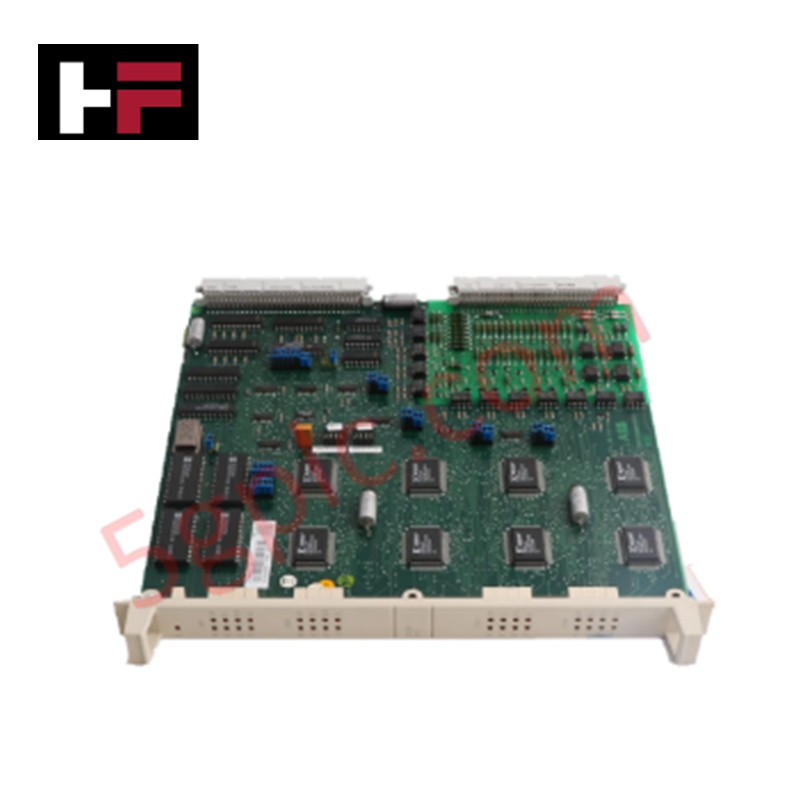
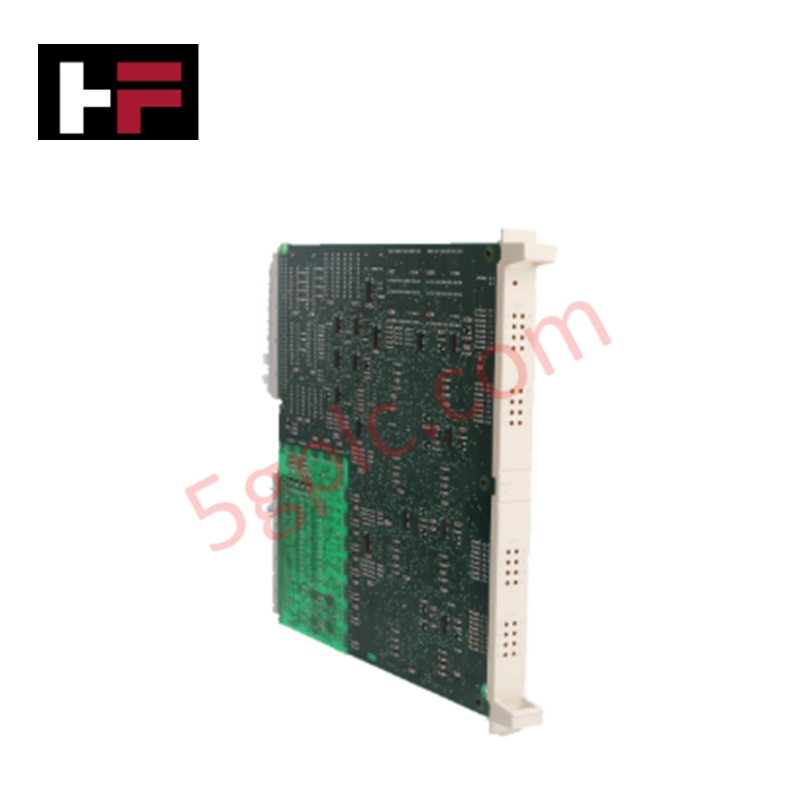
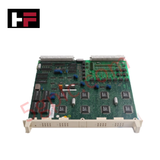
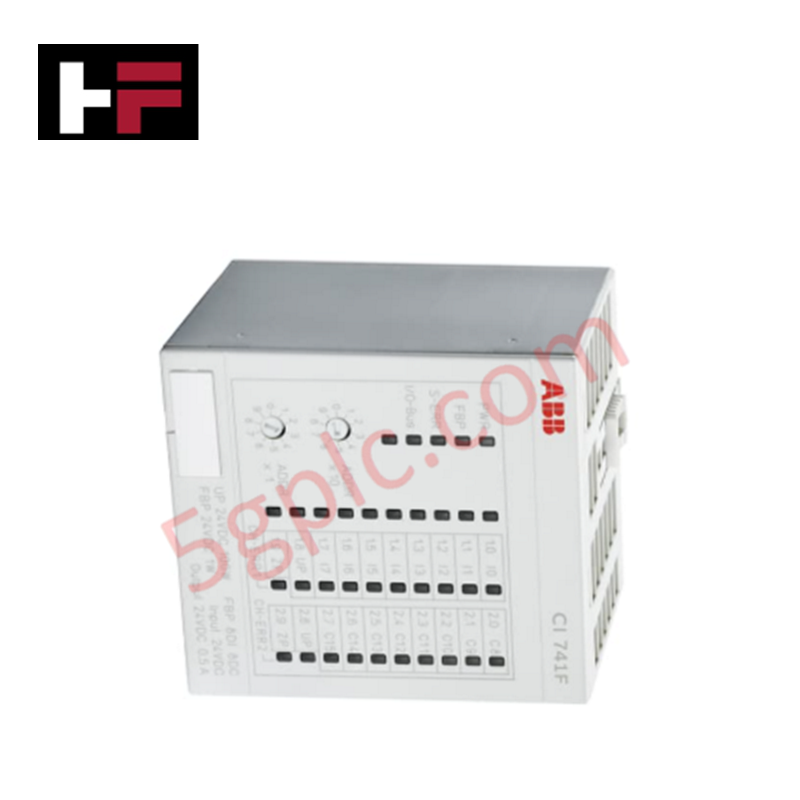
The ABB PS861E 1JNL100114-077, also cataloged as the PS861E High-Performance I/O DSP Board, operates as a dedicated hardware component for high-speed digital signal processing and I/O bus control within ABB automation system architectures. It executes low-latency algorithmic processing and real-time signal calculations directly at the I/O interface layer.
Hardware Specifications
| Parameter | Specification |
|---|---|
| Model | PS861E 1JNL100114-077 |
| Brand | ABB |
| Origin | Sweden |
| Operating Temp | 0 to 55 deg C |
| Power Consumption | Backplane Powered via System Bus |
| Product Type | High Performance I/O DSP Board |
| Signal Processing | Dedicated Hardware Digital Signal Processor (DSP) |
| Architecture | Rack-mounted Industrial System Interface |
Backplane Bus & High-Speed Deterministic Scaling
The ABB PS861E I/O DSP board manages continuous high-speed signal updates across backplane bus communication velocity channels, enabling dynamic I/O density scaling without throughput degradation. Dedicated hardware DSP coprocessors filter, scale, and process complex high-frequency field inputs before routing formatted data blocks to the primary system controller. Internal memory structures maintain strict firmware flash compatibility, preventing register mapping offset during host controller synchronization routines across deterministic networks.
Frequently Asked Questions
Q: Does the PS861E DSP board require an external dedicated power supply connection?
A: No, the PS861E board draws required operating voltages directly from the host system chassis backplane bus structure upon rack insertion.
Q: How does onboard digital signal processing affect system backplane bus utilization?
A: Local execution of mathematical algorithms and signal filtering on the DSP reduces raw data transmission cycles across the backplane bus, optimizing overall system communication speed.
Q: Can the PS861E module be extracted while backplane logic bus power is applied?
A: Module removal must follow standard system rack procedures; power down the chassis segment or verify hot-swap rack capability before removing the board to prevent bus disruption.
Field Installation Guidelines
- Remove power from the host rack chassis and establish ESD grounding protection prior to handling the PS861E circuit assembly.
- Align the board card edges carefully with the designated rack subrack card guides.
- Slide the module inward until backplane multi-pin connectors mate securely without applying excessive mechanical force.
- Fasten all front panel captive retaining screws to secure the board within the rack frame and establish proper chassis grounding contact.
- Re-energize system backplane power and verify module diagnostic LED status indicators during initial boot-up initialization.
Additional Information
- 100% Genuine Parts: All products are original and authentic, ensuring reliable industrial performance.
- 30-Day Refund Guarantee: Return any in-stock item within 30 days in original, unopened packaging for a full refund (excluding shipping and fees).
- 12-Month Warranty: Covers defects in materials or workmanship; excludes misuse, normal wear, or unauthorized modifications.
- Worldwide Shipping: We ship via USPS, UPS, FedEx, and DHL. Delivery times vary by country and may be subject to customs or import fees.
- Support & Contact: Technical and warranty assistance is available anytime. Contact us here: Contact.
- Purchase Guidance: Check product specifications and compatibility carefully before ordering to ensure proper application.






Tech & Buying Guide

Will PLCs Become Obsolete? The Future of Control Systems in Industry 4.0
Modern manufacturing is undergoing a rapid technological transformation driven by Industry 4.0 innovations. Technologies like Artificial Intelligence (AI), Machine Learning (ML), and the Industrial Internet of Things (IIoT) are dominating discussions across the factory automation sector. Consequently, many engineers wonder if these advanced digital tools will eventually replace traditional Programmable Logic Controllers (PLCs). However, evaluating the core physics of industrial operations reveals a very different reality for control systems.

Demystifying Open Platform Communication (OPC): The Backbone of Industrial Interoperability
Interoperability remains a cornerstone requirement for modern smart factories and process automation. Open Platform Communication (OPC) bridges the gap between disparate hardware platforms, control systems, and visualization software. By establishing a universal communication standard, OPC allows field controllers, SCADA platforms, and enterprise software from different vendors to exchange real-time data seamlessly.

Understanding Siemens PLC Memory Cards: MMC, SMC, and SD Solutions in Industrial Automation
Memory management plays a pivotal role in maintaining control system reliability across modern manufacturing plants. Industrial control systems rely on specialized memory cards to store project logic, firmware updates, and retentive system data. Siemens uses several memory architectures, including Micro Memory Cards (MMC) and SIMATIC Memory Cards (SMC). Engineers must understand these hardware variations to ensure zero data loss and minimize downtime during maintenance routines.