












Product Details
Product Description
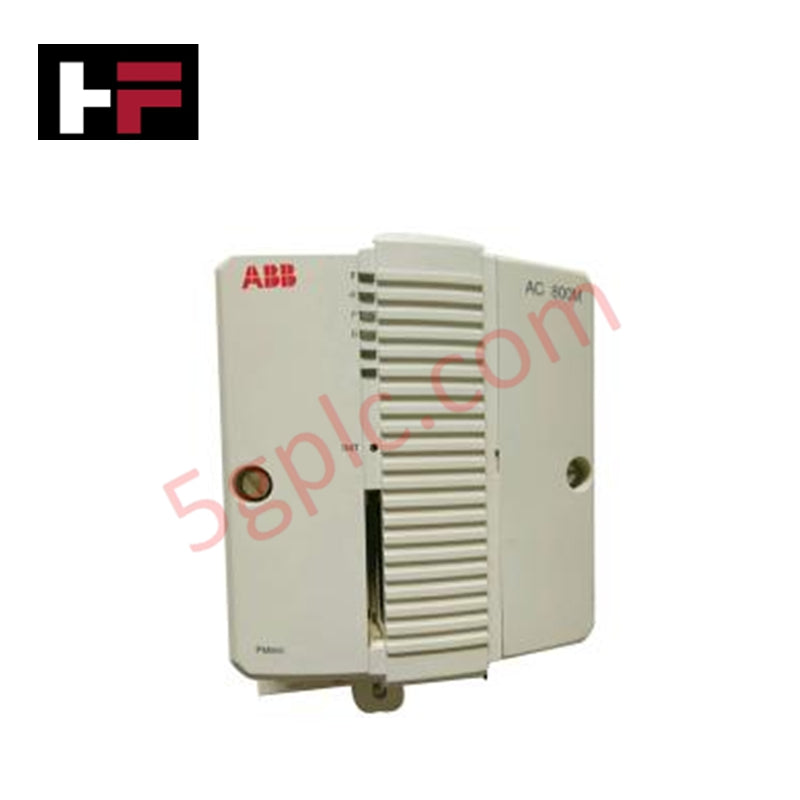
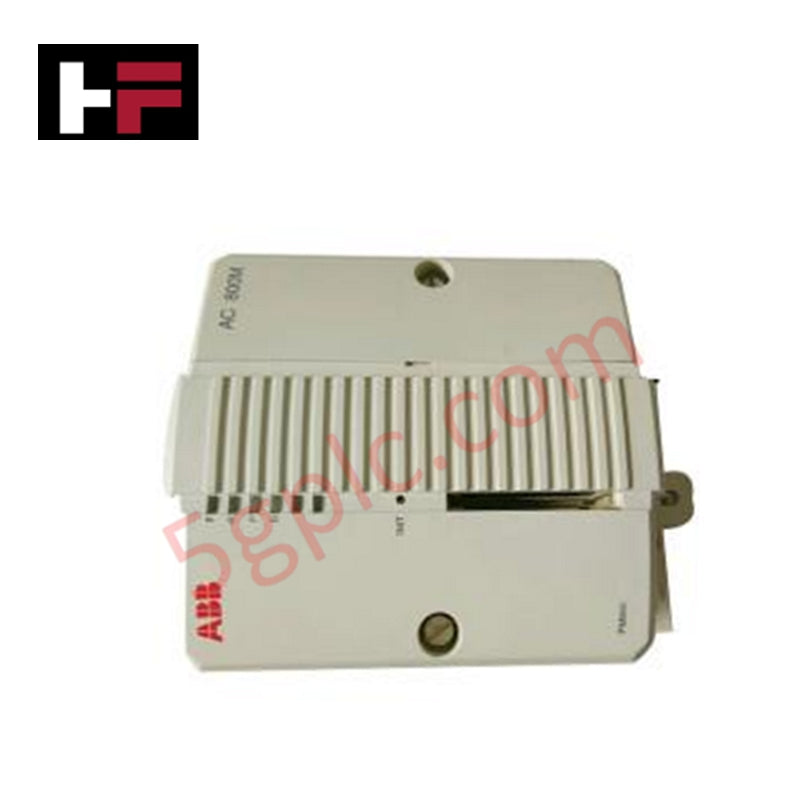
The PM858 (3BSE093350R1) processor unit is part of ABB’s AC800M controller family, designed to provide reliable computing performance for distributed control systems. It supports multiple applications, fast cycle times, and robust communication interfaces, making it suitable for high-demand industrial automation environments.
Technical Specifications
-
Processor: MPC866 embedded CPU
-
Redundancy Switch-over Time: ≤ 10 ms (in redundant configurations)
-
Application Handling:
-
32 applications per controller
-
64 programs per application
-
128 diagrams per application
-
32 tasks per controller
-
Cycle Times:
-
32 configurable cycle times
-
Minimum cycle time down to 1 ms
-
Firmware Storage: 4 MB Flash PROM
-
Power Supply: 24 V DC (range 19.2–30 V DC)
-
Power Consumption: Typical 210 mA, maximum 360 mA
-
Power Dissipation: 5.1 W (maximum 8.6 W)
-
Backup Battery: Lithium 3.6 V
-
Clock Synchronization: 1 ms accuracy via CNCP protocol
-
Event Handling:
-
Up to 3000 events per OPC client
-
Transmission speed: 36–86 events/sec, 113–143 data messages/sec
-
Communication Modules (CEX bus): Up to 12 modules, max 2.4 A supply current
-
I/O Clusters:
-
Non-redundant CPU: 1 electrical + 7 optical
-
Redundant CPU: 7 optical
-
I/O Capacity: Max 96 modules (single PM866) or 84 modules (redundant PM866)
-
Modulebus Scan Rate: 0–100 ms (depending on I/O count)
-
Electrical Modulebus Supply Current:
-
24 V: max 1.0 A
-
5 V: max 1.5 A
-
Ethernet:
-
2 channels, IEEE 802.3 standard
-
10 Mbit/s, RJ-45 (8-pole female)
-
Control Network Protocols: MMS and IAC
-
Recommended Backbone: 100 Mbit/s switched Ethernet
-
Real-time Clock Stability: 100 ppm (~1 h/year)
-
RS-232 Interfaces:
-
2 ports (general + service tool)
-
COM3 (non-redundant only): 75–19,200 baud, RJ-45, full RTS-CTS support
-
COM4 (non-redundant only): 9,600 baud, RJ-45, opto-isolated, no RTS-CTS support
Application Scenarios
-
Redundant CPU configurations for mission-critical process industries
-
OPC-based event-driven automation systems
-
Distributed control networks requiring synchronized cycle times
FAQ
Q: How many applications can the PM858 handle? A: Up to 32 applications per controller, with 64 programs per application.
Q: What is the redundancy switch-over time? A: Maximum 10 ms, ensuring minimal disruption in redundant setups.
Q: How does PM858 compare to PM866? A: PM858 is optimized for redundancy and synchronization, while PM866 supports higher I/O capacity in single configurations.
Q: What communication protocols are supported? A: MMS and IAC, with Ethernet IEEE 802.3 standard interfaces.
Additional Information
- 100% Genuine Parts: All products are original and authentic, ensuring reliable industrial performance.
- 30-Day Refund Guarantee: Return any in-stock item within 30 days in original, unopened packaging for a full refund (excluding shipping and fees).
- 12-Month Warranty: Covers defects in materials or workmanship; excludes misuse, normal wear, or unauthorized modifications.
- Worldwide Shipping: We ship via USPS, UPS, FedEx, and DHL. Delivery times vary by country and may be subject to customs or import fees.
- Support & Contact: Technical and warranty assistance is available anytime. Contact us here: Contact.
- Purchase Guidance: Check product specifications and compatibility carefully before ordering to ensure proper application.






Tech & Buying Guide

Comprehensive Guide to Instrumentation and Control (I&C) Design Basis
Instrumentation and Control (I&C) Design Basis serves as the foundational technical document for modern plant engineering. Project teams rely on this master specification to govern engineering deliverables across front-end engineering design (FEED) and detailed execution phases. A well-constructed I&C design basis ensures seamless integration among field instrumentation, safety systems, and main control systems. Furthermore, establishing clear technical standards early mitigates execution risks and prevents costly re-engineering during plant commissioning.

The Shift to Flexible IO Modules in Modern Industrial Automation
Traditional control systems rely on dedicated Input Output (IO) cards for industrial automation. Each conventional module processes a single signal type, such as Digital Input (DI), Digital Output (DO), Analog Input (AI), or Analog Output (AO). A standard 16-channel card accepts only one specific channel type across all ports. This inflexible hardware design often creates severe engineering bottlenecks during project execution. Engineers frequently must install entirely new cards to accommodate a single extra sensor. Consequently, late design changes increase control cabinet space requirements and drive up project costs.

DCS Commissioning Steps in Industrial Automation Projects
Commissioning a Distributed Control System (DCS) represents a crucial milestone when deploying modern process automation infrastructure. Field engineers must execute systematic verification steps to transition complex control hardware from static installation to dynamic plant control. Proper commissioning ensures that controllers, I/O modules, network switches, and HMI software operate in strict compliance with engineering design specifications before introducing live process fluids.