










Product Details
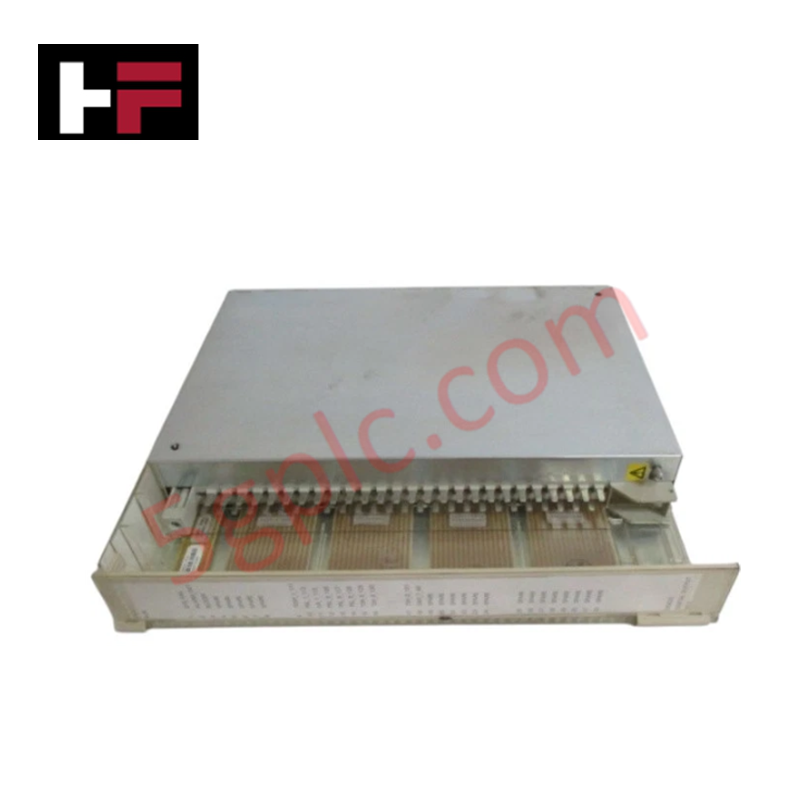
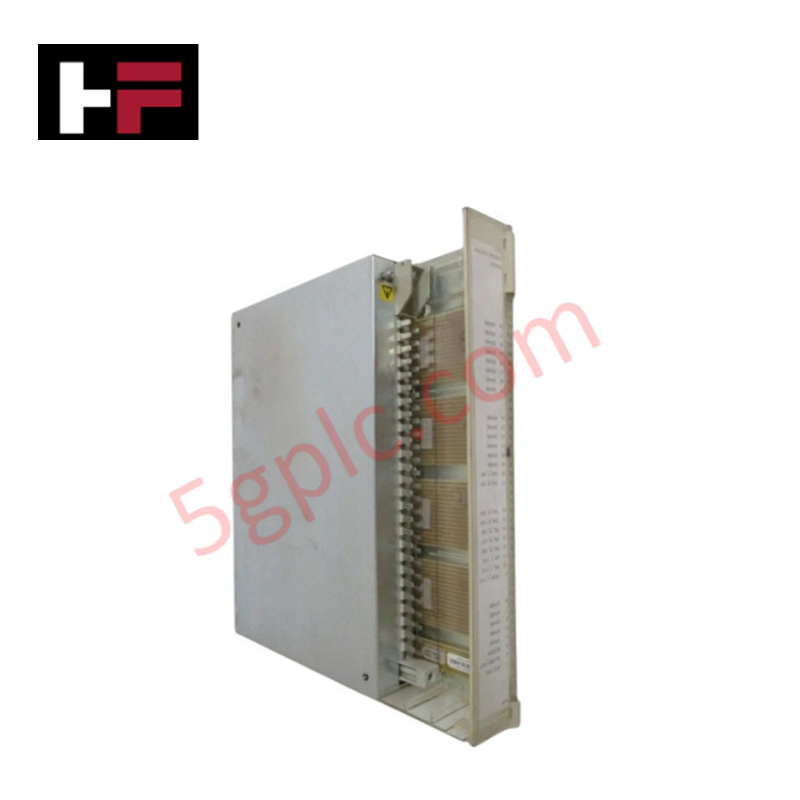
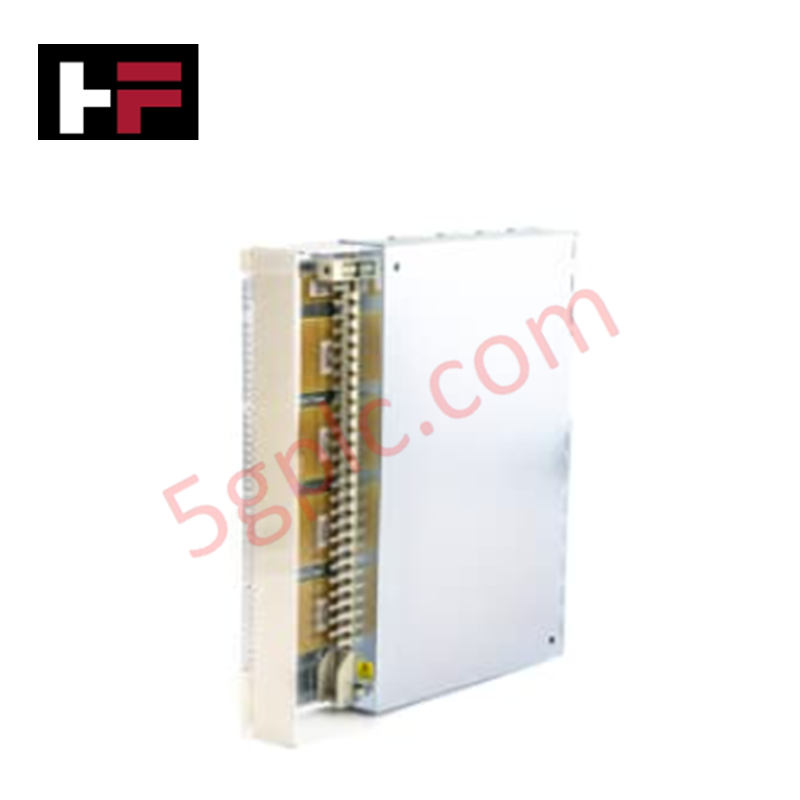
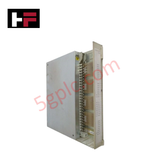
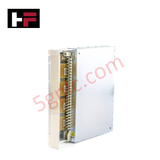
Configured for central processing logic execution in Advant Controller 110 networks, the ABB 3BSE005831R1, also cataloged as the PM632 Processor Unit, provides direct physical/electrical execution.
Hardware Specifications
| Parameter | Specification |
|---|---|
| Model | PM632 (3BSE005831R1) |
| Brand | ABB |
| Origin | Sweden |
| Weight | 1.2 kg |
| Dimensions | Standard Advant Controller 110 slot width module profile |
| Operating Temp | 0 to +55 deg C standard internal cabinet ambient |
| Power Consumption | System backplane logic rail matching draw |
| Product Type | CPU Processors |
| Processor Core | MC68000 operating at 16 MHz clock velocity |
| Internal Battery Option | Supported via battery replacement kit GJR5146300R9 |
| Functional Status | Direct component for Advant Controller 110 framework |
| Replacement Legacy Part ID | 3BSE008062R1 |
Backplane Bus Communication Velocity and Firmware Compatibility
The ABB PM632 processes digital state calculations utilizing its 16 MHz MC68000 micro-architecture. Internal processing operations synchronize directly with the chassis rack data paths, defining the module backplane bus communication velocity across peripheral I/O cards. The logic module structure maintains strict firmware flash compatibility across runtime networks, allowing the processing core to run logic block tasks while sustaining deterministic Profinet or EtherNet/IP communication profiles via corresponding carrier interfaces. This arrangement prevents transmission jitter during simultaneous data retrieval and cyclic memory scan iterations.
Frequently Asked Questions
Q: Can the PM632 processing card be hot-swapped while the subrack backplane bus is energized?
A: No. The MC68000 logic components and parallel address lines do not incorporate current-limiting isolation switches for hot insertion. Removing or installing the card while the backplane rail is live can cause logic errors or permanent electrical damage.
Q: How is volatile application memory retained during a total loss of system power feed?
A: Volatile data retention relies on the external battery replacement kit (part designation GJR5146300R9). If the backup cell voltage drops below nominal tolerances, RAM data will be cleared upon a power cycle.
Field Installation Guidelines
- Power down the complete Advant Controller 110 subrack assembly before aligning the module into its designated slot.
- Slide the circuit card assembly smoothly along the chassis guide rails until the high-density edge connectors fit tightly into the backplane matrix.
- Tighten all faceplate retention fasteners to secure the module frame to the common grounded chassis structure.
- Verify that the battery connection wire is plugged into the onboard connector if persistent data configuration storage is needed.
Additional Information
- 100% Genuine Parts: All products are original and authentic, ensuring reliable industrial performance.
- 30-Day Refund Guarantee: Return any in-stock item within 30 days in original, unopened packaging for a full refund (excluding shipping and fees).
- 12-Month Warranty: Covers defects in materials or workmanship; excludes misuse, normal wear, or unauthorized modifications.
- Worldwide Shipping: We ship via USPS, UPS, FedEx, and DHL. Delivery times vary by country and may be subject to customs or import fees.
- Support & Contact: Technical and warranty assistance is available anytime. Contact us here: Contact.
- Purchase Guidance: Check product specifications and compatibility carefully before ordering to ensure proper application.






Tech & Buying Guide
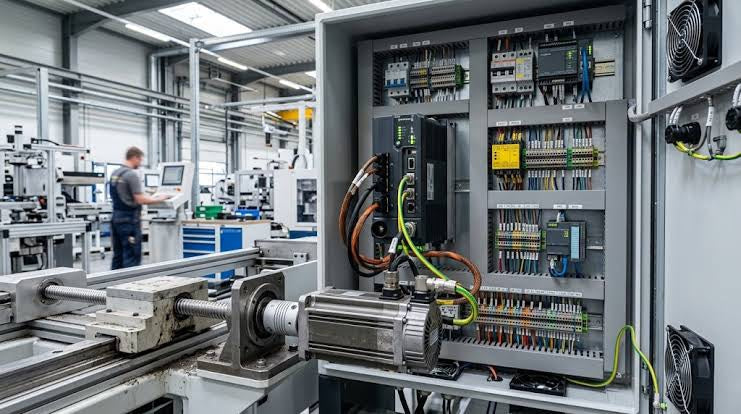
Demystifying Programmable Logic Controllers: Comprehensive Guide to PLC Classification and Selection in Industrial Automation
Modern industrial automation heavily relies on Programmable Logic Controllers (PLCs) to drive factory floor efficiency. Over my 15 years as an industrial automation expert working with DCS, TSI, and control systems, I have seen PLCs evolve into the central nervous system of modern manufacturing. Selecting the right controller requires a deep understanding of PLC types based on physical size, hardware architecture, and power supply configurations.

Comprehensive Guide to PLC Types in Modern Industrial Automation
Modern industrial automation relies on programmable logic controllers to govern critical factory operations. System integrators classify PLCs based on scale, hardware architecture, and power supply design. Understanding these core categories enables automation engineers to select the right control system architecture. Consequently, proper hardware selection optimizes performance while minimizing long-term operational costs.

Demystifying the DDE Protocol in Legacy Industrial Automation Systems
Modern control systems rely heavily on seamless interprocess communication to exchange operational data between software programs. Microsoft first introduced the Dynamic Data Exchange (DDE) protocol in 1987 to enable real-time data sharing. In factory automation, DDE served as an early bridge between control software and Windows desktop applications. Therefore, understanding DDE mechanics provides crucial insights into how legacy industrial networks established software-level connectivity.