










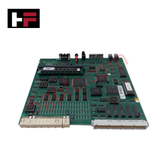
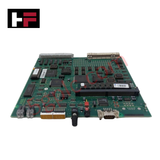
Product Details
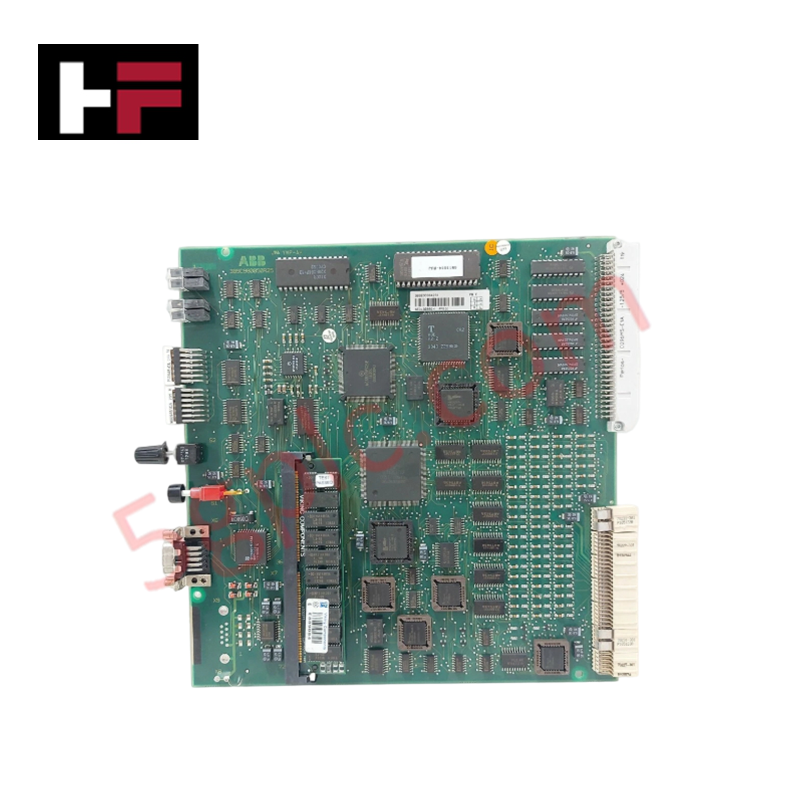
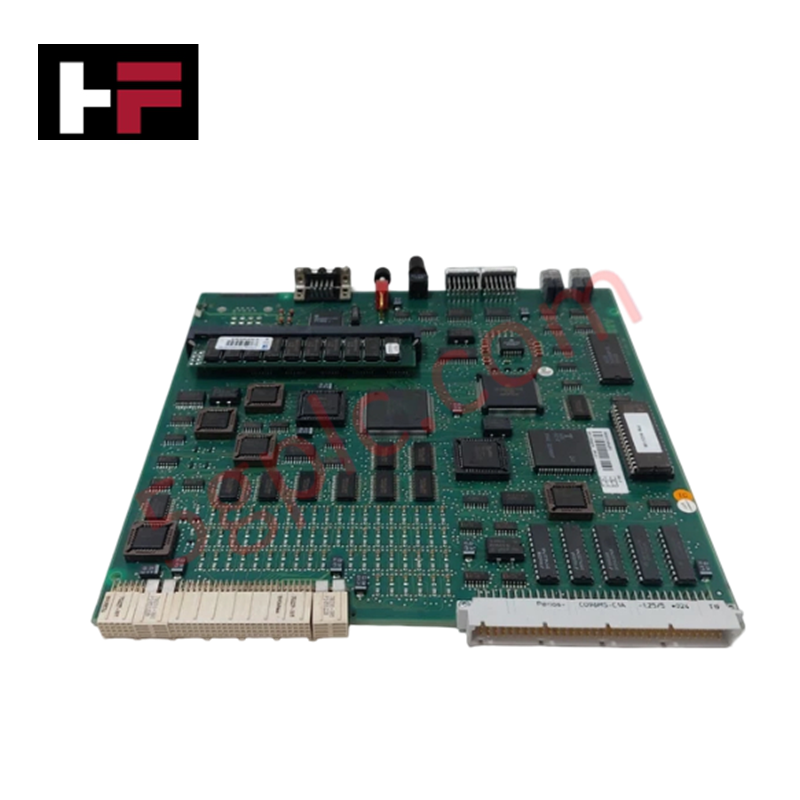
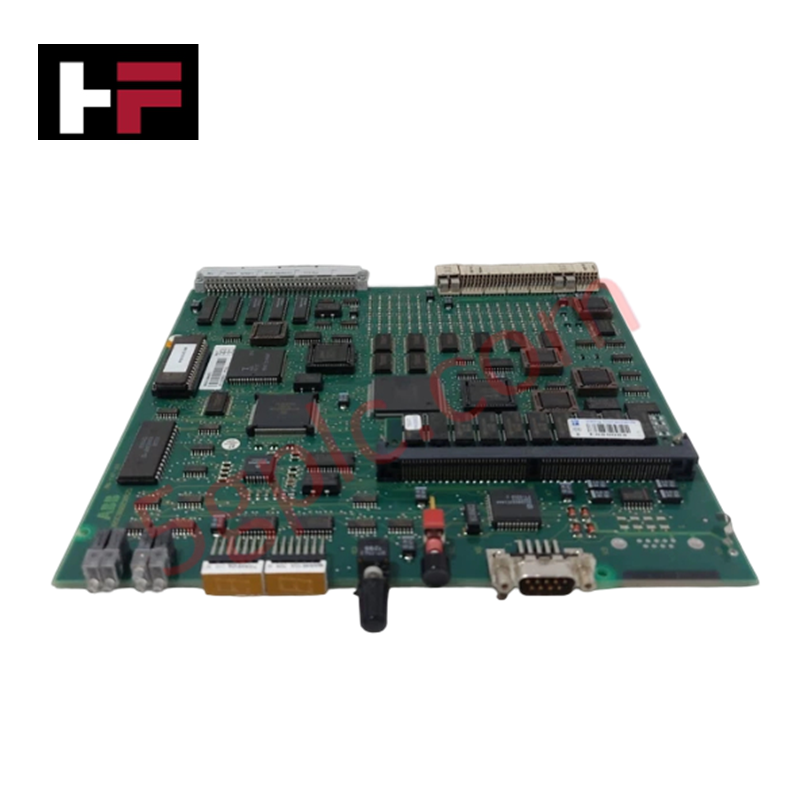
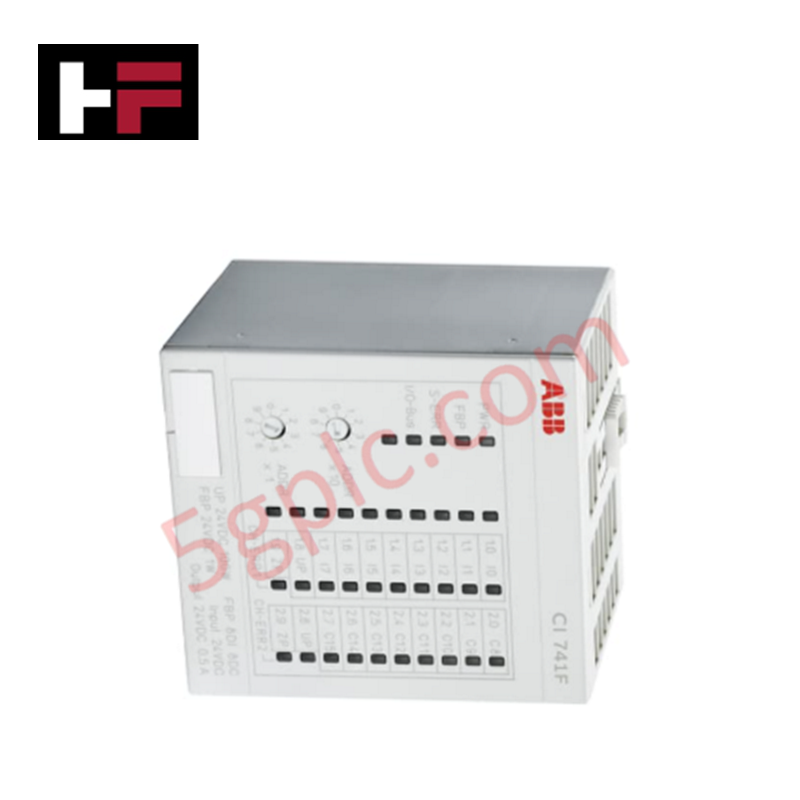
Configured for parametric field instrument interrogation in S900 Process I/O systems, the ABB PM151 3BSE003642R1 (PM151 Analog Input Module) provides direct physical/electrical execution. The hardware subsystem digitizes conditioning loops while maintaining standard operational variables across the active communication bus topology during diagnostic modification cycles.
Hardware Specifications
| Parameter | Specification |
|---|---|
| Model | PM151 |
| Part Number | 3BSE003642R1 |
| Brand | ABB |
| Origin | Sweden |
| Weight | 0.34 kg |
| Dimensions | 8.0 cm x 11.5 cm x 9.2 cm |
| Operating Temp | Standard industrial operating range |
| Power Consumption | Nominal backplane current draw |
| Instrument Interface | HART field instrument connectivity configuration |
| Simulation Function | S900 input and output simulation (forcing) supported |
| Online Configuration | Hot-reconfiguration under power (runtime parameters) |
Process Control and DCS Instrumentation
The PM151 integrates a dedicated 4-20 mA HART loop protocol layer, enabling direct pass-through digital communication to connected smart transmitters during active analog sampling. The interface module incorporates channel-to-channel isolation parameters to prevent ground loop interference from skewing signal conversion registers. The embedded architecture executes internal filtering parameters while supporting on-the-fly component allocation, permitting technicians to modify data configurations, adjust diagnostic thresholds, or execute sensor forcing routines without introducing signal attenuation or runtime jitter across adjacent operational instrumentation tracks.
Frequently Asked Questions
Q: What happens to adjacent field signals when a single I/O module configuration is reloaded online?
A: All I/O modules not explicitly undergoing parameter adjustments continue continuous cyclic backplane communication. The unassigned S900 output loops retain their defined hold values and states throughout the master parameter download sequence.
Q: Can additional S900 Process I/O groups be integrated while the system remains powered?
A: Yes. The hardware design and system firmware support the runtime addition, removal, and replacement of individual modules or entire S900 Process I/O clusters without isolating primary rack electrical feeds.
Field Installation Guidelines
- Module Seating Layout: Verify that the locking mechanism engages completely within the S900 carrier rack floor print to prevent mechanical misalignment or pin arcing across the localized bus interface.
- HART Signal Grounding Matrix: Connect field-side instrument shields to designated termination bars rather than common logic ground rails to prevent electromagnetic interference from interrupting the digital FSK overlay signal.
- Online Modification Safety: When forcing inputs or updating module profiles under live process conditions, ensure all control loop parameters are set to manual or standby to prevent sudden output displacement.
Additional Information
- 100% Genuine Parts: All products are original and authentic, ensuring reliable industrial performance.
- 30-Day Refund Guarantee: Return any in-stock item within 30 days in original, unopened packaging for a full refund (excluding shipping and fees).
- 12-Month Warranty: Covers defects in materials or workmanship; excludes misuse, normal wear, or unauthorized modifications.
- Worldwide Shipping: We ship via USPS, UPS, FedEx, and DHL. Delivery times vary by country and may be subject to customs or import fees.
- Support & Contact: Technical and warranty assistance is available anytime. Contact us here: Contact.
- Purchase Guidance: Check product specifications and compatibility carefully before ordering to ensure proper application.






Tech & Buying Guide

Mastering the Siemens PLC Scan Cycle: How the CPU Executes Automation Programs
Industrial automation relies heavily on programmable logic controllers (PLCs) to manage complex manufacturing processes. Many engineers dive straight into programming without mastering the underlying architecture. However, understanding how a PLC CPU executes a program ensures reliable system design. Therefore, mastering the scan cycle optimizes both performance and troubleshooting in modern control systems.

How to Connect to Siemens S7 PLCs: 5 Essential Communication Methods
Establishing a reliable hardware link between a programming terminal and a Siemens SIMATIC controller is essential for engineering workflows. Field engineers rely on distinct physical layers, ranging from legacy serial connections to high-speed Industrial Ethernet protocols. Modern factory automation environments prioritize fast data transfer and seamless driver integration. Selecting the correct connection method simplifies program downloads, online monitoring, and system troubleshooting in complex control systems.

Will PLCs Become Obsolete? The Future of Control Systems in Industry 4.0
Modern manufacturing is undergoing a rapid technological transformation driven by Industry 4.0 innovations. Technologies like Artificial Intelligence (AI), Machine Learning (ML), and the Industrial Internet of Things (IIoT) are dominating discussions across the factory automation sector. Consequently, many engineers wonder if these advanced digital tools will eventually replace traditional Programmable Logic Controllers (PLCs). However, evaluating the core physics of industrial operations reveals a very different reality for control systems.