










Product Details
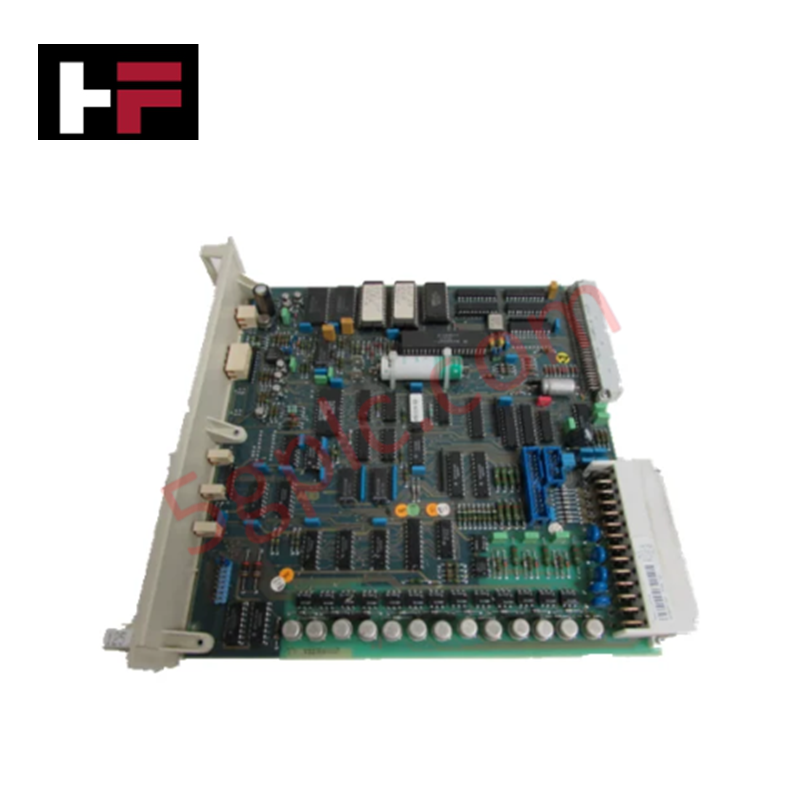
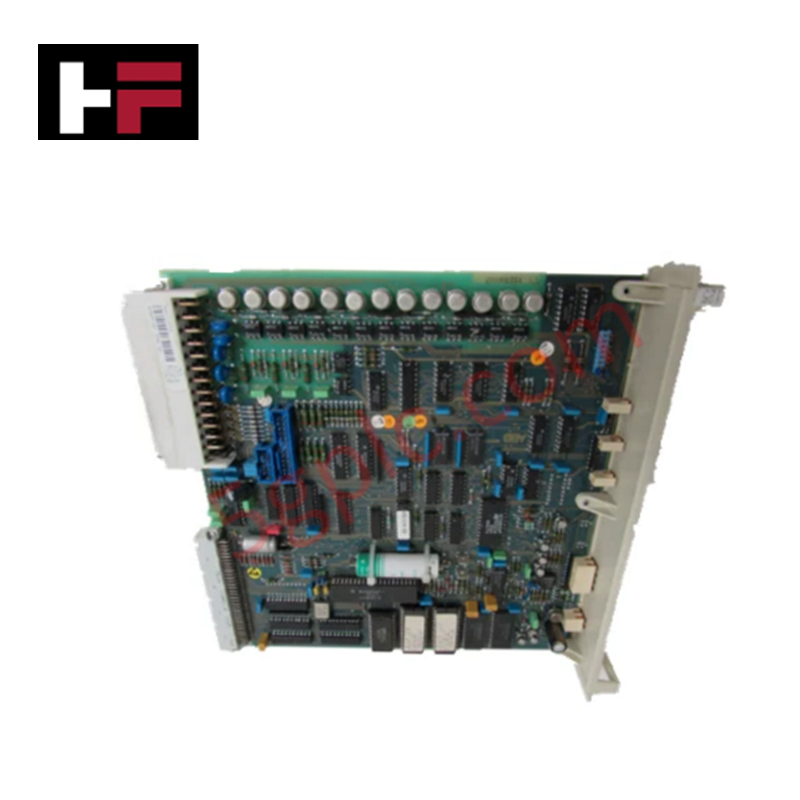
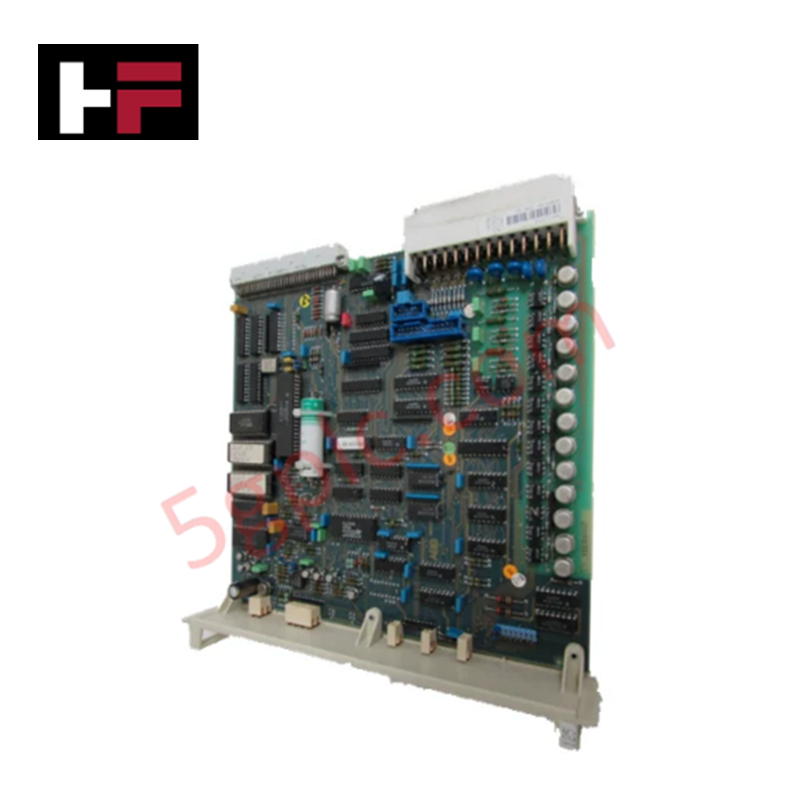
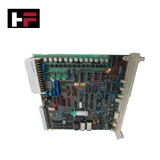
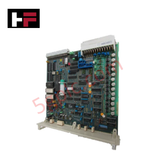
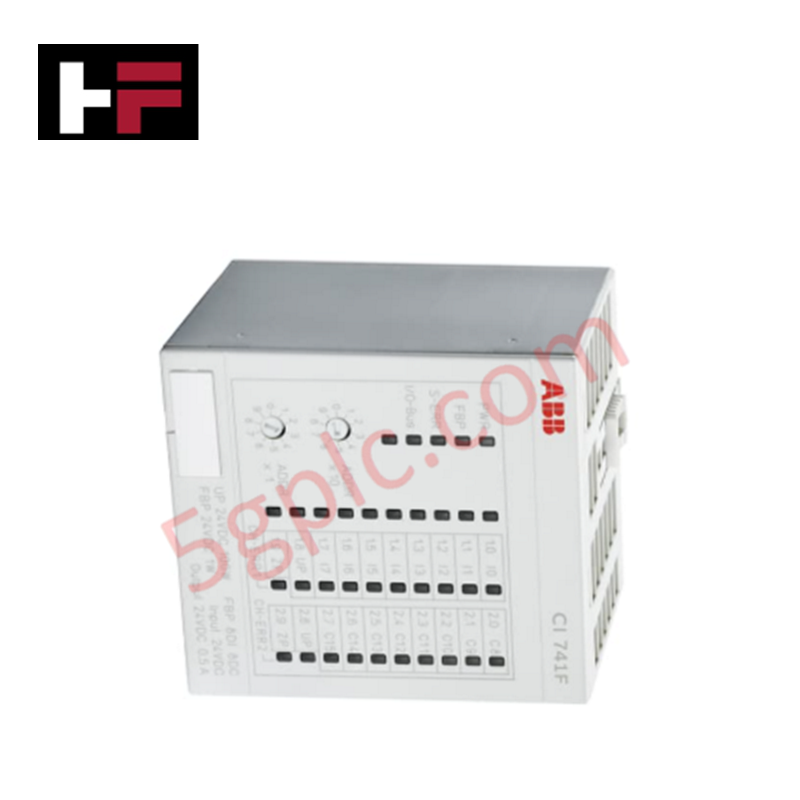
The ABB 3BSE029380R0189, also cataloged as the 3BSE029380R0189 Programmable Logic Controller Module, operates as a dedicated hardware component for industrial control computing and real-time visualization processing within ABB automation networks. Driven by the fanless Intel Atom Cedar Trail architecture running Windows Embedded Standard, the module processes complex control logic, execution tasks, and graphics rendering without active mechanical cooling.
Hardware Specifications
| Parameter | Specification |
|---|---|
| Model | 3BSE029380R0189 |
| Brand | ABB |
| Product Type | Programmable Logic Controller Modules |
| Processor Options | Intel Atom D2700 (2.13 GHz) or Atom N2800 (1.86 GHz) |
| System Memory | Up to 4 GB DDR3-800/1066 |
| Integrated Graphics | GMA 3650 (PowerVR SGX545), DirectX 10.1, OpenGL 3.0, H.264, VC1/WMV, MPEG2 |
| Operating System | Windows Embedded Standard |
| Communication Ports | Ethernet, USB, and standard industrial interfaces |
| Power Consumption | Processor TDP of 10 W (D2700) or 6 W (N2800) |
| Cooling Architecture | Sealed fanless conduction design |
| Operating Temp | 0 to +50 deg C |
| Weight | Standard embedded module weight (approx. 1.2 kg) |
Deterministic Networks and Firmware Flash Compatibility
The controller leverages high-velocity backplane communication channels to synchronize task scheduling with peripheral I/O modules. Operating over Profinet and EtherNet/IP deterministic networks, the hardware routes real-time telemetry and HMI graphics frames without introducing packet latencies. Firmware flash compatibility across system updates ensures long-term operational stability and predictable runtime execution across embedded control layers.
Frequently Asked Questions
Q: How does the fanless thermal design impact cabinet installation requirements?
A: Because the unit relies on passive thermal dissipation across its aluminum housing, it must be mounted vertically with at least 50 mm of clear air space above and below the enclosure to allow unobstructed convective cooling.
Q: Does the embedded operating system support flash memory protection against sudden power outages?
A: Yes, Windows Embedded Standard supports Write Filter utilities (such as EWF or FBWF) to protect the onboard flash storage from corruption caused by abrupt primary DC power disruptions.
Field Installation Guidelines
- Enclosure Mounting: Secure the module to the mounting plate or DIN rail within an IP54-rated industrial cabinet using the integral mounting brackets.
- Earth Grounding: Run a heavy-gauge copper grounding strap from the chassis earth bolt directly to the enclosure ground bus to establish an effective EMC shielding barrier.
- Communication Line Routing: Route Ethernet and serial communication cables in dedicated wire trays physically separated from high-voltage AC motor drives and switching lines.
- Input Power Connections: Connect regulated DC input power according to terminal polarity markings, verifying that supply line fusing meets the module maximum power consumption profile.
Additional Information
- 100% Genuine Parts: All products are original and authentic, ensuring reliable industrial performance.
- 30-Day Refund Guarantee: Return any in-stock item within 30 days in original, unopened packaging for a full refund (excluding shipping and fees).
- 12-Month Warranty: Covers defects in materials or workmanship; excludes misuse, normal wear, or unauthorized modifications.
- Worldwide Shipping: We ship via USPS, UPS, FedEx, and DHL. Delivery times vary by country and may be subject to customs or import fees.
- Support & Contact: Technical and warranty assistance is available anytime. Contact us here: Contact.
- Purchase Guidance: Check product specifications and compatibility carefully before ordering to ensure proper application.






Tech & Buying Guide

The Shift to Flexible IO Modules in Modern Industrial Automation
Traditional control systems rely on dedicated Input Output (IO) cards for industrial automation. Each conventional module processes a single signal type, such as Digital Input (DI), Digital Output (DO), Analog Input (AI), or Analog Output (AO). A standard 16-channel card accepts only one specific channel type across all ports. This inflexible hardware design often creates severe engineering bottlenecks during project execution. Engineers frequently must install entirely new cards to accommodate a single extra sensor. Consequently, late design changes increase control cabinet space requirements and drive up project costs.

DCS Commissioning Steps in Industrial Automation Projects
Commissioning a Distributed Control System (DCS) represents a crucial milestone when deploying modern process automation infrastructure. Field engineers must execute systematic verification steps to transition complex control hardware from static installation to dynamic plant control. Proper commissioning ensures that controllers, I/O modules, network switches, and HMI software operate in strict compliance with engineering design specifications before introducing live process fluids.

PLC and DCS Control System Spares Strategy: Engineering Guidelines
Modern factory automation relies on high-speed fiber optic backbones to link distributed control systems across noise-intensive industrial environments. Unlike copper wiring, optical fibers transmit data via light pulses, making them completely immune to electromagnetic interference (EMI). Field engineers must master optical cable joining and fusion splicing techniques to guarantee low-loss data transmission across critical Programmable Logic Controller (PLC) and Distributed Control System (DCS) nodes.