










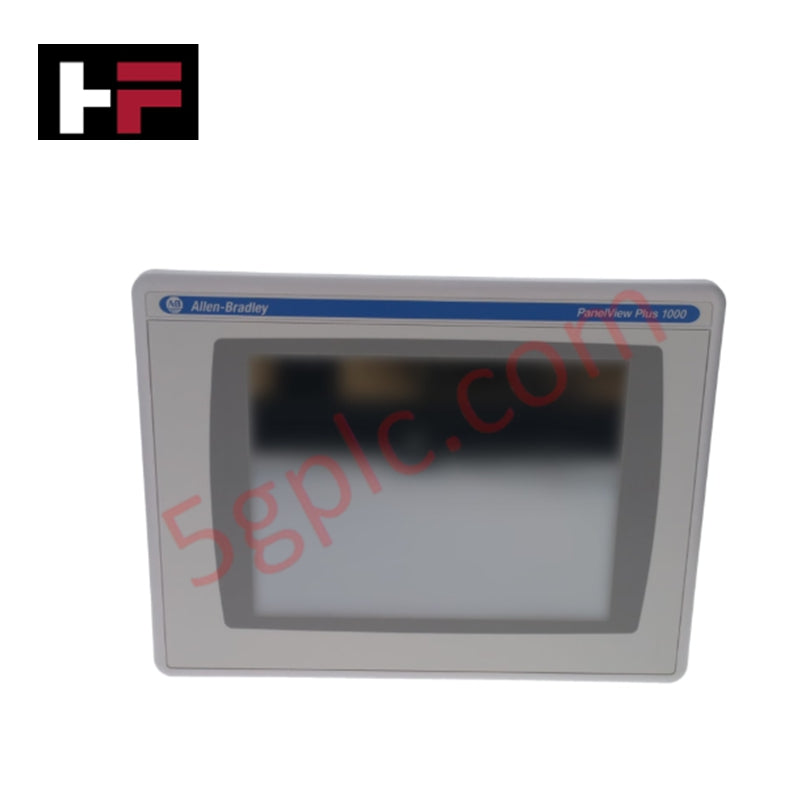
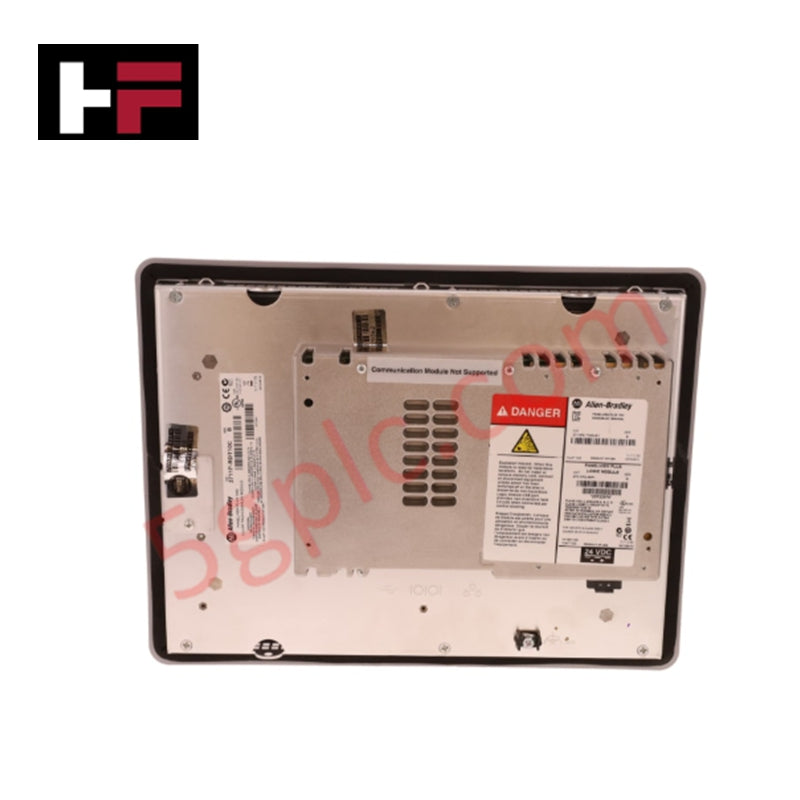
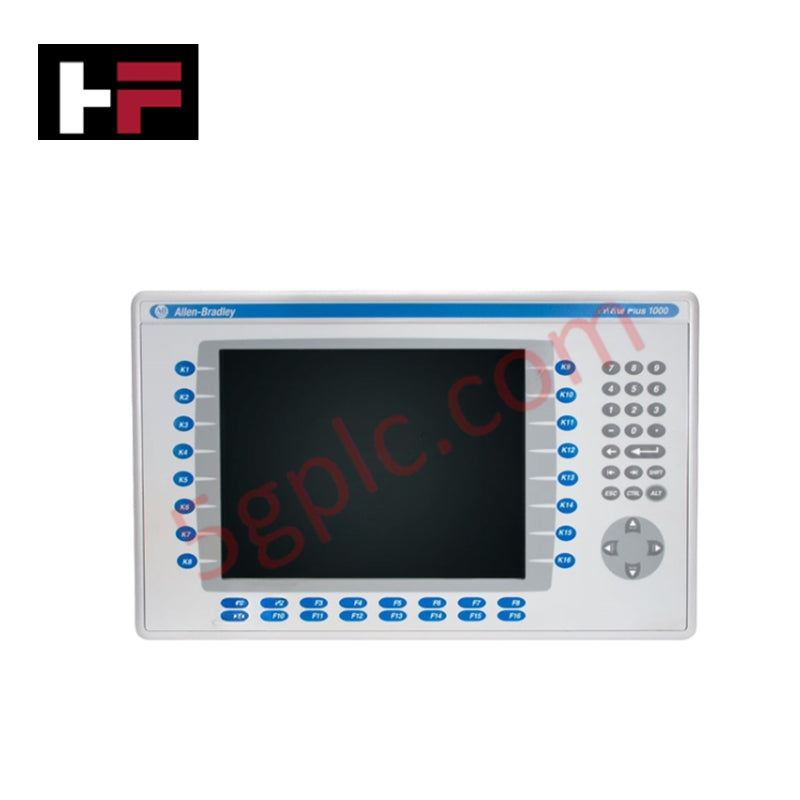
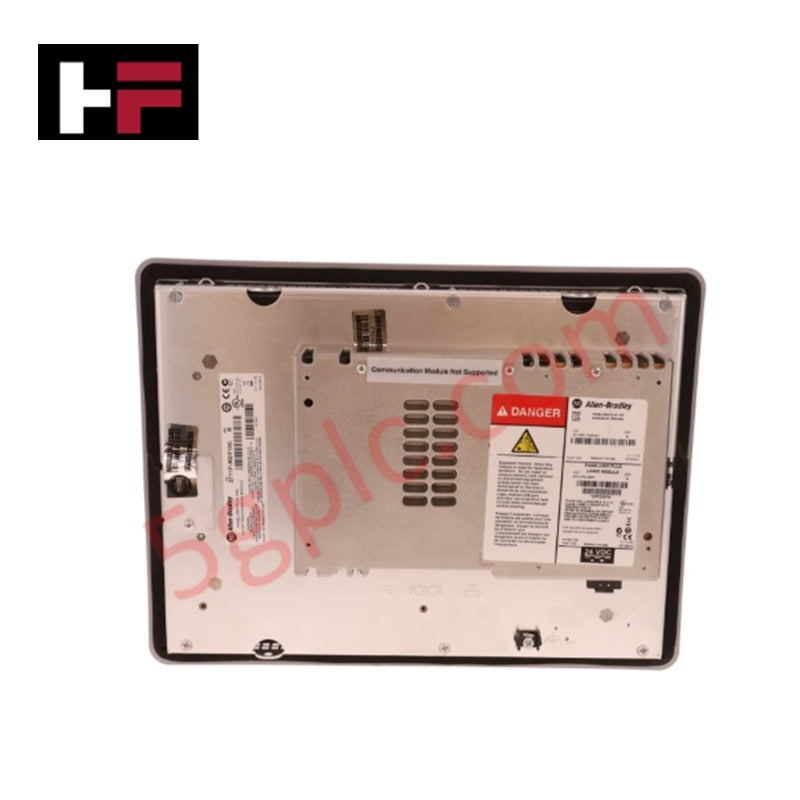
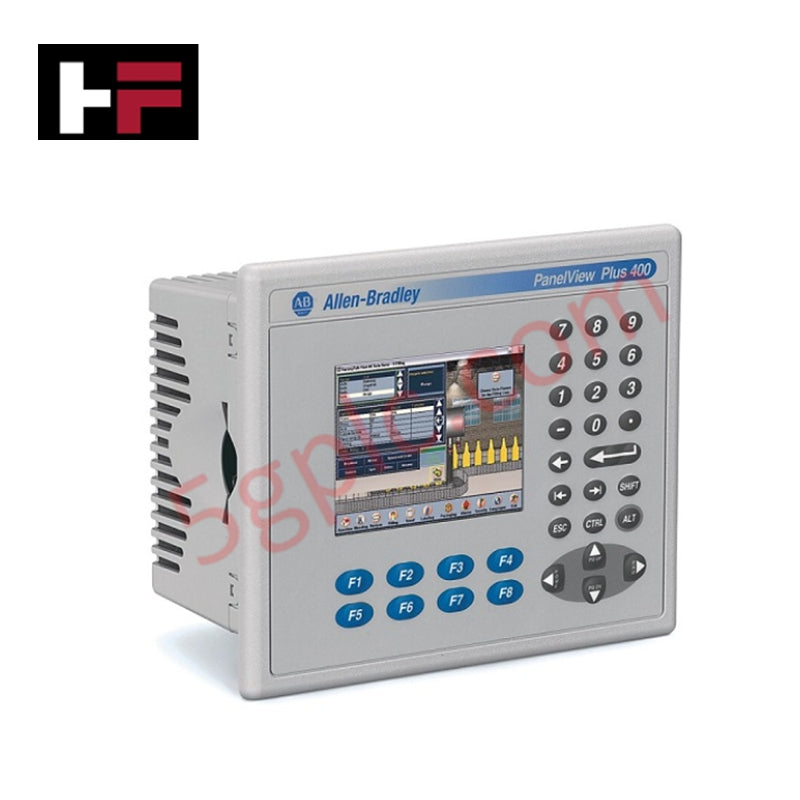
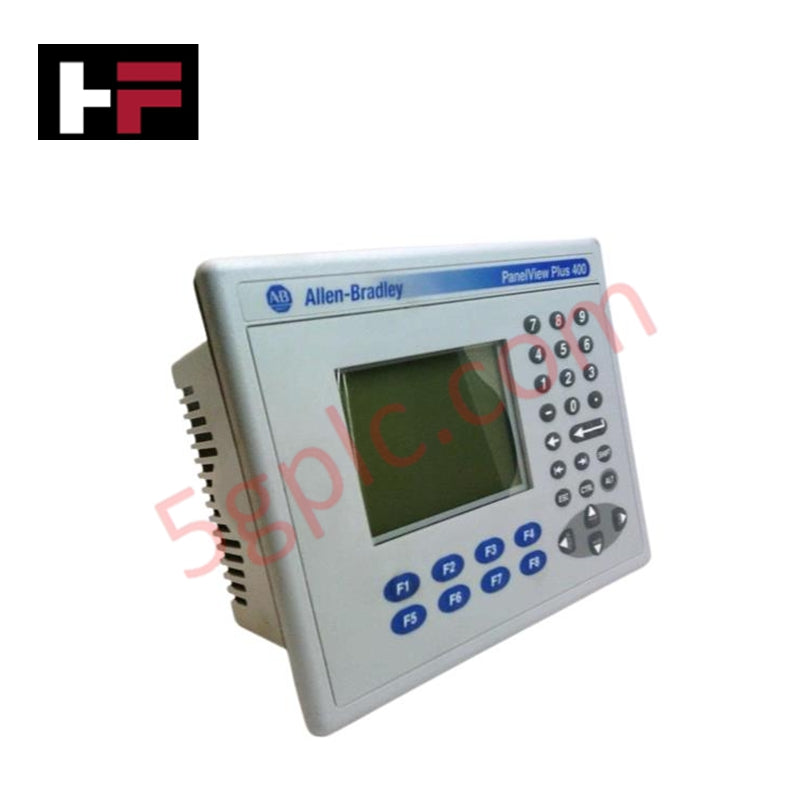
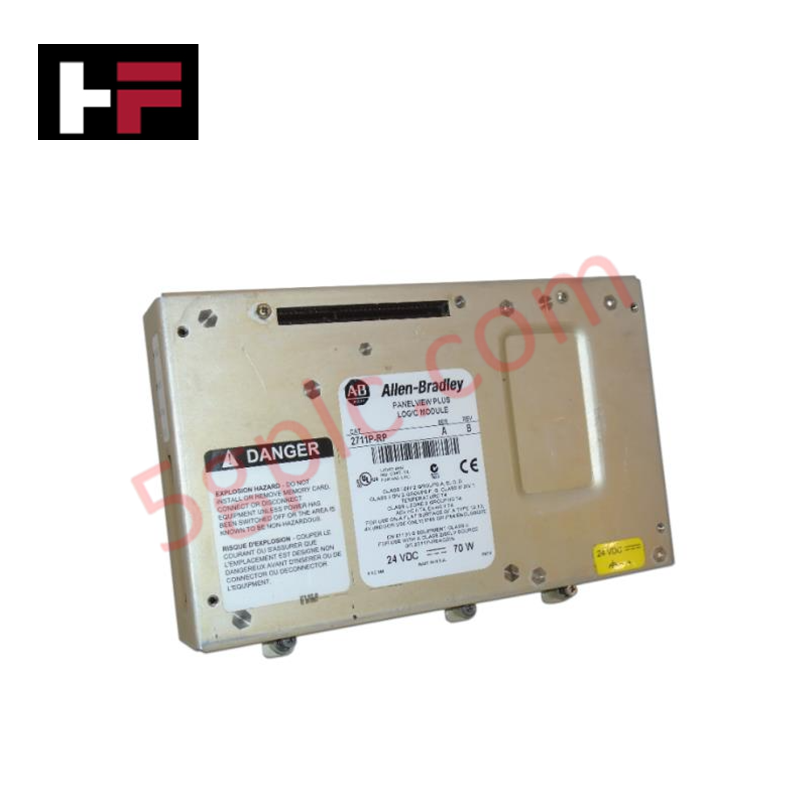
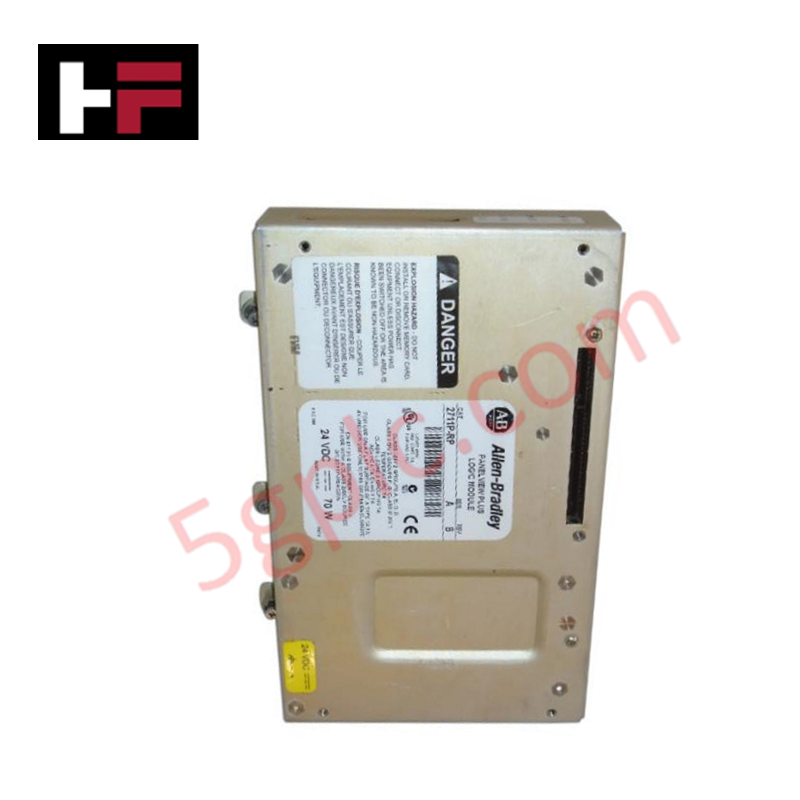
Allen-Bradley PanelView
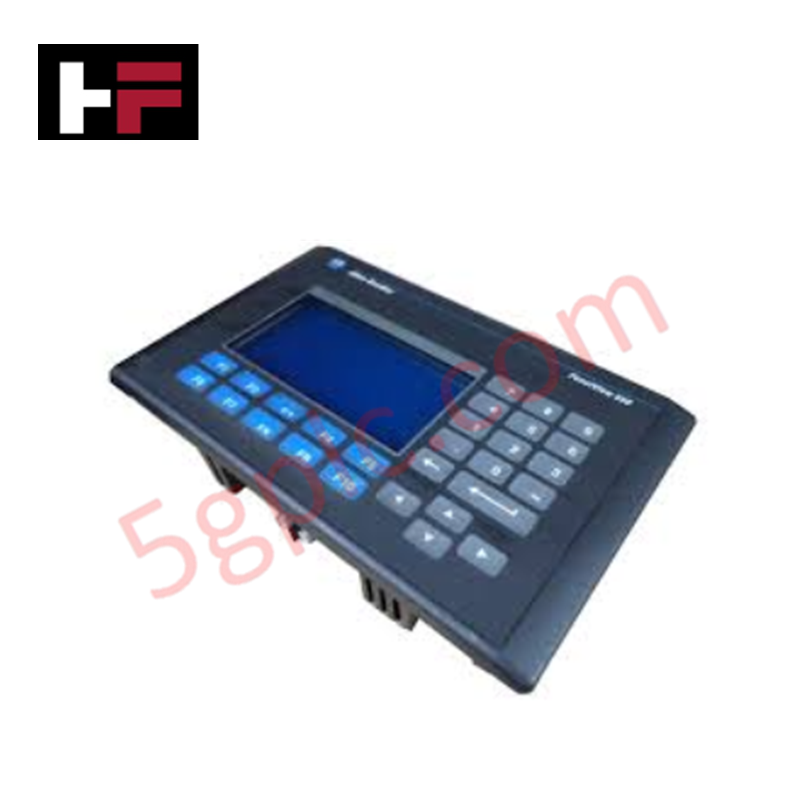
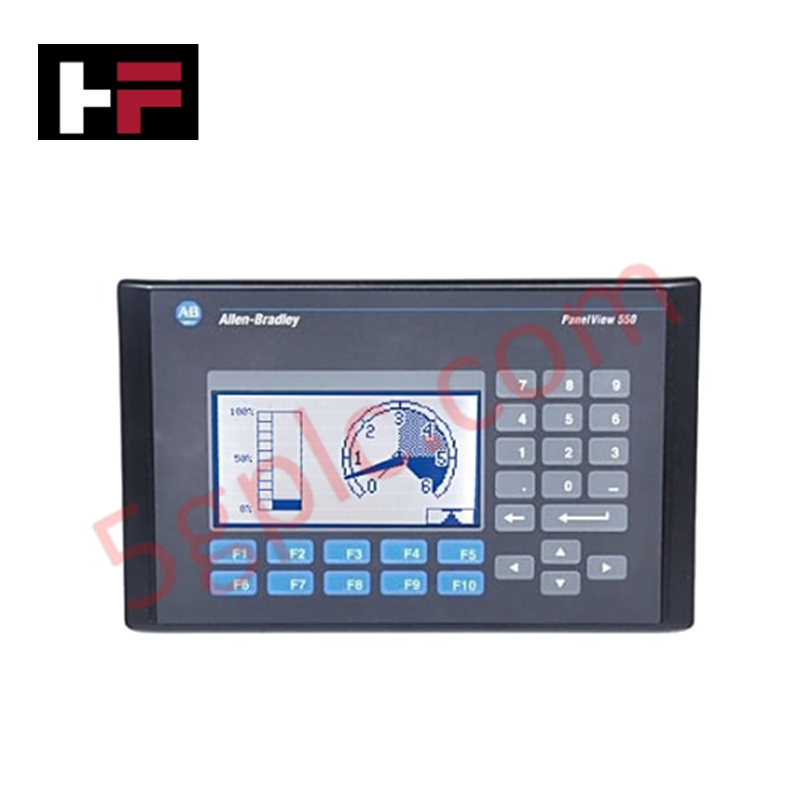
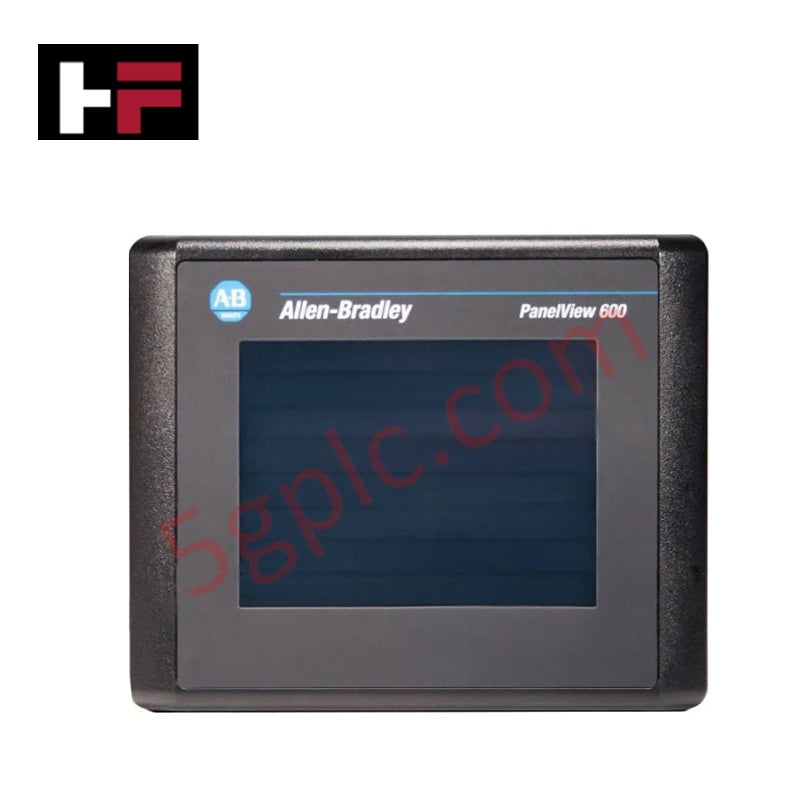
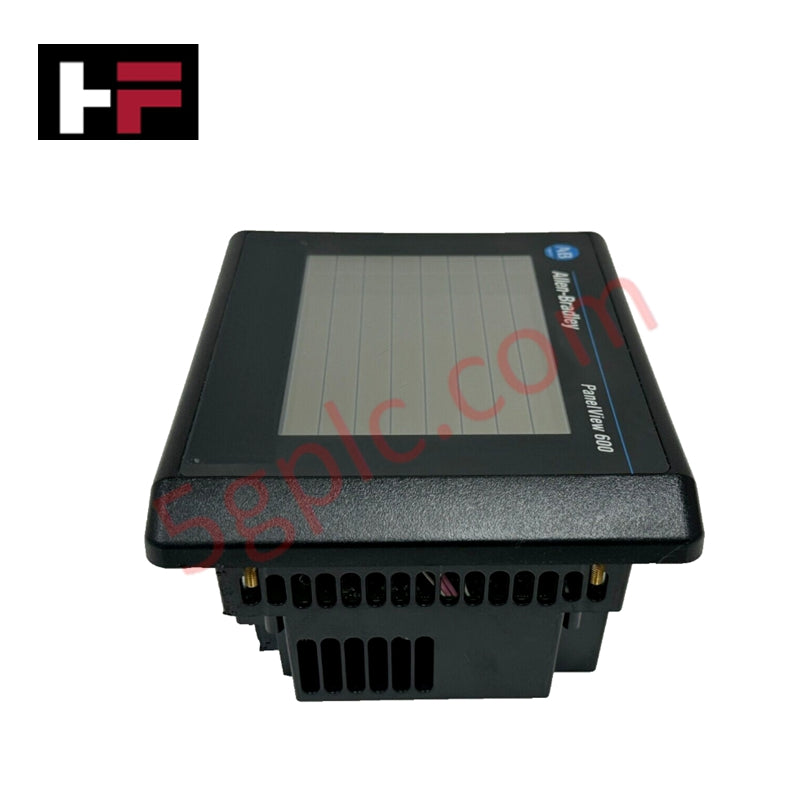
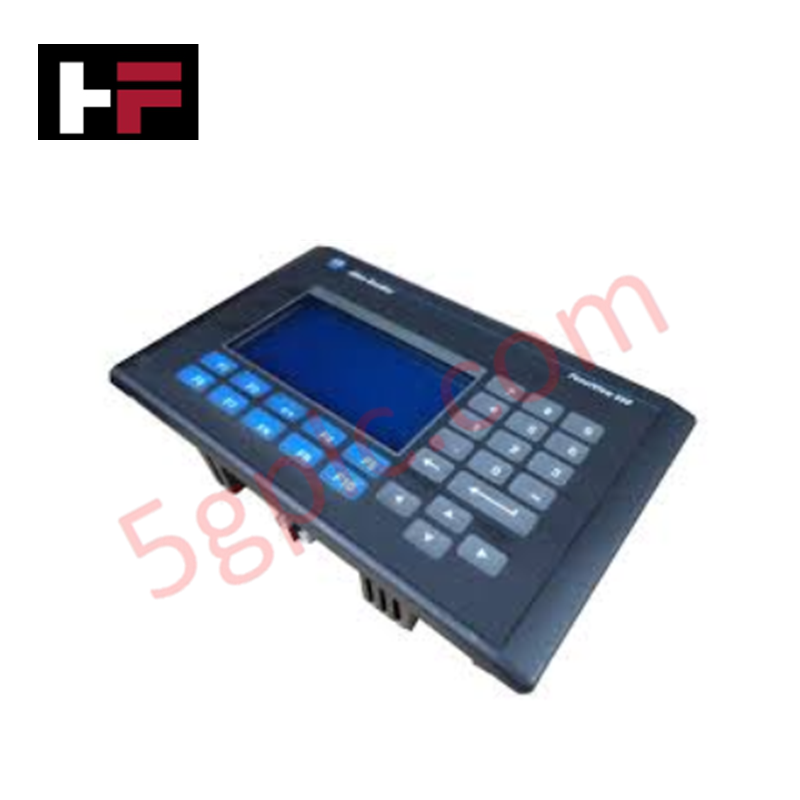
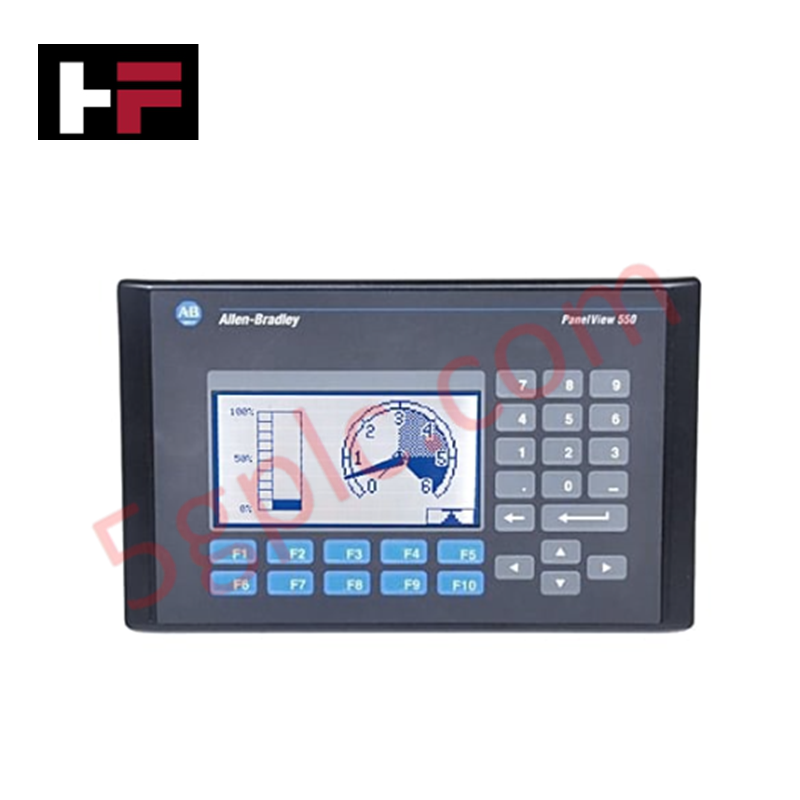
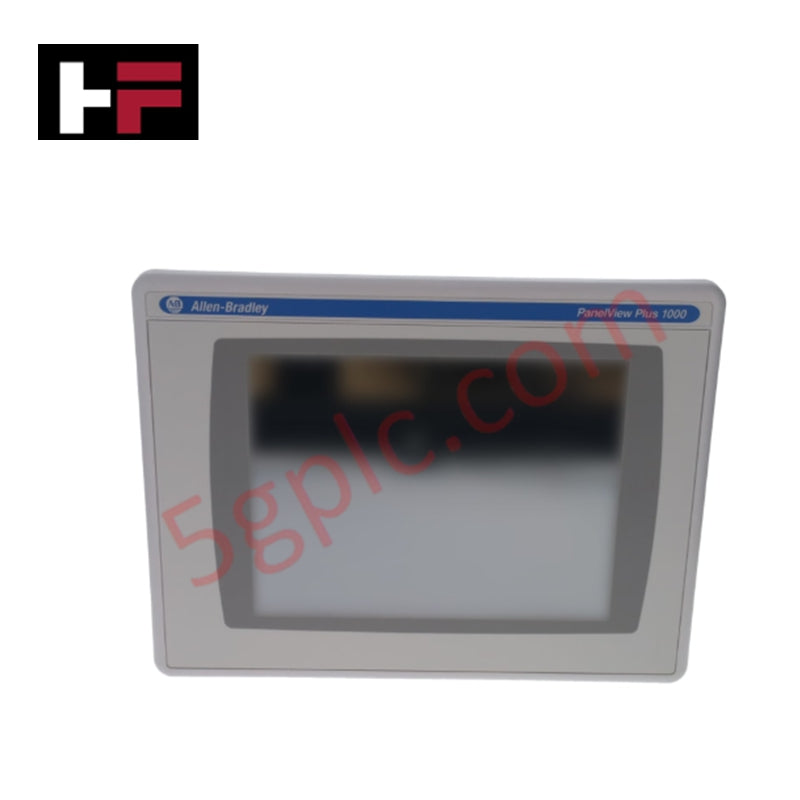
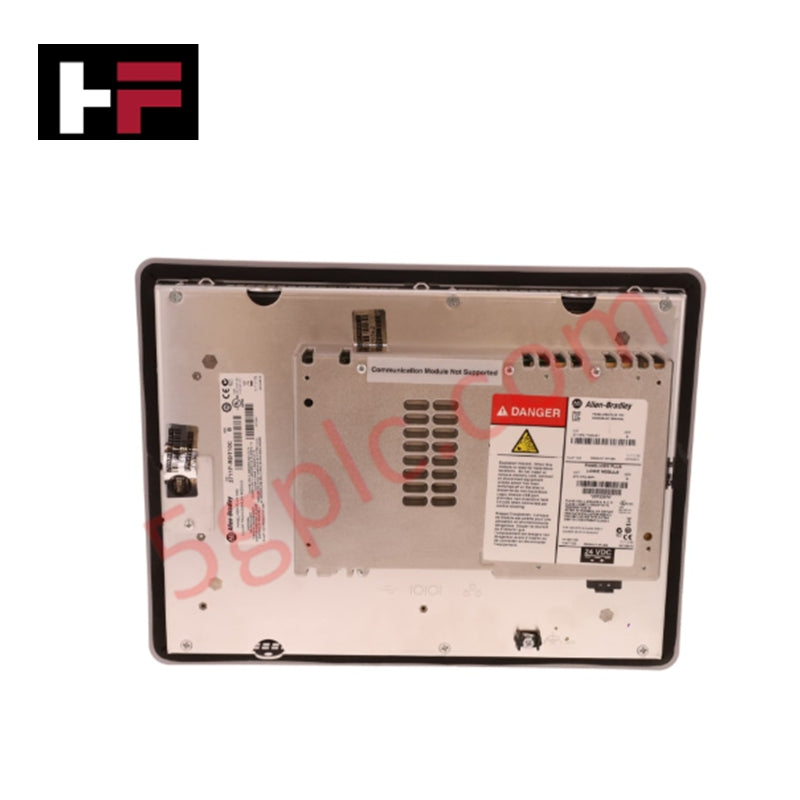
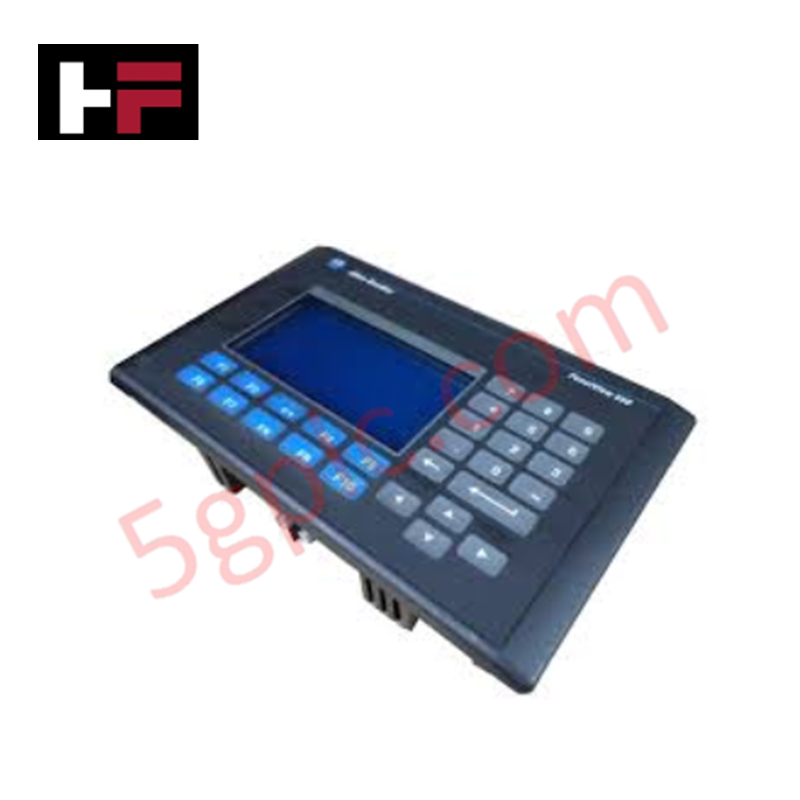
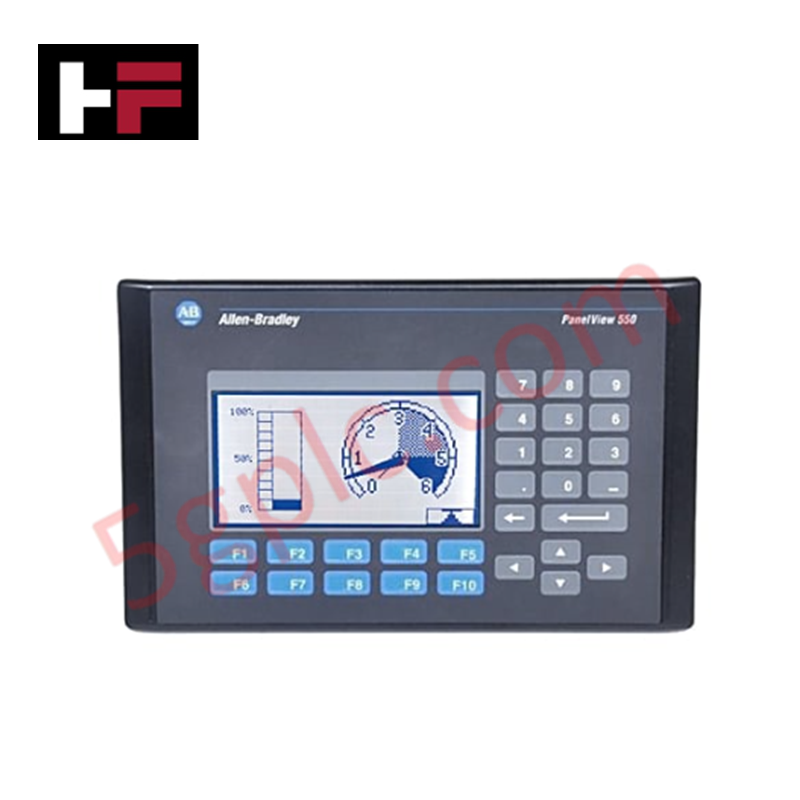
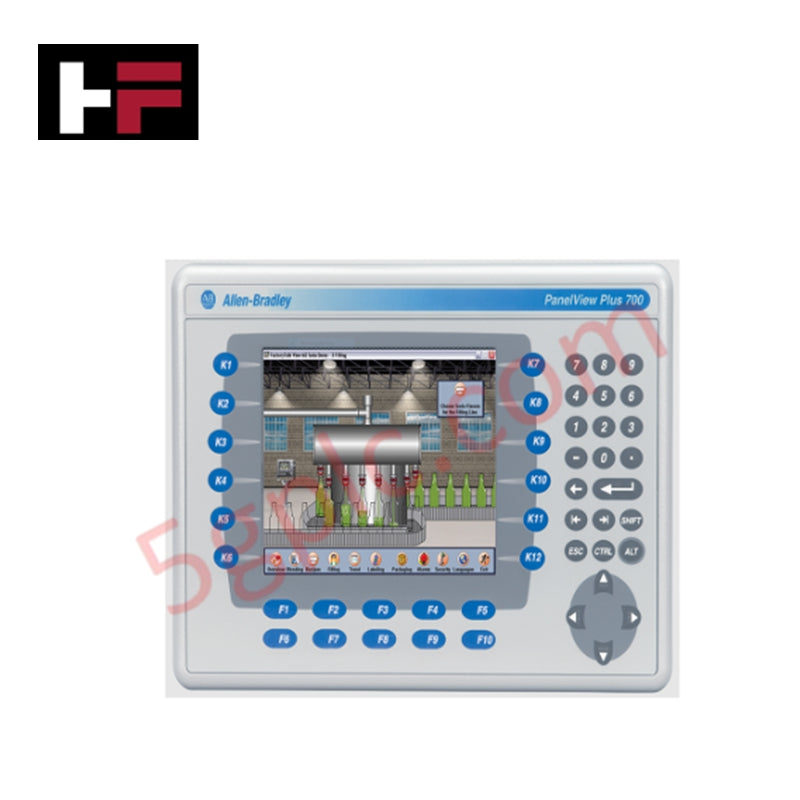
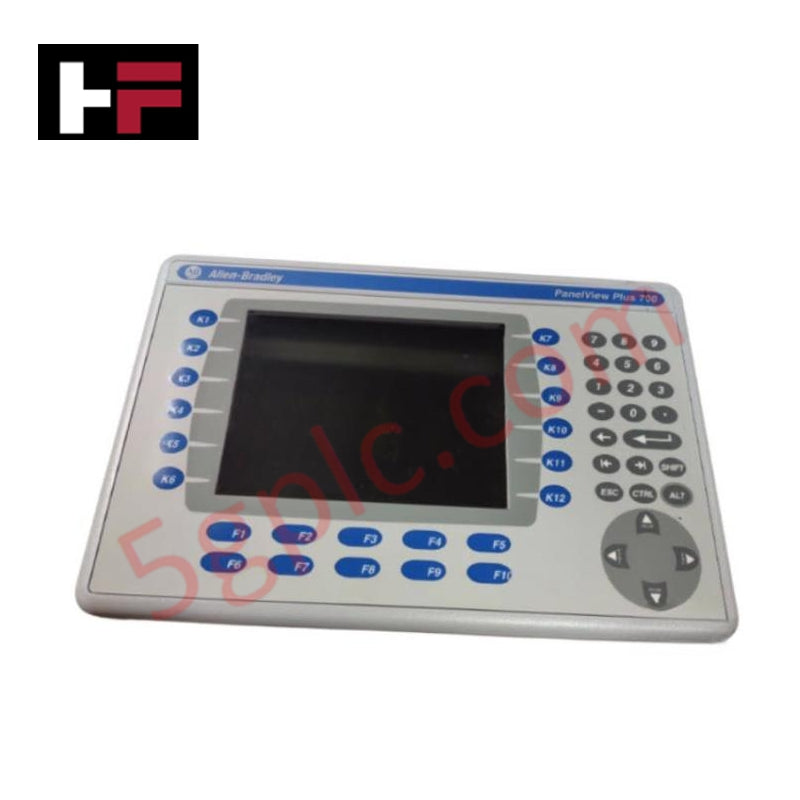
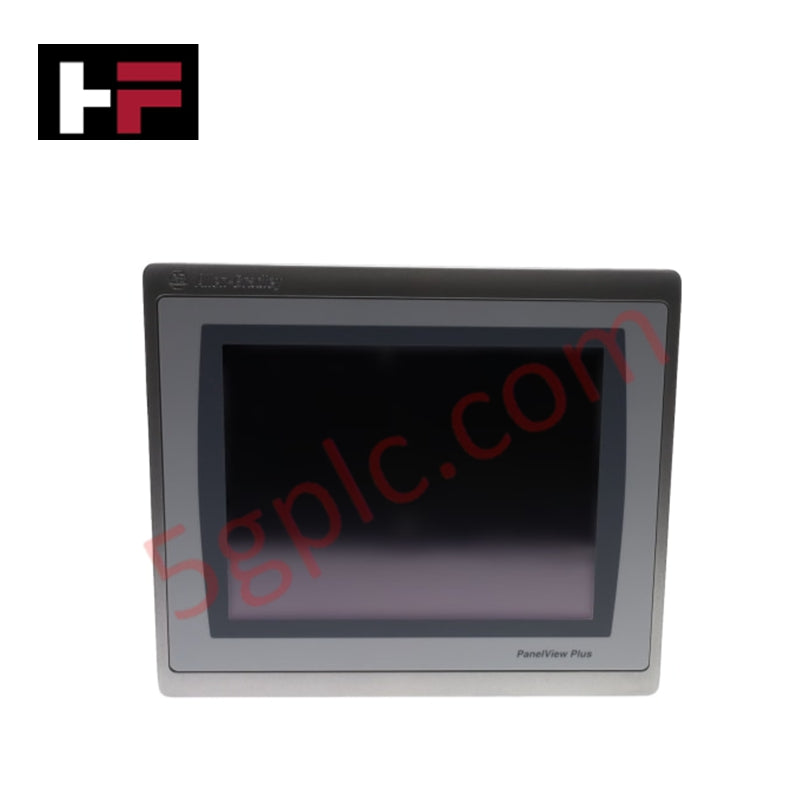
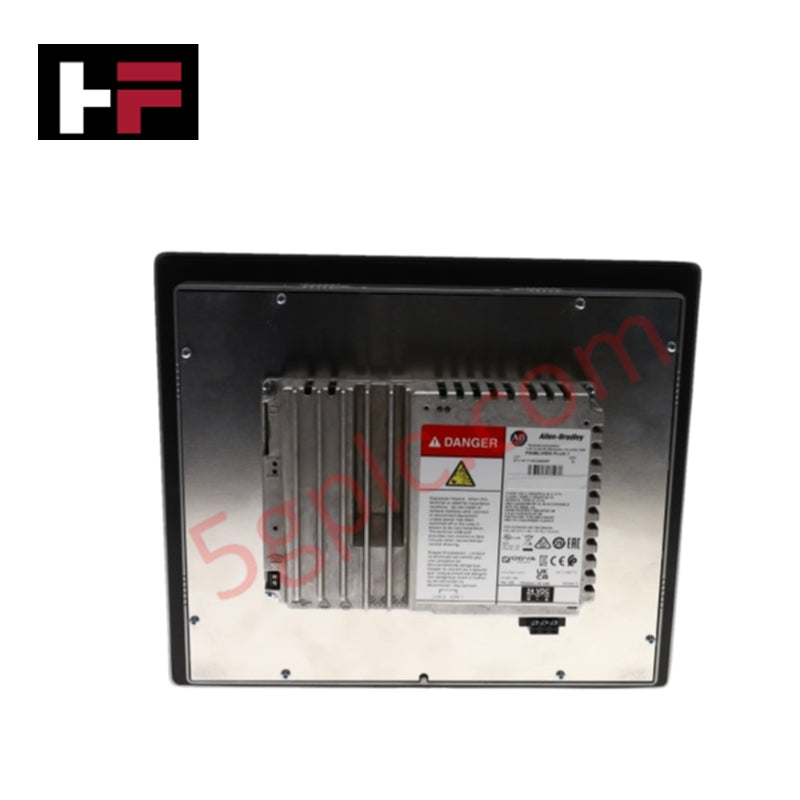
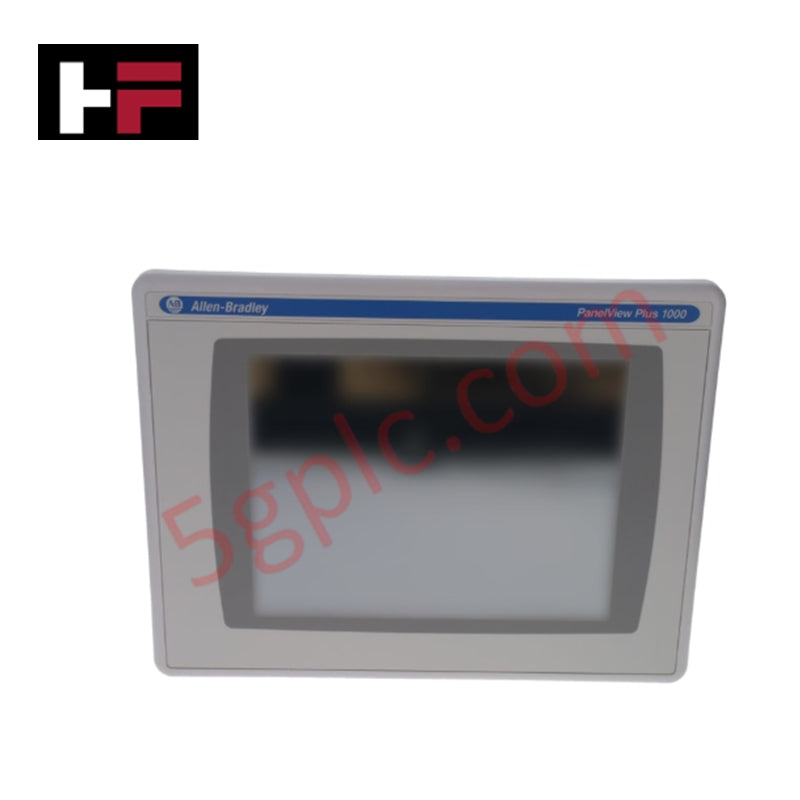
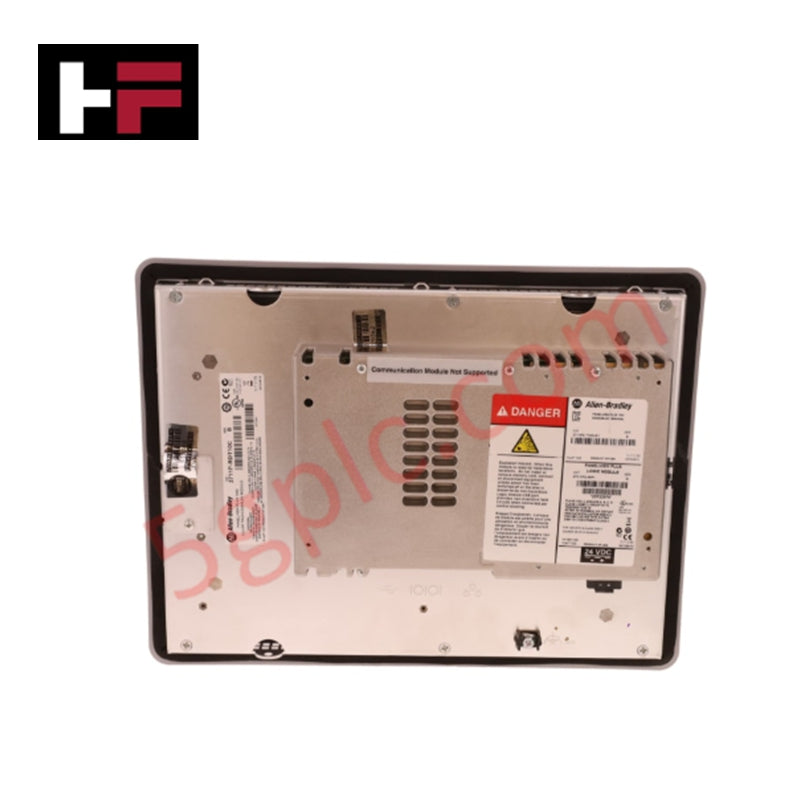
Allen-Bradley PanelView is a series of human-machine interface (HMI) devices designed for industrial automation applications. These operator interfaces provide intuitive visualization, real-time monitoring, and seamless interaction with PLCs and control systems. Widely used in manufacturing, process, and machine automation industries, PanelView HMIs ensure reliable operation, scalable integration, and enhanced operational efficiency across industrial control systems.




Blog posts

Transforming Shop Floor Data into Actionable Insights: A Deep Dive into MES
Manufacturing Execution Systems serve as the digital backbone of modern factory floors. Positioned at Level 3 of the ISA-95 automation pyramid, MES links enterprise resource planning with real-time shop floor control systems. Today, industrial operators rely on MES software to bridge operational strategy with physical production execution.
Managed Switch vs. Unmanaged Switch: Industrial Ethernet Architecture

Hot Standby vs. Cold Standby Redundancy in Industrial Automation
System availability determines process safety and productivity in industrial automation. Control engineers deploy redundancy to eliminate single points of failure. This technical guide evaluates Hot Standby vs. Cold Standby architectures, comparing failover speeds, memory sync, cost trade-offs, and field selection criteria.