










Product Details
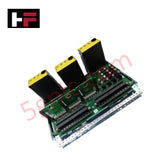
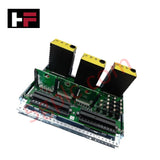
Product Overview
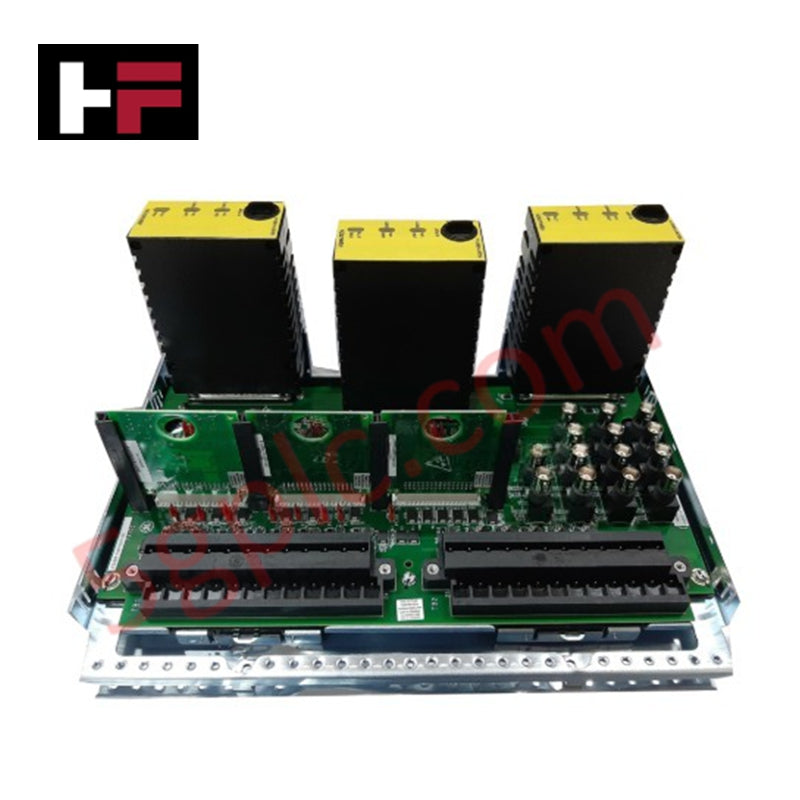
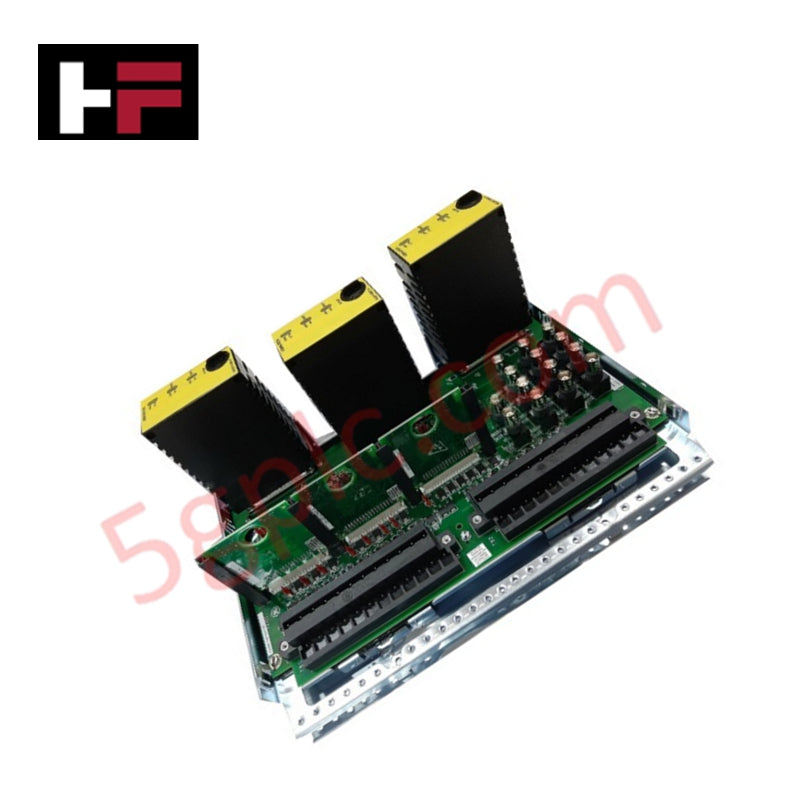
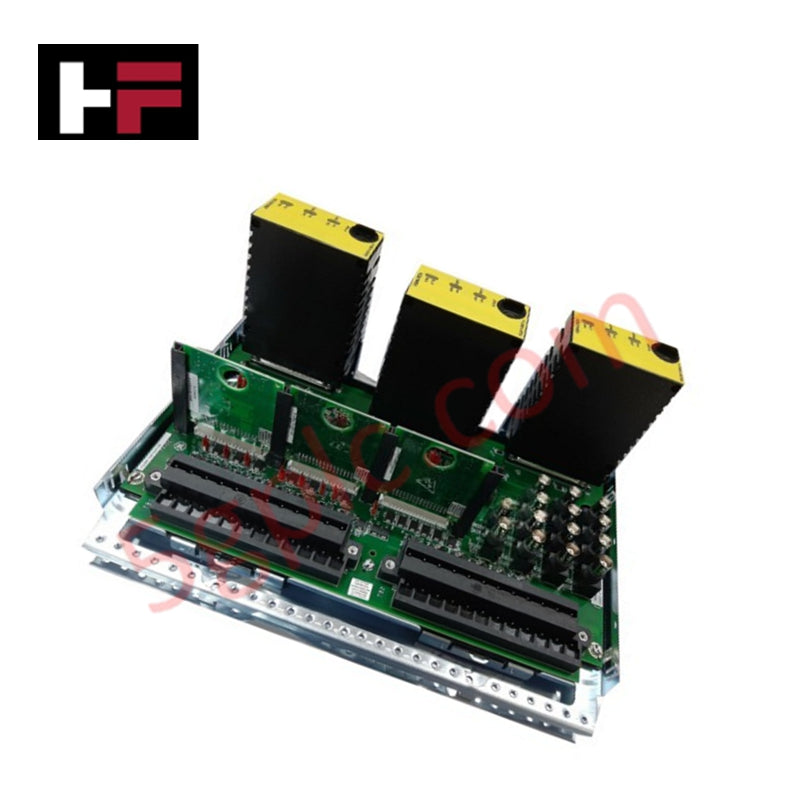
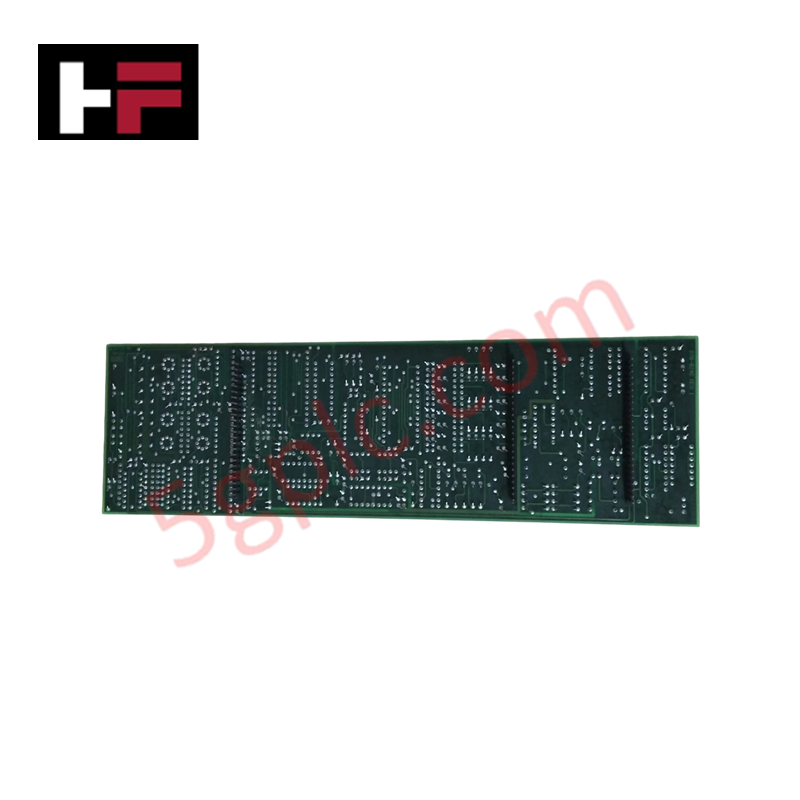
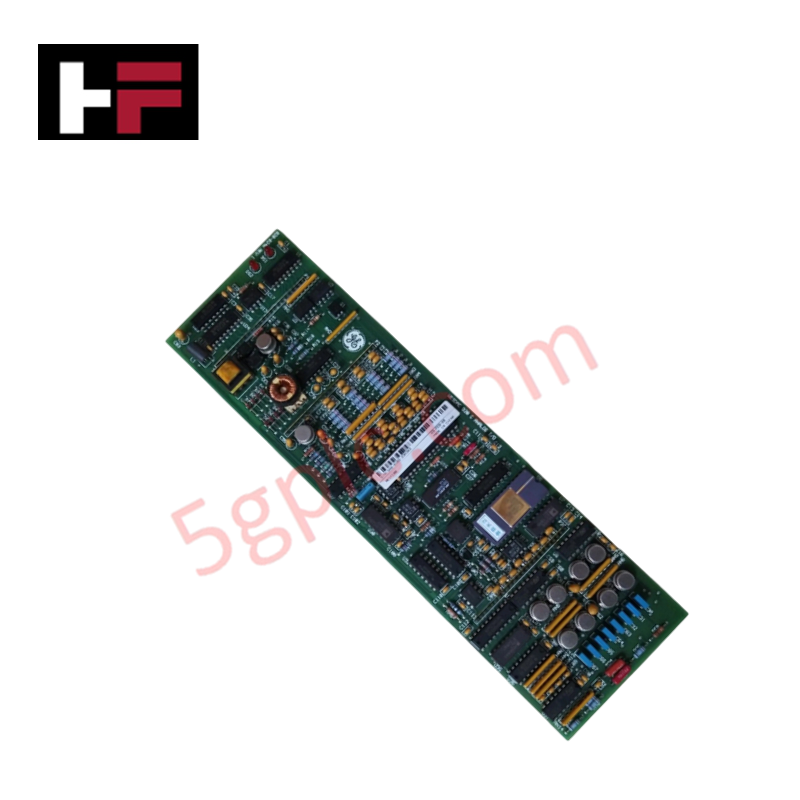
The GE IS230TVBAH4A acts as a high-precision Vibration Control Module within the General Electric Speedtronic Mark VIe turbine management system. This module processes critical vibration probe signals to monitor rotor eccentricity, axial position, and overall mechanical vibration. We provide this component as 100% Brand New and Original, ensuring your steam or gas turbine operates with the highest level of protection. By integrating directly into the Mark VIe architecture, the IS230TVBAH4A provides the real-time data necessary to prevent catastrophic mechanical failure in high-speed rotating machinery.
Technical Specifications
The IS230TVBAH4A features a versatile input architecture designed to interface with a wide array of industrial sensing technologies.
| Attribute | Specification |
| Manufacturer | General Electric (GE) |
| Series | Mark VIe Speedtronic |
| Product Type | Vibration Control Module |
| Architecture Support | Simplex and Triple Modular Redundant (TMR) |
| Probe Compatibility | Phase, Seismic, Acceleration, Proximity, and Velocity |
| Primary Measurement | Rotor Eccentricity, Vibration, Axial Position |
| Condition | 100% Brand New Original |
Engineering Advantages
-
Universal Probe Interfacing: The IS230TVBAH4A eliminates hardware silos by supporting five distinct probe types—seismic, acceleration, proximity, velocity, and phase. This versatility allows engineers to consolidate vibration monitoring onto a single module type, reducing spare parts inventory complexity.
-
TMR Architecture Integration: This module fully supports Triple Modular Redundant (TMR) designs. In TMR mode, three independent modules process the same signal via IONets, ensuring that a single module failure never compromises turbine safety or availability.
-
High-Speed Signal Processing: The module converts raw analog signals from terminal boards into precise digital values for the Mark VIe controllers. This high-speed processing enables the system to detect subtle changes in rotor eccentricity or axial displacement before they exceed safety thresholds.
-
Optimized for Harsh Environments: Designed for the demanding conditions of power plant turbine decks, the IS230TVBAH4A resists electromagnetic interference (EMI) and maintains signal integrity across long cable runs from the turbine to the control cabinet.
FAQs
-
Can the IS230TVBAH4A be used in a Simplex system?
Yes. While designed for the high-reliability TMR architecture, the IS230TVBAH4A operates perfectly in Simplex configurations for smaller systems that do not require triple redundancy.
-
Which sensors are compatible with this module?
The module interfaces with almost all standard vibration hardware, including Bently Nevada proximity probes, seismic transducers, and accelerometers used for monitoring rotor health.
-
Does this module require specific terminal boards for vibration sensing?
Yes, the IS230TVBAH4A typically pairs with TVBA or DVBA terminal boards. The terminal boards handle the physical wiring and signal conditioning, while this module performs the core signal processing.
-
Is this a new or refurbished GE part?
We supply the IS230TVBAH4A as 100% Brand New original equipment. Each unit arrives in factory-certified condition to ensure maximum service life in your turbine control system.
Additional Information
- 100% Genuine Parts: All products are original and authentic, ensuring reliable industrial performance.
- 30-Day Refund Guarantee: Return any in-stock item within 30 days in original, unopened packaging for a full refund (excluding shipping and fees).
- 12-Month Warranty: Covers defects in materials or workmanship; excludes misuse, normal wear, or unauthorized modifications.
- Worldwide Shipping: We ship via USPS, UPS, FedEx, and DHL. Delivery times vary by country and may be subject to customs or import fees.
- Support & Contact: Technical and warranty assistance is available anytime. Contact us here: Contact.
- Purchase Guidance: Check product specifications and compatibility carefully before ordering to ensure proper application.
Tech & Buying Guide

Navigating Industrial Automation Failures: Types, Causes, and Mitigation Strategies
Modern manufacturing relies heavily on automated control systems to maximize throughput and maintain product quality. However, unplanned downtime in industrial automation can cost facility operators thousands of dollars per hour. Understanding how programmable logic controllers (PLCs), distributed control systems (DCS), and field instrumentation fail empowers engineering teams to implement robust preventive maintenance strategies.
Essential Motion Control Commands: A Practical Guide for Engineers
Automation engineers often rely on precise position and speed control to drive modern factory machinery. Modern industrial systems, such as Programmable Logic Controllers (PLCs) and Distributed Control Systems (DCS), depend heavily on standardized motion instructions. Mastering these commands ensures operational safety, protects mechanical components, and optimizes cycle times across production lines.

The Role of Intrinsic Safety Barriers in PLC and DCS Architectures
Implementing robust protection in hazardous industrial environments represents a fundamental safety requirement in factory automation. Process facilities often handle volatile gases, dusts, and chemical agents that pose significant combustion risks. Consequently, control system engineers must deploy energy-limiting interfaces to isolate safe-area control cabinets from hazardous-area field instrumentation. This article examines the function, selection, and electrical principles of intrinsic safety barriers within modern PLC and DCS networks.