










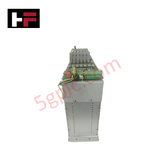
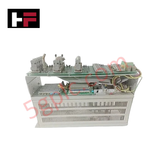
Product Details
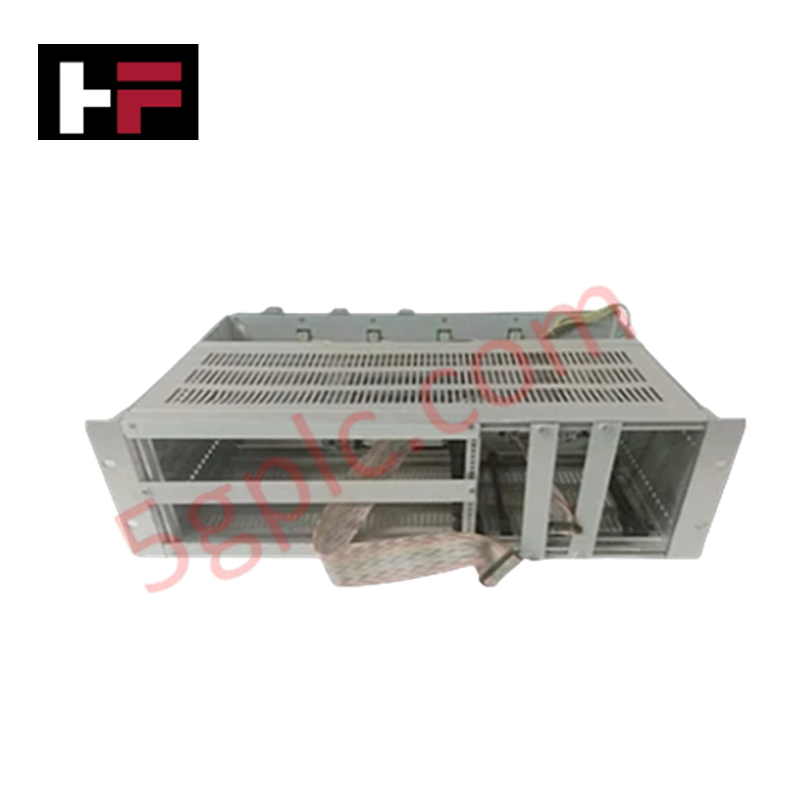
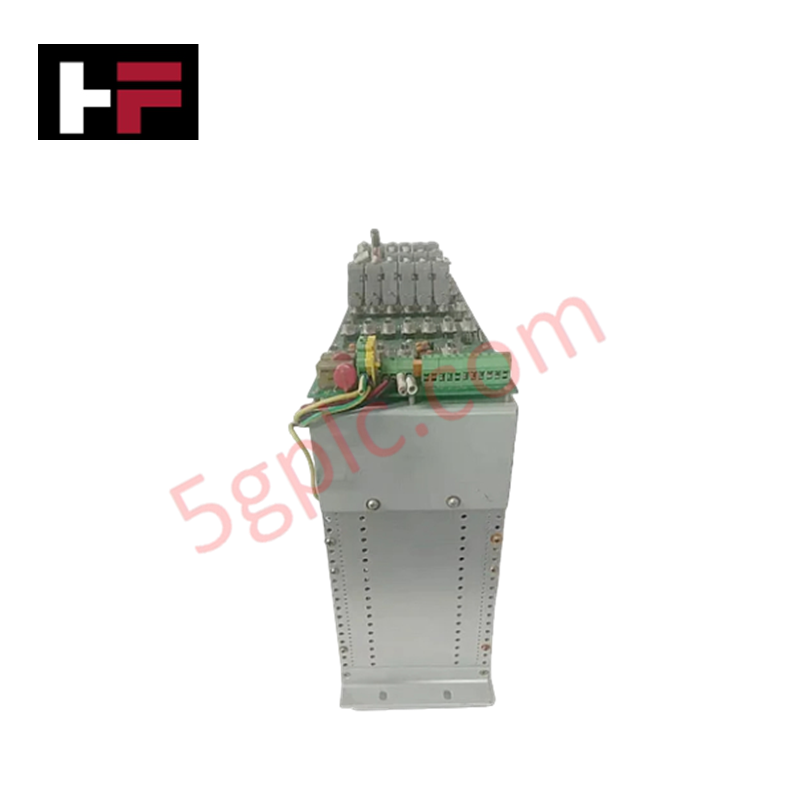
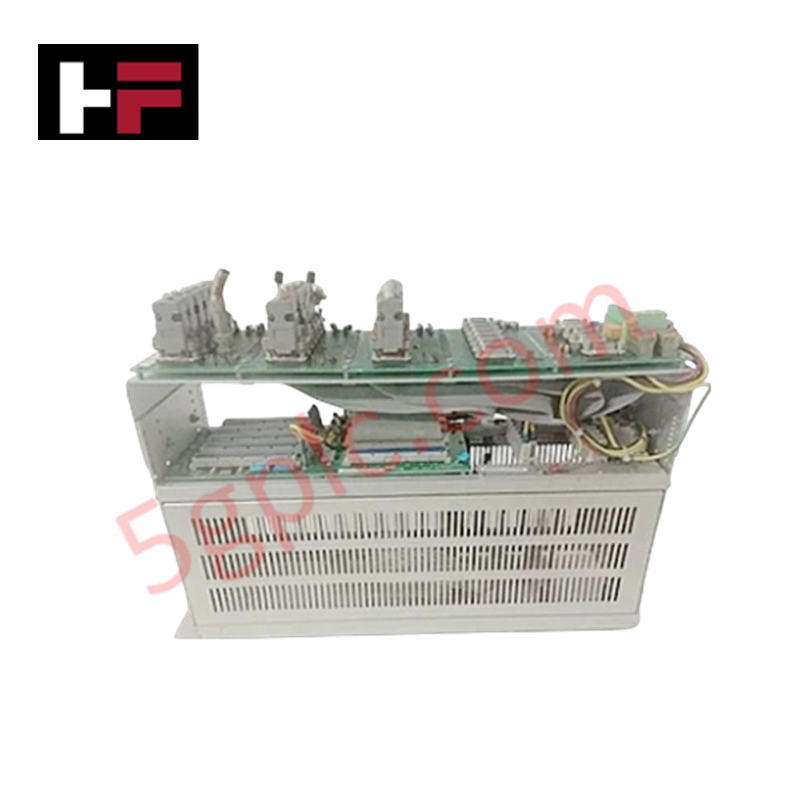
The GE WESCOM D200, also cataloged as the D200 VME Controller, operates as a dedicated hardware component for localized processing scaling and network medium conversion within WESCOM D200 system architectures.
Hardware Specifications
| Parameter | Specification |
|---|---|
| Model | WESCOM D200 |
| Brand | GE (General Electric) |
| Origin | United States |
| Weight | Standard 6U VME Component Weight Profile |
| Dimensions | Standard 6U VME form factor dimensions |
| Operating Temp | -40 - +85 deg C |
| Power Consumption | 10 W |
| Input Voltage | 5 VDC |
| Processor | Intel Xeon E5 |
| Memory Capacity | Up to 32 GB DDR4 |
| Onboard Storage | SATA SSD interface |
| Network Interface | Gigabit Ethernet |
| Logic Interfaces | Serial, USB, GPIO |
| Platform Interface | VMEbus Standard |
| OS Compatibility | Linux, Windows |
Firmware Flash Compatibility and VMEbus Backplane Execution
The 6U processor platform executes automation sequence instructions over integrated VMEbus address paths. Data frames synchronize directly with local serial, USB, and Gigabit Ethernet ports using defined address mapping structures. To prevent bus access timing faults or memory parity drops during multi-card processing cycles, all baseplate hardware revisions must adhere to uniform firmware flash compatibility guidelines specified by the master network node.
Frequently Asked Questions
Q: Does the WESCOM D200 controller allow physical extraction while the VME rack remains powered?
A: No. The standard VMEbus backplane connections lack sequential pre-charge pins. Inserting or removing the 5 VDC logic substrate during active power routing can induce transient voltage spikes, resulting in data corruption or hardware latch-up.
Q: How is the volatile DDR4 memory mapping managed across variable firmware updates?
A: System parameters governing the 32 GB DDR4 data bounds are controlled via the core BIOS. Modifying operating system deployment profiles requires verifying firmware flash compatibility matrices to guarantee standard hardware allocation boundaries.
Field Installation Guidelines
- Card Cage Insertion Alignment: Track the 6U board edges along the upper and lower plastic card cage guides, sliding the component inward until the VMEbus backplane plugs link together without distortion.
- Front Panel Retention Tightening: Secure the locking screws at the top and bottom of the module faceplate to establish a continuous frame ground bond and suppress localized mechanical vibrations.
- Peripheral Interface Isolation: Route all Gigabit Ethernet and GPIO line networks away from parallel high-voltage AC cables to prevent high-frequency electromagnetic noise induction across the processing loop.
Additional Information
- 100% Genuine Parts: All products are original and authentic, ensuring reliable industrial performance.
- 30-Day Refund Guarantee: Return any in-stock item within 30 days in original, unopened packaging for a full refund (excluding shipping and fees).
- 12-Month Warranty: Covers defects in materials or workmanship; excludes misuse, normal wear, or unauthorized modifications.
- Worldwide Shipping: We ship via USPS, UPS, FedEx, and DHL. Delivery times vary by country and may be subject to customs or import fees.
- Support & Contact: Technical and warranty assistance is available anytime. Contact us here: Contact.
- Purchase Guidance: Check product specifications and compatibility carefully before ordering to ensure proper application.


Tech & Buying Guide

Demystifying the DDE Protocol in Legacy Industrial Automation Systems
Modern control systems rely heavily on seamless interprocess communication to exchange operational data between software programs. Microsoft first introduced the Dynamic Data Exchange (DDE) protocol in 1987 to enable real-time data sharing. In factory automation, DDE served as an early bridge between control software and Windows desktop applications. Therefore, understanding DDE mechanics provides crucial insights into how legacy industrial networks established software-level connectivity.

Demystifying CPU Communication Ports in Siemens PLC Architectures
Industrial automation relies heavily on robust data exchange between devices. Without seamless connectivity, field instruments, network switches, human-machine interfaces, and programmable logic controllers cannot coordinate effectively. Therefore, understanding the various CPU communication ports available in Siemens hardware ensures efficient factory automation design and seamless system integration.

Mastering the Siemens PLC Scan Cycle: How the CPU Executes Automation Programs
Industrial automation relies heavily on programmable logic controllers (PLCs) to manage complex manufacturing processes. Many engineers dive straight into programming without mastering the underlying architecture. However, understanding how a PLC CPU executes a program ensures reliable system design. Therefore, mastering the scan cycle optimizes both performance and troubleshooting in modern control systems.