










Product Details
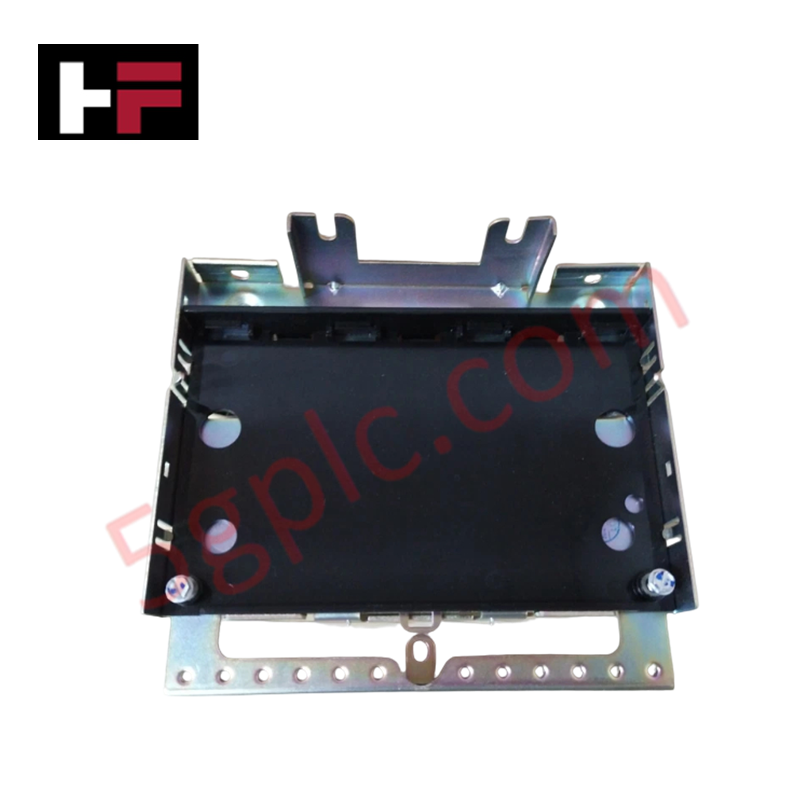
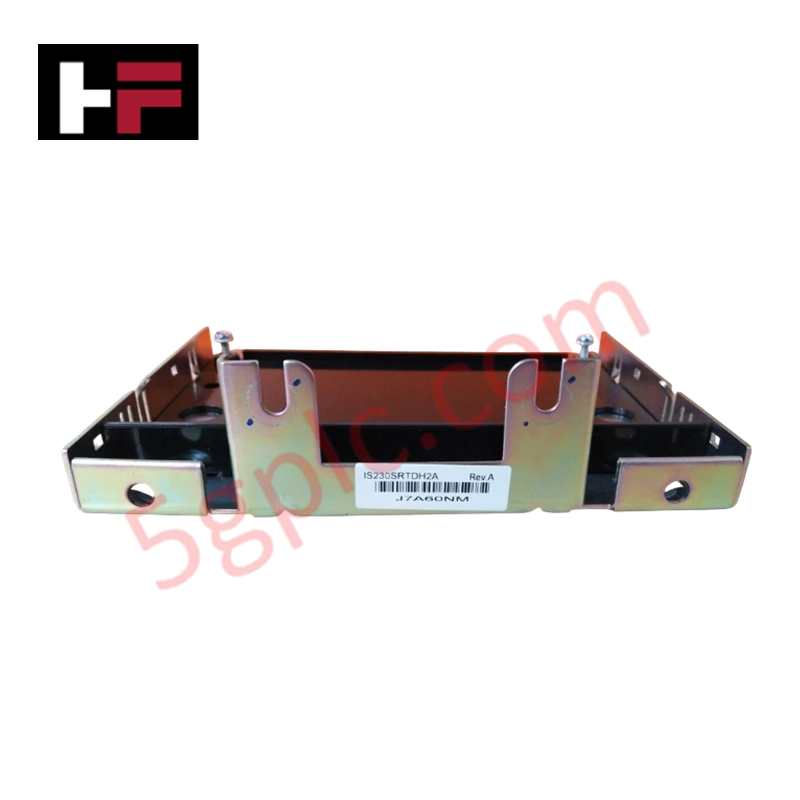
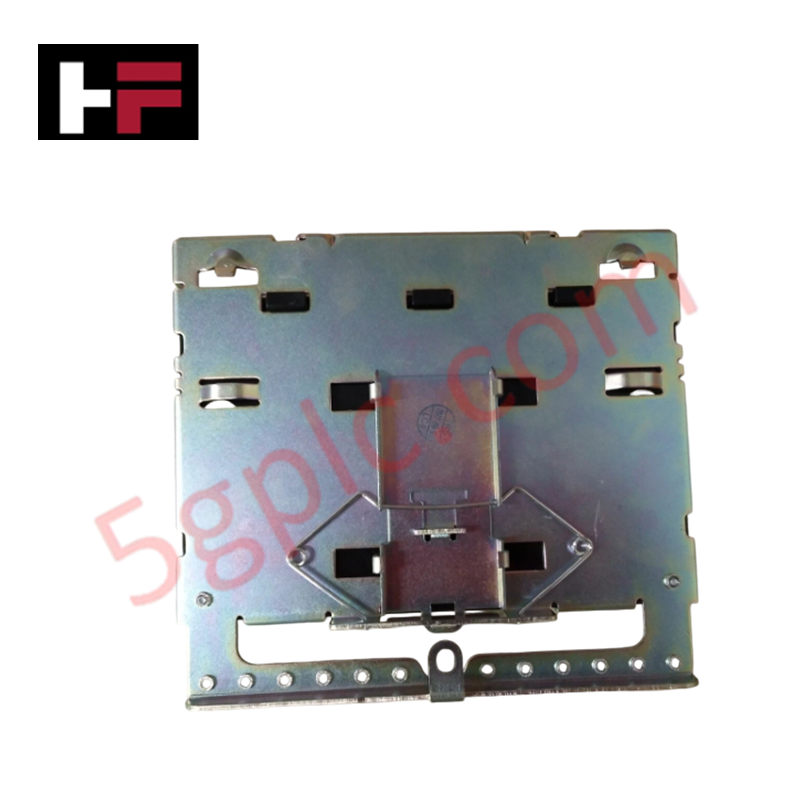
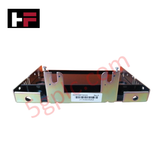
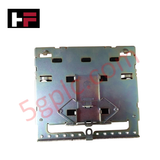
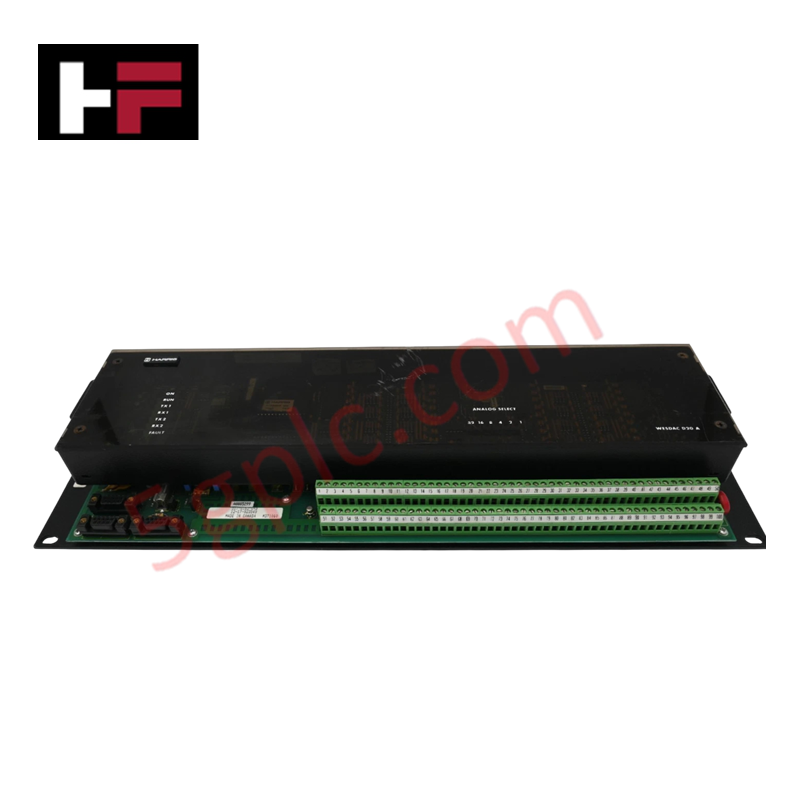
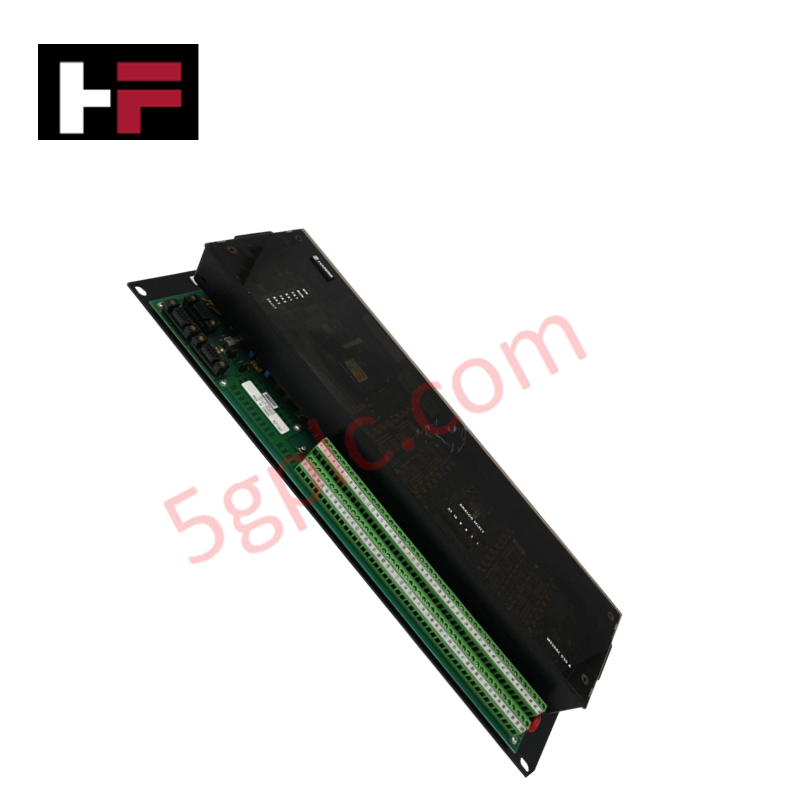
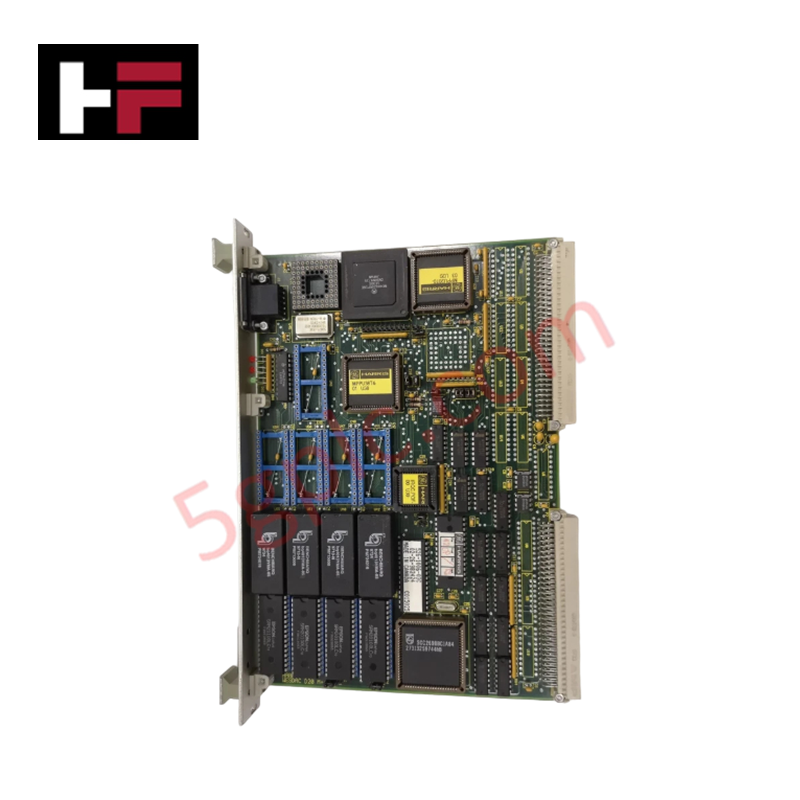
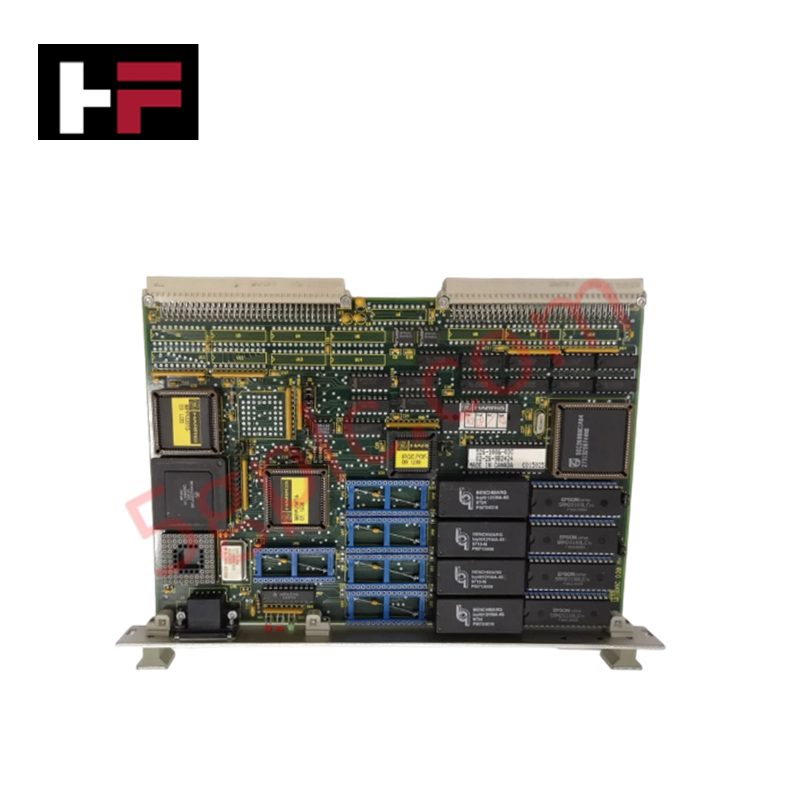
Configured for temperature monitoring in Mark VIe gas turbine control systems, the General Electric IS230SRTDH2A (IS230SRTDH2A RTD Terminal Board) provides direct physical execution of eight-channel RTD signal termination. This hardware component serves as the primary terminal board utilized to execute signal routing between field RTD sensors and the PRTD or VRTD I/O processor modules across Mark VIe platforms.
Hardware Specifications
| Parameter | Specification |
|---|---|
| Model | IS230SRTDH2A |
| Brand | General Electric |
| Dimensions | DIN-rail or flat mount form factor |
| Operating Temp | Standard industrial ambient range |
| Power Consumption | System-dependent |
| Core Performance | 8 RTD inputs; Euro-style terminal blocks |
Backplane Bus Communication and Deterministic Networks
The IS230SRTDH2A operates as a signal conditioning interface, facilitating deterministic data acquisition for turbine thermal monitoring. The board integrates eight high-density Euro-block terminal connections, ensuring stable signal paths to the host I/O processor (PRTD/VRTD). To maintain signal integrity and prevent ground loops, the board design relies on consistent backplane bus communication velocity when paired with the I/O processor. Users should ensure firmware flash compatibility between the connected I/O processor and the control system configuration to accurately interpret the RTD resistance-to-temperature conversion curves. The module architecture is optimized for mounting on standard 35 mm DIN-rail or flat-surface configurations, supporting flexible cabinet layout and I/O density scaling.
Frequently Asked Questions
Q: Does the IS230SRTDH2A require external power for operation?
A: No. The board is a passive terminal board designed to route RTD signals to the host I/O processor. Power for the signal loop is provided by the connected PRTD or VRTD pack.
Q: Can this module be used for thermocouple inputs?
A: No. The IS230SRTDH2A is specifically engineered for RTD inputs. Using this board for thermocouple signals will result in incorrect temperature data due to lack of cold junction compensation and incompatible input impedance.
Field Installation Guidelines
- Mounting: Secure the board to the DIN-rail using the integrated locking mechanism. If flat-mounted, ensure the board is isolated from the mounting surface if local electrical codes require it.
- Wiring: Use shielded, twisted-pair cabling for RTD connections to minimize electromagnetic interference. Terminate cable shields at the designated grounding points on the cabinet backplane to preserve the common-mode rejection ratio of the measurement circuit.
- Termination: Tighten Euro-block terminal screws to the manufacturer-specified torque. Avoid over-tightening to prevent damage to the terminal block insert or the PCB trace.
- Verification: Prior to system power-up, perform a loop continuity check from the RTD sensor to the terminal block to ensure no short circuits or open wires exist in the field cabling.
Additional Information
- 100% Genuine Parts: All products are original and authentic, ensuring reliable industrial performance.
- 30-Day Refund Guarantee: Return any in-stock item within 30 days in original, unopened packaging for a full refund (excluding shipping and fees).
- 12-Month Warranty: Covers defects in materials or workmanship; excludes misuse, normal wear, or unauthorized modifications.
- Worldwide Shipping: We ship via USPS, UPS, FedEx, and DHL. Delivery times vary by country and may be subject to customs or import fees.
- Support & Contact: Technical and warranty assistance is available anytime. Contact us here: Contact.
- Purchase Guidance: Check product specifications and compatibility carefully before ordering to ensure proper application.
Tech & Buying Guide

Navigating Industrial Automation Failures: Types, Causes, and Mitigation Strategies
Modern manufacturing relies heavily on automated control systems to maximize throughput and maintain product quality. However, unplanned downtime in industrial automation can cost facility operators thousands of dollars per hour. Understanding how programmable logic controllers (PLCs), distributed control systems (DCS), and field instrumentation fail empowers engineering teams to implement robust preventive maintenance strategies.
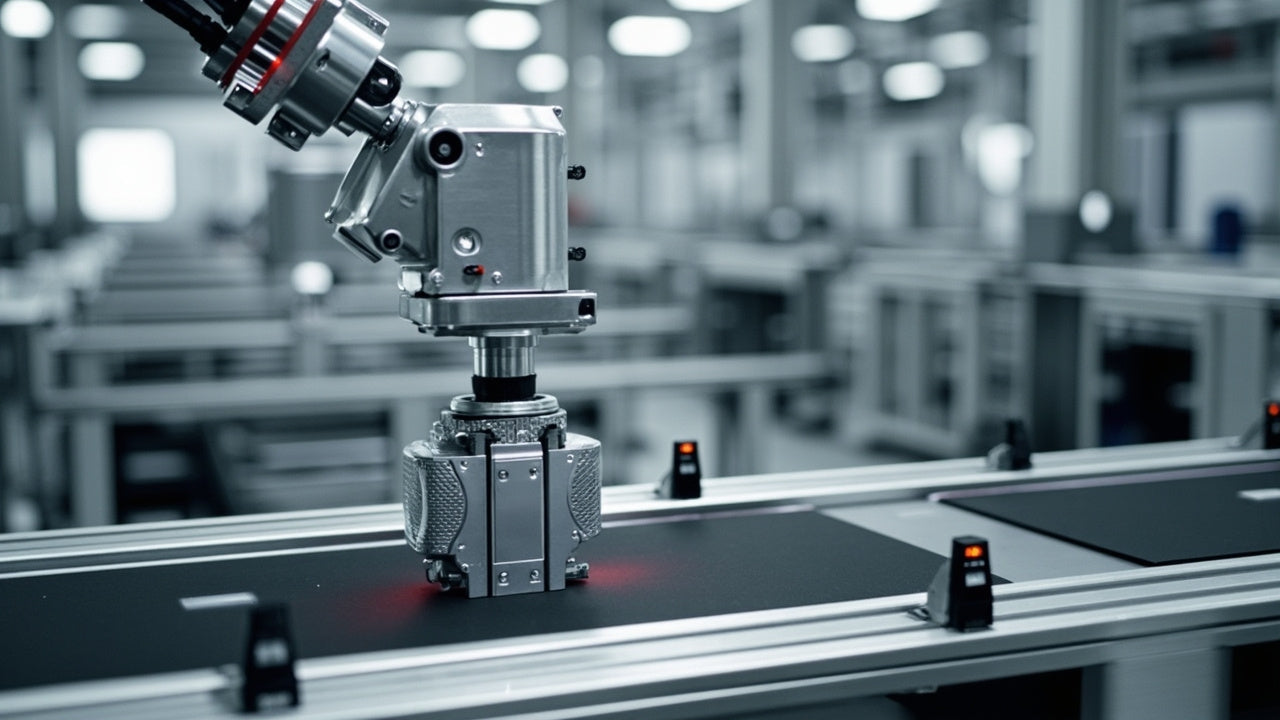
Essential Motion Control Commands: A Practical Guide for Engineers
Automation engineers often rely on precise position and speed control to drive modern factory machinery. Modern industrial systems, such as Programmable Logic Controllers (PLCs) and Distributed Control Systems (DCS), depend heavily on standardized motion instructions. Mastering these commands ensures operational safety, protects mechanical components, and optimizes cycle times across production lines.

The Role of Intrinsic Safety Barriers in PLC and DCS Architectures
Implementing robust protection in hazardous industrial environments represents a fundamental safety requirement in factory automation. Process facilities often handle volatile gases, dusts, and chemical agents that pose significant combustion risks. Consequently, control system engineers must deploy energy-limiting interfaces to isolate safe-area control cabinets from hazardous-area field instrumentation. This article examines the function, selection, and electrical principles of intrinsic safety barriers within modern PLC and DCS networks.