










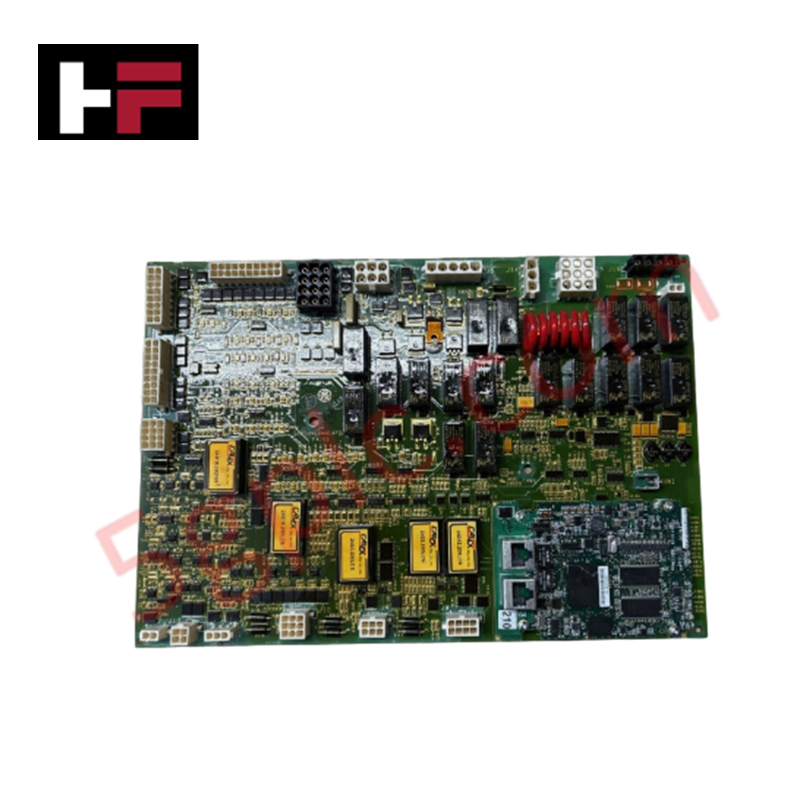
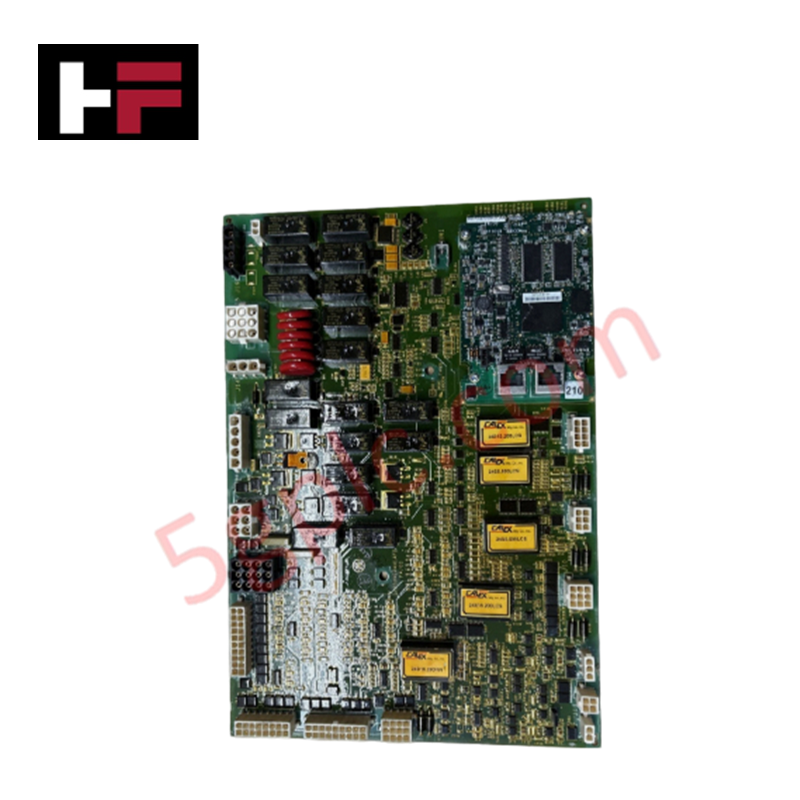
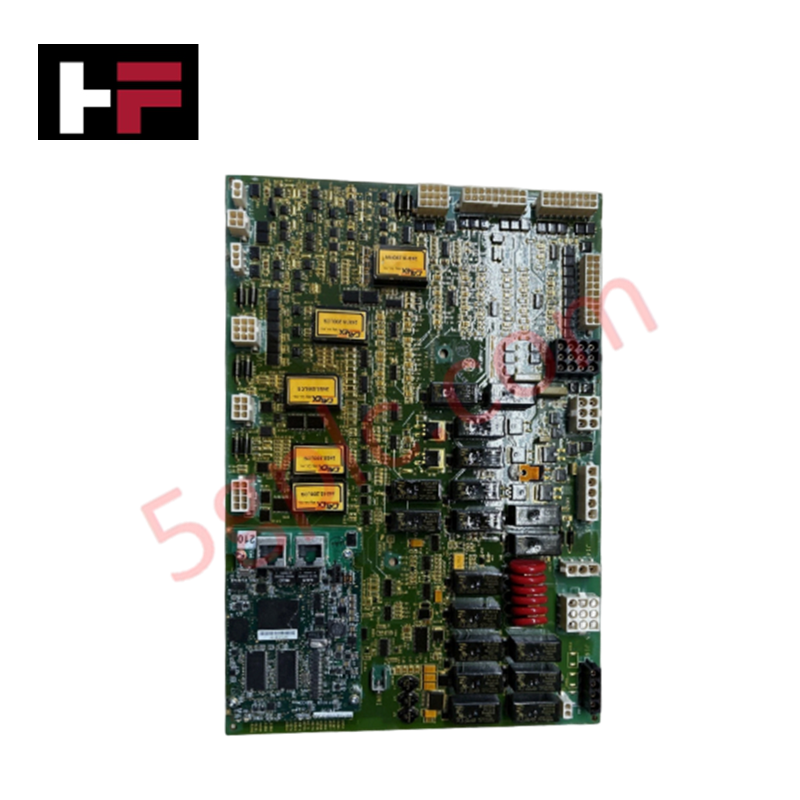
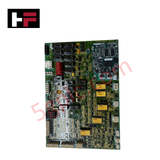
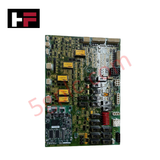
Product Details
Configured for auxiliary drive control and signal routing in industrial drive systems, the GE IS200AEPAH1A (IS200AEPAH1A Optional Auxiliary Board) provides direct physical and electrical execution of multi-channel I/O signal conditioning and relay logic activation.
Hardware Specifications
| Parameter | Specification |
|---|---|
| Model | IS200AEPAH1A |
| Brand | General Electric |
| Origin | USA |
| Weight | Standard PCB assembly |
| Dimensions | 13 in x 7 in |
| Operating Temp | 0 deg C to 60 deg C |
| Power Consumption | System-bus dependent |
| Analog Inputs | 8 |
| Analog Outputs | 1 |
| Discrete Inputs | 20 |
| Discrete Outputs | 1 |
| Relay Outputs | 8 |
Backplane Bus Communication Velocity Licences
The IS200AEPAH1A serves as a high-density auxiliary interface module within the drive control architecture, designed to optimize backplane bus communication velocity for subordinate signal processing tasks. The module leverages standardized bus protocols to ensure synchronized data exchange between the primary drive controller and field-level I/O. Firmware flash compatibility is managed through the host system software to ensure hardware revision alignment. The board facilitates I/O density scaling by integrating mixed-signal capabilities—including 20 discrete inputs and 8 relay outputs—onto a single interface, enabling the control system to expand its monitoring and command capacity without increasing the rack footprint.
Frequently Asked Questions
Q: Is this module capable of hot-swap operation in an active drive cabinet?
A: No. Installation and removal must be performed while the control rack is de-energized to prevent electrical shorts and communication bus interference with adjacent modules.
Q: Are the 8 analog input channels isolated from the relay output circuitry?
A: The board design requires proper physical isolation and shielding during installation to prevent electromagnetic interference from relay switching transients affecting the integrity of the analog input signals.
Field Installation Guidelines
- Mounting: Secure the board using the designated chassis mounting points. Ensure the PCB is properly seated to maintain mechanical stability and correct alignment with the backplane connectors.
- Wiring: Use shielded, twisted-pair cabling for all analog input channels to preserve signal accuracy. Terminate cable shields at the designated cabinet grounding rail to suppress electromagnetic interference.
- Relay Logic: Verify that external load currents for the 8 relay outputs do not exceed the board's rated switching capacity. Utilize external suppression diodes if switching inductive loads.
- Environment: Operate the module within a temperature range of 0 deg C to 60 deg C. Ensure that cabinet cooling fans are operational to prevent the buildup of heat around the surface-mount components.
- Configuration: Post-installation, perform a diagnostic I/O verification in the control software to confirm that all 20 discrete inputs and 8 relay outputs are mapped correctly to the controller logic.
Additional Information
- 100% Genuine Parts: All products are original and authentic, ensuring reliable industrial performance.
- 30-Day Refund Guarantee: Return any in-stock item within 30 days in original, unopened packaging for a full refund (excluding shipping and fees).
- 12-Month Warranty: Covers defects in materials or workmanship; excludes misuse, normal wear, or unauthorized modifications.
- Worldwide Shipping: We ship via USPS, UPS, FedEx, and DHL. Delivery times vary by country and may be subject to customs or import fees.
- Support & Contact: Technical and warranty assistance is available anytime. Contact us here: Contact.
- Purchase Guidance: Check product specifications and compatibility carefully before ordering to ensure proper application.


Tech & Buying Guide
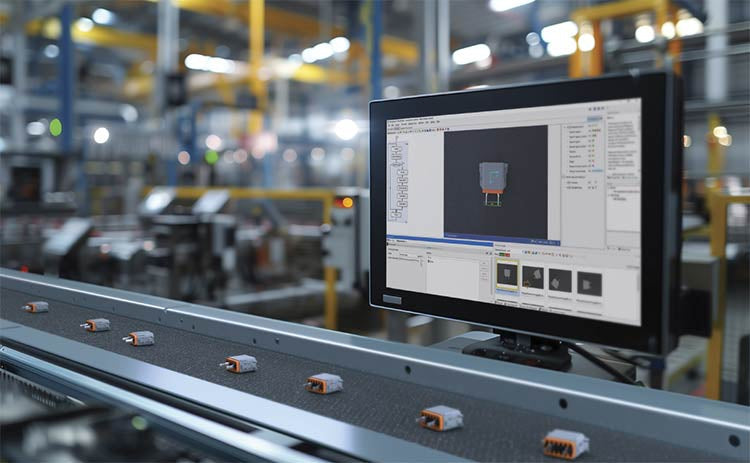
Modern Industrial Automation: Transforming Safety and Efficiency in Mining Operations
Industrial automation has evolved from a simple manufacturing tool into the operational backbone of high-risk sectors. Modern mining operations increasingly rely on advanced control systems, programmable logic controllers (PLCs), distributed control systems (DCS), and artificial intelligence to address deep-underground hazards. By replacing manual labor in high-risk zones, factory automation technologies protect personnel while significantly boosting operational throughput.

Step-by-Step System Cabinet Health Check Guide for PLC and DCS Infrastructure
