










Product Details
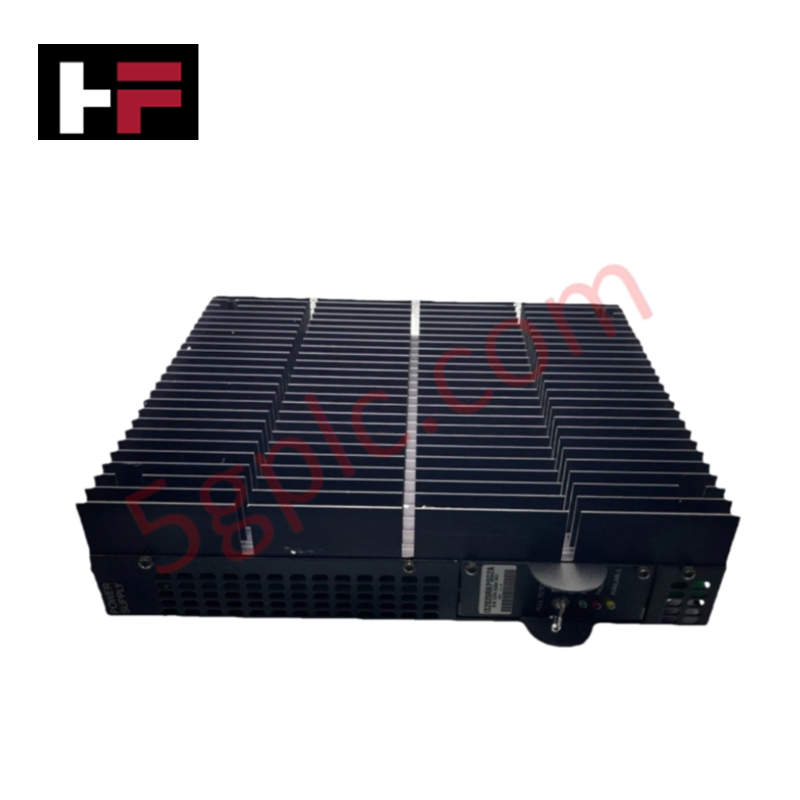
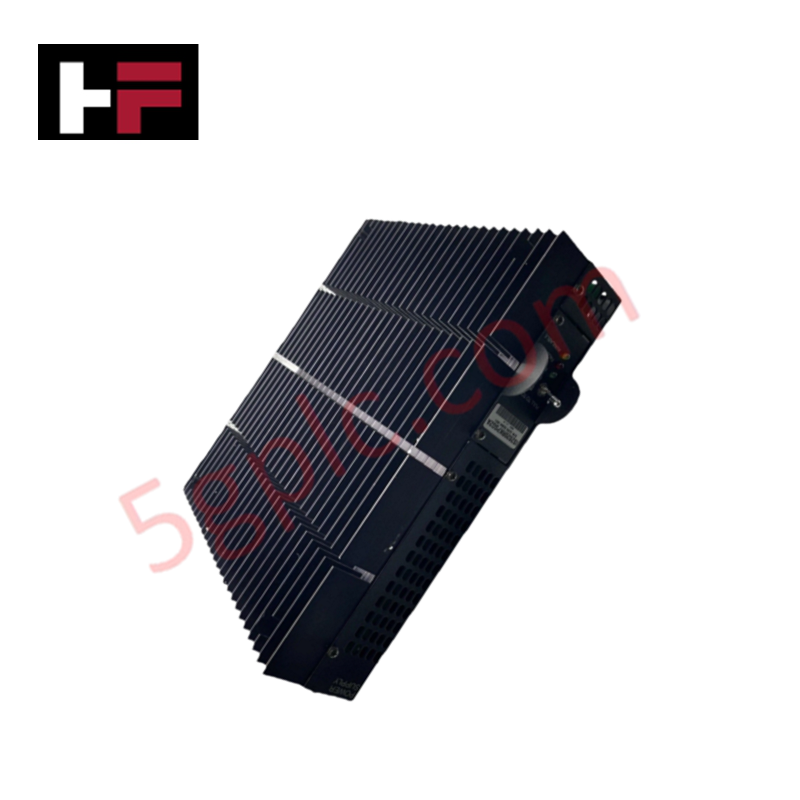
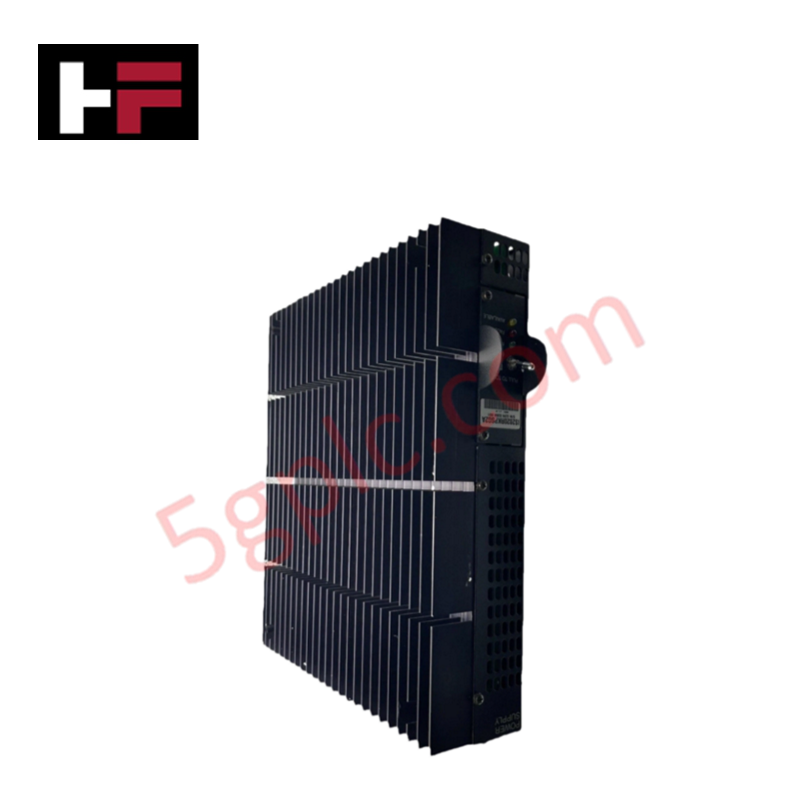
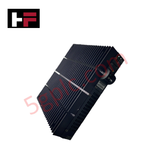
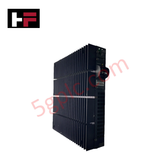
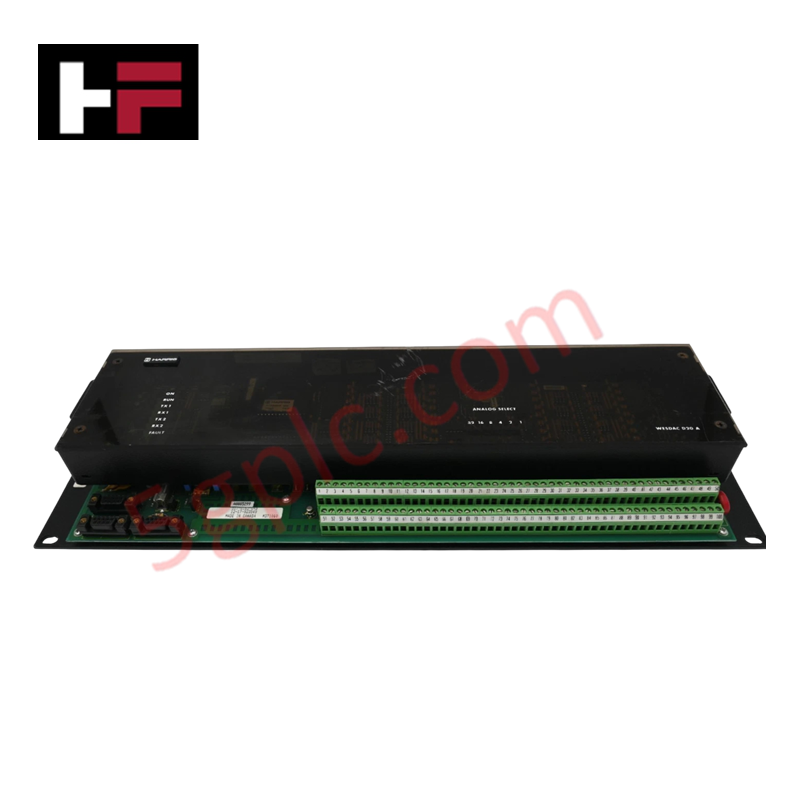
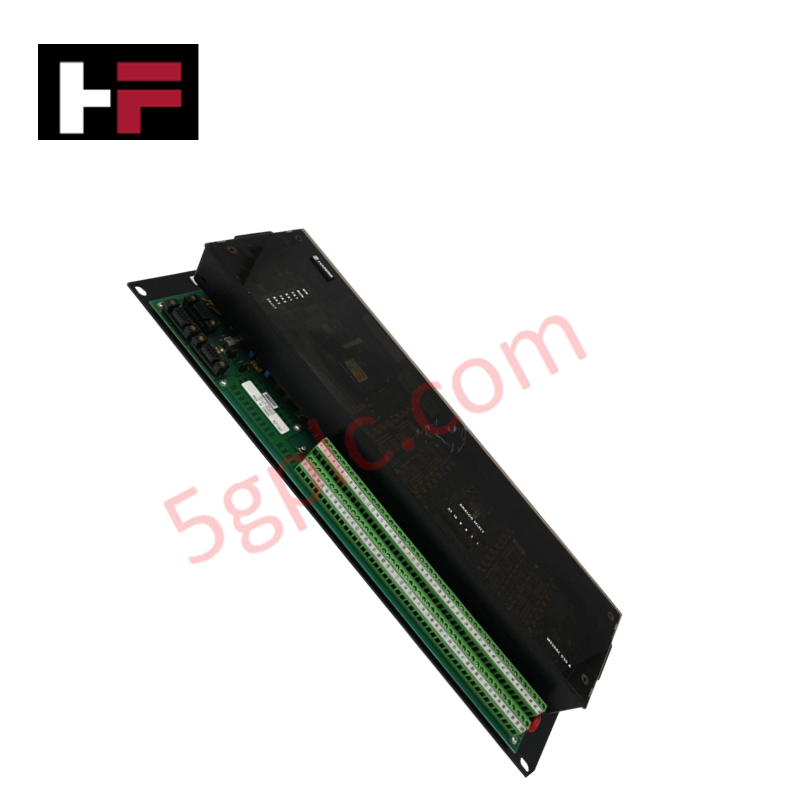
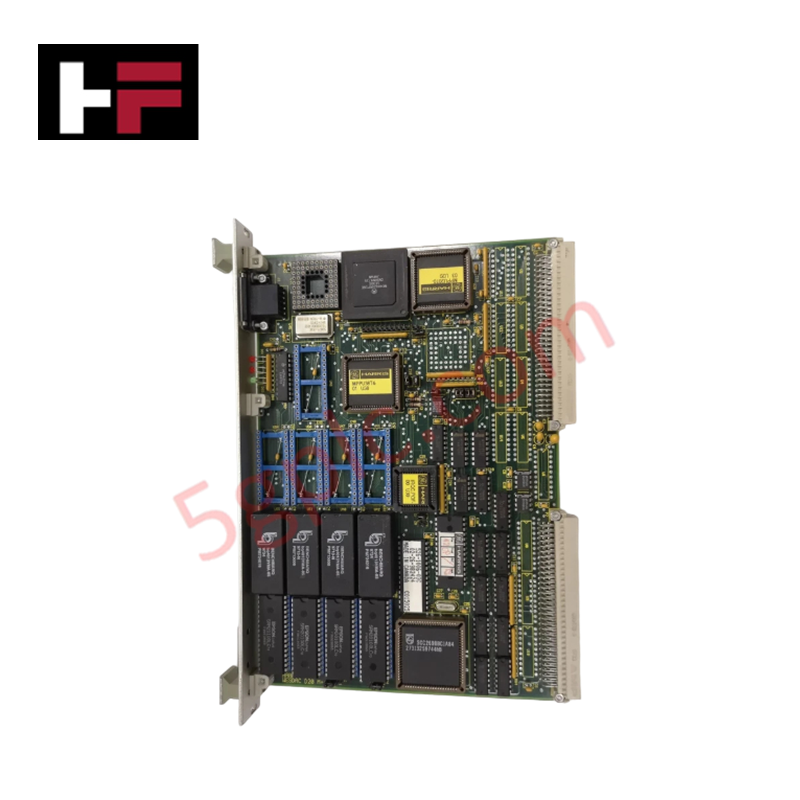
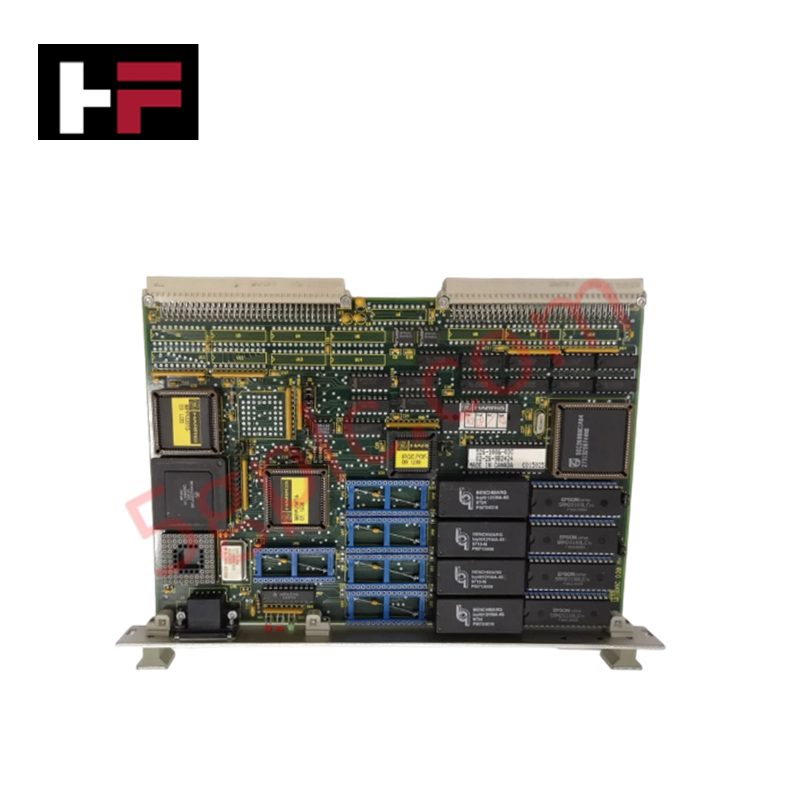
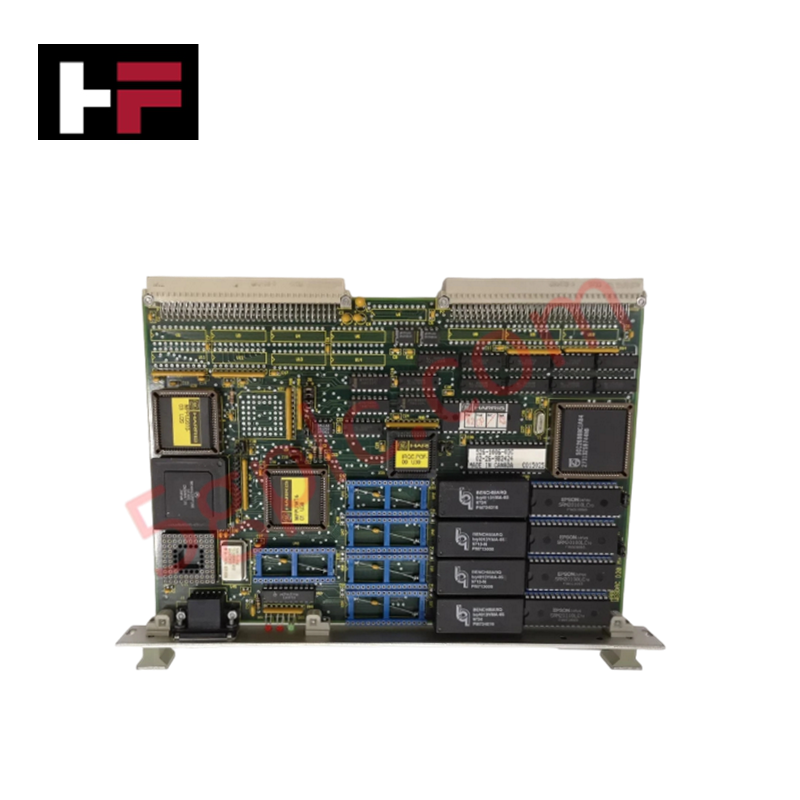
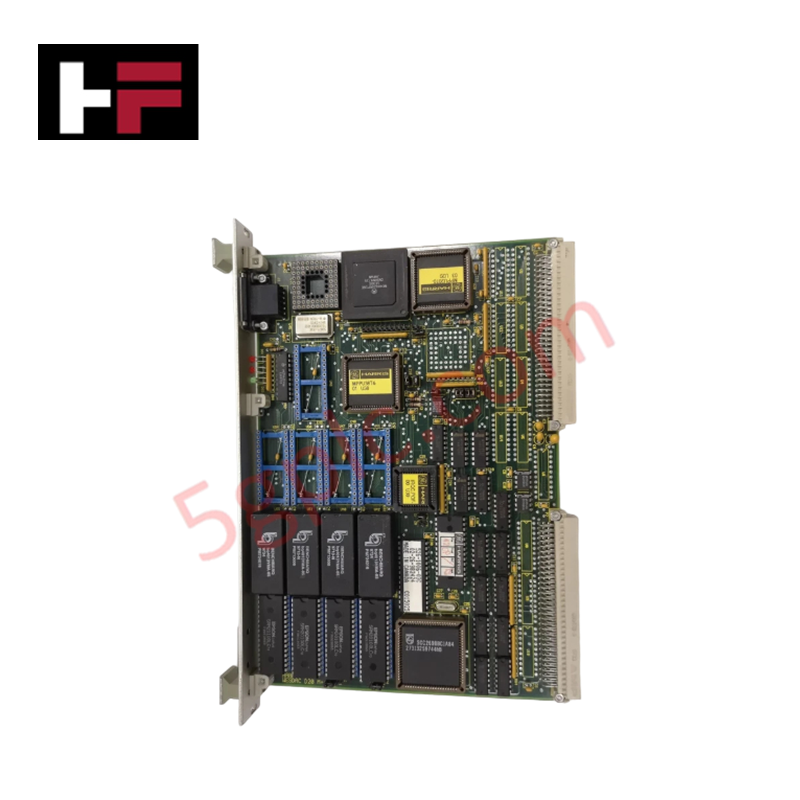
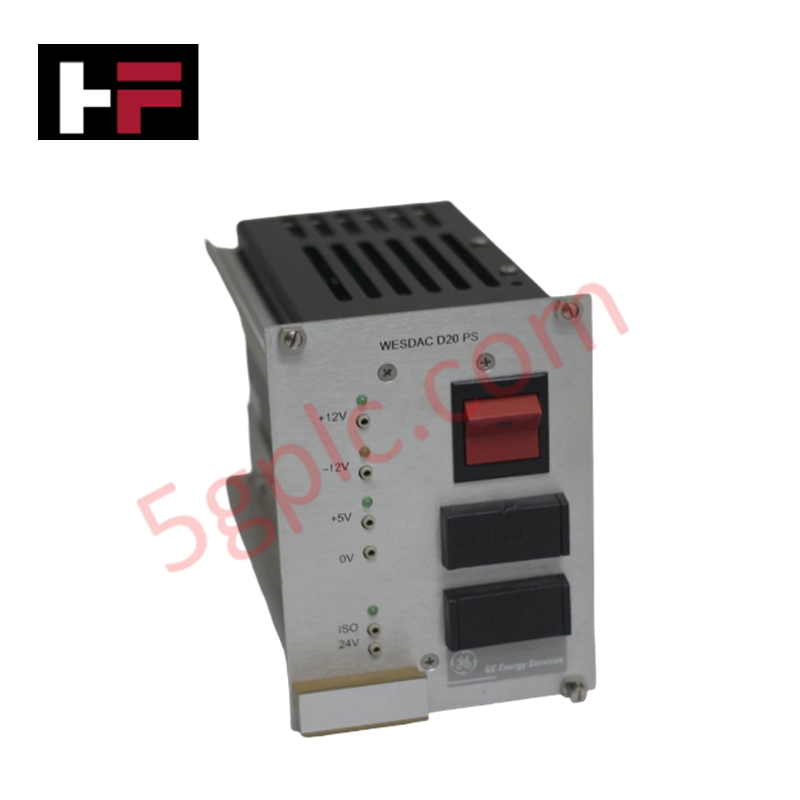
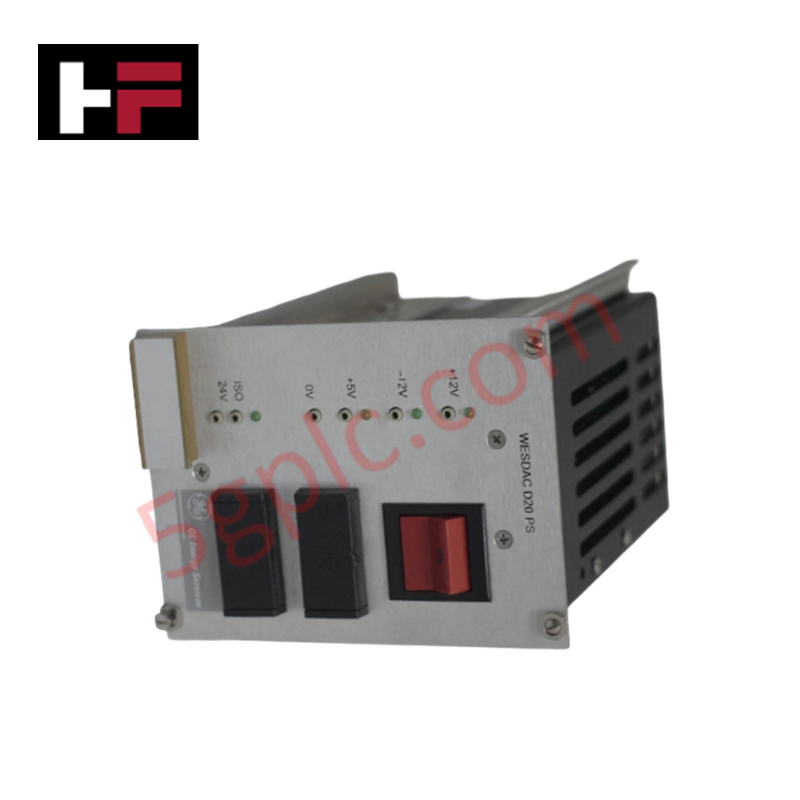
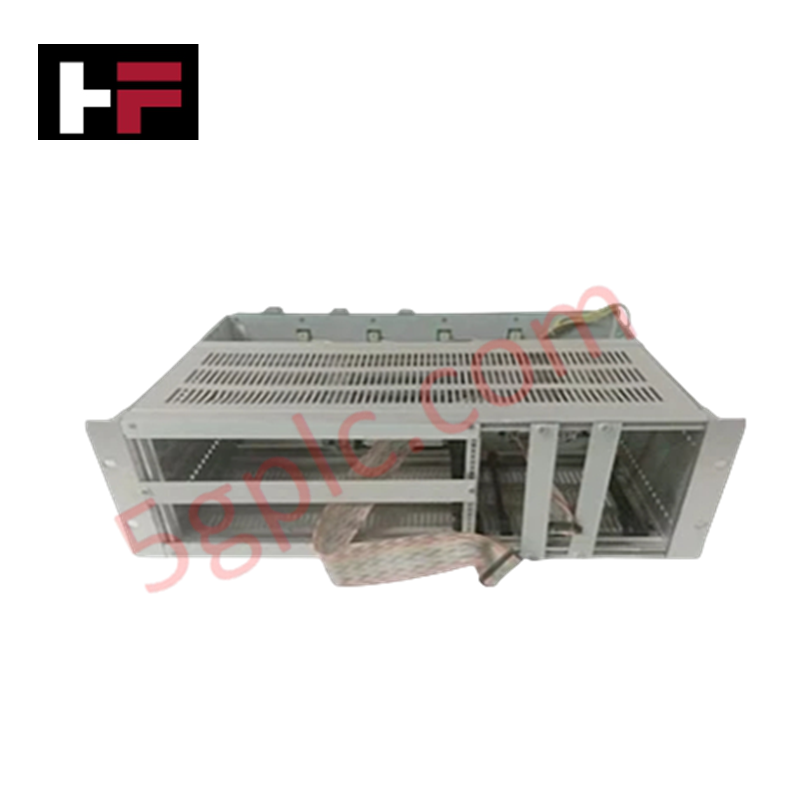
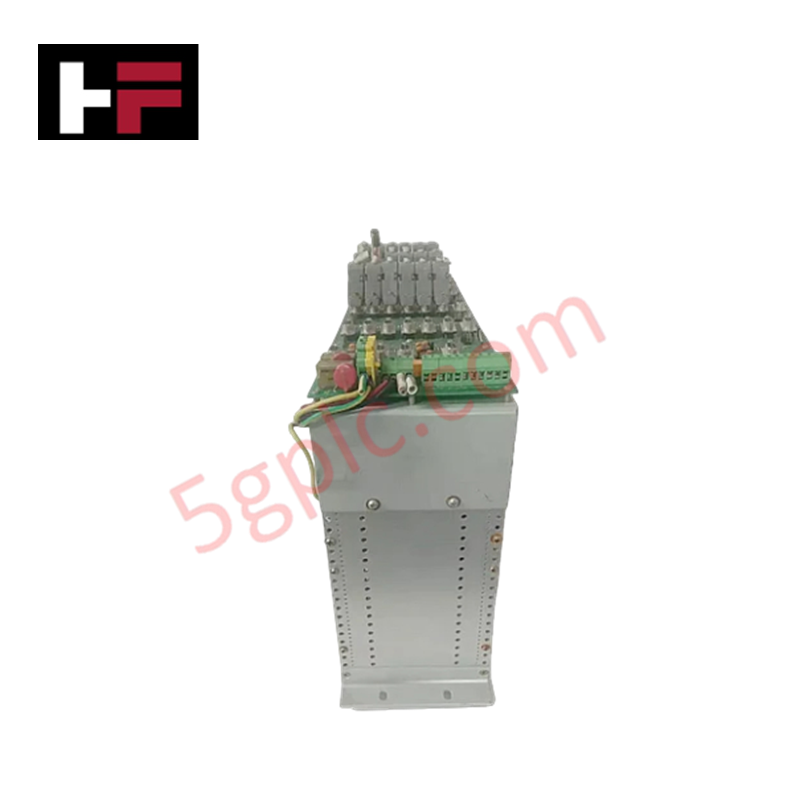
Configured for power regulation in Mark VI turbine control platforms, the GE IS2020RKPSG2A (IS2020RKPSG2A VME Power Supply Module) provides direct physical/electrical execution of rack-level power conversion and voltage distribution.
Hardware Specifications
| Parameter | Specification |
|---|---|
| Model | IS2020RKPSG2A |
| Brand | General Electric |
| Origin | USA |
| Weight | 7 lbs |
| Dimensions | Not specified |
| Operating Temp | Not specified |
| Power Consumption | 400 W (Output rating) |
| Input Voltage | 125 V DC |
| Compatibility | Redundant operation supported, PS335 output enabled |
Profinet / EtherNet/IP Deterministic Networks
The IS2020RKPSG2A functions as a primary power interface within the VME rack architecture, converting 125 V DC input to stabilized output rails required by control processors and I/O modules. The module supports redundant operation, allowing for parallel configuration to maintain continuous power availability during single-module failure. The deterministic nature of the power delivery ensures that the backplane bus communication velocity and logic-level voltages remain stable, preventing transient errors in I/O density scaling during load fluctuations. Firmware flash compatibility and hardware health monitoring are integrated into the rack management system, providing feedback on power supply status to the main turbine controller.
Frequently Asked Questions
Q: Does the IS2020RKPSG2A assembly include user-accessible switches?
A: Yes. The module features one labeled switch located on the exterior faceplate, used for local control or status interaction as defined in the GEI-100567 manual.
Q: Is this power supply module capable of redundant operation?
A: Yes. The IS2020RKPSG2A is designed to support redundant power configurations within the Mark VI VME rack. When installed in parallel, the modules share the load to ensure uninterrupted power delivery to critical control components.
Field Installation Guidelines
- Rack Mounting: Verify that the VME rack slot is configured for a power supply module. Ensure that all backplane connectors are aligned correctly before full insertion to prevent damage to the connection pins.
- Fastening: Secure the module using the front-panel captive screws. A tight mechanical bond is required to maintain the electrical ground reference between the power supply chassis and the VME rack.
- Input Wiring: Connect the 125 V DC input source according to the site-specific wiring diagrams. Use appropriately rated wiring and ensure all connections are torqued to specifications to prevent localized heating at the input terminals.
- Redundancy Setup: When configuring redundant power supplies, verify that both modules are installed and operational. Monitor the output status LEDs or software diagnostic flags to confirm that load sharing is balanced between the modules.
Additional Information
- 100% Genuine Parts: All products are original and authentic, ensuring reliable industrial performance.
- 30-Day Refund Guarantee: Return any in-stock item within 30 days in original, unopened packaging for a full refund (excluding shipping and fees).
- 12-Month Warranty: Covers defects in materials or workmanship; excludes misuse, normal wear, or unauthorized modifications.
- Worldwide Shipping: We ship via USPS, UPS, FedEx, and DHL. Delivery times vary by country and may be subject to customs or import fees.
- Support & Contact: Technical and warranty assistance is available anytime. Contact us here: Contact.
- Purchase Guidance: Check product specifications and compatibility carefully before ordering to ensure proper application.
Tech & Buying Guide

Navigating Industrial Automation Failures: Types, Causes, and Mitigation Strategies
Modern manufacturing relies heavily on automated control systems to maximize throughput and maintain product quality. However, unplanned downtime in industrial automation can cost facility operators thousands of dollars per hour. Understanding how programmable logic controllers (PLCs), distributed control systems (DCS), and field instrumentation fail empowers engineering teams to implement robust preventive maintenance strategies.

Essential Motion Control Commands: A Practical Guide for Engineers
Automation engineers often rely on precise position and speed control to drive modern factory machinery. Modern industrial systems, such as Programmable Logic Controllers (PLCs) and Distributed Control Systems (DCS), depend heavily on standardized motion instructions. Mastering these commands ensures operational safety, protects mechanical components, and optimizes cycle times across production lines.

The Role of Intrinsic Safety Barriers in PLC and DCS Architectures
Implementing robust protection in hazardous industrial environments represents a fundamental safety requirement in factory automation. Process facilities often handle volatile gases, dusts, and chemical agents that pose significant combustion risks. Consequently, control system engineers must deploy energy-limiting interfaces to isolate safe-area control cabinets from hazardous-area field instrumentation. This article examines the function, selection, and electrical principles of intrinsic safety barriers within modern PLC and DCS networks.