Flexible I/O Modules in Industrial Automation: Improving PLC and DCS System Design
- 〡
- 〡 by WUPAMBO

Understanding I/O Modules in Industrial Control Systems
In industrial automation, controllers communicate with field devices through input and output channels. These signals connect sensors, transmitters, actuators, and machines to the control system.
Typical PLC and DCS architectures classify signals into four main types:
Digital Input (DI)
Digital Output (DO)
Analog Input (AI)
Analog Output (AO)
Control systems implement these signals through I/O modules (IOMs) installed in PLC or DCS racks. These modules allow the controller to interact with physical processes in factory automation environments.
Conventional I/O Modules in PLC and DCS Systems
Traditional control systems use dedicated I/O modules. Each module supports only one signal type.
For example, a module with 16 channels may support only digital inputs. Another module may support only analog outputs.
This architecture works well for stable systems. However, it introduces limitations during engineering and maintenance.
If an engineer requires only one additional analog input, the entire analog input module must be installed. Many channels may remain unused.
As a result, hardware utilization becomes inefficient.
Engineering Challenges with Fixed I/O Architecture
Dedicated I/O modules often create practical challenges in large automation projects.
First, signal counts frequently change during engineering design. New sensors or control points may appear late in the project.
Second, revamp or modernization projects often have limited space inside control cabinets.
Moreover, maintenance teams must store spare modules for each signal type.
These constraints increase inventory cost, engineering effort, and installation complexity in industrial control systems.
Flexible I/O Modules: A New Approach in Control System Design
To solve these challenges, automation vendors developed Flexible Input Output Modules (FIOM).
A flexible I/O module allows each channel to function as a different signal type. A single channel can operate as:
Analog Input (AI)
Analog Output (AO)
Digital Input (DI)
Digital Output (DO)
Engineers configure the channel type through software settings or hardware configuration.
Therefore, one module can replace multiple dedicated modules in PLC and DCS systems.
Advantages of Flexible I/O Technology in Industrial Automation
Flexible I/O technology significantly improves engineering flexibility.
First, engineers focus on the total number of signals rather than signal type distribution.
If signal types change later, engineers simply reconfigure channels. They do not replace the entire module.
Moreover, flexible I/O modules reduce cabinet space requirements. They also reduce spare inventory requirements.
These advantages simplify both system integration and long-term plant maintenance.
Flexible I/O in Revamp and Modernization Projects
Revamp projects often face strict limitations in time, budget, and installation space.
Flexible I/O modules help solve these constraints. Engineers can reconfigure channels instead of installing additional hardware.
This capability reduces engineering redesign and avoids project delays.
Therefore, flexible I/O solutions are particularly valuable in brownfield industrial automation upgrades.
Flexible I/O Technologies from Leading Automation Vendors
Several major automation companies provide flexible I/O technologies.
Examples include:
Honeywell – Universal I/O (UIO)
Yokogawa Electric – Network I/O (N-IO)
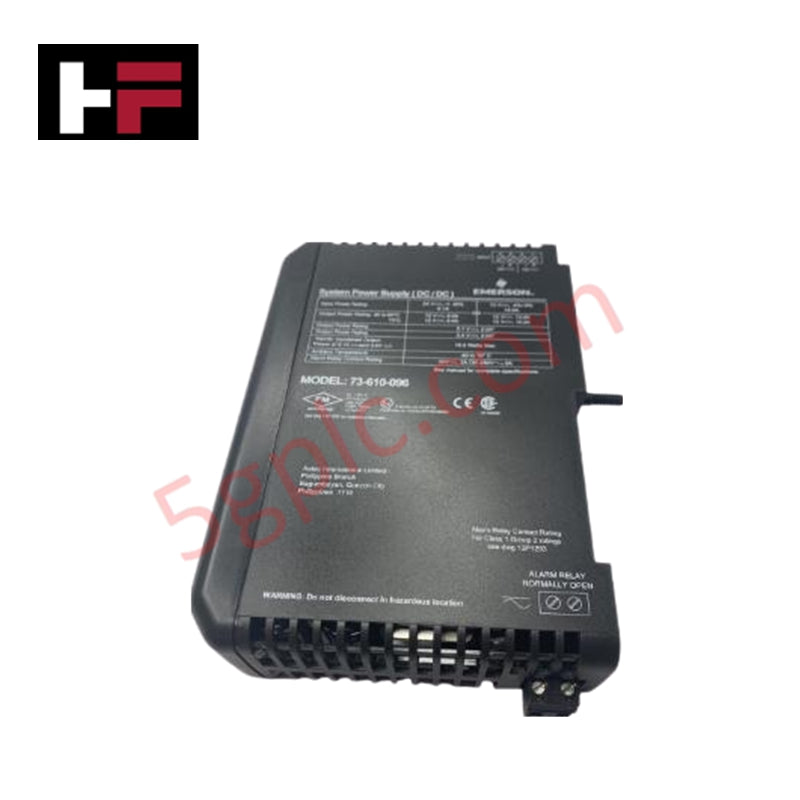
Emerson Electric – CHARMs I/O
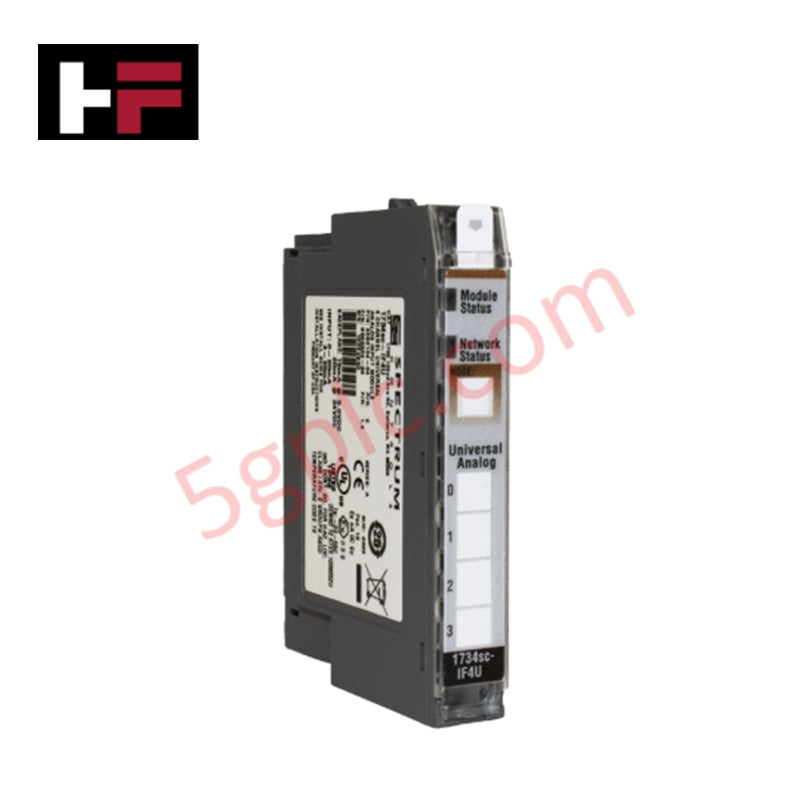
Rockwell Automation – FLEX I/O
ABB – Flexible automation I/O solutions
Among these solutions, implementation methods differ slightly. Some systems require hardware configuration changes, while others rely primarily on software configuration.
Author Insight: Why Flexible I/O Is Transforming Control System Engineering
From an engineering perspective, flexible I/O significantly simplifies system design.
Traditional systems required detailed signal planning early in the project. Even small changes could force hardware redesign.
Flexible I/O removes much of that complexity. Engineers can adapt quickly when process requirements change.
In my experience, this flexibility reduces project risk and improves engineering productivity in large automation projects.
Moreover, as plants adopt modular automation architectures, flexible I/O aligns well with scalable system design.
Maintenance Benefits of Flexible I/O Modules
Flexible I/O technology also benefits plant maintenance teams.
Instead of storing multiple spare module types, technicians maintain fewer hardware components.
When a signal expansion occurs, technicians simply configure an available channel.
This approach reduces spare inventory costs and simplifies maintenance workflows.
Therefore, flexible I/O modules improve long-term reliability in industrial control systems.
Practical Application Scenario: Flexible I/O in a Process Plant
Consider a chemical plant upgrading its legacy control system.
The original system uses separate modules for DI, DO, AI, and AO signals.
During modernization, engineers install flexible I/O modules in the new control system.
When new transmitters or valves appear during commissioning, engineers configure available channels accordingly.
This approach eliminates the need to install additional I/O cards and avoids costly project delays.
Conclusion
Flexible Input Output Modules represent an important advancement in industrial automation and control system design.
By allowing each channel to support multiple signal types, flexible I/O modules increase engineering flexibility, reduce hardware requirements, and simplify maintenance.
As factories move toward more adaptable and scalable automation architectures, flexible I/O solutions will continue to play a critical role in modern PLC and DCS systems.