Understanding Standard Color Codes in PLC Automation Systems
- 〡
- 〡 by WUPAMBO
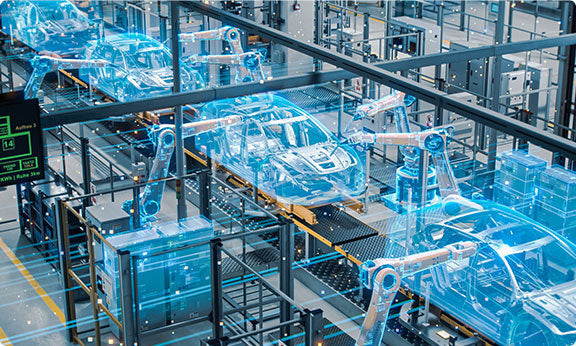
Color coding in industrial automation systems, especially in PLC (Programmable Logic Controllers) environments, plays a crucial role in efficient system management, operation, and safety. As automation projects involve various devices, wiring systems, and complex setups, identifying each component quickly and accurately is essential. This article explores the standard color codes used in PLC automation and their importance in enhancing reliability and minimizing errors.
The Importance of Color Coding in Industrial Automation
Color coding serves as a practical tool for engineers and operators to quickly identify the function of different devices and systems. By adhering to standardized color codes, manufacturers can improve operational efficiency and streamline the troubleshooting process. Colors also provide an added layer of safety, allowing personnel to easily detect hazards and respond accordingly.
Benefits of Color Coding
Color coding simplifies complex systems and reduces the likelihood of errors. For instance, in critical scenarios like troubleshooting or wiring, operators can immediately identify the purpose of wires, cables, or equipment just by looking at their color. This practice also ensures greater consistency in system design and maintenance, enhancing both the functionality and safety of the operations.
Standard Cable Color Codes for Industrial Automation Systems
DC and AC Wiring Color Standards
-
DC Power:
-
Positive wires are marked red or white.
-
Negative wires are typically black or blue.
-
AC Power:
-
Light blue is used for neutral wires.
-
Phase wires vary in color, with black, brown, grey, red, yellow, dark blue, and violet commonly used, depending on the voltage.
-
Earthing Wires:
-
Yellow and green stripes are used to denote earthing.
By following these color standards, engineers can ensure proper system design and prevent wiring errors during installations or upgrades.
Standard Colors in PLC Automation Systems: HMI Indicators
Color Codes for Machine States
-
Green/Red: Indicates the system is stopped or running. The color may vary depending on regional standards.
-
Red/Green: Used to signify that the system is in a running state and can be stopped if necessary.
-
Yellow: This color is typically used to indicate that the system has tripped or encountered an issue.
-
Grey: Denotes a disabled system or component that has not been activated yet.
-
Blue: Used when the system requires manual intervention or needs to be restarted.
These colors help operators quickly assess the status of systems, minimizing downtime and reducing errors during operations.
Safety and Warning Indicators
-
Red: This color is not only used to show the system status but also to indicate emergency situations or critical hazards.
-
Yellow/Orange: Used for warning signs or to indicate potential issues that need attention.
These color codes make it easy to identify areas requiring immediate action, improving safety standards and operational efficiency.
Cautions for Electrical Technicians
Test Before Trusting Colors
While color coding is essential, it is vital to verify wire functions using a multimeter before making any assumptions. Wire colors can fade over time, causing confusion, so it is always better to test circuits thoroughly before drawing conclusions about their purpose.
Consider Local Standards and Practices
Different countries or regions may have their own standardization bodies with slightly different color coding systems. Before starting any work, always refer to local regulations to ensure compliance with safety standards and avoid mistakes during installations or troubleshooting.
Conclusion: The Value of Standardized Colors in Industrial Automation
Color coding in PLC systems and industrial automation serves as a fundamental practice that enhances operational reliability, safety, and efficiency. By understanding and adhering to standard color codes, engineers and technicians can easily identify devices, monitor system states, and troubleshoot issues effectively. As automation technologies advance, the role of color coding remains critical in ensuring streamlined operations and minimizing human error.
Application Scenarios in Industrial Automation
-
Automated Production Lines: In environments like automotive manufacturing, color coding ensures quick identification of machine states, reducing downtime and increasing throughput.
-
Power Generation: Color-coded wiring simplifies the connection of complex electrical systems, making maintenance easier and safer.
-
Pharmaceutical Manufacturing: Standard colors help maintain compliance with stringent safety protocols, ensuring that operations are error-free and meet industry standards.