PLC vs. PAC: Navigating the Evolution of Modern Industrial Control Systems
- 〡
- 〡 by WUPAMBO
In the rapidly advancing world of industrial automation, the line between hardware categories often blurs. Traditionally, engineers relied on Programmable Logic Controllers (PLCs) for basic machine logic. However, the rise of Programmable Automation Controllers (PACs) has introduced a new level of complexity and multidisciplinary control. Understanding these tools is essential for designing efficient factory automation architectures today.
Defining the Programmable Logic Controller (PLC)
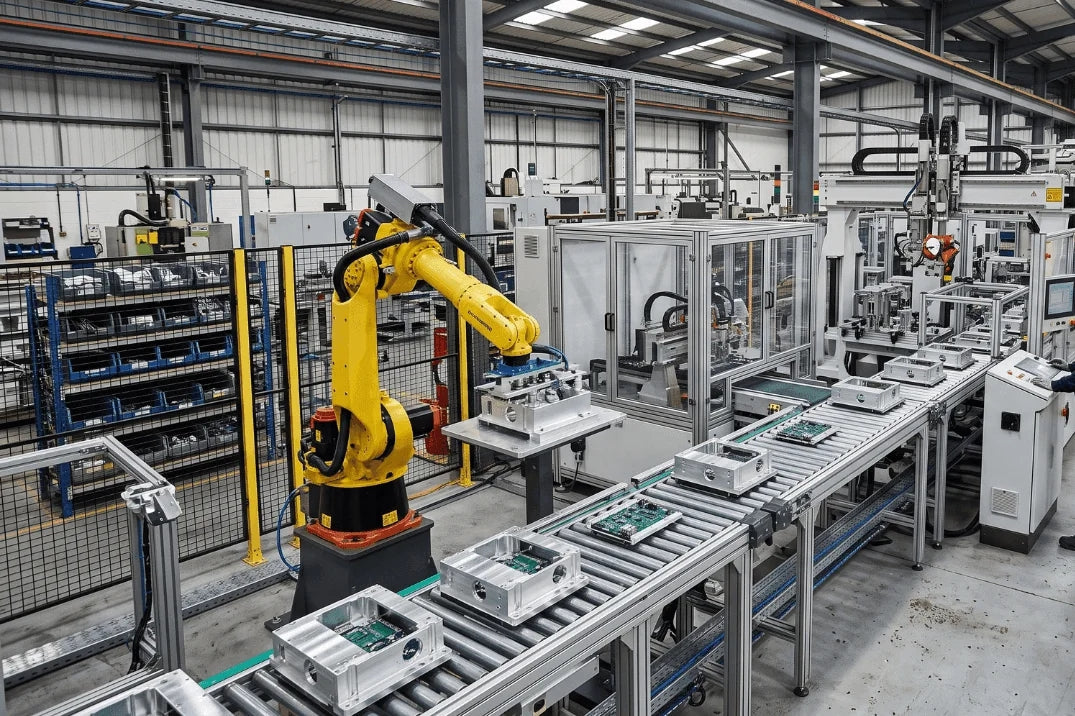
The PLC remains the "workhorse" of the industrial floor. These specialized computers handle discrete control tasks with high reliability in rugged environments. Engineers typically program them using the five IEC 61131-3 languages, such as Ladder Logic or Function Block Diagrams. Modern PLCs, like the Siemens S7-1500, now offer integrated safety and motion features. Consequently, they serve as the primary choice for standalone machinery and smaller assembly lines.
The Rise of the Programmable Automation Controller (PAC)
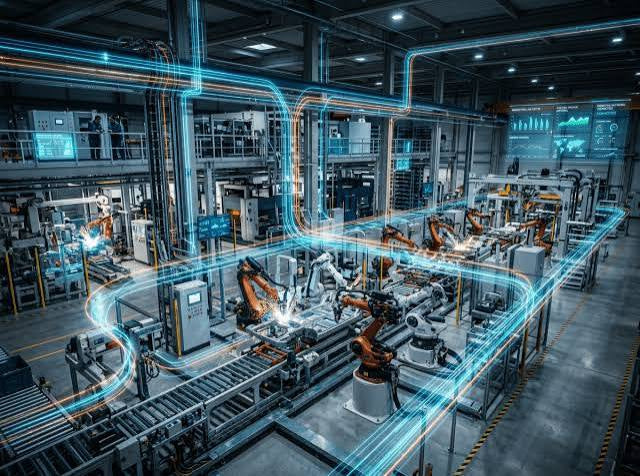
A PAC represents a more advanced evolution of the standard controller. It combines the ruggedness of a PLC with the processing power of a high-end PC. PACs utilize a multi-domain architecture to handle motion, process control, and data acquisition on a single platform. Furthermore, they often support advanced programming in C or C++. This flexibility allows engineers to implement complex algorithms that traditional logic controllers cannot easily manage.
Core Similarities and Shared Control Standards
Despite their differences, PLC and PAC hardware share several foundational traits. Both systems use modular designs, allowing users to add I/O modules as needed. They also adhere to international standards like IEC 61131 to ensure interoperability between different vendors. Moreover, both categories prioritize durability against extreme temperatures and electrical noise. As a result, both remain vital components in robust control systems worldwide.
Key Technical Differences in Connectivity and Functionality
Connectivity often serves as the primary differentiator between these two systems. PACs typically offer superior networking capabilities, including integrated Ethernet/IP, databases, and high-speed motion buses. In contrast, PLCs focus on localized, high-speed execution of discrete I/O pulses. While PACs generally carry a higher price tag, they provide more memory and processing bandwidth. Therefore, they are better suited for data-heavy environments and Distributed Control System (DCS) integration.
Selection Guide: When to Choose a PLC or a PAC
Choosing the right controller depends entirely on the specific requirements of your process. PLCs excel in discrete applications such as simple conveyor systems or packaging machines. They offer a cost-effective solution for small to medium-sized systems with limited I/O counts. However, if your project involves complex process control in power plants or refineries, a PAC is superior. Its ability to handle large-scale distributed architectures makes it indispensable for high-performance industrial IoT applications.
Expert Insight: The Convergence of Control Hardware
From my 15 years in the field, I have observed a significant "convergence" of these technologies. High-end PLCs now possess features once exclusive to PACs, such as web servers and advanced motion control. Similarly, PACs have become more user-friendly for traditional electrical technicians. When selecting hardware, do not focus solely on the label. Instead, evaluate the specific communication throughput and algorithmic capacity your process demands.
Industrial Application Scenarios
-
Manufacturing (PLC): Controlling a high-speed sorting line where sequential logic and simple sensor feedback are the primary drivers.
-
Energy Sector (PAC): Managing a turbine supervisory system that requires real-time data analysis and synchronization across multiple nodes.
-
Water Treatment (PAC): Operating a large-scale facility where distributed control and complex chemical dosing algorithms are mandatory.
About the Author: Han Xiaowei (韩晓伟)
Han Xiaowei is a senior automation architect with over 15 years of experience in the global industrial sector. He specializes in the design and optimization of PLC, DCS, and TSI systems for the energy and manufacturing industries. His technical expertise helps B2B organizations bridge the gap between legacy hardware and the next generation of digital control intelligence.
- Posted in:
- control systems
- DCS
- factory automation
- motion control
- PAC programming
- PLC vs PAC
- process automation
- Rockwell Automation