Rockwell Automation Expands Digital Twin Frontiers at Interpack 2026
- 〡
- 〡 by WUPAMBO
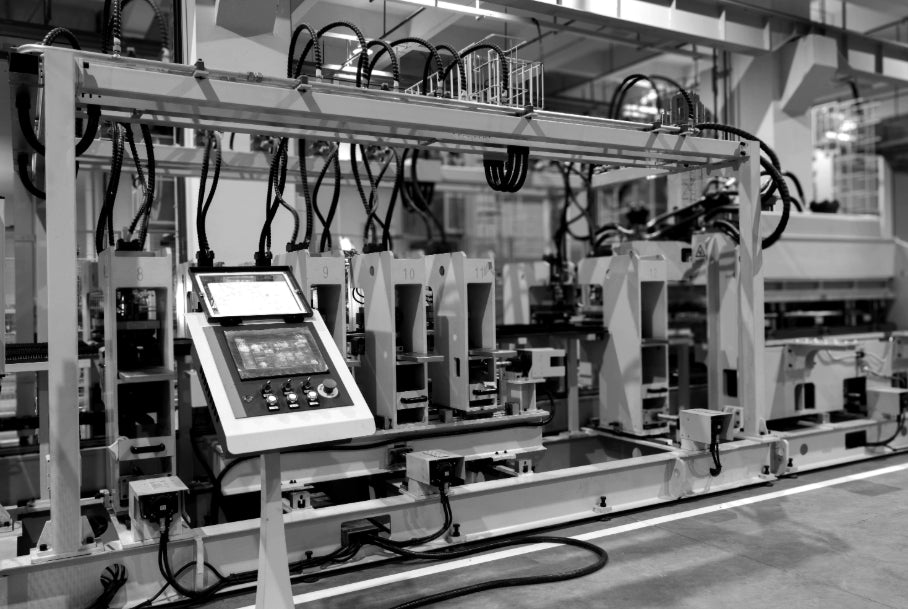
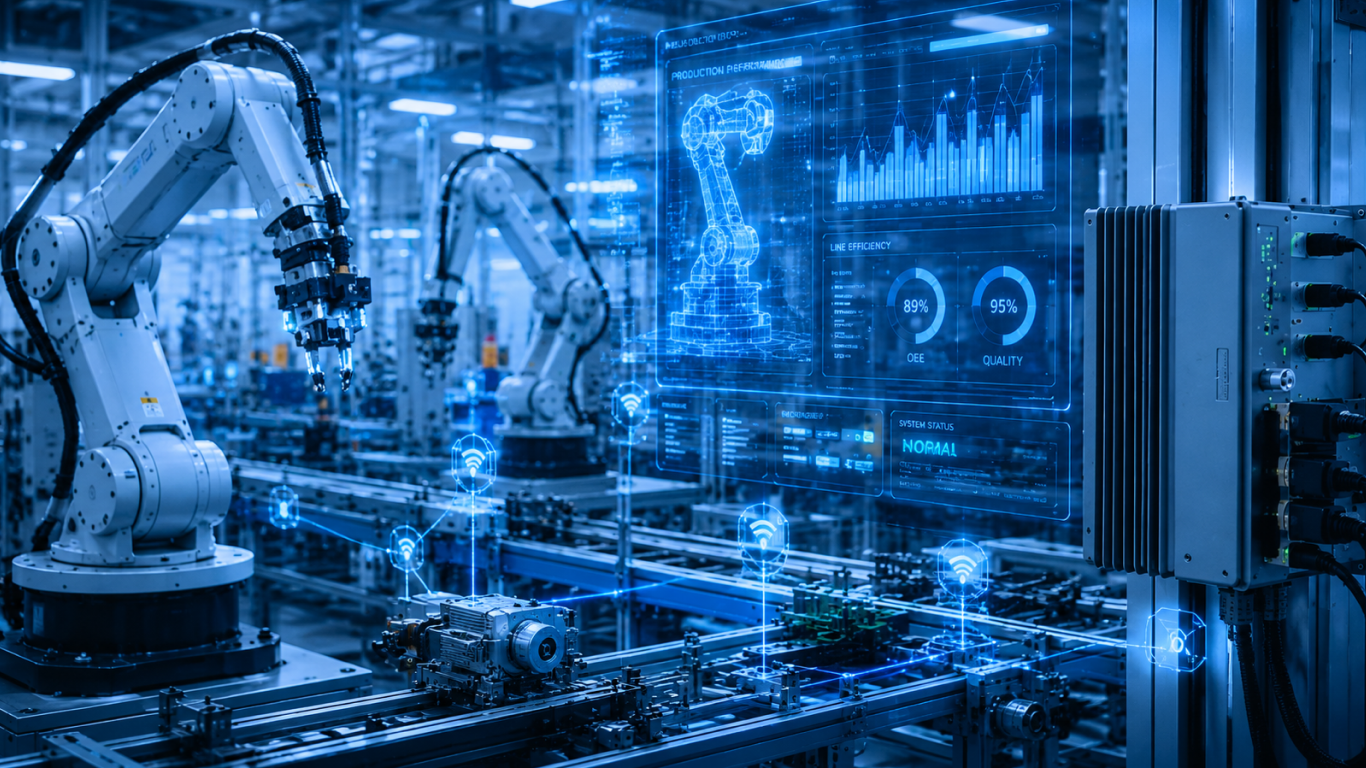
The convergence of physical hardware and digital intelligence is currently reshaping the global industrial automation landscape. At Interpack 2026, Rockwell Automation (NYSE:ROK) is demonstrating this evolution by showcasing its latest virtualized manufacturing solutions. By focusing on the food and beverage sector, the company aims to prove how data-enabled production lines can optimize efficiency. This strategic move highlights Rockwell’s transition from a hardware-centric provider to a leader in the full digital manufacturing stack.
Driving Efficiency via Virtualized Manufacturing and Digital Twins
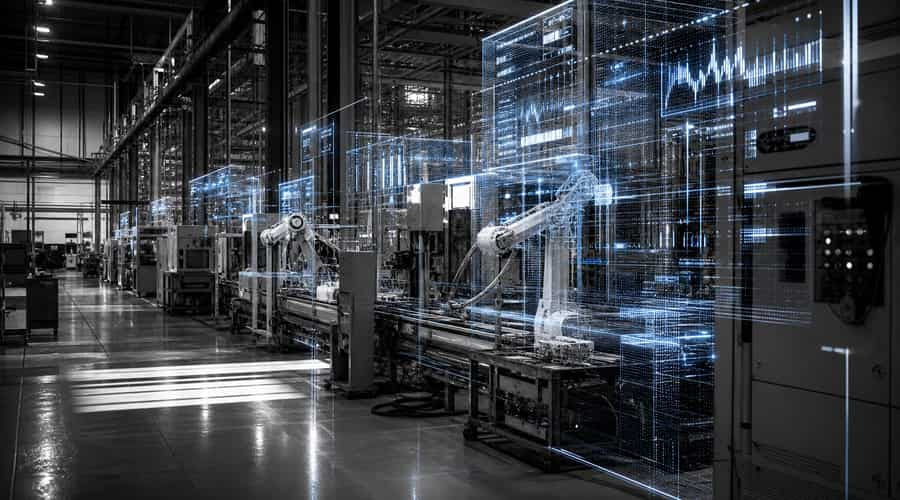
Digital twins allow engineers to simulate and test entire production environments before a single machine starts running. At Interpack, Rockwell is working closely with major OEMs to present unified, data-driven production lines. These solutions emphasize scalability and interoperability across various control systems. Moreover, the integration of layered cybersecurity ensures that sensitive industrial data remains protected from external threats. As a result, manufacturers can reduce commissioning times and minimize operational risks in complex environments.
Strategic Market Positioning and Financial Momentum
Rockwell’s presence at Interpack 2026 comes during a period of significant stock performance and market scrutiny. The company has delivered a 56.4% return over the past year, reflecting strong investor confidence in its factory automation roadmap. However, some analysts suggest that the current valuation is stretched compared to estimated fair values. Despite these financial debates, the technical push into AI and digital twins reinforces Rockwell’s role in modernizing global manufacturing infrastructure.
The Evolution of the Industrial Control Stack
Modern food and beverage production requires more than just high-speed PLCs and rugged HMI hardware. Today, the focus has shifted toward end-to-end digital integration and unified data flows. Rockwell’s emphasis on cross-vendor collaboration allows for a more flexible and responsive factory floor. In addition, the move toward software-rich automation helps manufacturers adapt to changing consumer demands more quickly than ever before. This shift is critical for maintaining competitiveness in a rapidly digitizing global market.
Technical Commentary: The Role of Virtualization in Industrial IoT
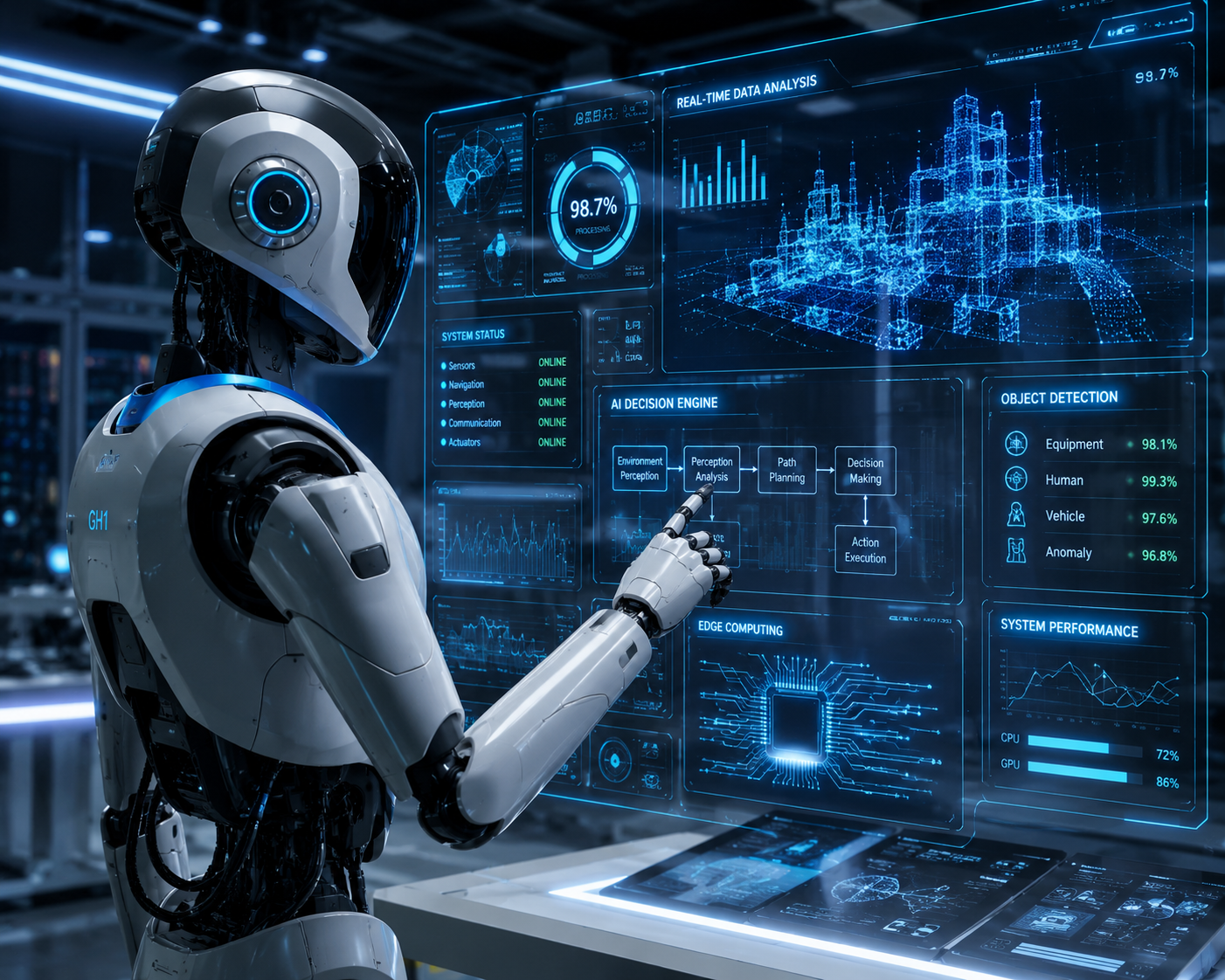
From an engineering perspective, the transition to virtualized manufacturing is inevitable. Traditional DCS and PLC architectures are increasingly being augmented by cloud-based analytics and real-time simulation tools. While hardware remains the "muscle" of the factory, software like digital twins serves as the "brain." For investors and technical directors alike, the key metric will be how effectively these virtual models translate into reduced downtime and improved yield on the physical plant floor.
Application Scenarios and Solutions
-
Predictive Maintenance: Using digital twins to simulate component wear and tear, allowing for maintenance before a failure occurs in the control system.
-
Virtual Commissioning: Testing PLC code against a virtual machine model to catch logic errors before physical installation.
-
Rapid Line Changeovers: Leveraging data-heavy setups to quickly reconfigure food and beverage packaging lines for different product sizes.
About the Author: Liang Wei
Liang Wei is a veteran automation engineer with 15 years of deep expertise in industrial control systems and power protection. He has designed numerous integrated solutions for the global energy and manufacturing sectors, specializing in the migration from legacy hardware to modern, data-driven DCS environments. His technical insights are widely cited in B2B industrial media for their clarity and practical application.
- Posted in:
- control systems
- DCS
- factory automation
- industrial cybersecurity
- Interpack 2026
- PLC
- Rockwell Automation
- virtualized manufacturing