Navigating the Modern Evolution of Industrial Automation and Control Systems
- 〡
- 〡 by WUPAMBO
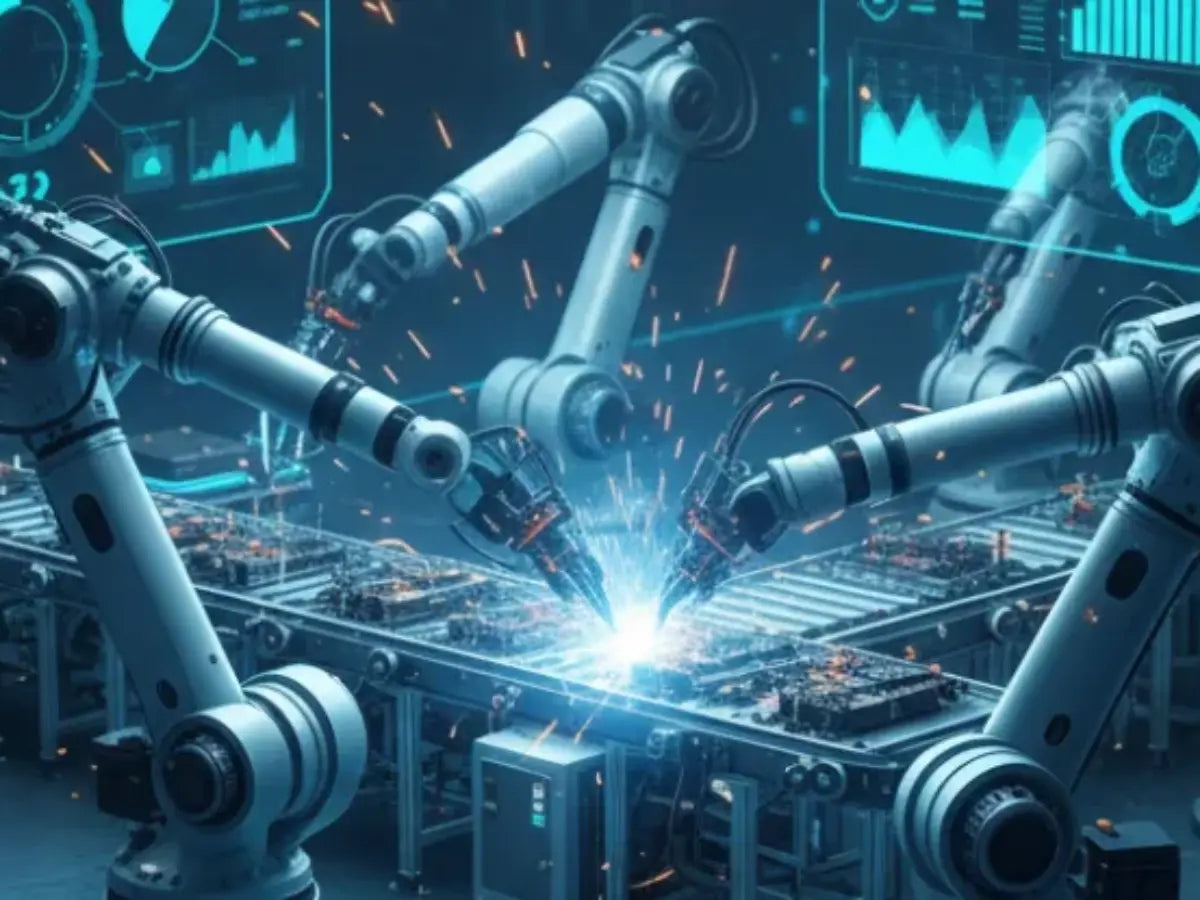
The global manufacturing landscape is undergoing a massive digital transformation. As a result, industrial automation technologies are evolving faster than ever before. Plant operators must understand the distinct roles of various control architectures to maintain peak operational efficiency.
Understanding the Core Power of PLC Technology
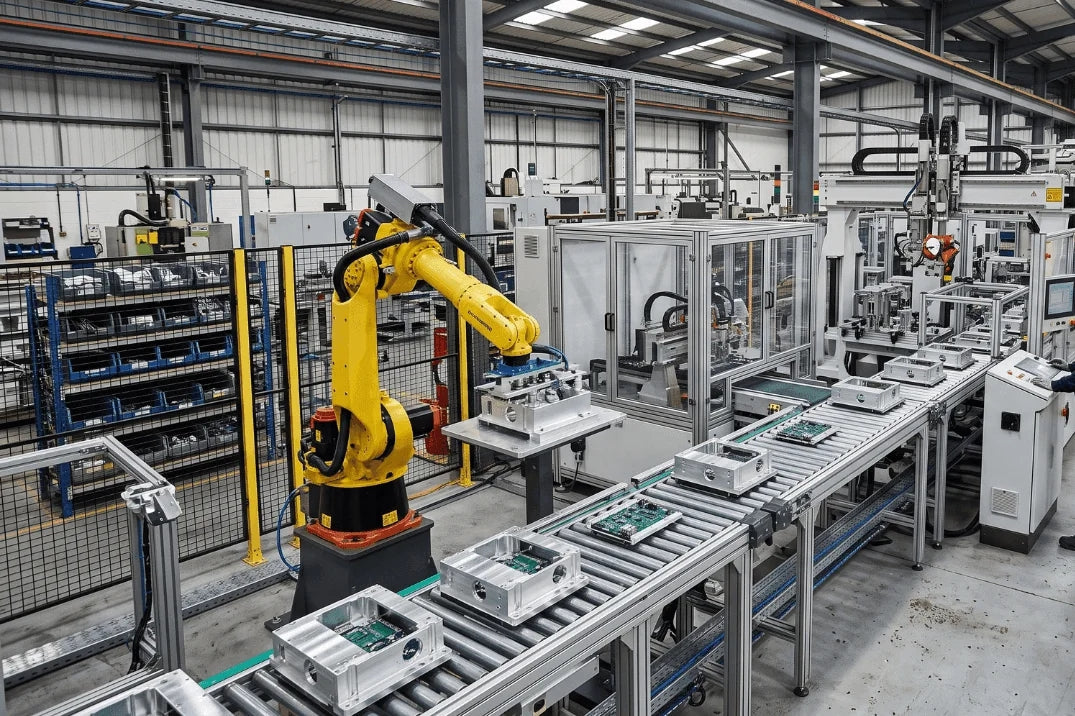
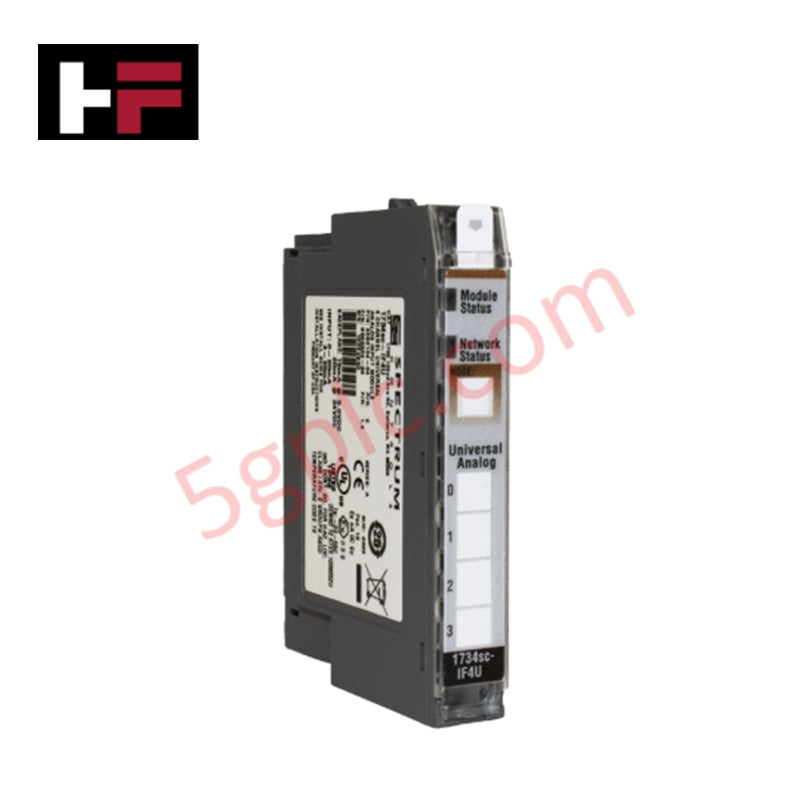
Programmable Logic Controllers (PLCs) remain the bedrock of modern factory automation. These ruggedized computers excel at executing high-speed, discrete control actions for individual machines. In my 15 years of commissioning shop-floor systems, I have watched PLCs evolve from simple relay-replacers into powerful edge-computing devices. Today, top manufacturers like Rockwell Automation and Siemens build PLCs that handle complex motion control and data logging simultaneously.
Managing Large Scale Operations with DCS Solutions
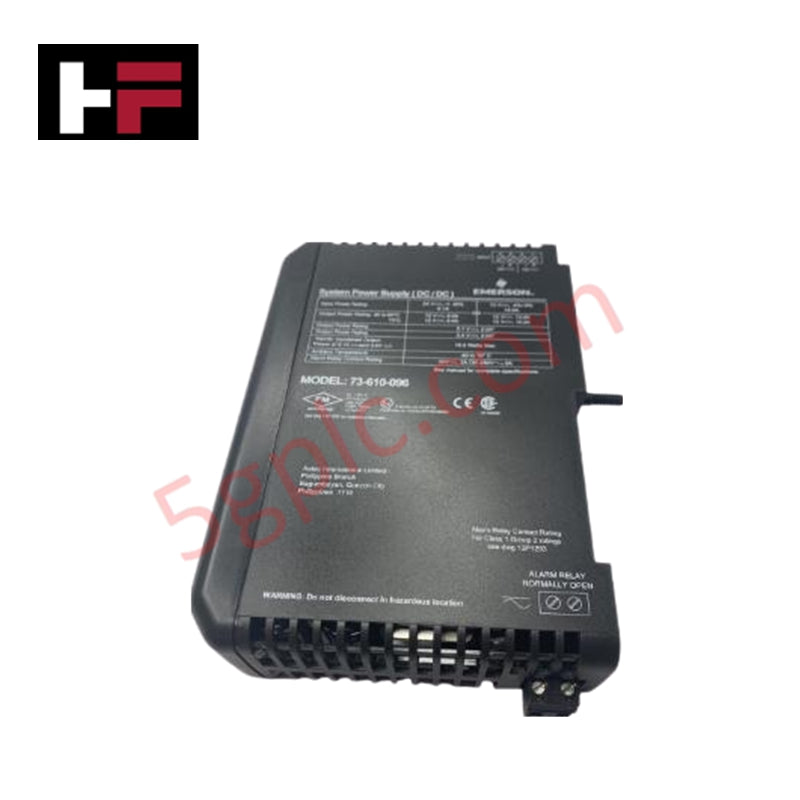
Distributed Control Systems (DCS) take charge when a plant requires continuous process control across a vast facility. Unlike a centralized PLC, a DCS distributes its controller modules throughout the plant site to manage highly interconnected variables. For instance, Honeywell Experion and Emerson DeltaV platforms dominate oil refineries and chemical plants. These systems prioritize high availability, seamless loop control, and unified alarm management across thousands of input/output (I/O) points.
Safeguarding Rotating Machinery via TSI Systems
Turbine Supervisory Instrumentation (TSI) represents a highly specialized yet critical layer of plant asset management. Large rotating equipment, such as steam turbines and massive compressors, requires continuous health monitoring to prevent catastrophic failures. TSI systems measure critical mechanical parameters including shaft vibration, eccentricity, and thermal expansion. Industry leaders frequently integrate Bentley Nevada 3500 racks to ensure real-time machinery protection and prevent costly unplanned downtime.
Ensuring Grid Reliability Through Advanced Electrical Protection
Modern industrial facilities cannot operate safely without robust electrical protection relays. These intelligent electronic devices (IEDs) isolate electrical faults within milliseconds to protect transformers, motors, and switchgear. Organizations widely implement Schweitzer Engineering Laboratories (SEL) or ABB Relays to comply with IEEE and IEC safety standards. From my field experience, integrating these relays into the main automation network dramatically improves a facility's overall energy resilience.
My Perspective on the Convergence of Automation Segments
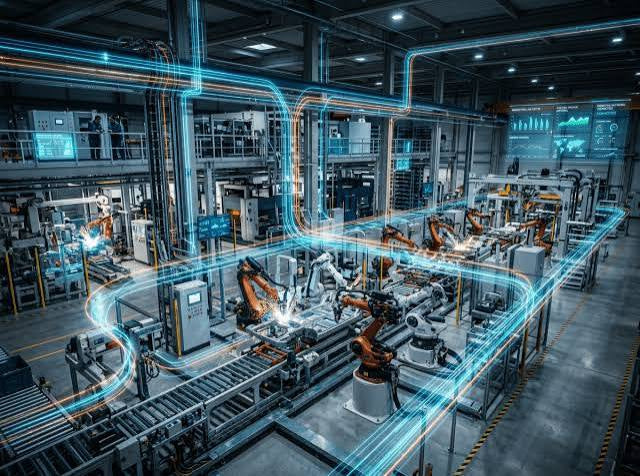
Traditionally, engineers strictly separated PLC, DCS, and electrical protection into isolated technological silos. However, the rise of Industrial IoT (IIoT) and open communication protocols like OPC UA is rapidly erasing these boundaries. Modern PLCs now possess the processing power to handle small-scale process loops, while traditional DCS platforms incorporate fast discrete logic. In my view, this convergence simplifies hardware procurement but demands a more versatile, multi-disciplinary engineering workforce.
Real-World Application: Chemical Plant Modernization
The Challenge
An aging petrochemical facility experienced frequent downtime due to fragmented control systems. The plant utilized legacy PLCs for packaging, an isolated DCS for the main reactor, and standalone vibration monitors for critical pumps.
The Solution
Engineers deployed a unified control architecture utilizing an enterprise-level Emerson DeltaV DCS as the central orchestrator. They integrated field-level Siemens S7-1500 PLCs via Profinet to manage the high-speed packaging lines. Furthermore, they linked a Bently Nevada TSI system directly to the DCS using Modbus TCP for real-time asset health visibility.
The Result
The integrated system eliminated data silos and provided operators with a single pane of glass view. Consequently, the plant reduced unplanned maintenance costs by 22% and boosted overall production yield by 8% within the first year.
About the Author: Zhang Weiming
Zhang Weiming is a senior industrial automation expert with over 15 years of hands-on experience in engineering and technical journalism. He specializes in the design, commissioning, and optimization of enterprise-scale PLC, DCS, TSI, and electrical protection systems. Throughout his distinguished career, Zhang has authored numerous technical whitepapers and industry reports for leading global automation media and manufacturing vendors.
- Posted in:
- control systems
- DCS
- electrical protection
- factory automation
- PLC
- process control
- TSI system