Global Technology Competition and Industrial Automation: Shaping the Future
- 〡
- 〡 by WUPAMBO

Technology as a Strategic Asset
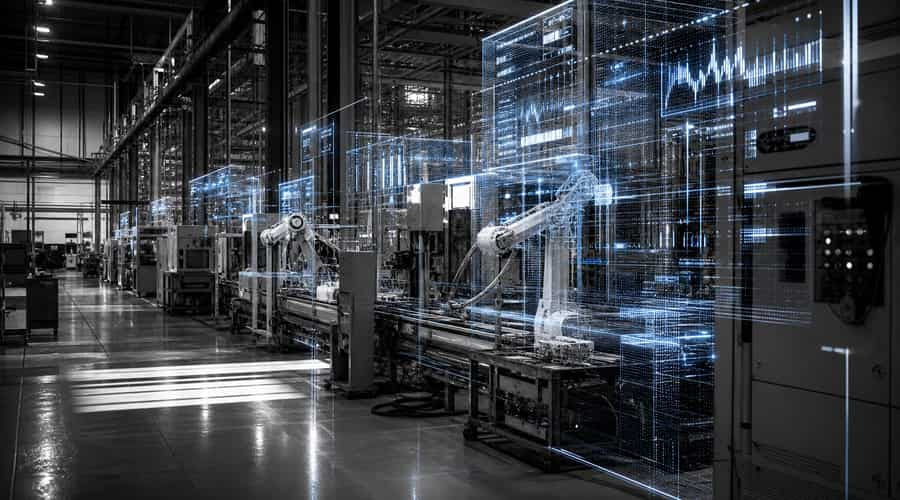
Technology now drives economic growth and geopolitical influence. Governments recognize that leadership in industrial automation, control systems, and factory automation will define national power. Strategic investment in AI, semiconductors, and digital infrastructure has become a top priority.
Artificial Intelligence in Industrial Automation
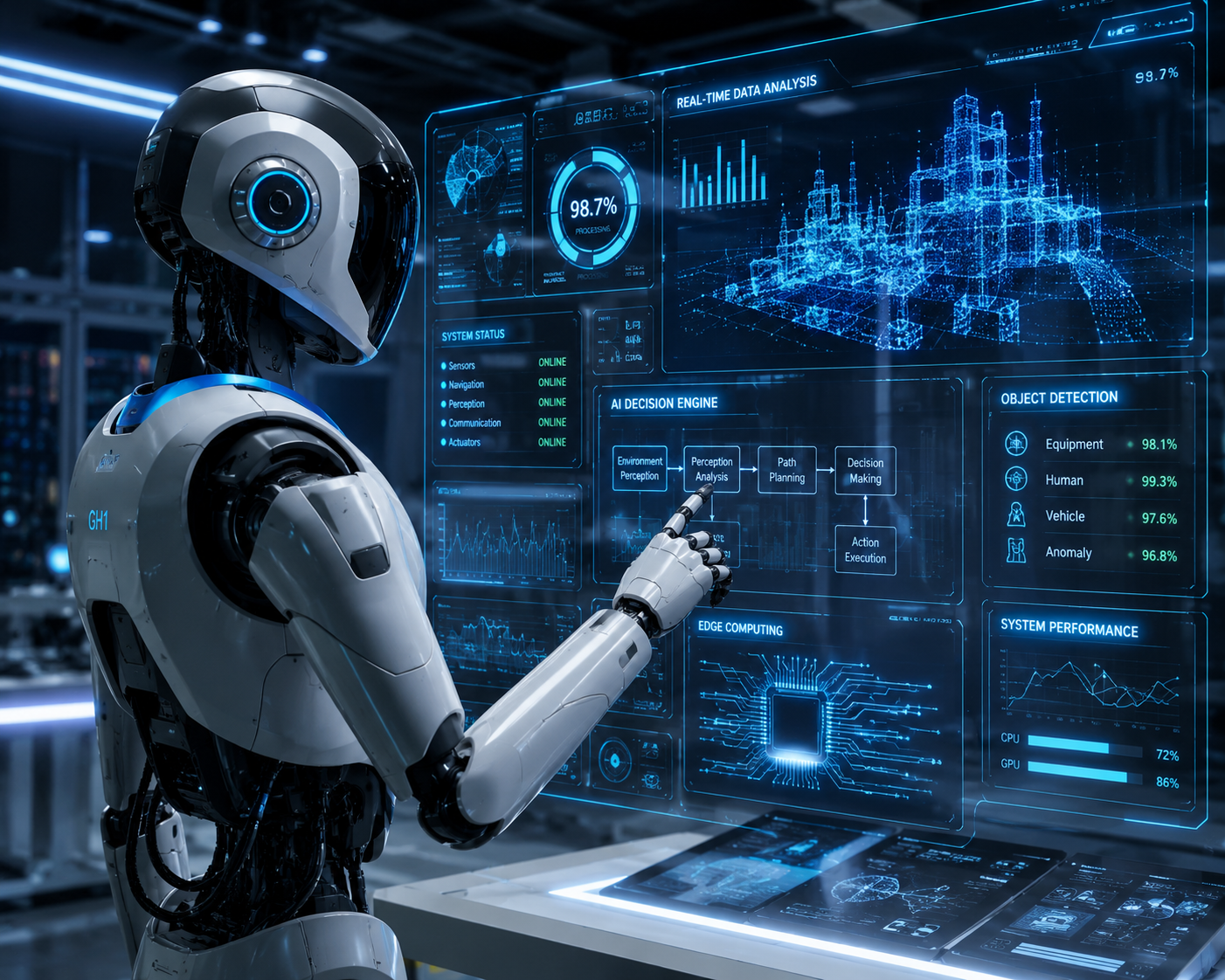
AI transforms manufacturing, logistics, and control systems. Predictive maintenance, automated process control, and intelligent analytics increase productivity and reduce downtime. Companies that integrate AI across entire supply chains gain competitive and operational advantages.
Semiconductor Industry: The Core of Technological Power
Advanced chips power PLCs, DCS, and other control systems. Countries investing in domestic semiconductor fabrication strengthen both industrial automation capabilities and national security. Controlling supply chains is now a critical strategic consideration.
Telecommunications and Industrial Connectivity
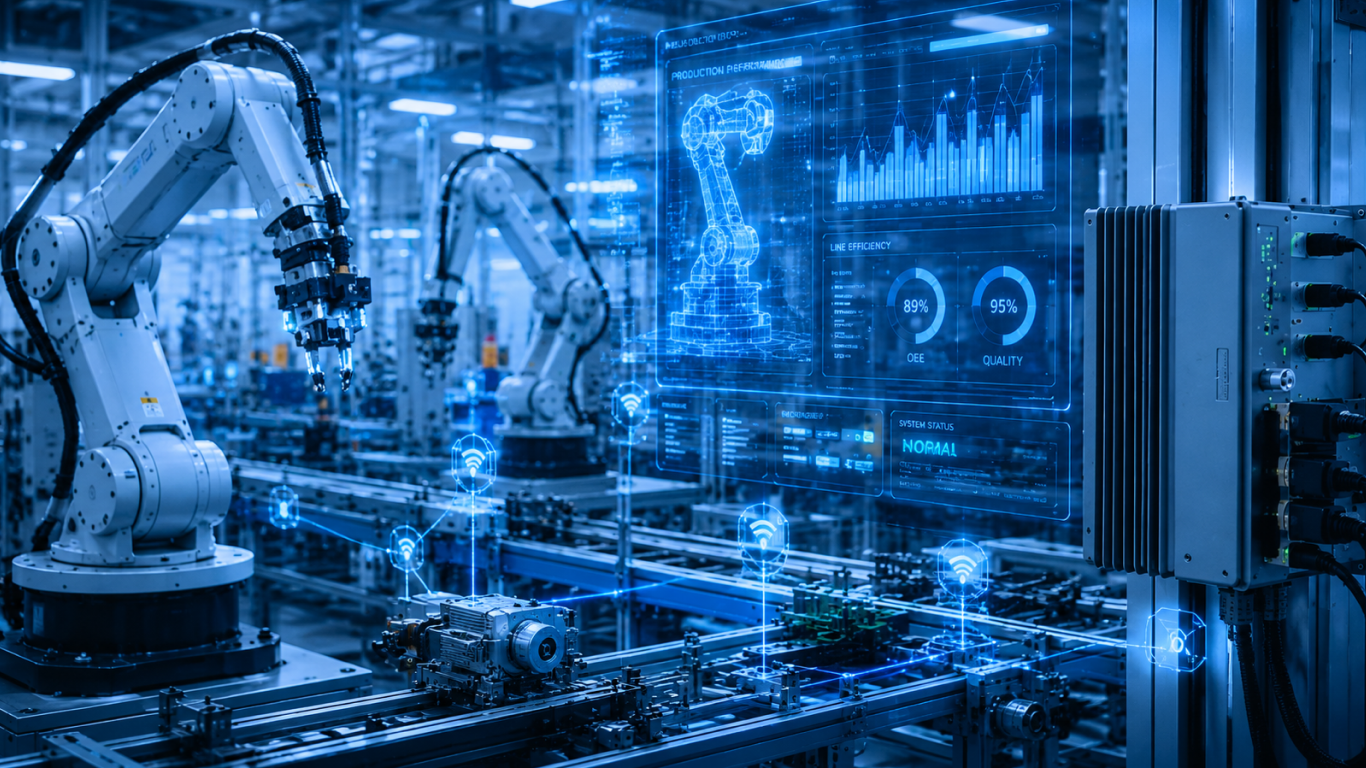
Next-generation networks enable smart factories and connected industrial automation. Real-time data sharing supports autonomous operations, predictive maintenance, and supply chain optimization. Strategic control over networks increases efficiency and global influence.
Cybersecurity in Industrial Systems
Digital manufacturing and PLC networks face cyber risks. Securing control systems, factory networks, and connected equipment is essential to protect operational continuity and prevent economic disruption. Proactive cybersecurity policies are now a core component of industrial strategy.
Talent and Innovation
Skilled engineers and automation experts drive advancements in PLCs, DCS, and factory systems. Nations compete to attract talent through research funding, training programs, and incentives for technical expertise. Human capital remains a critical differentiator in technology leadership.
Balancing Innovation and Governance
Rapid adoption of industrial automation requires ethical oversight. Regulations and international standards ensure safety, reliability, and fair use of emerging technologies. Responsible governance fosters innovation while mitigating risks associated with AI and automation.
Author Insight: Strategy Beyond Technology
Leadership in industrial automation depends not just on tools, but on integrating AI, control systems, and human expertise strategically. Countries that align innovation with national strategy will dominate manufacturing efficiency, economic resilience, and technological influence.
Applications and Case Scenarios
-
AI-driven predictive maintenance in smart factories
-
DCS and PLC integration for automated production lines
-
Real-time logistics optimization using connected control systems
-
Cybersecurity frameworks for industrial control networks
- Posted in:
- AI manufacturing
- control systems
- DCS
- factory automation
- industrial IoT
- PLC
- smart factories