Industrial Automation and Rare Earth Magnets: The Hidden Engine of Robotics Growth
- 〡
- 〡 by WUPAMBO

Rising Demand in Factory Automation
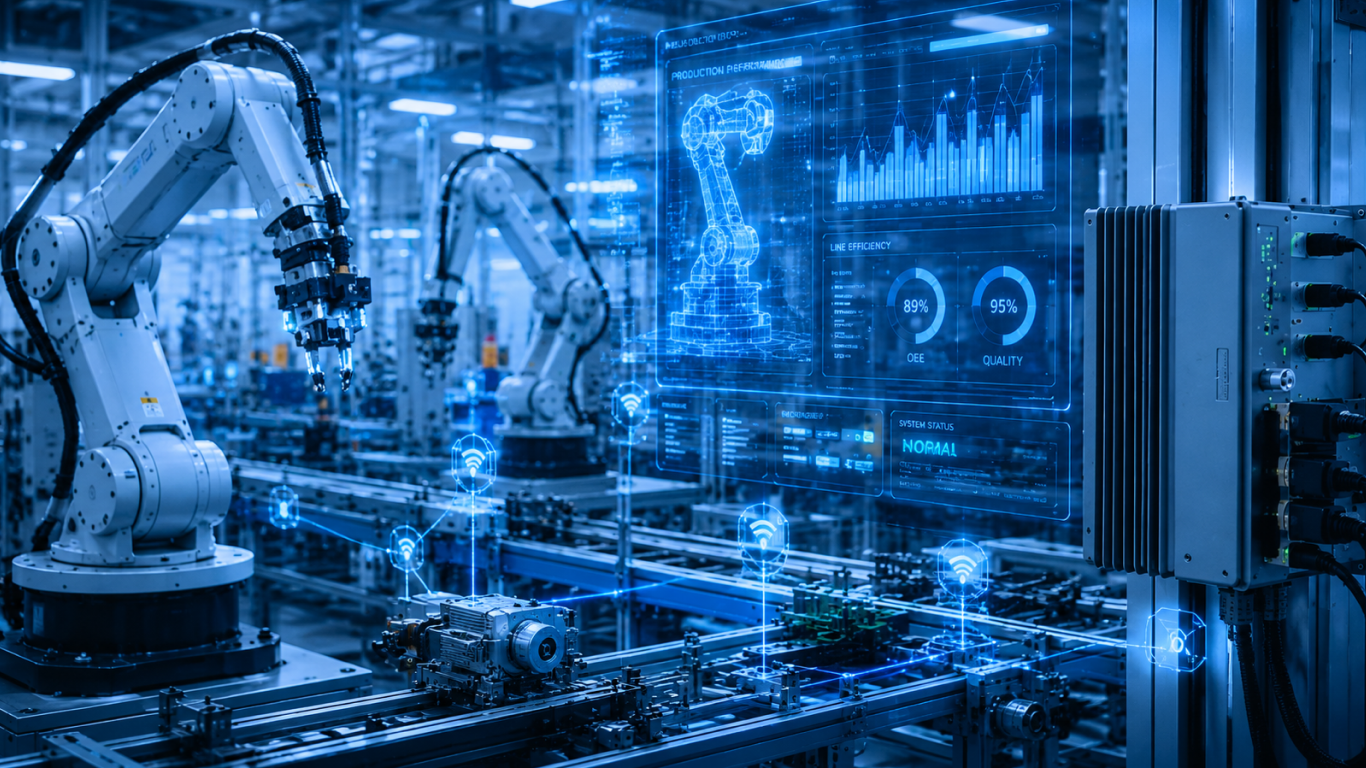
Global industrial automation is expanding rapidly. In 2024, robot installations reached over 542,000 units worldwide, with Asia accounting for nearly three-quarters of deployments. This surge highlights the growing reliance on servo motors and control systems powered by NdFeB rare-earth magnets. Each robot requires 10–15 kilograms of magnets, making robotics a significant driver of rare-earth demand.
Rare Earth Magnets in Precision Motion
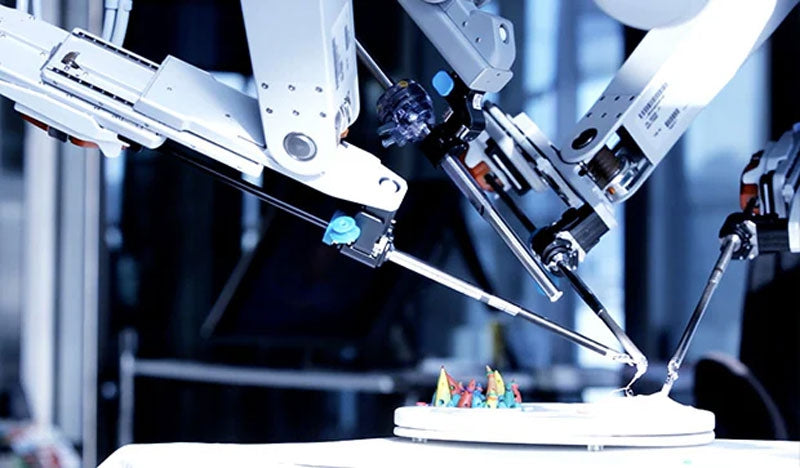
Permanent-magnet synchronous motors dominate robotics applications. They deliver high torque density, precise motion control, and compact size—essential for articulated robots in factory automation and PLC-driven systems. As robots operate in high-temperature environments, magnet grades often require dysprosium or terbium to maintain performance.
Market Growth Outlook
The industrial robotics market was valued at $17 billion in 2024 and could reach $35 billion by 2030. This growth is not only about robots but also about millions of high-precision motors within DCS and control systems. According to U.S. Department of Energy modeling, NdFeB magnet demand in industrial motors may rise from 36,000 tonnes in 2020 to over 53,000 tonnes by 2030.
Supply Chain Vulnerabilities
China controls about 90% of NdFeB magnet manufacturing and rare-earth refining. Export controls introduced in 2025 created delays and price volatility, exposing vulnerabilities in the robotics supply chain. As annual robot installations are forecast to surpass 700,000 units by 2028, supply chain resilience becomes critical for industrial automation stakeholders.
Industry Applications
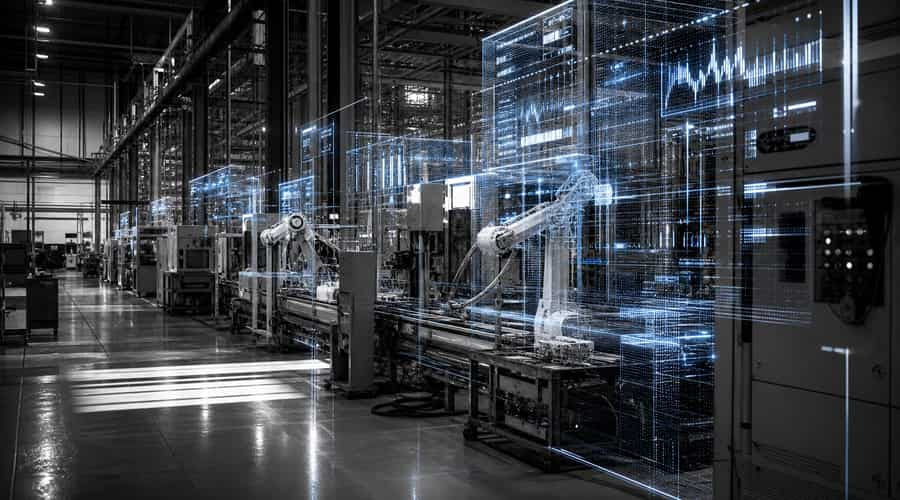
Electronics manufacturing accounted for 24% of robot installations in 2024, automotive for 23%, and metal/machinery for 16%. Each sector relies heavily on servo-driven robotics integrated with PLC and DCS systems. These applications demonstrate how magnets underpin efficiency, torque, and precision in factory automation.
Author’s Insight
Industrial automation is evolving into a “precision torque economy.” Robots are no longer niche tools—they are central to modern manufacturing. However, the magnet supply chain remains a bottleneck. Investors and manufacturers should monitor rare-earth policies closely, as they directly affect robotics adoption and factory electrification strategies.
Application Scenarios
-
Semiconductor fabrication plants: High-precision robotic arms powered by NdFeB magnets ensure accuracy in wafer handling.
-
Automotive assembly lines: Servo-driven robots improve efficiency in welding and painting processes.
-
Logistics hubs: Automated guided vehicles rely on permanent-magnet motors for reliable navigation.
-
Defense systems: Precision actuators with rare-earth magnets enhance control in advanced equipment.