













Product Details
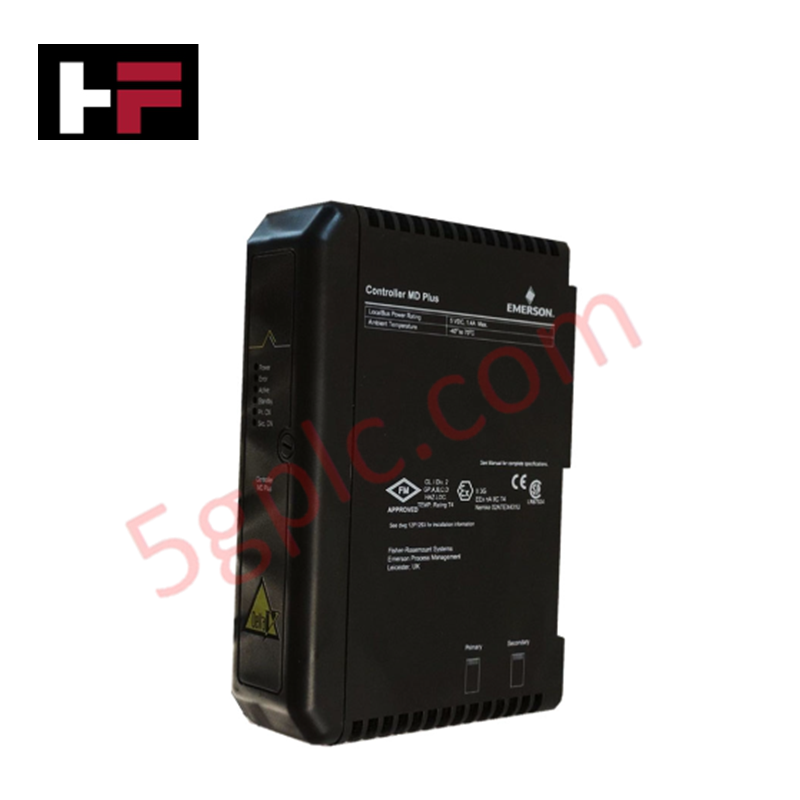
Configured for local bus signal stabilization in DeltaV control networks, the Emerson VE4070 (VE4070 Local Bus Isolator and Carrier) provides direct physical/electrical execution of bus signal conditioning and module interconnectivity.
Hardware Specifications
| Parameter | Specification |
| Model | VE4070 |
| Brand | Emerson |
| Origin | USA |
| Weight | 250 g |
| Dimensions | 16.5 cm x 8.4 cm x 3.1 cm |
| Operating Temp | Not specified |
| Power Consumption | Not specified |
| Function | Local Bus Isolation / Carrier |
Process Control: Channel-to-Channel Isolation
The VE4070 module is engineered to provide galvanic isolation between the local bus segments. This isolation barrier is necessary to mitigate common-mode noise and prevent potential ground loops from propagating across the control backplane. By separating the local bus signal lines, the module maintains the integrity of high-speed data packets between controllers and I/O modules, even when subjected to electromagnetic interference. The design utilizes passive and active conditioning circuits to ensure that signal thresholds remain stable, effectively shielding the backplane communication bus from external electrical faults or transient surges originating in the I/O field circuits.
Frequently Asked Questions (FAQ)
Q: What is the primary purpose of the VE4070 module?
A: The VE4070 functions as an isolator and carrier for the local bus in the DeltaV system. It serves to decouple bus segments to protect the communication signal integrity and provides a physical mounting interface for system modules.
Q: Can the VE4070 be installed in corrosive environments?
A: Yes. The device is rated to meet ISA-S71.04-1985 Class G3 standards for airborne contaminants. Ensure the cabinet environment is controlled to prevent excessive moisture, which remains a requirement (5% to 95% non-condensing) for reliable operation.
Field Installation Guidelines
-
Mounting: Secure the VE4070 to the I/O mounting rail using the integrated mechanical fasteners. Ensure the module is seated vertically to maintain structural stability and allow for proper air circulation around the housing.
-
Grounding: Verify that the carrier backplane is connected to the cabinet's protective earth. A low-impedance connection is mandatory to maintain the efficacy of the isolation barrier and surge suppression features.
-
Signal Integrity: Use factory-specified backplane cabling for all local bus interconnections. Avoid routing signal cables in parallel with high-voltage power lines to prevent induced noise injection.
-
Inspection: Upon installation, check all backplane connectors for pin alignment. Verify that locking mechanisms are fully engaged to prevent intermittent communication failures due to vibration or mechanical shock.
Additional Information
- 100% Genuine Parts: All products are original and authentic, ensuring reliable industrial performance.
- 30-Day Refund Guarantee: Return any in-stock item within 30 days in original, unopened packaging for a full refund (excluding shipping and fees).
- 12-Month Warranty: Covers defects in materials or workmanship; excludes misuse, normal wear, or unauthorized modifications.
- Worldwide Shipping: We ship via USPS, UPS, FedEx, and DHL. Delivery times vary by country and may be subject to customs or import fees.
- Support & Contact: Technical and warranty assistance is available anytime. Contact us here: Contact.
- Purchase Guidance: Check product specifications and compatibility carefully before ordering to ensure proper application.




Tech & Buying Guide
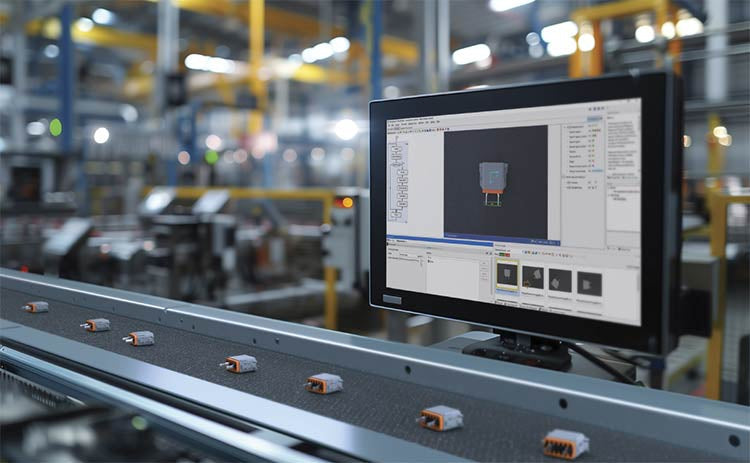
Modern Industrial Automation: Transforming Safety and Efficiency in Mining Operations
Industrial automation has evolved from a simple manufacturing tool into the operational backbone of high-risk sectors. Modern mining operations increasingly rely on advanced control systems, programmable logic controllers (PLCs), distributed control systems (DCS), and artificial intelligence to address deep-underground hazards. By replacing manual labor in high-risk zones, factory automation technologies protect personnel while significantly boosting operational throughput.

Step-by-Step System Cabinet Health Check Guide for PLC and DCS Infrastructure
