
Product Details
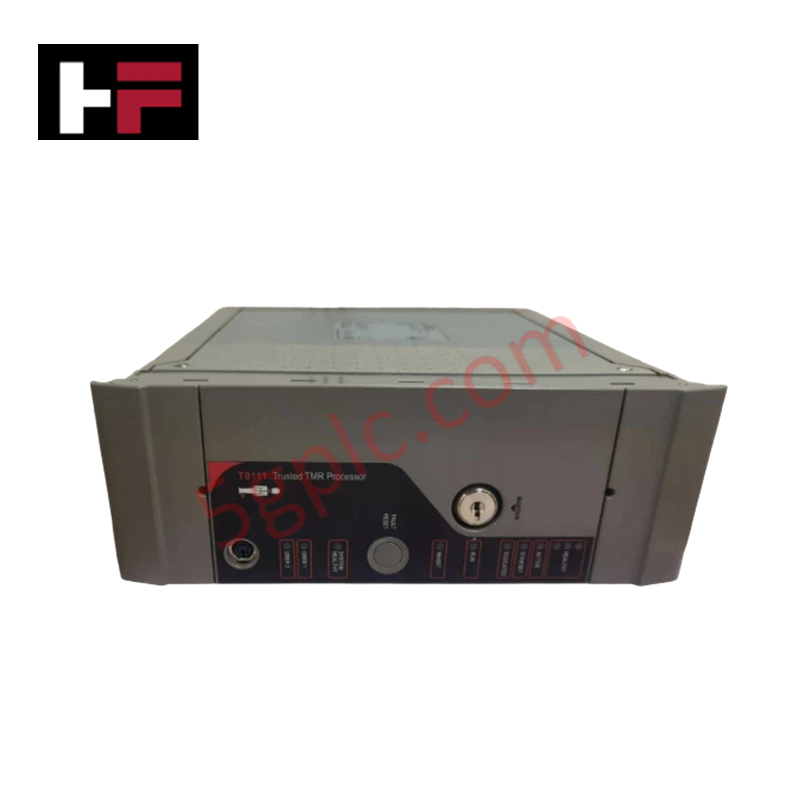
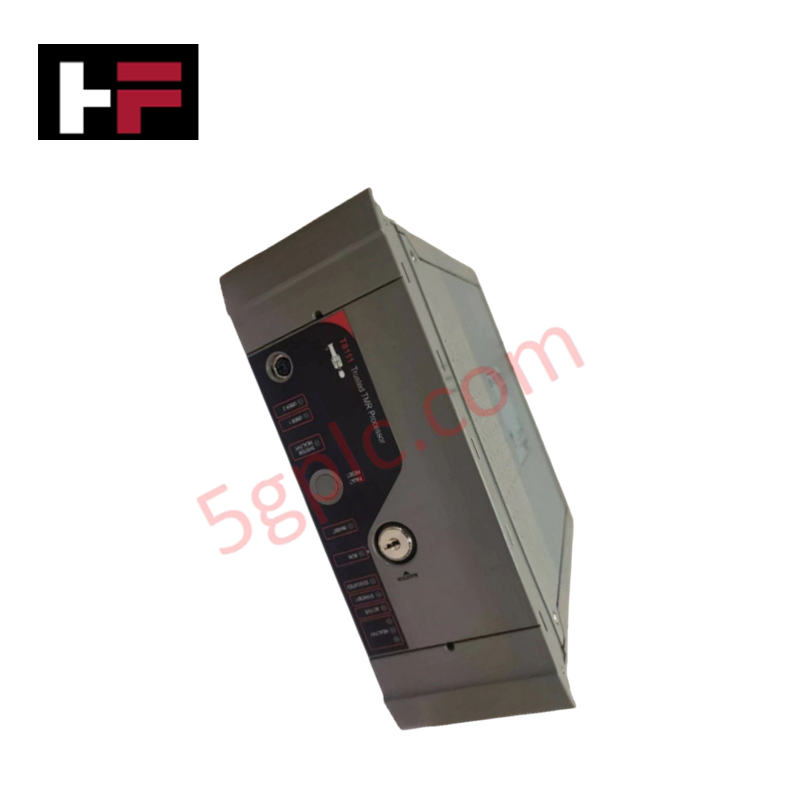
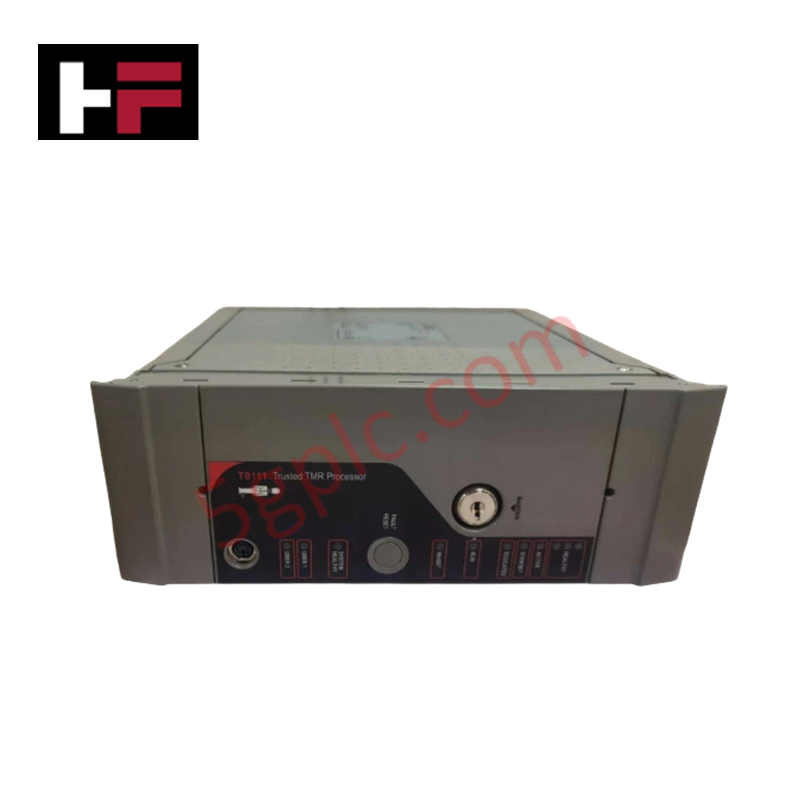
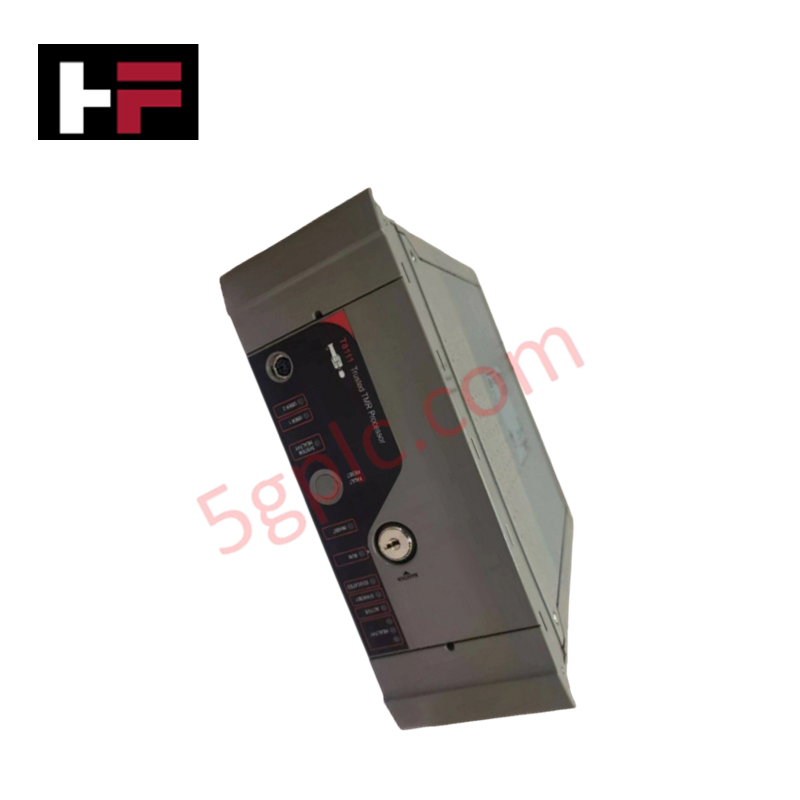
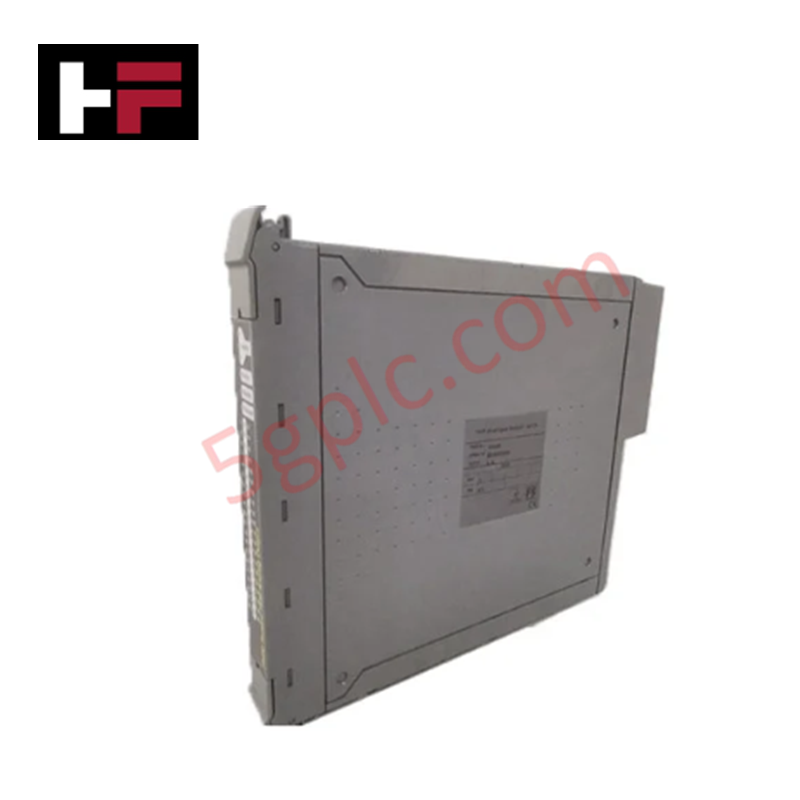
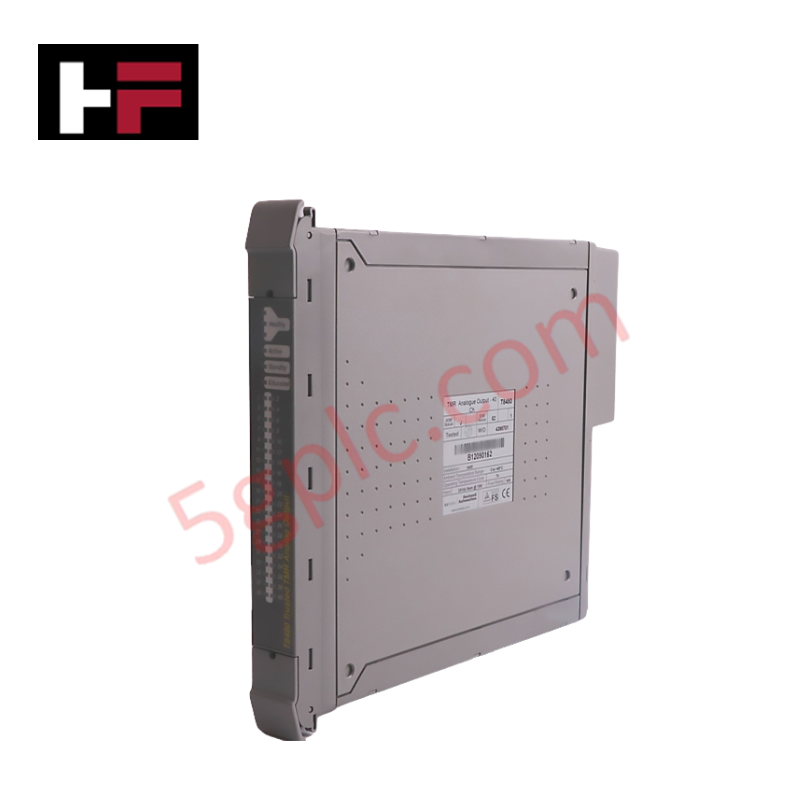
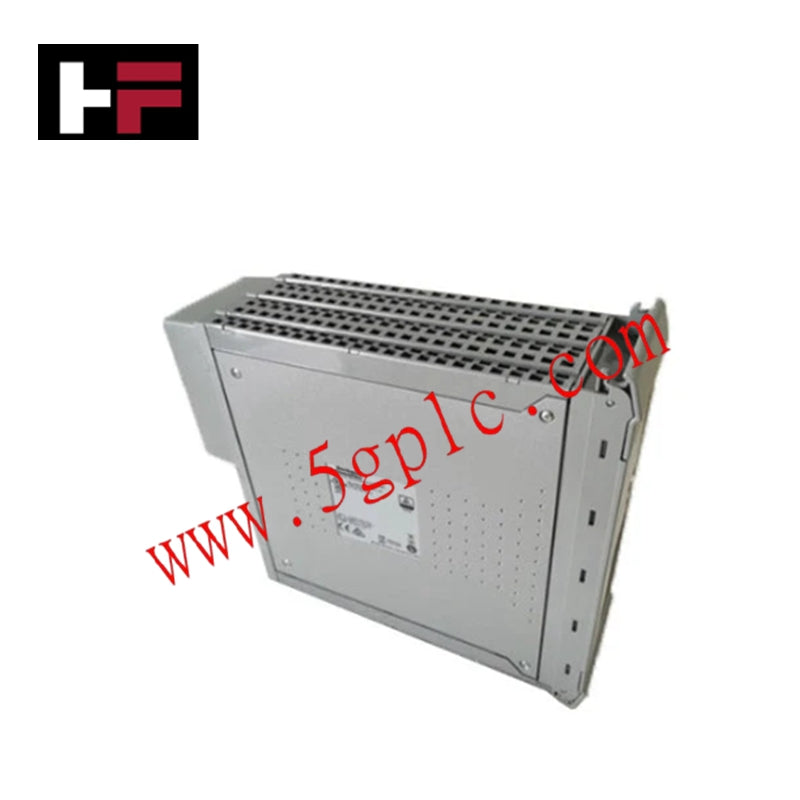
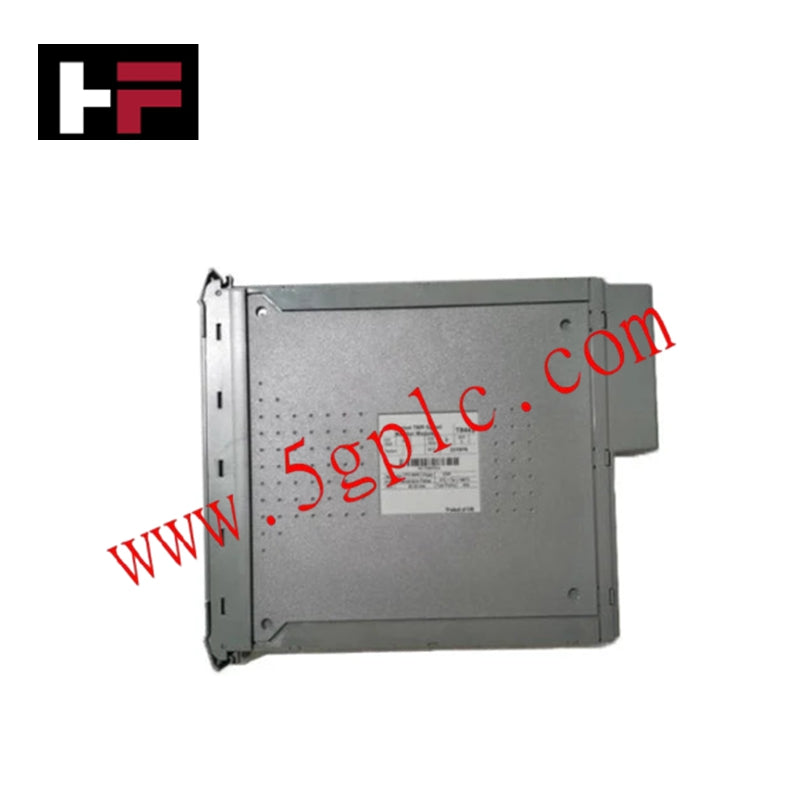
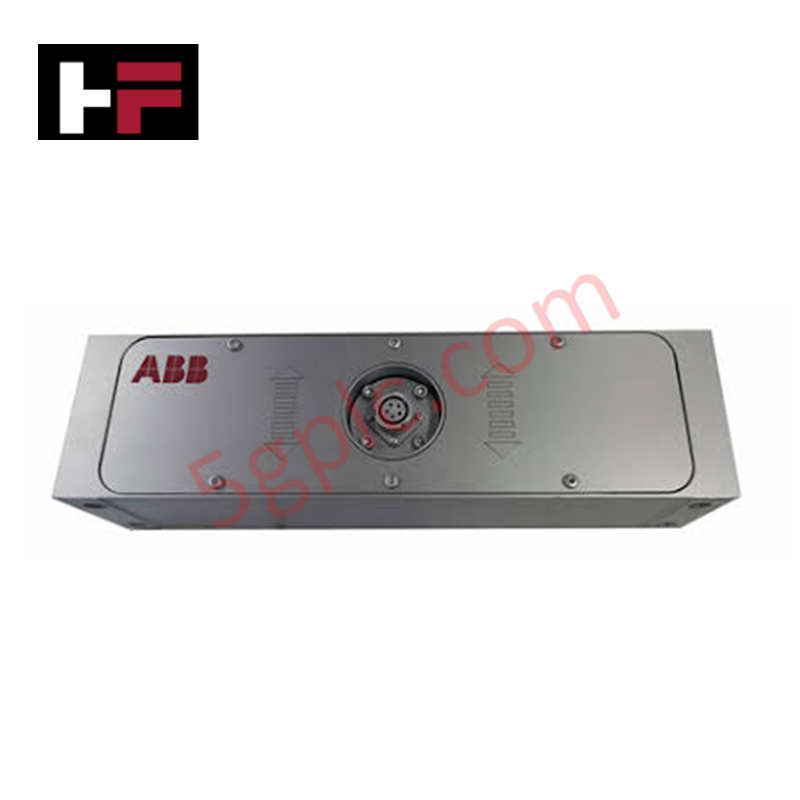
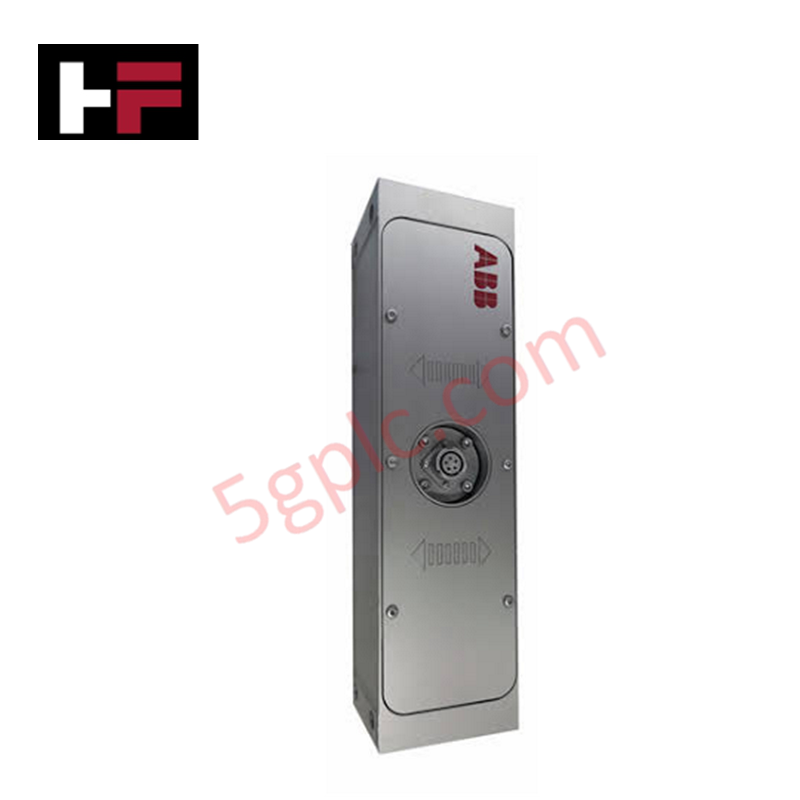
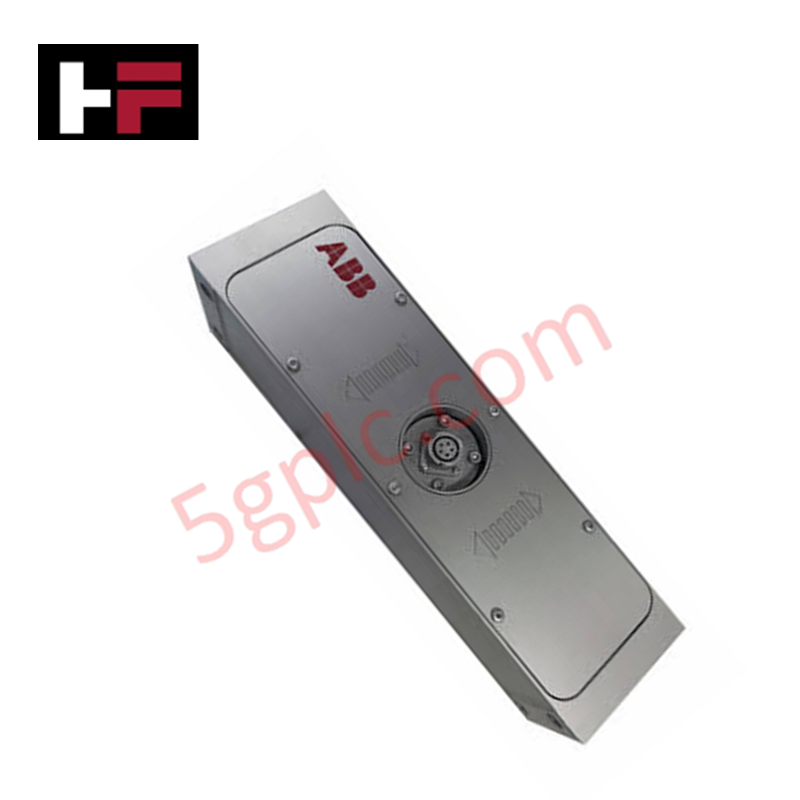
The ABB PFTL 201C 3BSE007913R0010, also cataloged as the PFTL 201C Pressductor Load Cell, operates as a dedicated hardware component for horizontal force component detection within ABB Millmate strip tension systems. Utilizing magnetoelastic Pressductor sensor technology, the non-strain-gauge solid stainless steel block converts mechanical shear stresses under a rated force capacity of 10 kN into proportional electrical output signals. Featuring an IP67 protection rating, the 2.1 kg unit executes signal generation across operating temperatures from -20 deg C to +55 deg C.
Hardware Specifications
| Parameter | Specification |
|---|---|
| Model | PFTL 201C (3BSE007913R0010) |
| Base Model | PFTL 201C |
| Brand | ABB |
| Origin | Sweden |
| Weight | 2.1 kg |
| Dimensions | Pillow block load cell standard form factor |
| Operating Temp | -20 deg C to +55 deg C |
| Power Consumption | Passive sensor element / External evaluation unit driven |
| Rated Force Capacity | 10 kN |
| Measurement Direction | Horizontal force component |
| Sensing Technology | Magnetoelastic Pressductor principle |
| Mechanical Construction | Solid stainless steel block, non-strain-gauge design |
| Installation Mounting | Mounted under bearing housings |
| Ingress Protection | IP67 |
| System Integration | ABB Millmate strip tension systems |
Backplane Bus Communication Velocity and Firmware Flash Compatibility
The analog measurement signals generated by the magnetoelastic core transfer directly to connected ABB Millmate processing racks, maintaining rapid backplane bus communication velocity during real-time load evaluation cycles. Solid-state core excitation accommodates high-frequency signal sampling without mechanical degradation, supporting high I/O density scaling across expanded automation channels. Firmware flash compatibility within the host control interface allows downloading digital calibration curves and dynamic zero-drift correction parameters directly to the system memory.
Frequently Asked Questions
Q: How does the non-strain-gauge magnetoelastic construction handle mechanical overloads?
A: The solid stainless steel block changes its electromagnetic properties when subjected to shear force, allowing high overload resistance and negligible zero drift without physical strain gauge foil deformation.
Q: What orientation requirements apply when installing the load cell beneath a bearing housing?
A: The unit must be positioned flat beneath the pillow block bearing housing with the horizontal measurement vector aligned precisely parallel to the process web tension direction.
Field Installation Guidelines
- Verify that all base mounting plates are machined flat and free from burrs, rust, or foreign matter before positioning the load cell body.
- Torque all mounting bolts evenly in a diagonal cross sequence to ensure uniform mechanical contact force across the entire base area.
- Keep signal wiring separated from high-voltage AC motor lines by routing sensor cables through dedicated grounded conduit.
- Connect cable shielding to the main cabinet ground earth bar at a single point to prevent ground loop noise from corrupting low-level analog signals.
Additional Information
- 100% Genuine Parts: All products are original and authentic, ensuring reliable industrial performance.
- 30-Day Refund Guarantee: Return any in-stock item within 30 days in original, unopened packaging for a full refund (excluding shipping and fees).
- 12-Month Warranty: Covers defects in materials or workmanship; excludes misuse, normal wear, or unauthorized modifications.
- Worldwide Shipping: We ship via USPS, UPS, FedEx, and DHL. Delivery times vary by country and may be subject to customs or import fees.
- Support & Contact: Technical and warranty assistance is available anytime. Contact us here: Contact.
- Purchase Guidance: Check product specifications and compatibility carefully before ordering to ensure proper application.






Tech & Buying Guide

Understanding PLC Digital Output Types: Relay, Transistor, and Triac Explained
Programmable Logic Controllers (PLCs) form the backbone of modern industrial automation systems. They interface directly with field devices such as solenoid valves, indicator lights, motor starters, and interposing relays. Selecting the correct digital output module ensures high system availability and long hardware service life.

Understanding VFD Mechanical Brake Logic and Control in Industrial Automation
Variable Frequency Drives (VFDs) play a crucial role in modern industrial automation by controlling motor speed, torque, and acceleration. However, high-inertia loads and vertical lifting systems require precise mechanical braking logic to ensure operational safety and prevent equipment damage.

Why Programmable Logic Controllers Drop into Stop Mode: An Expert Analysis
Industrial automation systems rely heavily on Programmable Logic Controllers (PLCs) to maintain uninterrupted production. When a PLC unexpectedly shifts from Run to Stop mode, whole manufacturing lines stall.
As control systems evolve across modern factory automation, understanding the root causes of these interruptions helps engineers minimize costly downtime. This technical guide breaks down why PLCs trip into Stop mode and provides practical strategies to mitigate system faults.