










Product Details
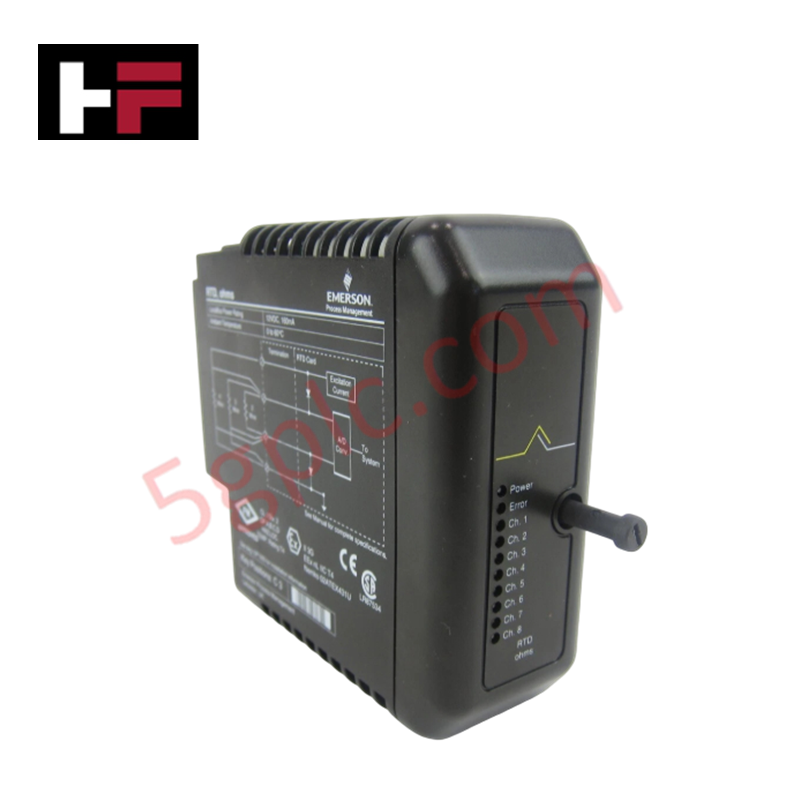
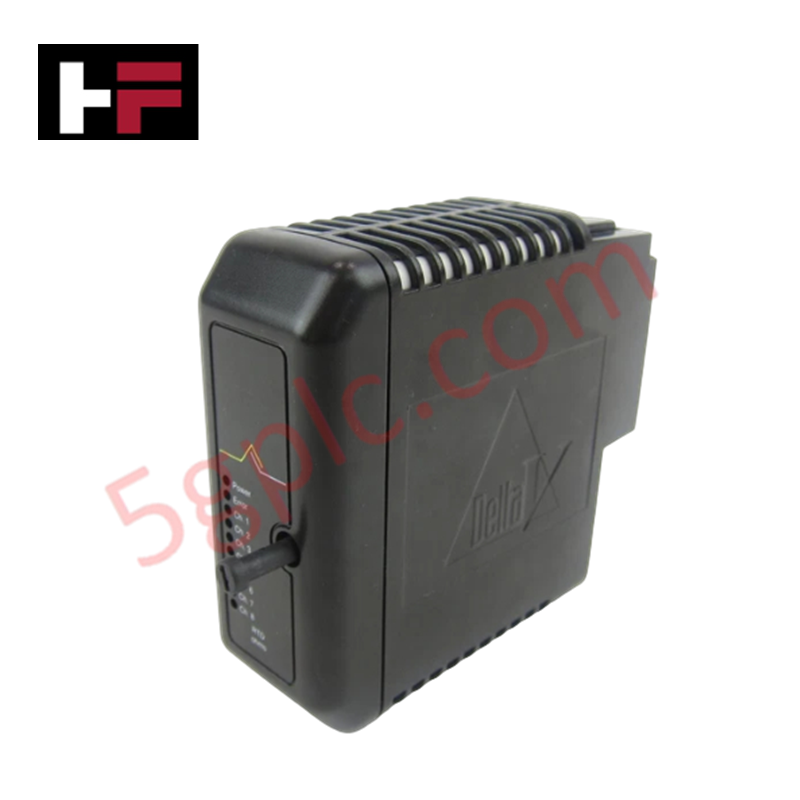
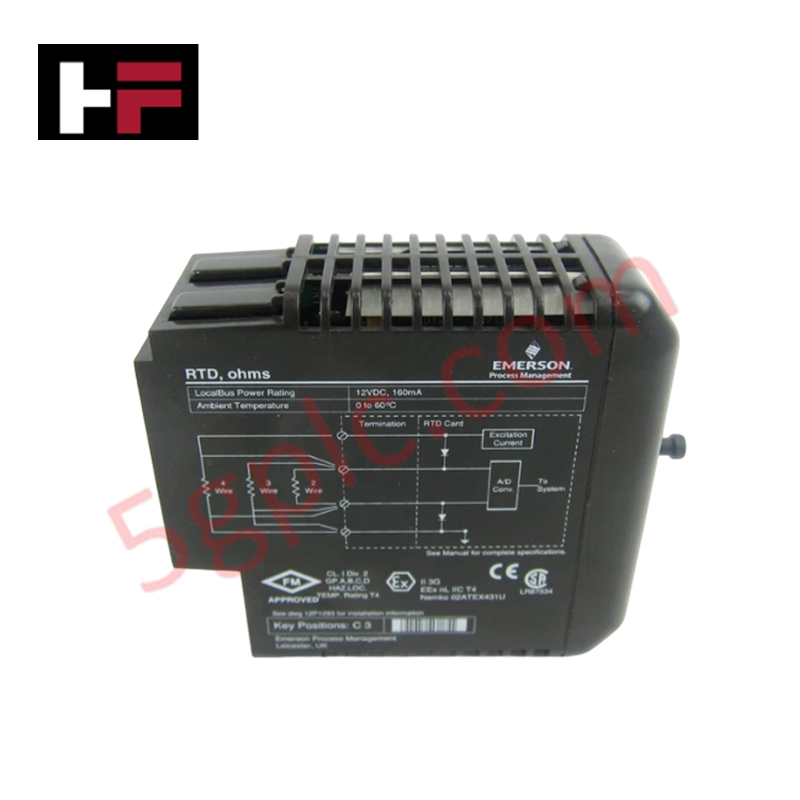
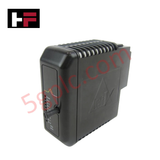
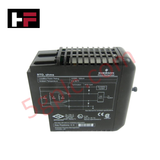
Configured for high-density process measurement in DeltaV control networks, the Emerson KJ3002X1-BA1 (KJ3002X1-BA1 Analog Input Module) provides direct physical/electrical execution for 8 independent 2-wire 4-20 mA HART loops.
Hardware Specifications
| Parameter | Specification |
|---|---|
| Model | KJ3002X1-BA1 |
| Brand | Emerson |
| Weight | 0.65 kg |
| Operating Temp | 0 deg C to 60 deg C |
| Power Consumption | 12 VDC at 150 mA |
| Field Power | 24 VDC at 300 mA |
| Field Circuit | 24 VDC at 32 mA |
Process Control and DCS Connectivity
The KJ3002X1-BA1 facilitates full 4-20 mA HART loop protocol integration, allowing the transmission of both primary process variables and secondary diagnostic data from field instrumentation to the DCS. Each of the 8 channels incorporates channel-to-channel isolation to prevent ground potential variations from affecting signal accuracy. The module circuitry supports real-time HART command pass-through, enabling remote configuration and calibration of field devices without the need for manual connection to local test ports. Integrated current limiting on each field circuit ensures protection against short-circuit conditions at the transmitter interface.
Frequently Asked Questions
Q: Does the module support hot-swapping under normal operating conditions?
A: Yes, this module supports hot-swap functionality. Ensure that the DeltaV controller configuration is set to recognize the module status change and that associated control loops are managed or bypassed to prevent transient output impacts during module removal or insertion.
Q: How is the HART signal processed through the module?
A: The module acts as a transparent bridge for the HART FSK signal superimposed on the 4-20 mA carrier. The internal modem extracts the HART data for digital communication while simultaneously converting the analog current loop signal for the DCS process database.
Field Installation Guidelines
- Carrier Alignment: Insert the module into the designated slot on the DeltaV M-Series I/O carrier. Verify the Terminal Block Key Position (A1) matches the physical keying on the field terminal block to prevent incorrect wiring.
- Signal Wiring: Use twisted-pair shielded cabling for all field loops. Connect cable shields to the carrier-mounted ground bus to maintain signal integrity and adhere to ISA-S71.04-1985 Class G3 environmental protection requirements.
- Power Verification: Confirm that the LocalBus power supply provides 12 VDC and the Bussed field power provides 24 VDC within established tolerances. Measure loop current at the terminal block to verify proper loop impedance before engaging HART communication.
- Environment: Ensure the ambient temperature is maintained between 0 deg C and 60 deg C and that the cabinet environment is free of excess vibration beyond the specified 0.5g limit to prevent connection fatigue.
Additional Information
- 100% Genuine Parts: All products are original and authentic, ensuring reliable industrial performance.
- 30-Day Refund Guarantee: Return any in-stock item within 30 days in original, unopened packaging for a full refund (excluding shipping and fees).
- 12-Month Warranty: Covers defects in materials or workmanship; excludes misuse, normal wear, or unauthorized modifications.
- Worldwide Shipping: We ship via USPS, UPS, FedEx, and DHL. Delivery times vary by country and may be subject to customs or import fees.
- Support & Contact: Technical and warranty assistance is available anytime. Contact us here: Contact.
- Purchase Guidance: Check product specifications and compatibility carefully before ordering to ensure proper application.




Tech & Buying Guide

Step-by-Step System Cabinet Health Check Guide for PLC and DCS Infrastructure

Top 5 Operational Advantages of HMIs in Modern Factory Automation
